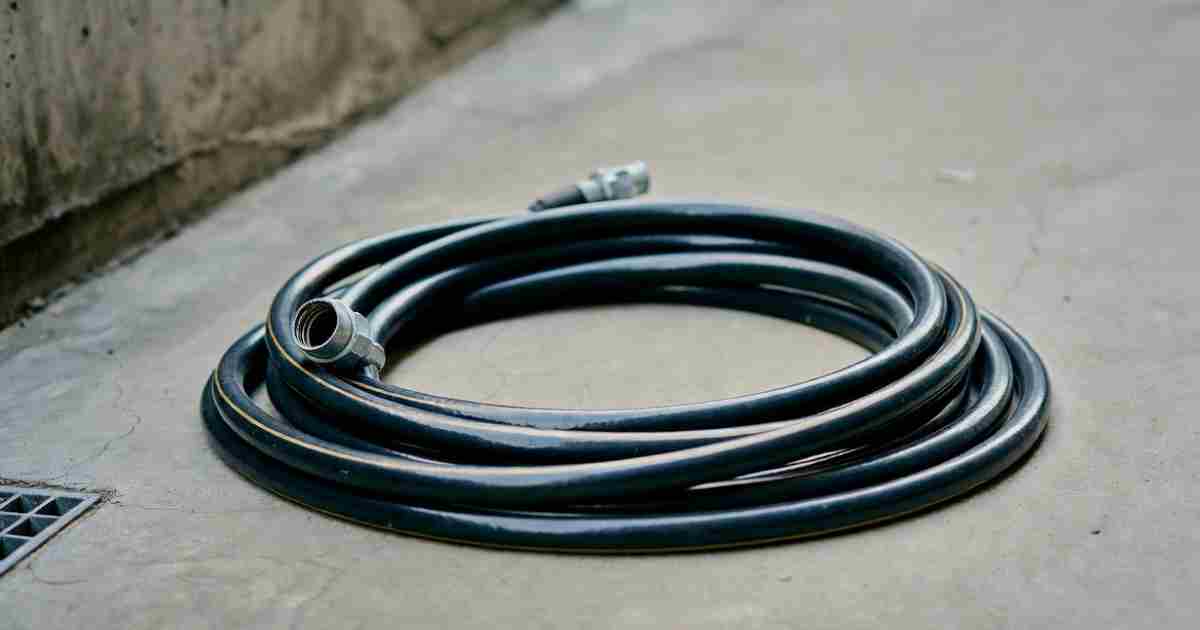

The seven most common hose problems are leaks at the faucet or along the length, low water pressure, stiffness, connector difficulties, sprayer malfunction, and cracking under pressure. These issues typically stem from worn washers, punctures, kinks, degraded rubber, mineral buildup, or excessive water pressure. Understanding these causes allows for targeted repairs and preventive measures, extending the hose’s lifespan and ensuring reliable performance.
Many people starting out with hoses run into a few common issues. It can feel a bit tricky at first to figure out why your hose isn’t working right. But don’t worry!
We’ll walk through the 7 Hose Problems and Their Causes step by step. You’ll see how simple it can be to fix them. Let’s get started and look at what might be going wrong and how to make it right again.
Key Takeaways
- You will learn about common hose issues that beginners often face.
- This post explains the reasons behind these hose problems in simple terms.
- You will find clear, easy-to-follow steps to fix each problem.
- Knowing the causes helps you prevent future hose troubles.
- You will feel more confident handling your hoses after reading this.
Common Hose Problems and Why They Happen
1. The Hose is Leaking at the Faucet
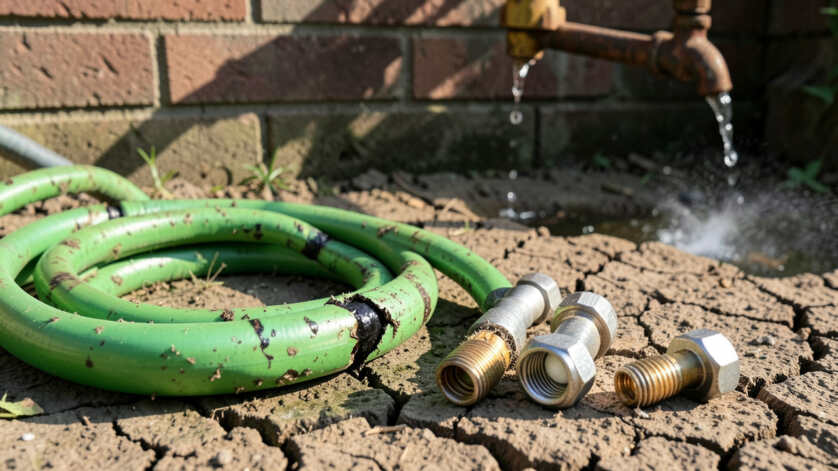
This is a super common problem. You turn on the water, and it starts dripping right where the hose connects to the faucet. It’s usually a simple fix.
Why it Happens:
The main reason for leaks at the faucet is a worn-out or damaged washer. This is a small rubber ring inside the connector that seals the connection. Over time, the rubber can get hard, crack, or flatten.
This means it can’t create a tight seal anymore.
Another cause is not tightening the hose enough. You need to screw it on firmly, but not so tight that you damage the threads. Sometimes, the threads on the faucet or the hose itself might be damaged or dirty.
This can stop it from sealing properly.
2. The Hose is Leaking Along Its Length
You see water spraying out from spots all over your hose, not just at the ends. This can be frustrating because it wastes water and lowers the pressure where you need it.
Why it Happens:
Hoses can get holes or cracks in them for a few reasons. One common cause is physical damage. If a hose is dragged over sharp rocks, gravel, or concrete, it can rub through the material.
Leaving it out in the sun for too long can also make the material brittle and prone to cracking.
Another reason is age. Like anything, hoses wear out. The material degrades over time, making it weaker.
Freezing temperatures can also cause damage. If water is left inside a hose that freezes, the ice expands and can split the hose open.
3. The Water Pressure is Low
You turn on the water, but it barely trickles out, even though the faucet is fully open. This makes it hard to water plants, wash your car, or do anything that needs good water flow.
Why it Happens:
Low water pressure from a hose is often due to a blockage somewhere. This could be inside the hose itself. Small bits of debris, dirt, or even mineral buildup can get stuck and restrict water flow.
The hose might also be kinked. A kink is a sharp bend in the hose that stops water from moving through. This can happen if the hose is twisted or folded over on itself.
Regularly inspect the rubber washer inside the hose connector and replace it if it appears cracked or flattened to prevent leaks at the faucet.
Leaks anywhere along the hose, as we discussed before, will also reduce the pressure at the end.
4. The Hose is Stiff and Hard to Handle
When you try to unroll your hose, it feels like a stiff rope. It’s difficult to move around, and it doesn’t coil up neatly. This makes it a hassle to use and store.
Why it Happens:
The most frequent reason for a stiff hose is exposure to extreme temperatures. Leaving a hose out in very cold weather can make the material stiff and less flexible. On the other hand, excessive heat and prolonged exposure to sunlight can also degrade the plastic or rubber, making it brittle and hard.
The type of material the hose is made from also plays a role. Cheaper hoses might use materials that are naturally less flexible. Over time, even good quality hoses can lose some of their pliability if not stored properly.
5. The Hose Connector is Difficult to Attach or Detach
You struggle to screw the hose onto the faucet, or you can’t get it off when you’re done. It feels like it’s stuck or jammed.
Why it Happens:
This problem is usually caused by dirt, debris, or corrosion on the threads. Over time, dirt and grit can get into the threads, making it hard for them to connect smoothly. If the hose connector is metal, it can also rust, especially if it’s left wet.
The rubber washer inside the connector can also cause issues. If it’s become dislodged, damaged, or is the wrong size, it can make connecting the hose difficult. Forgetting to turn off the water completely before trying to detach can also put extra pressure on the connection, making it harder to unscrew.
6. The Sprayer or Nozzle Isn’t Working Properly
You’ve got good water pressure coming from the hose, but your spray nozzle is acting up. It might not spray at all, or it sprays weakly, or it’s stuck on one pattern.
Why it Happens:
Most often, this is due to a clogged nozzle. The small holes in the nozzle can get blocked by sediment or mineral deposits from the water. If you use a hose that hasn’t been cleaned, small pieces of debris can travel up and get stuck in the sprayer mechanism.
The internal parts of the nozzle can also wear out over time. Seals can break down, or moving parts can get stiff. If the nozzle has multiple spray settings, the selector mechanism might be stuck or broken, preventing you from changing patterns.
7. The Hose Cracks or Splits Under Pressure
You’re using the hose, and suddenly it bursts open, spraying water everywhere. This is a more serious problem that can happen suddenly.
Why it Happens:
This usually occurs when the hose material is already weak. As we’ve discussed, age, sun damage, or cold can make the hose material brittle. When you turn on the water, the pressure puts stress on these weak spots, and they can split or burst.
Another cause is using a hose that is not designed for the water pressure from your faucet. Some hoses are made for low pressure and can’t handle the higher PSI from a standard home water supply. Kinks that are left in the hose for a long time can also weaken the material at that spot, making it more likely to burst under pressure.
Frequently Asked Questions
Question: How often should I check my hose for problems?
Answer: It’s a good idea to look at your hose before each use. Do a quick visual check for any obvious cracks or damage. Also, listen for any unusual sounds when you turn on the water.
Question: What is the best way to store my garden hose?
Answer: Store your hose in a cool, dry place, away from direct sunlight. Coiling it loosely on a hose reel or hanger is best. This prevents kinks and protects it from the elements.
Question: Can I fix a hole in my hose?
Answer: Yes, small holes can often be fixed with hose repair kits. These usually involve a clamp and a new connector piece. For larger cracks or bursts, it’s often better to replace the hose.
Question: Why does my hose smell bad?
Answer: A bad smell can come from algae or mold growing inside the hose. This happens if water is left standing in it for too long, especially in warm or dark conditions. Flushing it out with clean water can help.
Question: My hose is really old. Should I just get a new one?
Answer: If your hose is showing signs of wear like stiffness, cracks, or frequent leaks that can’t be easily fixed, it’s probably time for a new one. Replacing an old, damaged hose is safer and more effective.
Final Thoughts
You’ve learned about common hose issues and what causes them. Fixing leaks, low pressure, or stiffness is often quite straightforward. By understanding these 7 hose problems and their causes, you can take simple steps to keep your hoses in good working order.
Check for damage, keep them clean, and store them right. This will help you avoid most problems and enjoy using your hoses without trouble.