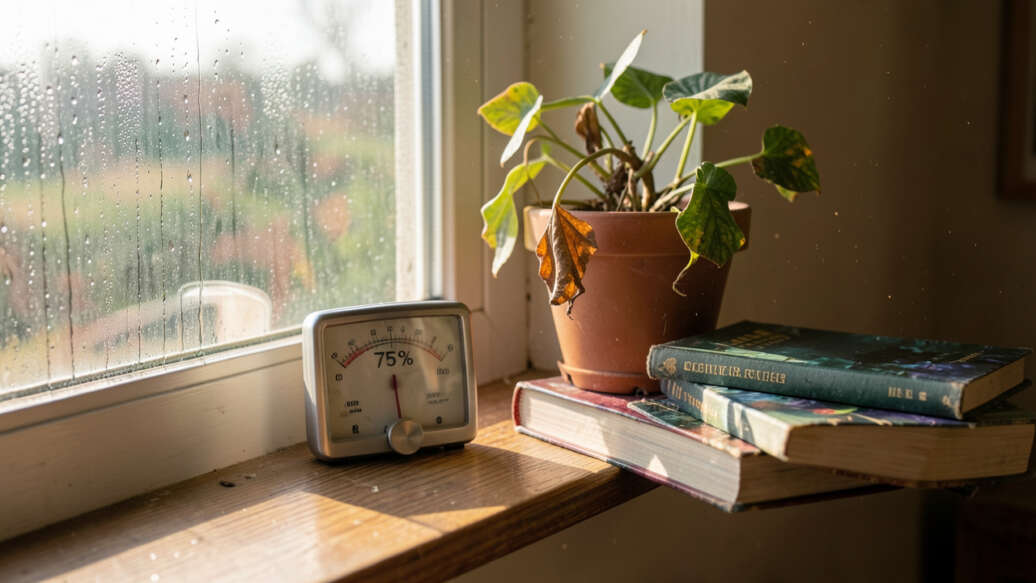

The eight most common humidity problems in homes include mold and mildew growth, damp musty smells, peeling paint, condensation on windows, warped wood, and respiratory issues from high humidity, as well as dry air problems from low humidity. These conditions can damage building materials, trigger allergies, and reduce indoor comfort, but they are preventable by maintaining indoor relative humidity between 30 and 50 percent. Understanding which problem stems from excess moisture versus dry air allows for targeted fixes such as using dehumidifiers, improving ventilation, or adding humidifiers where needed.
Key Takeaways
- You will learn about common issues caused by too much or too little humidity.
- We will explain how humidity affects your home and health.
- Simple fixes for common humidity problems will be shared.
- You will find tips to keep your home’s humidity just right.
- Understanding humidity helps prevent damage to your belongings.
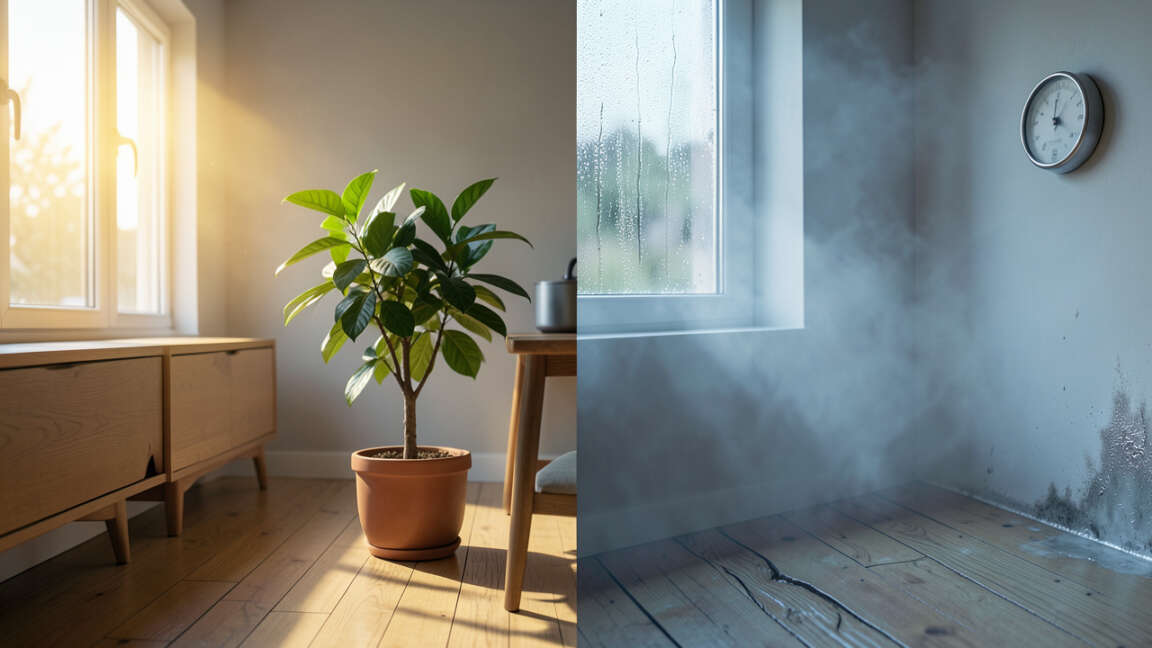
What is Humidity and Why Does It Matter?
Use a hygrometer to check your home's humidity level regularly and adjust as needed.
8 Common Humidity Problems
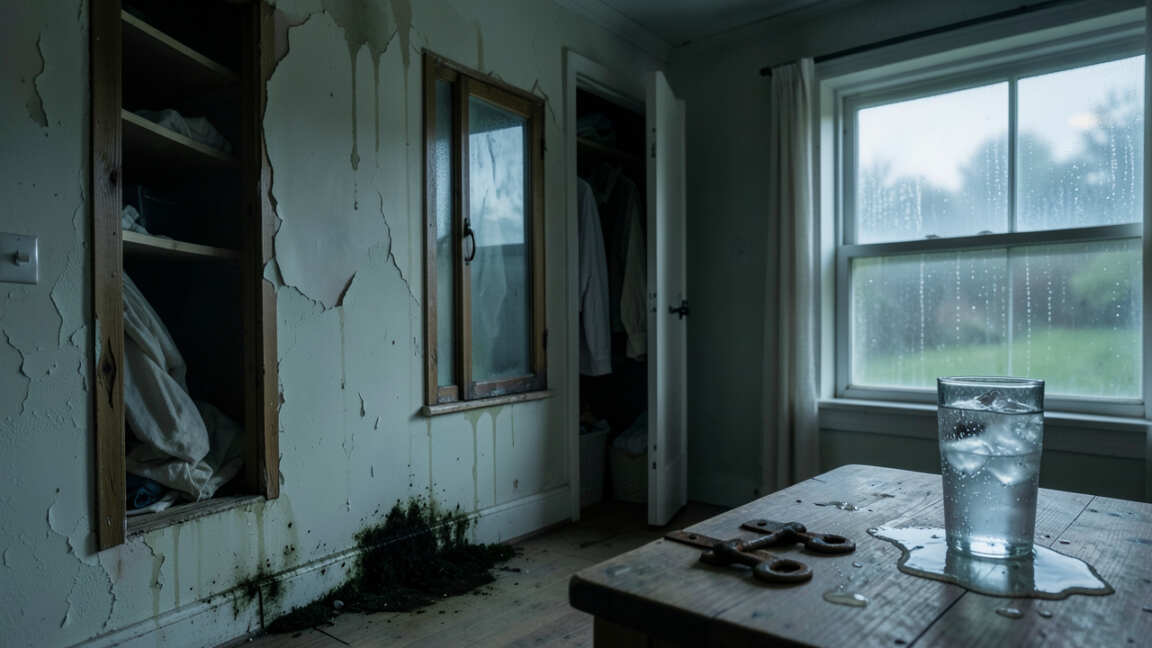
Moisture buildup behind walls can cause paint and wallpaper to peel, often indicating hidden humidity issues.
1. Mold and Mildew Growth
This is a big one. When humidity stays high for too long, mold and mildew love to grow. You’ll often see them in bathrooms, kitchens, basements, or anywhere water might sit. They look like fuzzy patches, sometimes green, black, or white. Mold can also smell musty. Mold and mildew aren’t just unsightly. They can cause health problems like allergies and breathing issues. High humidity is the perfect breeding ground for these tiny spores.How to Fix It:
- Use exhaust fans in bathrooms and kitchens.
- Fix any leaks right away.
- Open windows when possible to let fresh air in.
- Consider a dehumidifier for damp areas.
2. Damp, Musty Smells
That unpleasant, damp smell in your home is often a sign of too much humidity. It can come from mold, mildew, or just general moisture in the air. This smell can make your house feel unpleasant and unwelcoming. These smells often linger, especially in clothes, furniture, or carpets. They signal that there’s a moisture problem that needs attention.How to Fix It:
- Address the source of the excess moisture.
- Use air fresheners or activated charcoal to absorb odors.
- Run a dehumidifier.
- Ensure good ventilation.
3. Peeling Paint and Wallpaper
When the air is too moist, it can cause paint to bubble or peel. It can also make wallpaper loosen and lift from the walls. This happens because the moisture gets behind the paint or wallpaper and damages the adhesive or the wall surface itself. This not only looks bad but can also mean the wall behind is getting damaged. It’s a visual cue that humidity is too high.How to Fix It:
- Reduce indoor humidity levels.
- Ensure walls are properly sealed and waterproofed in damp areas.
- Allow paint and wallpaper to dry thoroughly between coats or applications.
4. Condensation on Windows and Walls
You know those foggy windows on a cold day? That’s condensation. It happens when warm, moist air touches a cold surface, like a window. If you see water droplets forming on your windows, pipes, or even walls, it means your indoor humidity is too high. This constant moisture can lead to wood rot and damage to finishes. It’s a clear sign that the air has too much water in it.How to Fix It:
- Use a dehumidifier to lower indoor humidity.
- Improve ventilation, especially in bathrooms and kitchens.
- Wipe away condensation when you see it.
- Consider double-paned windows for better insulation.
5. Warped Wood and Furniture
Wood expands when it absorbs moisture and shrinks when it dries out. High humidity can cause wooden doors, cabinets, floors, and furniture to warp, swell, or crack. This can be a costly problem to fix and can ruin your belongings. This happens gradually, but over time, the damage can become permanent. It’s another sign that the moisture balance in your home is off.How to Fix It:
- Maintain consistent humidity levels year-round.
- Store wooden items in areas with stable climate control.
- Use a dehumidifier if the area is prone to high humidity.
6. Respiratory Problems and Allergies
For some people, high humidity can make breathing difficult. It can make allergies worse and trigger asthma symptoms. Mold spores and dust mites, which thrive in damp conditions, are common allergens. They can become airborne and inhaled, causing irritation. Feeling stuffy, sneezing a lot, or having trouble breathing might be linked to the air quality in your home. This is a serious health concern.How to Fix It:
- Keep humidity levels between 30% and 50%.
- Use air purifiers with HEPA filters.
- Clean regularly to reduce dust and mold.
- Address any leaks or water damage promptly.
7. Dry Air Problems (Low Humidity)
While we often talk about high humidity, low humidity can also be a problem. This is more common in winter when heating systems dry out the air. Very dry air can cause itchy skin, chapped lips, sore throats, and even nosebleeds. It can also make static electricity worse. Your home might feel uncomfortable, and you might notice static shocks more often. Your plants might also suffer.How to Fix It:
- Use a humidifier to add moisture back into the air.
- Place bowls of water around the house.
- Avoid over-heating your home.
- Take shorter, cooler showers.
8. Damage to Electronics and Appliances
Excessive moisture in the air can be bad for electronic devices and appliances. It can cause corrosion on metal parts, leading to malfunctions or short circuits. This can damage anything from your TV to your refrigerator. The internal components of electronics are sensitive. High humidity can create pathways for electrical current where there shouldn’t be any, causing failure.How to Fix It:
- Keep humidity levels in the recommended range.
- Ensure appliances are properly installed and vented.
- Use dehumidifiers in basements or garages where electronics might be stored.
How to Monitor and Control Humidity
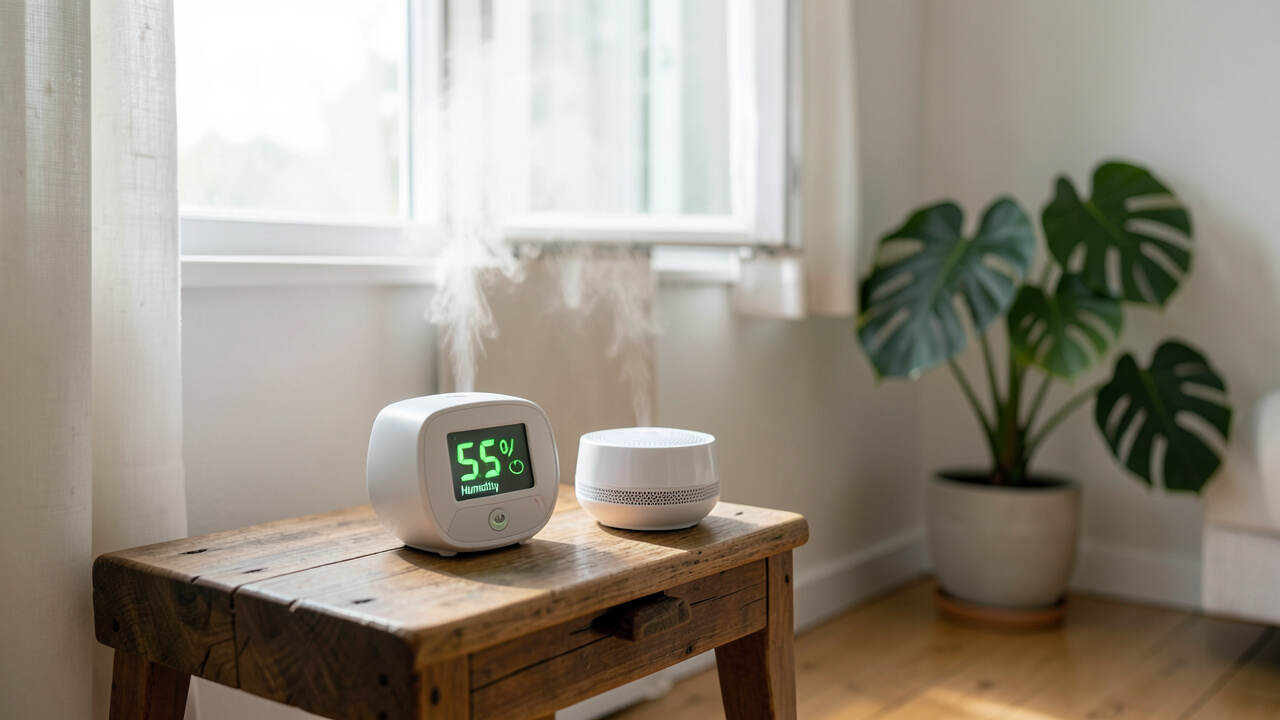
Knowing your humidity levels is the first step to fixing problems. You can use a simple tool called a hygrometer. They are inexpensive and easy to find. The ideal humidity level for your home is generally between 30% and 50%. Here’s how you can manage it:A hygrometer is an inexpensive tool that reveals your home's humidity levels at a glance.
Managing High Humidity:
- Ventilation: Open windows and doors when weather permits. Use exhaust fans in bathrooms and kitchens while showering or cooking.
- Dehumidifiers: These devices remove moisture from the air. They are great for basements, bathrooms, and other damp areas.
- Fix Leaks: Promptly repair any leaky pipes, roofs, or windows.
- Proper Insulation: Good insulation helps prevent condensation on cold surfaces.
- Air Conditioning: Running your air conditioner can also help reduce humidity.
Managing Low Humidity:
- Humidifiers: These add moisture to the air. You can get whole-house humidifiers or portable units for specific rooms.
- Indoor Plants: Plants release moisture through a process called transpiration.
- Cooking and Showering: Leaving bathroom doors open after showers or letting pots of water simmer on the stove can add moisture.
| Problem | Cause | Solution |
|---|---|---|
| Mold Growth | High Humidity | Dehumidifier, Ventilation, Fix Leaks |
| Musty Smells | Excess Moisture | Dehumidifier, Airing Out, Remove Source |
| Peeling Paint | High Humidity | Reduce Humidity, Proper Sealing |
| Condensation | High Humidity | Dehumidifier, Ventilation |
| Warped Wood | High Humidity | Consistent Humidity Levels |
| Dry Skin | Low Humidity | Humidifier, Water Bowls |
| Electronics Damage | High Humidity | Control Humidity Levels |
Frequently Asked Questions
Question: What is the ideal humidity level for a home?
Answer: The ideal humidity level for most homes is between 30% and 50%. This range is comfortable and helps prevent many common problems.Question: How can I tell if my home has too much humidity?
Answer: Signs of high humidity include condensation on windows, musty smells, mold growth, and peeling paint or wallpaper.Question: Can high humidity cause health issues?
Answer: Yes, high humidity can worsen allergies, asthma, and cause respiratory problems due to mold and dust mites.Question: What’s the best way to reduce humidity in a basement?
Answer: The best way is to use a dehumidifier specifically for basements and ensure good ventilation if possible.Question: Is it okay to have very low humidity in winter?
Answer: No, very low humidity in winter can cause dry skin, sore throats, and damage to wood furniture and structures.