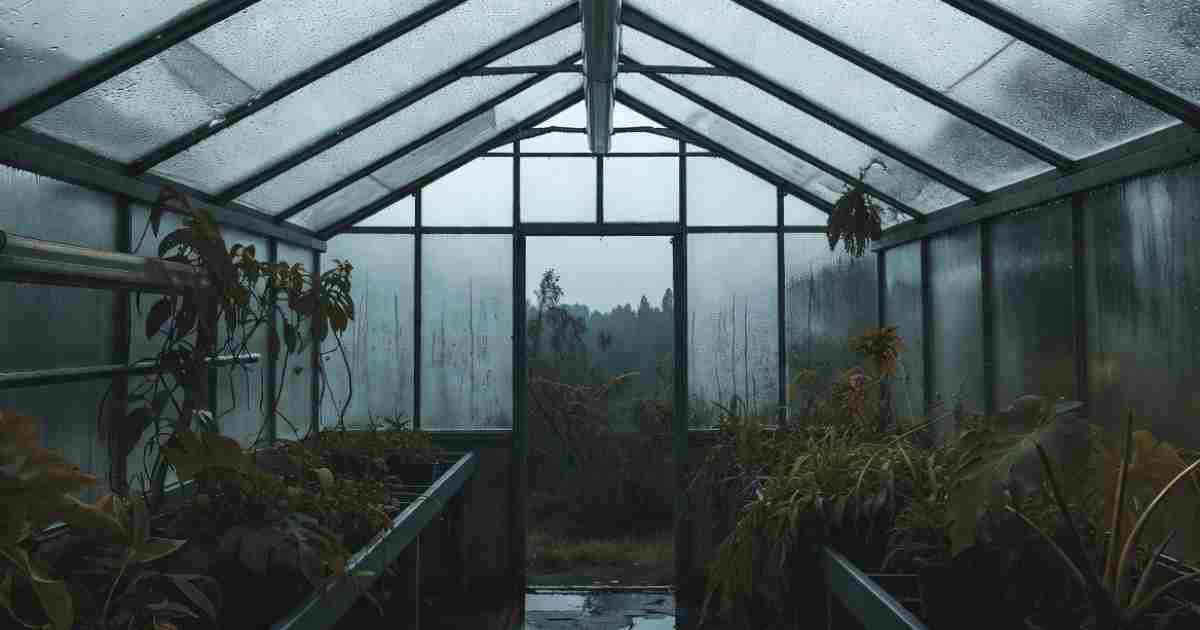

Plants die inside greenhouses due to eight common, preventable causes: improper light levels, watering mistakes, unstable temperatures, poor air circulation, pest and disease outbreaks, and unsuitable soil or plant choices. Correcting these factors requires consistent monitoring and adjustment of the greenhouse environment to match the specific needs of each crop. The central takeaway is that greenhouse success depends on balancing light, water, temperature, and airflow while avoiding common pest and nutrient pitfalls.
Growing plants inside a greenhouse sounds like a dream, right? You might think it’s a perfect, safe spot for them. But sometimes, even with all that protection, plants still don’t make it.
This can be super confusing, especially when you’re just starting out. Don’t worry though! We’re going to go through the 8 Reasons Plants Die Inside Greenhouses in a really simple way.
By the end, you’ll know exactly what to look out for and how to fix it, making your greenhouse a happy place for plants.
Key Takeaways
- Greenhouses can have too much or too little light, harming plants.
- Incorrect watering is a major reason plants fail in greenhouses.
- Temperature swings inside greenhouses can stress or kill plants.
- Poor air flow leads to disease and weak growth.
- Pests and diseases can spread quickly in controlled environments.
- The wrong soil or nutrients will stop plants from thriving.
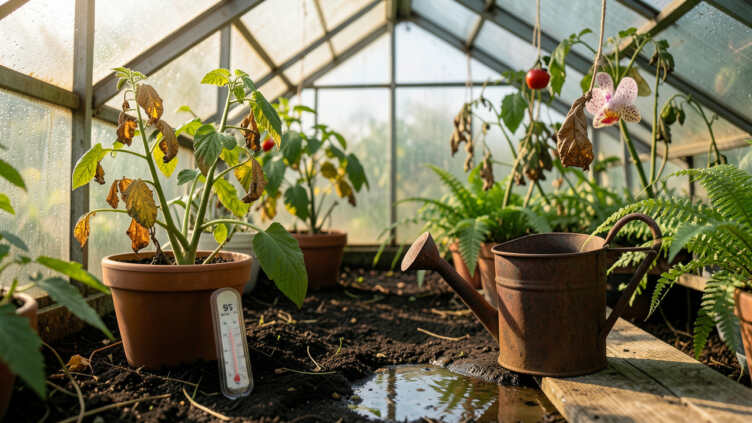
Understanding Greenhouse Plant Problems
Greenhouses offer many benefits for plant growth. They help keep out harsh weather and pests. They also let you control the environment.
Maintaining a steady temperature is crucial because sudden fluctuations stress plants and can lead to wilting or disease.
Avoid common mistakes like inconsistent watering or poor ventilation to keep your greenhouse plants healthy.
However, this control can sometimes backfire. It’s easy to make mistakes when you’re managing a greenhouse. These mistakes can lead to plants getting sick or dying.
We will explore the common issues that cause plants to struggle.
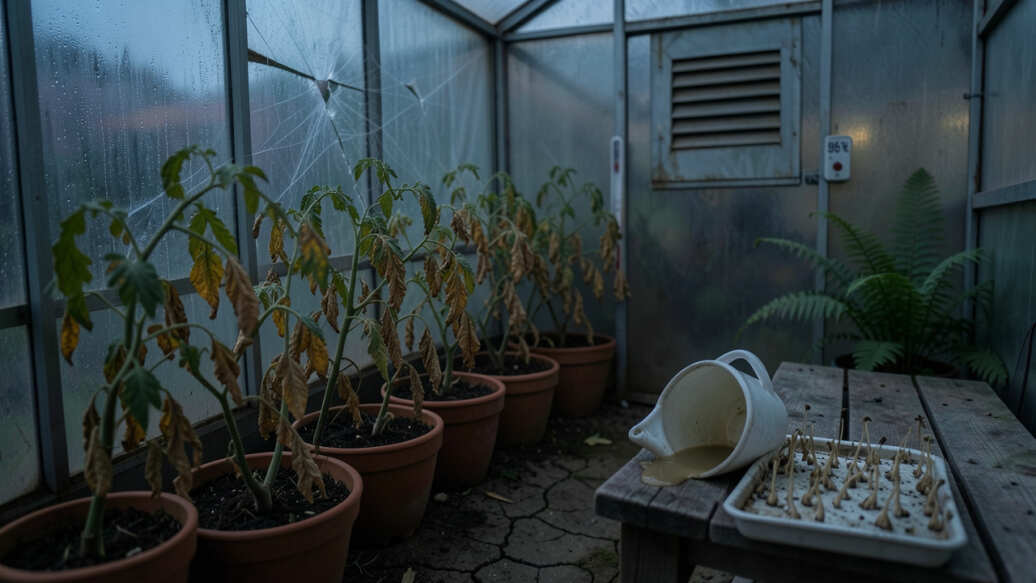
The Top 8 Reasons Plants Die Inside Greenhouses
1. Too Much or Too Little Light
Plants need light to make food. This process is called photosynthesis. Inside a greenhouse, you can control the light.
But it’s a balancing act. Too much direct sun can scorch leaves. This is especially true for delicate plants.
It can make them turn yellow or brown and crispy. On the other hand, not enough light makes plants weak. They might stretch out trying to find sun.
Their leaves can turn pale green or yellow. You might see fewer flowers or fruits.
To get this right, you need to know what your plants like. Some plants love bright, direct sun. Others prefer shade, especially during the hottest part of the day.
You can use shade cloth to filter strong sunlight. For more light, you can add grow lights. It’s about matching the light to the plant’s needs.
2. Watering Woes: Too Much or Too Little
Water is essential for plant life. But giving plants too much or too little water is a common killer. In a greenhouse, things can dry out fast or stay too wet.
Overwatering is a big problem. It can lead to root rot. The roots drown and can’t get air.
You might see yellow leaves and wilting, even when the soil is wet. Underwatering makes plants dry and stressed. Their leaves will droop and turn brown at the edges.
The key is to check the soil moisture. Stick your finger about an inch into the soil. If it feels dry, it’s time to water.
If it feels damp, wait a bit longer. Good drainage is also very important. Make sure your pots and greenhouse floor allow water to escape.
Using a watering can with a fine rose helps water gently. Avoid drenching the leaves, as this can spread disease.
3. Unstable Temperatures
Plants are sensitive to temperature. Greenhouses can heat up very quickly. On a sunny day, the temperature can rise much higher than outside.
This can stress plants, causing wilting or leaf drop. If it gets too hot, some plants might even die. In winter, greenhouses can get very cold.
Frost can damage or kill plants that can’t handle the chill.
It’s important to keep the temperature steady. You might need to vent the greenhouse on hot days. This lets the hot air escape.
Opening doors and vents creates air flow. On cold nights, you might need a heater. Small greenhouse heaters are available.
Understanding the temperature needs of your specific plants is helpful. Some like it cool, others prefer it warm.
4. Lack of Proper Air Circulation
Air flow is vital for healthy plants. When air is still, it can cause problems. Stagnant air allows humidity to build up.
This can encourage fungal diseases. It also means plants aren’t getting fresh carbon dioxide for growth. Good air circulation helps keep leaves dry.
It also makes the temperature more even. It can even help strengthen plant stems.
You can improve air circulation by opening vents and doors. Fans can also help. Even a small fan set on low can make a big difference.
Moving air around the plants helps prevent disease. It also helps plants to dry off after watering. Make sure plants aren’t packed too tightly together.
Give them space for the air to move.
5. Pest and Disease Outbreaks
Greenhouses can be a breeding ground for pests and diseases. Because the environment is controlled, pests can thrive. They have protection from natural predators.
Diseases can also spread rapidly in humid conditions. Common pests include aphids, spider mites, and whiteflies. Fungal diseases like powdery mildew are also frequent visitors.
Regularly inspect your plants. Look for any signs of pests or disease. Early detection is key.
You can treat minor infestations with natural remedies. Soapy water or neem oil can work well. For diseases, good air circulation and avoiding wet leaves help.
Remove any affected leaves or plants promptly to stop the spread.
6. Poor Soil and Nutrient Imbalance
Plants need good soil to grow. The soil provides nutrients, water, and air to the roots. If the soil is compacted, roots can’t grow.
If it lacks nutrients, plants will be weak. Many greenhouse plants are grown in containers or raised beds. This means you need to provide the right potting mix and nutrients.
Use a good quality potting mix. It should be well-draining and airy. You will also need to feed your plants.
Plants in containers use up the nutrients in the soil. You’ll need to add fertilizer or compost regularly. Follow the instructions on the fertilizer packaging.
Too much fertilizer can be as bad as too little. It can burn the roots.
7. Planting the Wrong Plants
Not all plants are suited for greenhouse growing. Some plants need very specific conditions. They might need a long growing season or very particular temperatures.
Trying to grow plants that don’t like your greenhouse environment is a recipe for disaster. Research the plants you want to grow. Make sure they will do well in your climate and your greenhouse setup.
Consider what you want to achieve. Are you growing vegetables, flowers, or herbs? Some plants are very forgiving.
Others are quite fussy. Choose plants that match your experience level and your greenhouse’s capabilities. Starting with easy-to-grow plants is a good idea.
8. Ignoring Plant Needs
This might sound obvious, but it’s a big one. Every plant is different. What works for one plant might not work for another.
It’s easy to fall into a routine of doing the same thing for all plants. But you need to pay attention to each one. Look at their leaves, stems, and overall growth.
Learn about the specific needs of the plants you are growing. Do they need lots of water? Do they prefer shade?
Do they need support as they grow? Taking the time to observe and learn about your plants is the best way to keep them healthy. Your plants will tell you if something is wrong if you just listen.
Frequently Asked Questions
Question: Why do my greenhouse plants’ leaves turn yellow?
Answer: Yellow leaves can be caused by several things. It could be too much or too little water. It might also be a lack of nutrients in the soil, or not enough light.
Sometimes, pests can also cause yellowing.
Question: How often should I water plants in a greenhouse?
Answer: There’s no set schedule. You should check the soil moisture by sticking your finger about an inch down. Water when the soil feels dry.
This can change depending on the weather, plant type, and pot size.
Question: Can a greenhouse get too hot for plants?
Answer: Yes, a greenhouse can get extremely hot, especially on sunny days. This is why proper ventilation, like opening vents and doors, is very important to prevent overheating and keep plants from getting stressed.
Question: How can I tell if my plants have pests?
Answer: Look closely at your plants. Pests like aphids are small and often found on new growth. You might see tiny webs from spider mites or small white flying insects.
Also, look for holes in leaves or sticky residue.
Question: What is the best soil for greenhouse plants?
Answer: For most greenhouse plants, a good quality potting mix is best. It should be light, airy, and drain well to prevent waterlogging and root rot. Adding compost can also improve its quality and nutrient content.
Final Thoughts
Taking care of plants in a greenhouse is rewarding. You’ve learned about the 8 Reasons Plants Die Inside Greenhouses. We covered light, water, temperature, air flow, pests, soil, choosing the right plants, and paying attention to their needs.
Each of these points is a key to success. By checking these things regularly, you can help your plants thrive. Enjoy watching your greenhouse garden grow!