
The eight common solar panel performance issues include dirt buildup, shade obstructions, temperature effects, wiring problems, inverter failures, age-related degradation, and physical damage. Each issue reduces energy output and can shorten system lifespan if not addressed. Regular cleaning, shade management, and timely professional inspections help maintain optimal solar panel efficiency.
Thinking about solar panels is exciting! But sometimes, things don’t work quite as expected. Many people run into the 8 Common Solar Panel Performance Issues, and it can seem a bit confusing at first.
Don’t worry, though. This guide will walk you through what to look for in a simple, step-by-step way. We’ll explore the most frequent problems and how to fix them easily.
Get ready to learn what might be affecting your solar energy.
Key Takeaways
- You’ll learn about common reasons why solar panels might not perform as well as they should.
- We will cover how dirt and shade can reduce your solar panel’s energy output.
- You will discover why panel temperature matters and how to manage it.
- We will explain how wiring problems can impact your system’s efficiency.
- You will find out about the effects of aging panels and potential damage.
- We’ll guide you on how to spot and fix common issues to get the most from your solar panels.
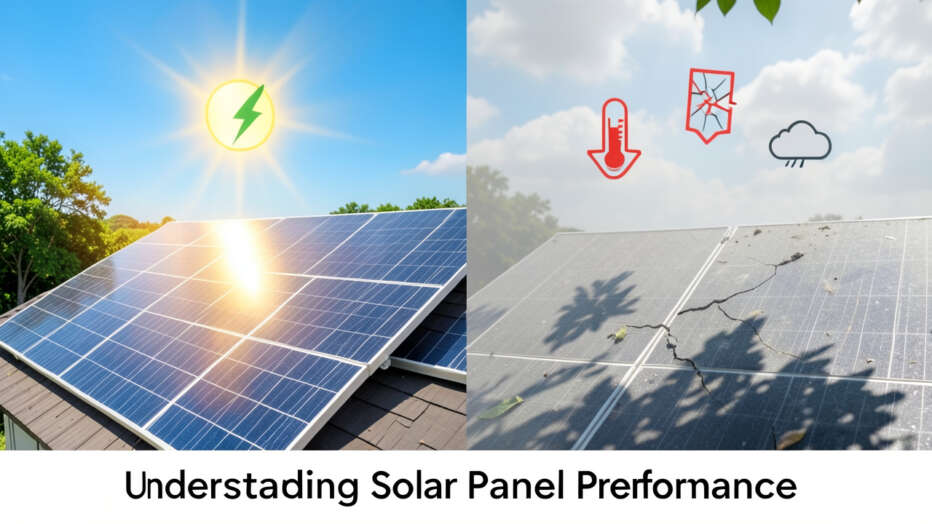
Understanding Solar Panel Performance
Solar panels convert sunlight into electricity. This process is called the photovoltaic effect. When everything is working right, your solar system provides clean energy.
Dust and debris block sunlight, so cleaning panels with a hose and soft brush can significantly improve performance.
Monitor your solar system's daily energy output to detect performance drops early, as even small issues can accumulate.
However, several things can stop your panels from working at their best. These issues are common and can affect any solar setup.
8 Common Solar Panel Performance Issues
1. Dirt and Debris Buildup
Over time, dust, leaves, bird droppings, and other things can pile up on your solar panels. This layer of gunk blocks sunlight from reaching the solar cells. Even a little bit of dirt can make a big difference in how much electricity your panels produce.
Think of it like trying to see through a dirty window – less light gets through.
Regular cleaning is key. You don’t need special tools for this. Often, a good rinse with a hose and a soft brush is enough.
Make sure to do this when the panels are cool, like in the early morning or late evening. This prevents water spots from forming.
2. Shade Obstructions
Trees growing taller, new buildings nearby, or even seasonal changes can cast shadows on your solar panels. When part of a panel is in shade, it can reduce the output of the entire string of panels it’s connected to. This is because panels are often wired together in series.
It’s important to plan for shade when you install solar panels. However, if shade becomes an issue later, you might need to trim trees or consider other solutions. Some advanced systems use “optimizers” that help each panel work more independently, so shade on one panel doesn’t affect others as much.
3. Temperature Effects
Solar panels work best when they are cool. When panels get too hot, their efficiency drops. This happens a lot on very sunny, hot days.
The heat makes the electrons in the solar cells move around less effectively.
Good airflow around the panels helps keep them cooler. This is why installers usually mount panels a few inches off the roof. You can’t control the weather, but ensuring there’s space for air to circulate is important.
Sometimes, special coatings can also help reflect heat.
4. Wiring and Connection Problems
The wires connecting your solar panels to each other and to your inverter are crucial. If these connections are loose, corroded, or damaged, they can create resistance. This resistance makes it harder for electricity to flow, leading to lost energy.
Checking these connections is a job for a professional. They can ensure all wires are secure and free from damage. Loose wires can also be a safety hazard.
Regular inspections can catch these problems early.
5. Inverter Issues
The inverter is the brain of your solar system. It changes the direct current (DC) electricity from your panels into the alternating current (AC) electricity your home uses. If the inverter is not working correctly, it will affect how much power you get.
Inverters have indicator lights or displays that can tell you if there’s a problem. They might show error codes. Sometimes, an inverter might just need a reset.
If it’s a persistent issue, it might need to be repaired or replaced.
6. Age and Degradation
Like any technology, solar panels don’t last forever. Over many years, their performance naturally decreases. This is called degradation.
Manufacturers usually provide a warranty that guarantees a certain level of performance even after 20-25 years.
Degradation is usually slow and predictable. It’s a normal part of a panel’s lifespan. If you notice a sudden, significant drop in performance that can’t be explained by other issues, it might be a sign of accelerated degradation or a defect.
7. Physical Damage
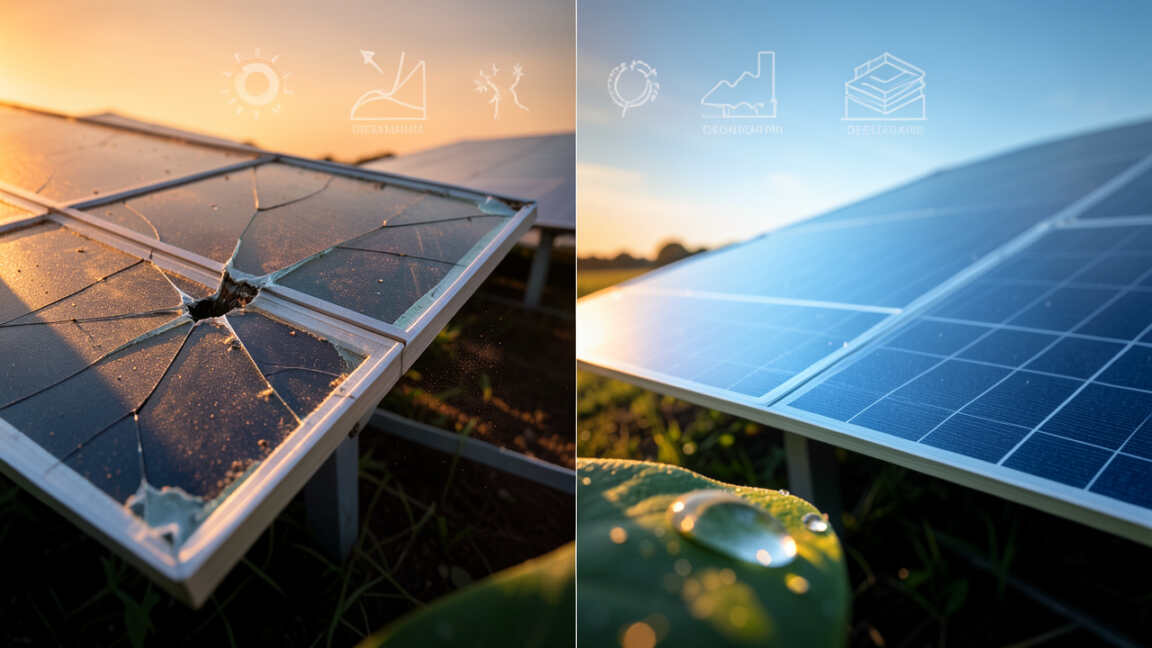
Hail, falling branches, or even strong winds can cause physical damage to solar panels. This can lead to cracks in the glass or damage to the cells themselves. Even small cracks can let moisture in, causing further problems over time.
Visually inspecting your panels after severe weather is a good idea. Look for any signs of cracks, chips, or delamination (where layers of the panel start to separate). If you see damage, contact your installer or a solar professional.
8. System Design Flaws
Sometimes, the initial design of the solar system might not be ideal for your specific location or energy needs. This could mean panels were not oriented correctly to catch the most sun, or the system size was not matched to your usage.
This is a more complex issue that often requires a professional assessment. An expert can review your system’s design and make recommendations for improvements, such as adding more panels or adjusting the angle of existing ones.
Frequently Asked Questions
Question: How often should I clean my solar panels?
Answer: It depends on where you live. If you’re in a dusty or dry area with little rain, you might need to clean them every 6-12 months. In areas with more rain, nature might do a good job, and you might only need to clean them every couple of years, or when you notice a visible layer of dirt.
Question: Can I clean my solar panels myself?
Answer: Yes, for most people, cleaning your own solar panels is safe and simple. Use a soft brush or cloth and plain water. Avoid harsh chemicals or pressure washers, which can damage the panels.
Always clean them when they are cool to avoid burns or water spots.
Question: What happens if one solar panel stops working?
Answer: If your panels are wired in a string system, one bad panel can reduce the output of the whole string. Modern systems often use microinverters or power optimizers, which means if one panel has an issue, it usually doesn’t affect the others as much. You should get a performance alert for your system.
Question: How do I know if my inverter is working correctly?
Answer: Most inverters have an indicator light or a display screen. A green light usually means it’s working fine. Red lights or error messages indicate a problem.
You can also check your monitoring app or website to see if your system is producing power as expected.
Question: Are solar panels covered by a warranty?
Answer: Yes, solar panels come with two main types of warranties. There’s a product warranty, which covers defects in manufacturing, usually for 10-25 years. There’s also a performance warranty, which guarantees a certain percentage of the panel’s original output for 25 years or more.
Final Thoughts
Keeping your solar panels in good shape means enjoying clean energy for a long time. By knowing the common issues like dirt, shade, and wiring problems, you can help your system work its best. Regular checks and simple cleanings go a long way.
If you see something unusual, don’t hesitate to get professional help. Taking these steps ensures your solar investment continues to pay off.