
Poor air circulation in a home is typically caused by blocked vents, closed interior doors, poorly placed furniture, leaky ducts, inadequate ventilation, an improperly sized HVAC system, or clogged air filters. Addressing these nine issues improves indoor air quality by ensuring fresh air moves effectively and stale air is expelled, preventing stuffy rooms and persistent odors. Homeowners can often resolve circulation problems themselves by repositioning furniture, opening doors, replacing filters, and sealing duct leaks.
Have you ever felt like the air in your home just isn’t fresh, or that some rooms are stuffy while others are fine? You’re not alone! Figuring out the 9 Causes of Poor Air Circulation can seem tricky at first, but it’s actually quite straightforward.
We’ll break it all down simply, step by step, so you can make your home feel more comfortable. Get ready to learn how to improve the air you breathe.
Key Takeaways
- You will learn the common reasons why air doesn’t move well in a house.
- You will find out how things like furniture or closed doors affect airflow.
- Discover how heating and cooling systems play a role in air movement.
- Understand the impact of air leaks and insulation on circulation.
- Learn about simple fixes to help your home’s air move better.
- Gain confidence in identifying and solving air circulation problems yourself.
Understanding Air Circulation
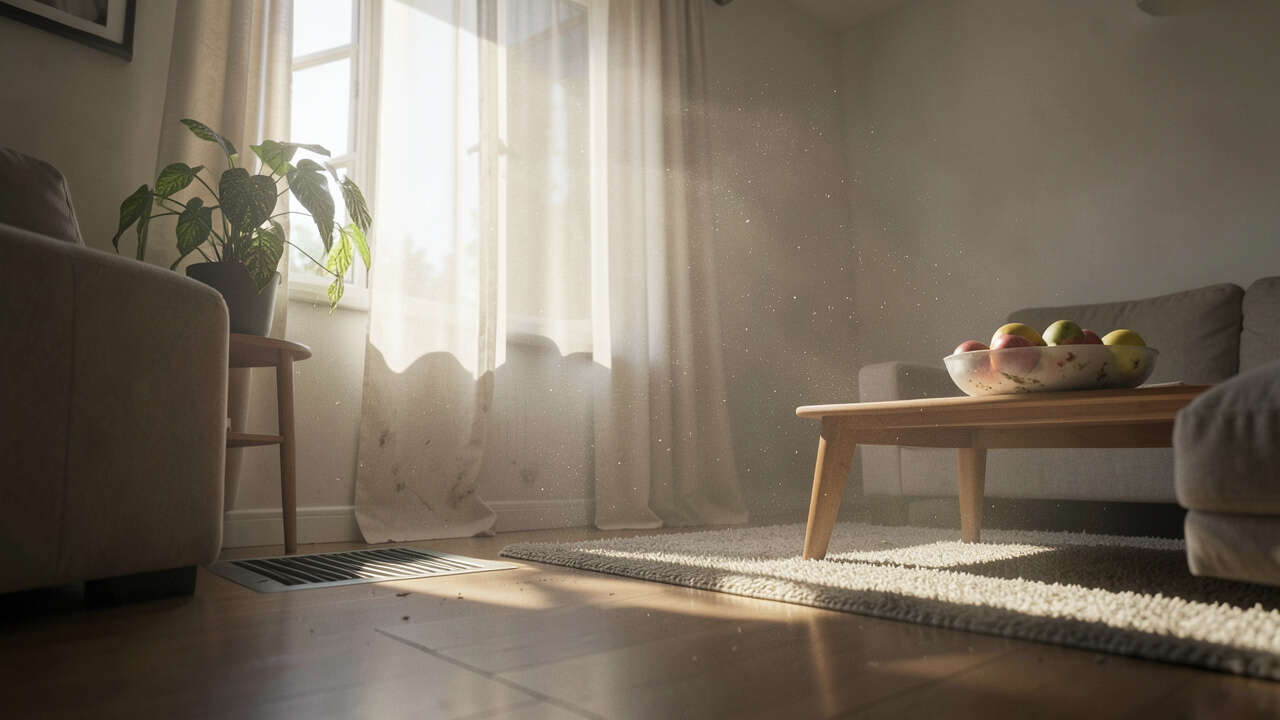
Air circulation is basically how fresh air moves around in your home. Good circulation means fresh air comes in, and stale air goes out. This keeps the air inside healthy and comfortable.
Damaged or missing insulation in attics and crawl spaces can disrupt air movement, causing temperature imbalances that mimic poor circulation.
To maintain healthy air circulation, ensure that fresh air enters and stale air exits regularly, preventing stuffy rooms and improving HVAC efficiency.
When air doesn’t move well, it can lead to stuffy rooms, stale smells, and even affect how well your heating and cooling works. It’s like a breath of fresh air for your whole house!
9 Causes of Poor Air Circulation
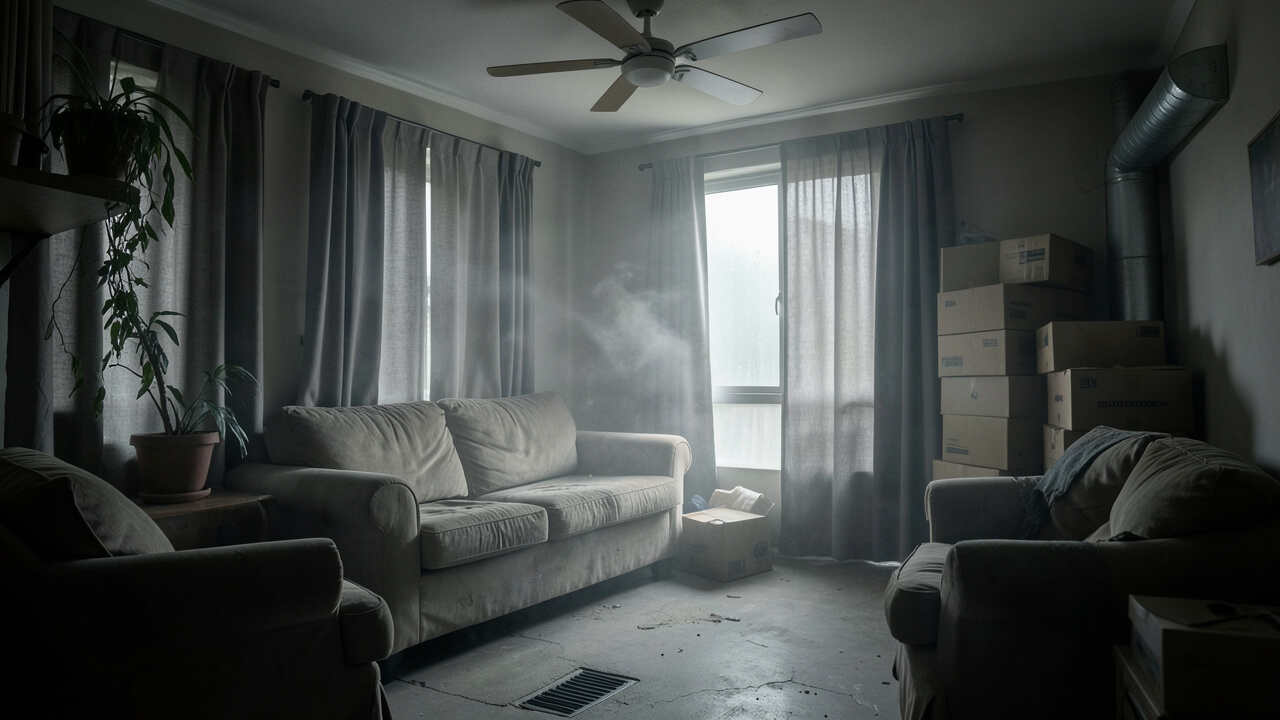
There are several reasons why air might not be flowing properly in your home. Let’s explore these common issues.
1. Blocked Vents and Registers
Your heating and cooling system uses vents and registers to push air into your rooms and pull it back out. If these are covered or blocked, the air can’t get through. This is a super common problem.
Furniture Placement
Big pieces of furniture, like sofas or shelves, can easily end up right in front of a vent. This stops the air from spreading into the room. Even a rug can sometimes cover a floor vent.
Drapes and Curtains
Long curtains or drapes can hang down and block wall vents. This prevents the warm or cool air from escaping into the living space. It’s an easy fix to just pull them back.
Clutter
Sometimes, we just pile things up. Boxes, toys, or other items can get placed in front of vents, especially floor vents. Clearing these away is a quick win for air circulation.
2. Closed Doors and Unopened Interior Doors
Doors act like barriers. When interior doors are kept shut, especially on different levels of a house, they can stop air from moving freely between rooms. Think of it like traffic jams for air.
Whole House Effect
If all the doors downstairs are closed, the air from the air conditioner or heater upstairs can’t easily reach them. This makes some rooms too hot or too cold.
Open-Concept vs. Closed Rooms
Homes with many separate rooms can have more air circulation issues than open-concept homes. Keeping key doors open helps air travel where it needs to go.
3. Poorly Placed Furniture in General
Beyond blocking vents, the way you arrange furniture can affect how air flows around a room. Large furniture pieces can create dead spots where air just doesn’t move well.
Obstructions to Airflow
If a large bookshelf is placed against a wall with a supply vent, it can redirect the airflow in unwanted ways. Air needs space to spread out.
Room Layout
The overall layout of your room matters. Placing furniture in a way that allows for open pathways helps air circulate more effectively. Think about creating ‘air corridors’.
4. Leaky Ducts
Your HVAC system uses ducts to move air from your furnace or air conditioner to every room. If these ducts have holes or gaps, precious conditioned air escapes before it even gets to you. This is a big energy waster and circulation killer.
Hidden Problems
Ducts are often in attics, crawl spaces, or inside walls, so leaks can be hard to spot. This makes it a challenging issue for beginners.
Consequences of Leaks
Leaky ducts mean less air reaches your rooms, making your system work harder. It also lets in unconditioned air, dust, and pollutants.
5. Lack of Ventilation
Homes need fresh air from the outside to replace stale indoor air. If there’s no good way for fresh air to come in and stale air to go out, circulation suffers.
Sealed Homes
Modern homes are often built to be very energy-efficient, which means they are well-sealed. While good for energy savings, this can trap stale air if not properly ventilated.
Natural vs. Mechanical Ventilation
Opening windows is natural ventilation. Mechanical ventilation uses fans, like bathroom or kitchen exhaust fans, to move air. Both are important.
6. Inadequate HVAC System Sizing or Design
Sometimes, the heating and cooling system itself isn’t the right size for the house, or it wasn’t designed to move air effectively to all areas. This can be a more complex issue.
Undersized Systems
A system that’s too small will struggle to push enough air throughout the entire house, leading to poor circulation in some areas.
Poor Duct Design
If the ductwork was designed poorly, some rooms might not get enough airflow even if the system is the right size. This can mean long, winding ducts with too many bends.
7. Clogged Air Filters
Your HVAC system has an air filter that catches dust and debris. When this filter gets dirty and clogged, it restricts airflow. This is one of the easiest things to check and fix.
Impact on Airflow
A dirty filter acts like a wall, making it harder for air to pass through. This reduces the amount of air your system can deliver to your rooms.
Regular Replacement
Checking and replacing your air filter regularly is key to good air circulation and system health.
8. Air Leaks and Drafts
While we talk about ventilation bringing fresh air in, uncontrolled air leaks can disrupt the intended flow of air. They can also let in outside air where you don’t want it.
Where Leaks Happen
Leaks can occur around windows, doors, electrical outlets, and where different building materials meet. These unintended openings can mess with how air moves within the system.
Impact on Comfort
These leaks can make some areas of your home drafty and others feel stagnant, contributing to uneven temperatures and poor circulation.
9. Poor Insulation
Insulation helps keep the temperature inside your home stable. When insulation is lacking or damaged, it can affect how air moves, especially in attics and crawl spaces, leading to temperature imbalances that feel like poor circulation.
Temperature Gradients
Poor insulation can create cold spots or hot spots, making it seem like air isn’t moving to equalize temperatures. This forces your HVAC system to work harder.
Attic and Crawl Space Issues
These areas are critical for maintaining overall home temperature. If they aren’t well-insulated, they can greatly impact air movement and comfort throughout the house.
Frequently Asked Questions
Question: Why is it important to have good air circulation?
Answer: Good air circulation helps keep the air in your home fresh, removes stale air and odors, prevents moisture buildup, and makes your heating and cooling systems work more efficiently. It leads to a more comfortable and healthier living environment.
Question: Can simple things like furniture really block airflow?
Answer: Yes, absolutely. Furniture placed directly in front of air vents or registers can significantly block the flow of heated or cooled air into a room, making that area less comfortable and affecting the overall circulation.
Question: How often should I check my air filters?
Answer: It’s generally recommended to check your air filters at least once a month and replace them every 1-3 months, depending on the type of filter and your home environment (e.g., pets, allergies). A clogged filter is a major cause of poor air circulation.
Question: What’s the difference between ventilation and air circulation?
Answer: Air circulation is the movement of air within your home. Ventilation is the process of exchanging stale indoor air with fresh outdoor air. Both are important for good indoor air quality.
Question: I have a room that’s always cold. Could it be poor air circulation?
Answer: Yes, a room that is consistently colder than others is often a sign of poor air circulation. This could be due to blocked vents, closed doors, issues with ductwork, or insufficient airflow being delivered to that specific area.
Final Thoughts
You’ve learned about the 9 Causes of Poor Air Circulation. From blocked vents and closed doors to leaky ducts and clogged filters, these issues affect how fresh air moves through your home. Simple steps like rearranging furniture, opening doors, and checking filters can make a big difference.
Addressing these causes helps your home feel more comfortable and your heating and cooling systems run better. You now have the knowledge to tackle common air circulation problems and create a more pleasant living space.