The five specific warning signs of poor outdoor planning include ignoring the weather forecast, inadequate gear checks, and underestimating time and distance. Overlooking these details often leads to unnecessary stress, discomfort, or safety risks, such as forgotten tent poles and unplanned overnight stays. Identifying these pitfalls early enables adventurers to make simple corrective actions, ultimately ensuring safer, smoother, and more enjoyable outdoor experiences.
Remember that time you packed for a camping trip, only to realize halfway up the mountain you forgot your tent poles? Or when a quick day hike turned into an unexpected overnight stay because you misjudged the sunset? These little hiccups are often the result of overlooking details.
This guide will help you spot the 5 warning signs of poor outdoor planning. By recognizing these pitfalls early, you’ll enjoy smoother adventures, spend more time actually doing fun things, and avoid those frustrating moments that can cut short your outdoor fun.
Key Takeaways
- Learn to identify signs that your outdoor plans might be falling short.
- Understand how a lack of preparation can lead to stressful situations outdoors.
- Discover simple ways to avoid common outdoor planning mistakes.
- Equip yourself with knowledge to make your next outdoor excursion more enjoyable.
- Recognize the importance of checking weather and gear before heading out.
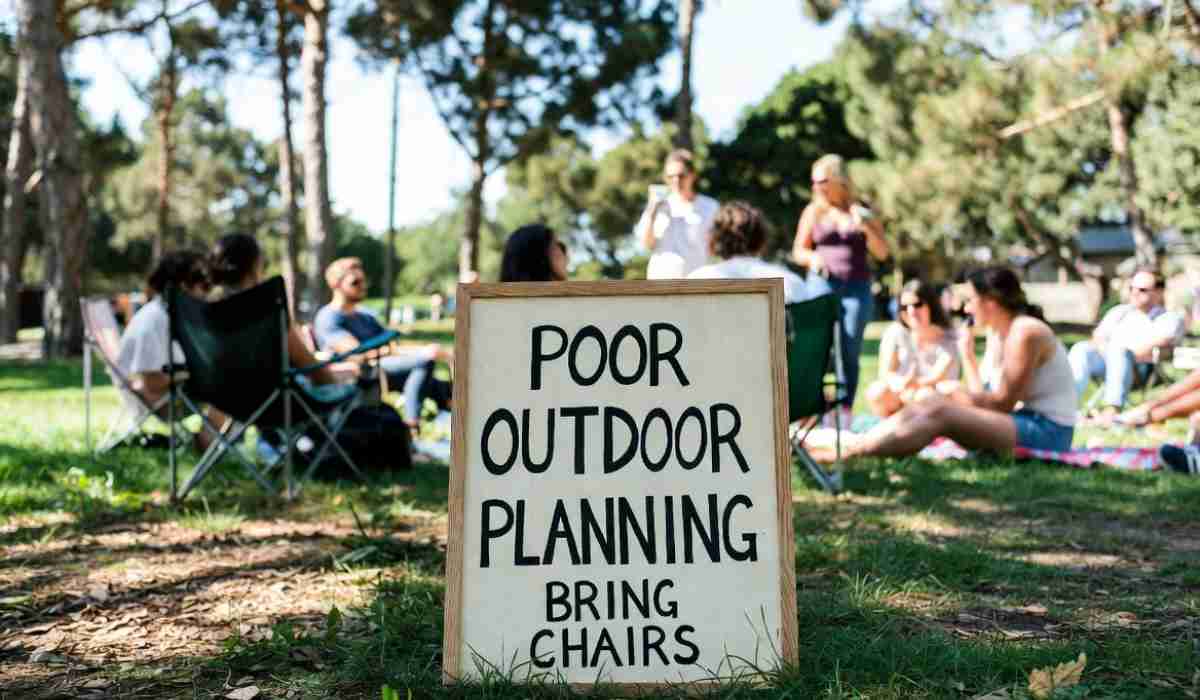
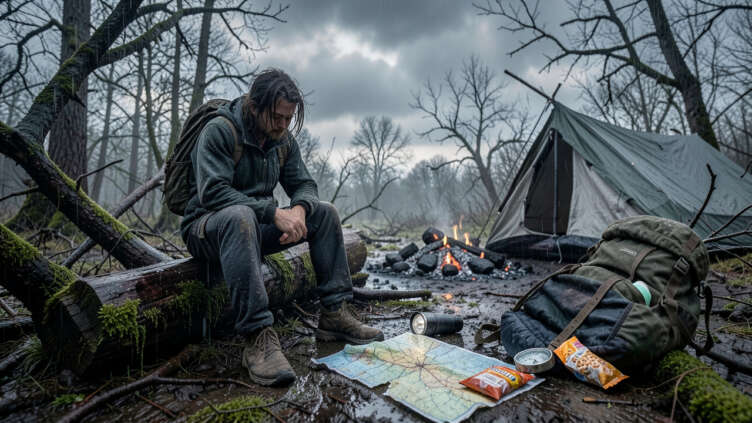
5 Warning Signs of Poor Outdoor Planning
Planning an outdoor adventure should be exciting, not a source of worry. Yet, many trips are marred by simple mistakes. These often stem from a lack of careful thought before leaving home.
Make a habit of checking your plan against these five warning signs before you leave.
Recognizing the 5 warning signs of poor outdoor planning is key to a better experience. Ignoring these signs can turn a fun day out into a challenging ordeal.
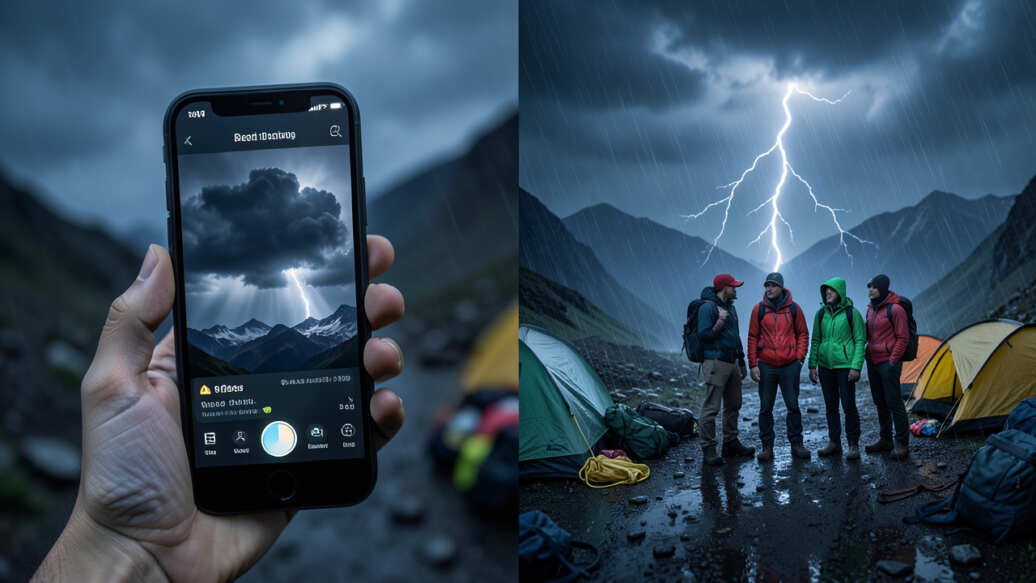
Sign 1: Ignoring the Weather Forecast
The weather is a powerful force outdoors. Acting like it doesn’t matter is one of the biggest planning errors. Even a short trip can be ruined by unexpected rain, strong winds, or sudden temperature drops.
This is especially true for activities like hiking, camping, or boating.
Why it’s a Problem
When you don’t check the weather, you risk being unprepared for anything. This can lead to being too cold, too hot, or caught in dangerous conditions. Hypothermia, heatstroke, and getting lost are real dangers.
Always check the extended forecast for your specific location and time of activity to avoid being caught off guard by sudden changes.
Plus, soggy gear and an unpleasant experience can make you want to stay inside for your next adventure.
How to Fix It
Always check the forecast for your specific location and time. Look at multiple sources if possible. Plan for a range of conditions, not just the best-case scenario.
Pack layers of clothing that can be added or removed. Carry rain gear even if the sky looks clear.
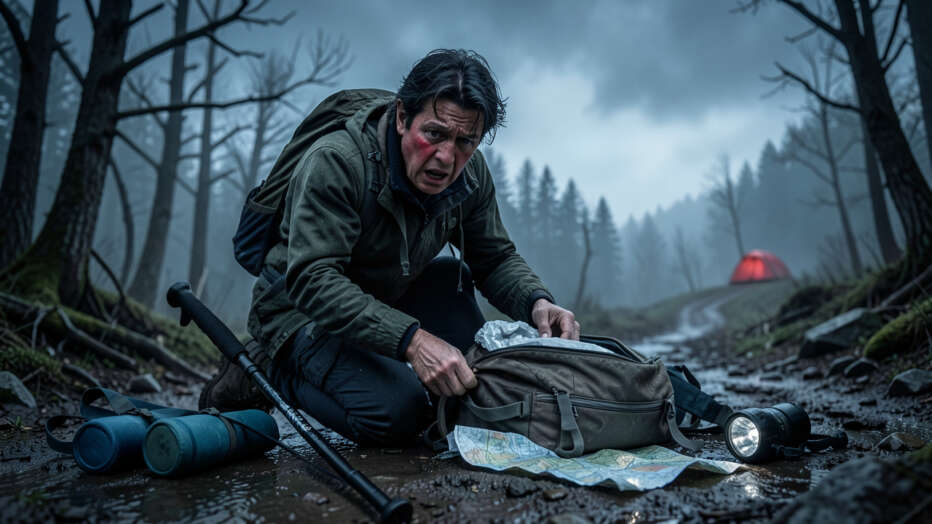
Sign 2: Inadequate Gear Check
Your gear is your lifeline outdoors. Showing up with worn-out equipment or missing essential items is a clear sign of poor planning. This isn’t just about comfort; it can be about safety.
Why it’s a Problem
A broken tent, a dull knife, or a flashlight with dead batteries can quickly turn a good time bad. You might find yourself unable to set up shelter, prepare food, or see in the dark. This forces you to improvise, which is often less safe and more stressful than being prepared.
Your gear is your lifeline; a single failure can escalate into a dangerous situation.
How to Fix It
Before any trip, go through your gear list. Test everything. Make sure your tent is intact, your stove works, your headlamp has fresh batteries, and your first-aid kit is stocked.
Replace old or damaged items. If you’re unsure about something, borrow or rent it instead of risking a failure.
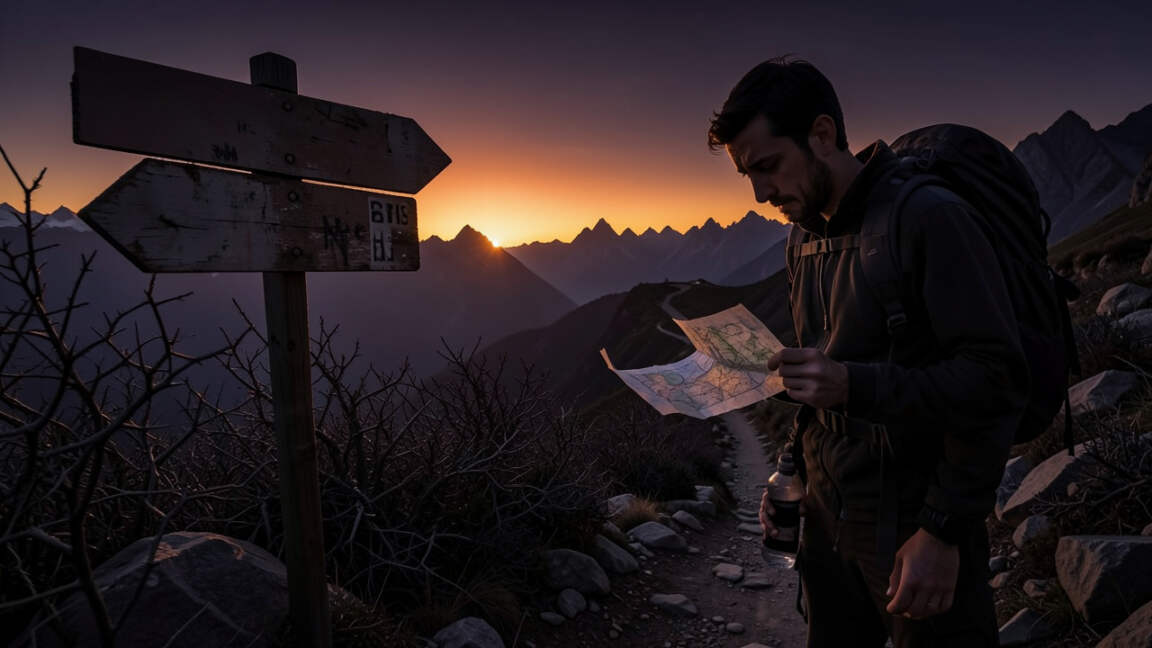
Sign 3: Underestimating Time and Distance
It’s easy to think a hike will take less time or a drive will be quicker than it actually is. Misjudging time and distance is a classic planning error that can lead to unwelcome surprises.
Why it’s a Problem
If you underestimate how long an activity will take, you might find yourself caught out after dark. This is dangerous for hiking and can lead to missed reservations or missed ferries. It can also lead to rushing, which increases the chance of accidents and makes the experience less enjoyable.
Always add a buffer to your estimated time for any outdoor activity to account for unexpected delays.
How to Fix It
Research your route. Use maps and GPS tools to get a realistic idea of distances. Factor in breaks, potential delays, and your own physical fitness.
It’s always better to finish early and have extra time than to be rushed or caught unprepared.
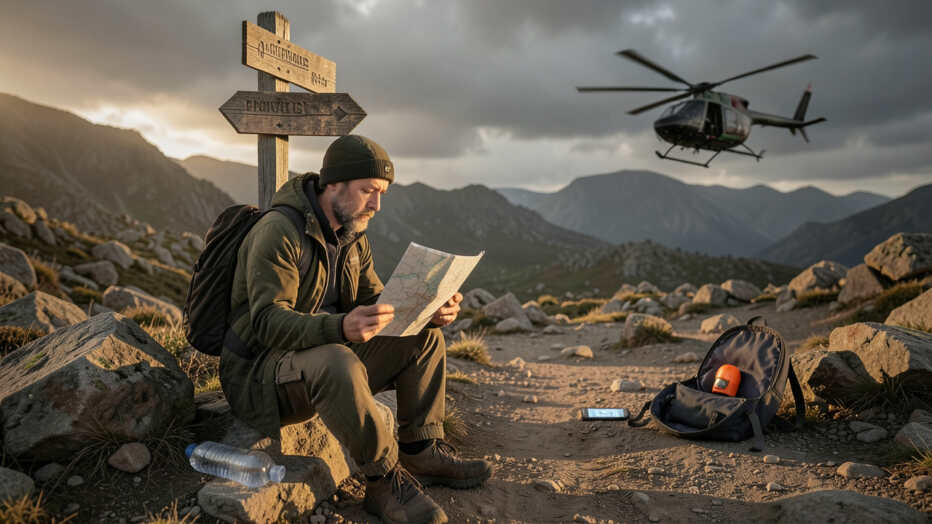
Sign 4: Not Informing Others of Your Plans
Going into the wilderness alone or with a small group can be liberating. However, failing to tell someone reliable where you’re going and when you expect to be back is a serious oversight.
Never enter the backcountry without leaving a detailed itinerary with a trusted contact person.
Why it’s a Problem
If something goes wrong, and you can’t call for help, having a contact person who knows your itinerary is vital. They can alert authorities if you don’t check in as planned. Without this information, rescuers have no starting point, and valuable time is lost.
How to Fix It
Always leave a detailed itinerary with a friend or family member. Include your route, expected return time, and who is with you. Agree on a check-in procedure.
This simple step can be a lifesaver.
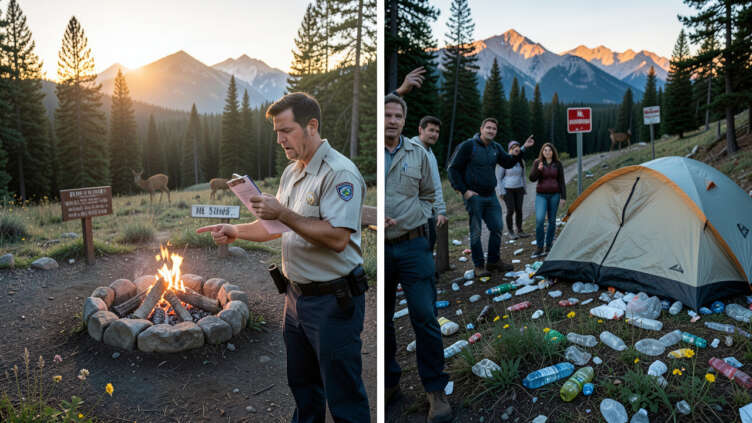
Sign 5: Ignoring Local Regulations and Etiquette
Every outdoor area has rules and customs. Disregarding them shows a lack of respect and can lead to penalties or harm to the environment.
Why it’s a Problem
You might accidentally trespass, damage sensitive habitats, or disturb wildlife. Ignorance of rules can lead to fines or being asked to leave. It also contributes to the degradation of the very places you came to enjoy, affecting future visitors.
Research local regulations thoroughly before your trip to avoid fines and protect the environment.
How to Fix It
Before you go, research the specific park, forest, or area. Check for fire restrictions, permit requirements, camping rules, and any specific guidelines for that location. Practice Leave No Trace principles.
Be mindful of other visitors and the natural surroundings.
Frequently Asked Questions of 5 Warning Signs Of Poor Outdoor Planning
Question: What is the most common mistake people make when planning outdoor trips?
Answer: A very common mistake is not checking the weather forecast thoroughly and preparing for a range of possible conditions.
Question: How can I make sure my gear is ready for an outing?
Answer: Before you leave, test all your important gear. Make sure things like flashlights work, batteries are fresh, and tents have no rips.
Question: Is it okay to hike alone if I don’t tell anyone?
Answer: It’s not recommended to hike alone without informing someone reliable about your plans, route, and expected return time.
Question: What does “Leave No Trace” mean?
Answer: Leave No Trace means taking all your trash with you, respecting wildlife, and minimizing your impact on the natural environment so it stays wild for others.
Question: How much time should I add for breaks when planning a hike?
Answer: A good rule of thumb is to add at least 10-15 minutes of break time for every hour of hiking, plus extra for meals.
Final Thoughts
Spotting the 5 warning signs of poor outdoor planning is your first step to better adventures. Don’t let a simple oversight spoil your fun. Always check the weather, pack the right gear, and know your route’s time and distance.
Let someone know where you are going. Respect local rules. These checks are small efforts that make a big difference.
They help ensure your trips are safe, enjoyable, and memorable for all the right reasons. Go out and explore with confidence!