The eight environmental factors that damage outdoor equipment are UV radiation, moisture and rain, wind and debris, temperature extremes, coastal salt air, pollution, biological elements like mold and mildew, and improper maintenance. Proactively addressing these factors with protective measures such as UV-resistant covers, moisture barriers, and regular cleaning significantly extends equipment lifespan. Understanding these specific threats enables owners to take targeted action to preserve their gear and avoid premature replacement.
Remember that time your favorite camping chair started to rust after just one rainy weekend? Or how about that brand-new grill that seemed to fade so quickly under the summer sun? It’s a common frustration for anyone who invests in outdoor gear.
But what if you knew exactly what to watch out for? Understanding the 8 Environmental Factors That Damage Outdoor Equipment can save you money and extend the life of your cherished items. This guide will help you protect your investments and enjoy them for longer, keeping your gear in top shape.
Key Takeaways
- You will learn how sun exposure weakens materials and causes fading.
- Rain and moisture are identified as major culprits in rust and rot.
- Wind and debris can cause physical damage and abrasive wear.
- Temperature extremes impact material flexibility and integrity.
- Salt exposure leads to corrosion, especially in coastal areas.
- Pollution breaks down surfaces and causes staining.
- Biological factors like mold and mildew attack organic materials.
- Proper maintenance is key to mitigating environmental damage.
Investing in outdoor equipment means wanting it to last. Whether it’s for your patio, garden, or adventures, these items are exposed to the elements constantly. Sadly, nature’s forces can take a toll, leading to wear and tear, fading, and even structural damage.

This post explores the 8 Environmental Factors That Damage Outdoor Equipment. Knowing these threats helps you take steps to protect your gear.
The Sun’s Harsh Glare: UV Radiation
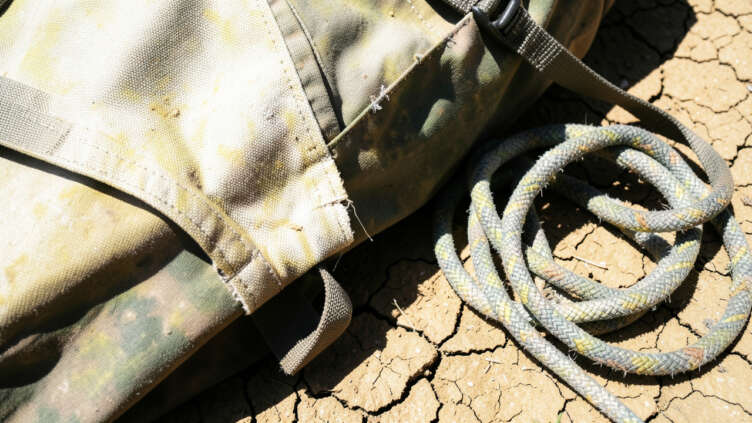
The sun is a double-edged sword. While we enjoy its warmth, its ultraviolet (UV) rays are a significant threat to outdoor items. UV radiation breaks down the chemical bonds in many materials.
This causes them to become brittle, crack, and fade. Think about plastic furniture left out for years; it often becomes chalky and weak. Fabrics lose their color and strength.
When purchasing outdoor equipment, actively seek out materials labeled with UV inhibitors to significantly slow down fading and brittleness from sun exposure.
Even metal can be affected, with paint finishes degrading over time, exposing the underlying material.
Protecting Against UV Rays
Covering items when not in use is the best defense. UV-resistant sprays can also offer some protection for fabrics. Choosing materials specifically designed for outdoor use, which often have UV inhibitors, is also a smart move.
The Silent Killer: Moisture and Rain
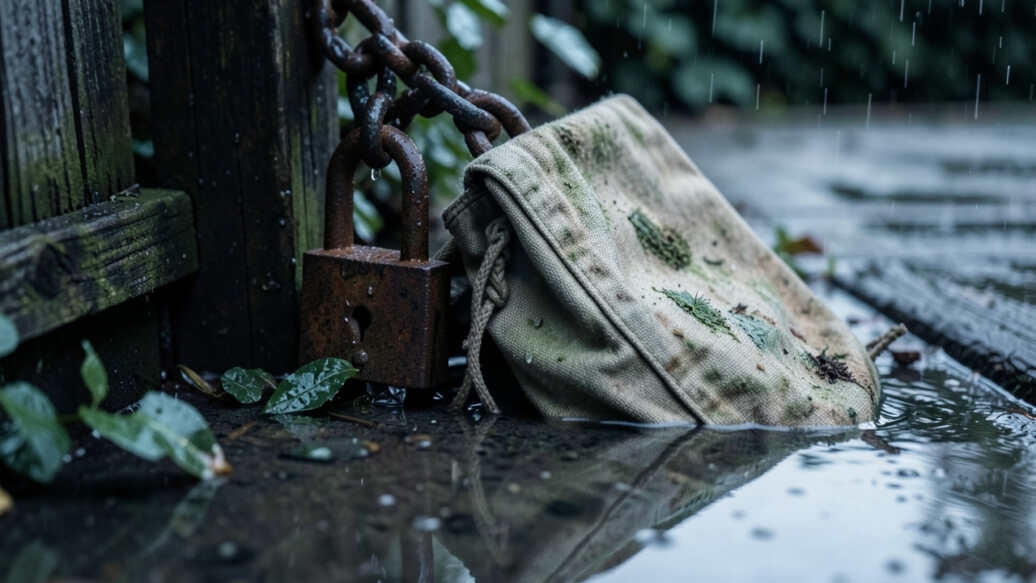
Water seems harmless, but prolonged exposure can wreak havoc. Rain can lead to rust on metal components of grills, chairs, and tools. For wooden items, moisture causes them to rot, warp, and become susceptible to insect infestation.
Regularly drying cushions and fabric covers thoroughly after rain is a critical expert-recommended step to prevent mold, mildew, and premature material breakdown.
Even fabrics can develop mold and mildew if they stay damp for too long, leading to unpleasant odors and material breakdown.
Battling Dampness
Ensure good drainage around outdoor furniture and structures. For items that can be moved, store them in a dry place when not in use. Quick drying after rain is also important, especially for cushions and fabric covers.
The Force of Nature: Wind and Debris
Wind can be more than just a nuisance. Strong gusts can blow unsecured items around, causing them to fall, scrape against surfaces, or collide with other objects. This can lead to dents, scratches, and broken parts.
Unsecured outdoor items are at the mercy of even moderate wind, which can hurl them into each other and cause dents, scratches, and breakage.
Wind also carries sand, dust, and other small particles that act like fine sandpaper, abrading surfaces over time. This wear can dull finishes and weaken materials.
Taming the Wind
Anchor lighter items securely. Use furniture covers that fit snugly to prevent wind from getting underneath. Regularly check that all components are tightly fastened.
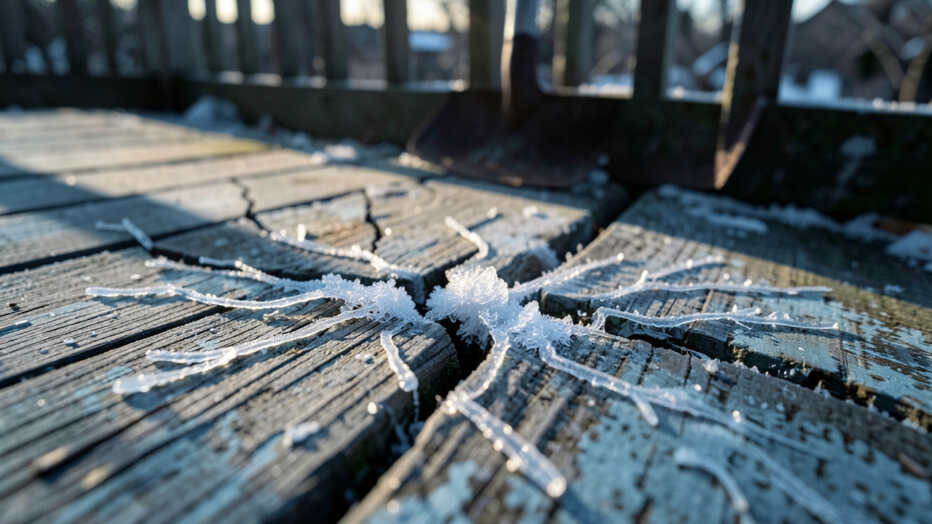
The Freeze and Thaw Cycle: Temperature Extremes
Sudden changes in temperature can stress materials. Extreme cold can make plastics and rubber brittle, increasing the risk of cracking. Extreme heat, especially when combined with direct sunlight, can accelerate the breakdown of polymers and paints.
To protect plastics and paints, store sensitive items in shaded or temperature-controlled areas during peak heat to minimize thermal stress and cracking.
The freeze-thaw cycle is particularly damaging for porous materials like concrete or unsealed wood. Water seeps into small cracks, freezes, expands, and widens the cracks, leading to significant damage over time.
Managing Temperature Swings
Store sensitive items indoors during harsh winter months or extreme heat waves. Insulating materials can help some items withstand temperature fluctuations.
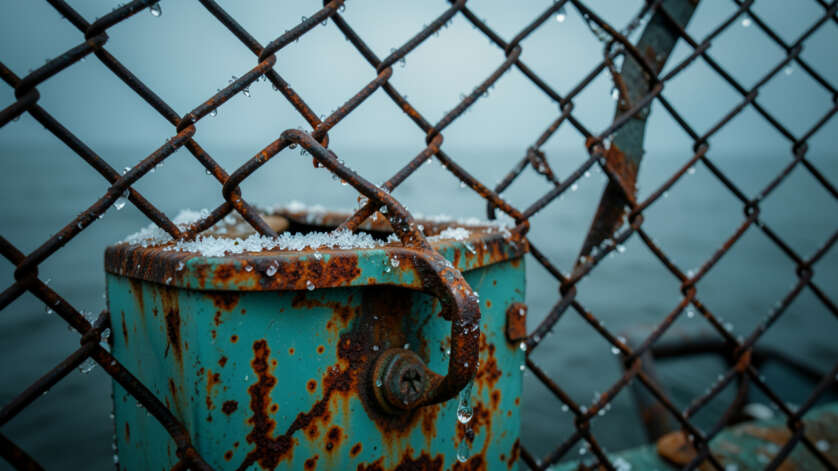
The Salty Air: Coastal Corrosion
If you live near the coast, salt in the air is a major enemy of metal equipment. Salt particles are highly corrosive. They accelerate the rusting process on steel and can even degrade aluminum and other metals over time.
Coastal residents must take extra caution: salt particles rapidly accelerate rust on steel and can even degrade aluminum, leading to hidden structural failure.
This can lead to pitting, weakening, and eventual failure of metal components. Salt can also build up on fabrics and plastics, making them stiff and prone to damage.
Defending Against Salt
Regularly wash down metal items with fresh water to remove salt residue. Applying protective coatings or waxes can create a barrier against salt exposure.
The Invisible Threat: Air Pollution
Air pollution, including smog and industrial emissions, contains chemicals that can degrade outdoor materials. Acid rain, a result of air pollution, can etch surfaces and break down protective coatings. Soot and grime from pollution can also settle on equipment, causing staining and making surfaces dull.
Regular cleaning with fresh water is an expert-recommended defense against the etching and staining effects of acid rain and airborne pollutants.
These contaminants can weaken the material structure and affect its appearance.
Clearing the Air for Your Gear
Regular cleaning is essential to remove pollutants before they cause lasting damage. Using sealants on surfaces can also provide an extra layer of defense.
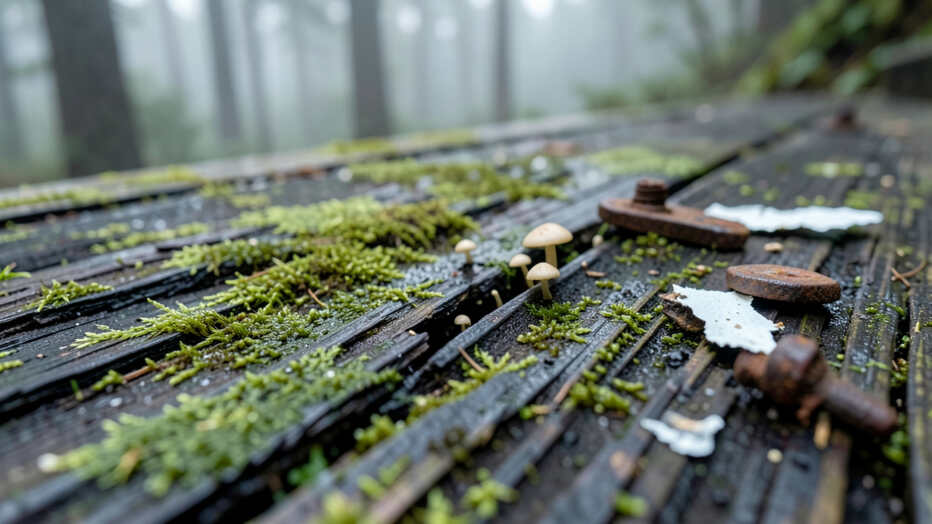
The Growing Problem: Biological Factors
Mold, mildew, algae, and even bird droppings can cause problems for outdoor gear. These biological agents thrive in damp, shaded conditions. Mold and mildew can eat away at organic materials like wood and fabrics, leading to rot and discoloration.
Even bird droppings are a hidden threat—their acidic composition can etch and stain outdoor surfaces if left untreated.
Algae can make surfaces slippery and unsightly. Bird droppings are acidic and can etch or stain surfaces if left untreated.
Keeping Biological Growth at Bay
Ensure good air circulation around your equipment. Promptly clean off any signs of mold, mildew, or droppings. Consider using anti-mildew treatments for fabrics.
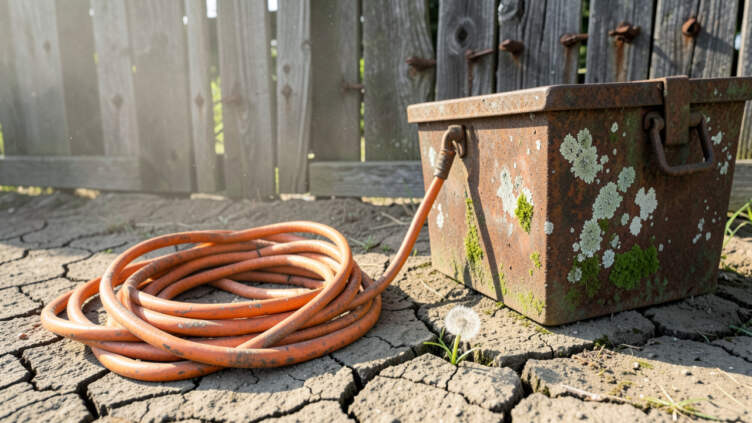
The Cumulative Effect: Wear and Tear
Beyond specific environmental factors, the constant exposure to the elements leads to general wear and tear. Small scratches accumulate, finishes dull, and materials slowly lose their original strength and flexibility. This is an ongoing process, but understanding its components helps you address them before they become major issues.
Conduct regular inspections and promptly repair minor issues to prevent small scratches and dull finishes from evolving into major structural problems.
Slowing Down the Aging Process
Regular inspections and prompt repairs are key. Addressing small issues before they grow helps maintain the overall integrity of your equipment.
Frequently Asked Questions of 8 Environmental Factors That Damage Outdoor Equipment
Question: How can I protect my patio furniture from rust?
Answer: Regularly clean metal furniture with mild soap and water to remove dirt and salt. Apply a rust-inhibiting primer and a quality outdoor paint or sealant. For items that can be moved, store them in a dry place during wet seasons.
Question: What is the best way to prevent sun damage to outdoor cushions?
Answer: Use cushions made with UV-resistant fabric. Store them indoors or under a covered patio when not in use, especially during peak sun hours. Consider using furniture covers that also block UV rays.
Question: My wooden deck is starting to show signs of rot. What can I do?
Answer: Ensure the deck has good drainage and air circulation. Clean it thoroughly and apply a quality wood sealant or stain designed for outdoor use. Repair any damaged or rotten boards immediately.
Question: How does salt air damage outdoor equipment?
Answer: Salt particles in the air are corrosive to metals, causing them to rust and pit faster. It can also make fabrics feel stiff and brittle. Washing with fresh water removes salt deposits.
Question: Can temperature extremes really damage plastic outdoor items?
Answer: Yes, extreme cold can make plastic brittle and prone to cracking. Extreme heat can weaken and warp some types of plastic. Storing items indoors during very hot or cold periods helps preserve them.
Final Thoughts
Protecting your outdoor gear from the environment is straightforward. Sun fades colors and weakens materials. Rain causes rust and rot.
Wind and debris cause scratches. Temperature extremes make things brittle or warp them. Salt air corrodes metal.
Pollution breaks down surfaces. Mold and mildew attack organic matter. Simple steps like covering items, cleaning them regularly, and storing them properly make a big difference.
These actions extend the life of your equipment, saving you money and keeping everything looking good.