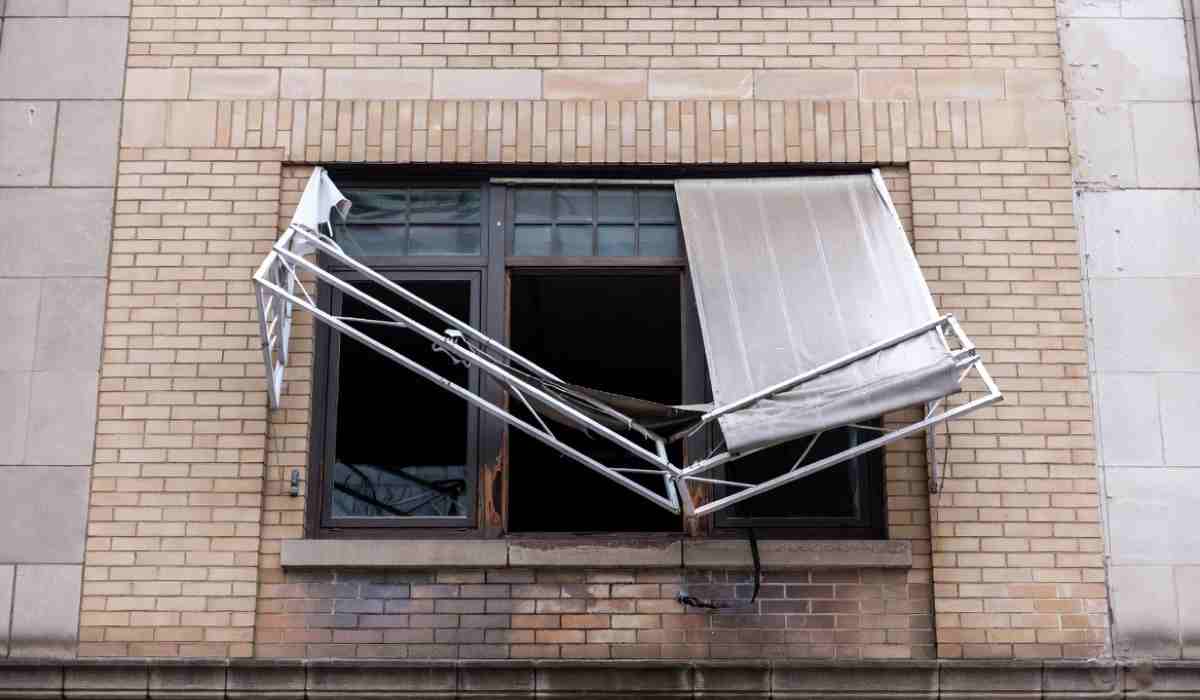

The eight primary causes of awning damage are harsh weather including wind, rain, sun, and snow, along with poor installation, lack of maintenance, and physical impacts from accidents. Understanding these specific risks helps property owners take targeted preventive actions that extend their awning's lifespan and appearance. Regular inspections, proper cleaning, and prompt repairs directly address the most common failures, preventing costly replacements and preserving outdoor comfort.
Awnings give us shade and make our outdoor spaces nicer. But sometimes, they get damaged. You might be worried about what can go wrong with yours.
Learning about the 8 Causes of Awning Damage doesn’t have to be hard. We’ll look at common problems and how to spot them. After this, you’ll feel much more confident about keeping your awning in good shape.
We’ll guide you through everything step-by-step.
Key Takeaways
- You will learn about common ways awnings get damaged.
- We will explain how weather can harm your awning.
- You will discover how poor installation can cause problems.
- We will cover how to prevent physical damage.
- You’ll get tips on keeping your awning looking its best.
- Learn about simple maintenance that saves trouble later.
Understanding Why Awnings Get Damaged
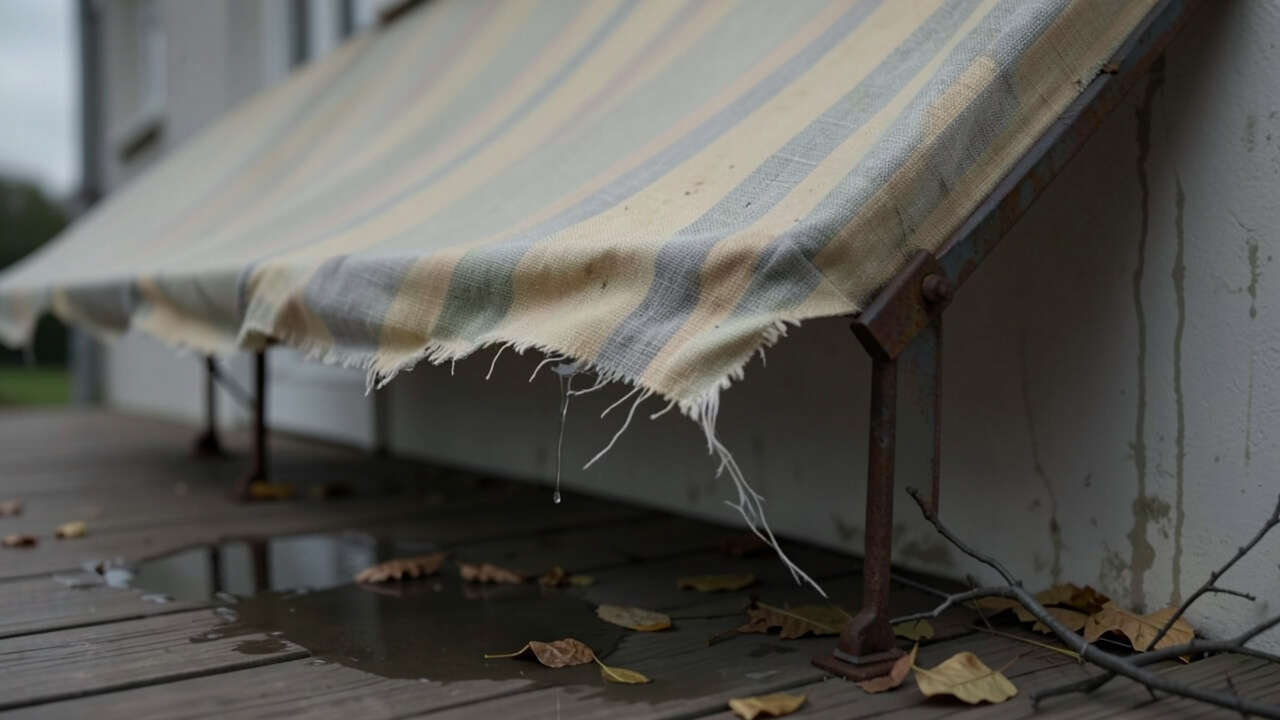
Awnings are great for enjoying the outdoors. They provide shade and can really improve how your home or business looks. However, like anything left outside, they can experience wear and tear.
Wind acts like a sail on an awning, and even moderate but persistent gusts can stress stitching and fabric over time.
Knowing basic maintenance routines can prevent most common awning issues and extend its lifespan.
Knowing what can cause damage helps you protect your investment. It’s not about being an expert; it’s about knowing the basics to keep your awning looking good and working well for a long time.
The Main culprits: 8 Causes of Awning Damage
1. Harsh Weather: Wind
Wind is a big one for awnings. Strong gusts can catch the fabric and lift it. This can tear the material or even bend or break the frame.
If an awning is not secured properly, wind can turn a gentle breeze into a problem. Even winds that don’t seem too strong can cause damage if they are constant and push against the awning.
When the wind gets under the awning, it acts like a sail. This force can be very powerful. Over time, this repeated stress weakens the stitching and the fabric.
It can also put a lot of strain on the mounting hardware. If you have a retractable awning, leaving it out in high winds is a major risk. Always retract it when you expect strong winds.
2. Harsh Weather: Rain and Water
Rain might seem harmless, but too much water can cause problems. If your awning doesn’t drain well, water can pool on the fabric. This makes the fabric sag.
If the sag gets too bad, it can stretch the material permanently. It can also add a lot of weight, which stresses the frame and mounting. In freezing temperatures, this pooled water can freeze and expand, damaging the fabric.
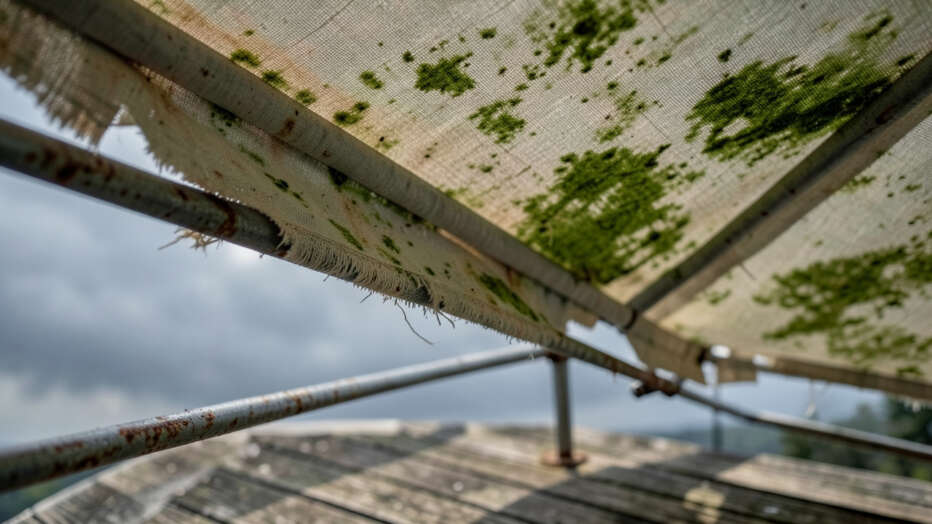
Standing water also encourages mold and mildew growth. This can stain the fabric and make it smell bad. It also weakens the material over time.
Proper sloping of the awning is important so water runs off easily. Regular cleaning helps prevent blockages in drainage channels.
3. Harsh Weather: Sun and UV Rays
Sunlight is what awnings are made to block, but prolonged exposure can still harm them. The sun’s ultraviolet (UV) rays can break down the fabric over time. This causes the color to fade.
It also makes the fabric brittle and weak. It might start to crack or tear more easily, especially at the seams.
The material itself can degrade. Some fabrics have UV-resistant coatings, but these can wear off. The constant beating of the sun can lead to a shortened lifespan for the awning.
Protecting the fabric from direct sun when not in use, if possible, can help. Storing retractable awnings when not needed also shields them from the sun.
4. Harsh Weather: Snow and Ice
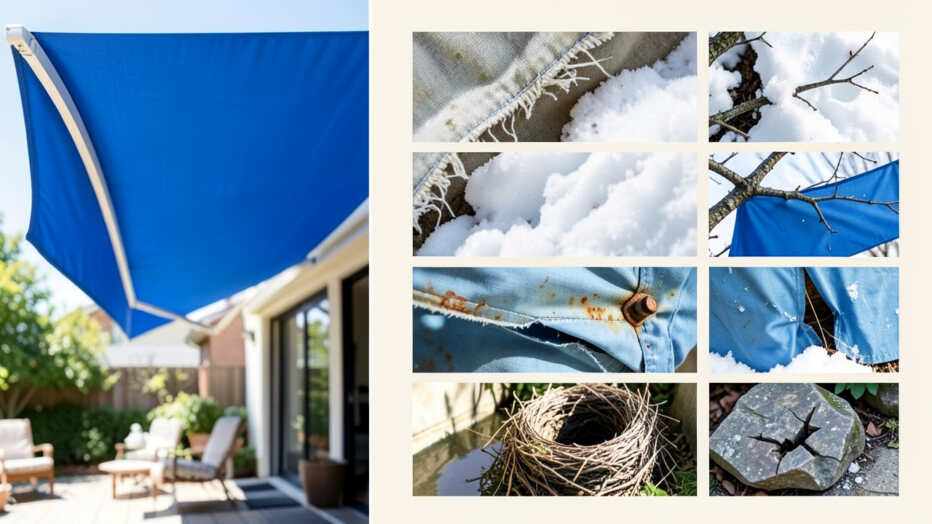
Heavy snow can be a major cause of damage. The weight of accumulated snow can be far more than the awning’s frame is designed to handle. This can cause the frame to bend, warp, or even collapse.
Ice build-up adds even more weight and can stress the fabric and structure. If snow and ice are allowed to build up, it’s a recipe for disaster.
It’s important to remove heavy snow as soon as it accumulates. Be careful not to damage the fabric or frame while doing this. Never try to chip away ice; use gentler methods like allowing it to melt.
For awnings in areas with heavy snowfall, consider awnings designed for winter conditions or retracting them during snowy periods.
5. Poor Installation
How an awning is put up is very important. If it’s not installed correctly, it’s prone to damage. This includes using the wrong hardware, not securing it to strong structural points, or not having the right slope.
A poorly installed awning can loosen over time. This can lead to swaying, which stresses the connections and the awning itself.
A crooked installation can cause uneven wear on the fabric and frame. It can also prevent proper water drainage, leading to pooling. It’s always best to have awnings installed by professionals.
They know the right methods and materials to ensure the awning is safe and durable. If you’re doing it yourself, follow instructions very carefully and check for stability.
6. Lack of Maintenance
Like any outdoor item, awnings need regular care. Not cleaning them or checking them can lead to problems. Dirt, leaves, and debris can clog drainage channels, causing water to back up.
Small tears can get bigger if not fixed promptly. Stains from mold or dirt can become permanent if left untreated.
Awnings are exposed to the elements constantly. Regular checks can catch small issues before they become big problems. Look for loose screws, worn fabric, or a strained frame.
A simple wipe-down can prevent build-up of grime. A little effort in maintenance goes a long way in preventing damage and extending the life of your awning.
7. Physical Impact and Accidents
Sometimes, damage happens unexpectedly. This can be from things like a falling branch, a misplaced ladder, or even a ball kicked too high. These impacts can puncture the fabric, dent the frame, or break components.
While these are often accidents, being aware of potential hazards can help prevent them.
For instance, trimming trees that hang over your awning can reduce the risk of falling branches. Being mindful of activities happening around the awning area can prevent accidental hits. If your awning is in a high-traffic area, consider its placement and potential for bumps.
8. Material Degradation and Wear
Over time, all materials wear out. Awning fabric can lose its strength. The stitching can fray.
Metal parts can rust. Plastic components can become brittle. This is a natural process, but certain conditions speed it up.
Exposure to chemicals, constant moisture, or extreme temperature changes can accelerate this wear.
Choosing high-quality materials when buying an awning can help. Different fabrics have different lifespans and resistances to wear. Even the best materials will eventually degrade.
Regular inspection is key to noticing when materials are weakening. This allows for timely repairs or replacement before a small issue becomes a major failure.
Frequently Asked Questions
Question: How often should I clean my awning?
Answer: You should aim to clean your awning at least twice a year, ideally in the spring and fall. A quick wipe-down every few months can also help prevent grime buildup.
Question: Can I leave my awning out in light rain?
Answer: Yes, most awnings are designed to withstand light to moderate rain. However, if the rain becomes heavy or if wind is present, it’s best to retract it to prevent damage.
Question: What is the best way to remove mold from my awning?
Answer: You can use a mild soap and water solution or a specific awning cleaner. Gently scrub the affected area and rinse thoroughly. Always test a small, hidden area first.
Question: My awning fabric is fading. Can this be fixed?
Answer: Fabric fading due to UV exposure is usually permanent. However, applying a fabric protector can help prevent further fading and degradation.
Question: What should I do if my awning frame looks bent?
Answer: Do not use the awning if the frame is bent. This indicates structural weakness. Contact a professional awning repair service immediately to assess and fix the damage.
Final Thoughts
Keeping your awning in good shape means knowing what can harm it. We explored how wind, rain, sun, and snow can cause damage. You also learned why proper installation and regular upkeep are so important.
Even accidental bumps and the natural wear of materials play a role. By paying attention to these 8 Causes of Awning Damage, you can take simple steps to protect your awning. This helps it last longer and look great, so you can enjoy your outdoor space without worry.