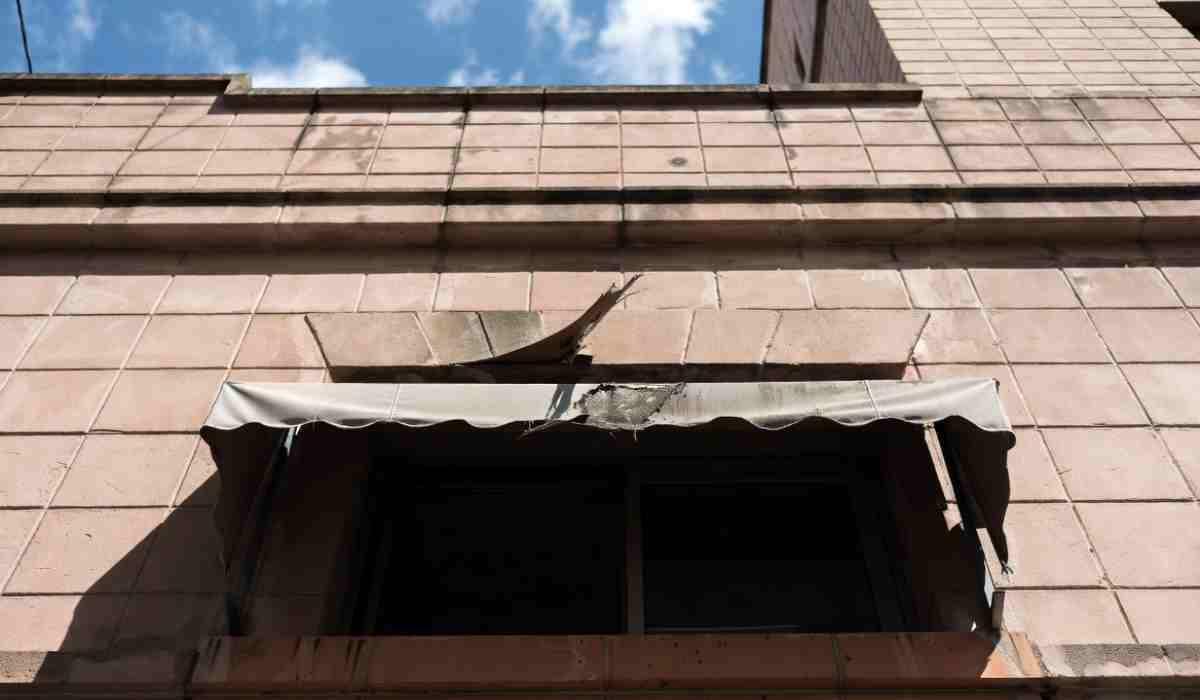

Poor awning installation leads to eight distinct problems that compromise both the awning's function and home safety. These issues include water leaks, structural damage, improper drainage, and reduced lifespan, often caused by incorrect mounting or angle. Proper installation ensures effective shade, secure attachment, and long-term durability, preventing costly repairs and safety hazards.
Putting up an awning can seem simple, but getting it wrong can lead to big headaches. Many people find that installing an awning themselves, especially for the first time, can be tricky. There are some common issues that pop up if things aren’t done just right.
Don’t worry, though! We’re going to walk through the 8 Problems Caused by Poor Awning Installation. We’ll break it down simply, step by step.
First, let’s look at what can go wrong and why it matters.
Key Takeaways
- Poor awning installation can cause leaks and water damage to your home.
- Incorrect mounting can lead to the awning becoming loose or falling.
- Wrongly angled awnings may not drain water properly, causing pooling.
- Bad installation can make your awning look uneven or unfinished.
- Secure attachment is key to preventing wind damage to the awning and your property.
- Proper installation ensures the awning’s longevity and its intended function.
Why Awning Installation Matters
An awning is more than just a shade provider. It’s an addition to your home that can add comfort and style. However, its effectiveness and safety depend a lot on how well it’s put up.
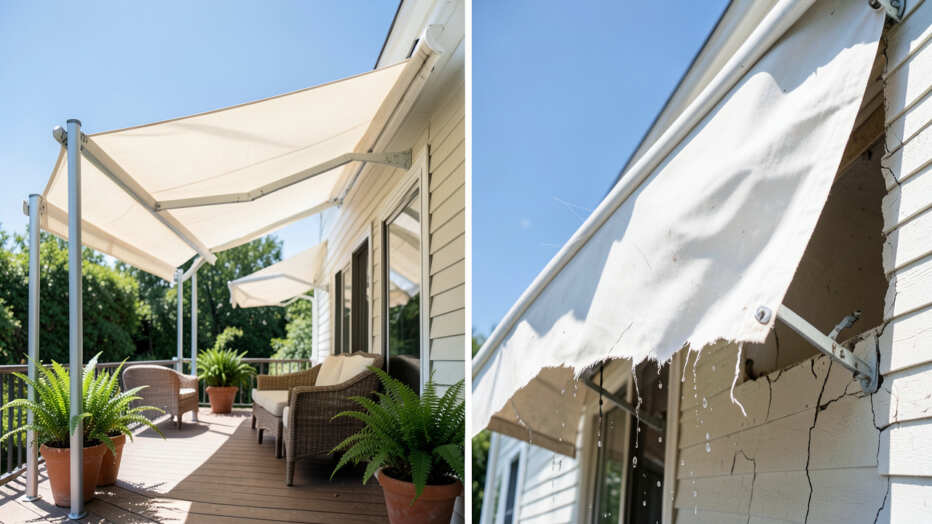
Water leaks are the most common sign of poor installation, often originating from improperly sealed mounting brackets.
Always ensure that the awning is sealed correctly against your home's wall to prevent water damage and structural issues over time.
When an awning isn’t installed correctly, it can create a range of problems that go beyond just looking bad. These issues can affect your home’s structure, your belongings, and even your safety. Understanding these potential problems is the first step to avoiding them.
The 8 Problems Caused by Poor Awning Installation
1. Water Leaks and Damage
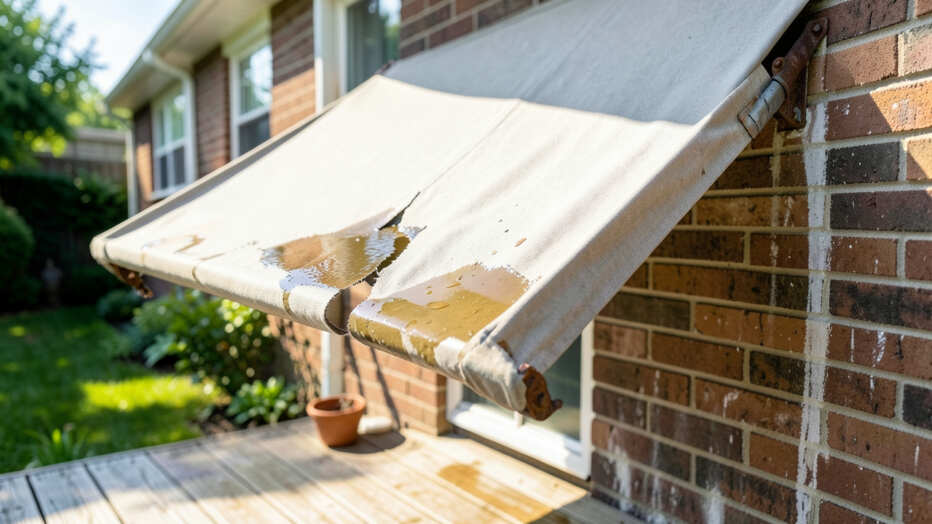
One of the most common issues from a poorly installed awning is water getting where it shouldn’t. If the awning isn’t sealed properly against your home, rain can find its way in. This can happen around the mounting points or along the edge where the awning meets the wall.
Over time, this can lead to water stains on your walls or ceiling. It can even cause mold and mildew to grow, which is bad for your health and your home’s structure.
The mounting brackets are often the weak spots. If these aren’t attached with the right fasteners or sealed with waterproof caulk, water can seep behind them. This is especially true for older homes or homes with siding that might be brittle.
Even a small gap can let in enough water to cause trouble over months or years.
2. Loose or Falling Awning
An awning needs to be securely attached to your home. If the mounting hardware isn’t strong enough, or if it’s not screwed into solid framing, the awning can become loose. This is dangerous.
A loose awning can sway in the wind, putting stress on the mounting points. In extreme cases, it can even detach and fall, causing damage to property or injury to people below.
This problem often happens when installers don’t find the wall studs or use anchors that aren’t suitable for the weight of the awning and the forces it will face from wind and weather. They might just attach it to siding or fascia, which isn’t strong enough to hold it long-term.
3. Improper Water Drainage
Awnings are designed to shed water. They usually have a slight slope so rain runs off. If an awning is installed too flat or with the wrong angle, water won’t drain properly.
This can cause a pool of water to form on top of the awning. This standing water adds weight, which can strain the frame and mounting. It also increases the risk of leaks because the water sits there longer.
A properly sloped awning ensures water flows away from the house and onto the ground. When this doesn’t happen, that collected water can also overflow down the sides of your house, leading to water damage to your siding or foundation over time. It’s a simple physics issue that a good installation handles correctly.
4. Uneven or Unsightly Appearance
Nobody wants an awning that looks crooked or out of place. Poor installation can result in an awning that hangs unevenly. This might mean one side is lower than the other, or the fabric is stretched out of shape.
This not only looks bad but can also affect how the awning functions. For example, an uneven awning might not provide shade effectively.
This visual issue can stem from not using a level during installation, or not taking careful measurements. It can make the whole house look a bit neglected. It’s a sign that the job wasn’t done with care and attention to detail, which can make you wonder about other aspects of the installation.
5. Structural Strain and Damage to Home
When an awning is installed incorrectly, it can put undue stress on the wall of your house. If the mounting brackets are too close together, or if they are not anchored into strong structural supports within the wall, the weight of the awning and the forces from wind can cause damage. This can manifest as cracks in the siding, damage to the wall sheathing, or even bowing of the wall itself over time.
This is a more serious consequence that requires repair work on your home’s structure.
The materials of your home’s wall also play a role. Brick, wood, stucco, and vinyl siding all require different mounting techniques. Using the wrong method for your home’s material can compromise its integrity.
A professional installer knows these differences. They will ensure the awning is anchored to the building’s frame, not just the outer layer.
6. Ineffective Shade or Protection
The main reason to get an awning is for shade and protection from the sun and rain. If it’s installed at the wrong height or angle, it might not provide the shade you expect. It could be too high to block the sun effectively, or it might be angled in a way that lets sun in from the sides.
Similarly, if it’s not extended properly or if the fabric is sagging, it won’t offer good protection from rain.
This means you’re not getting the full benefit of your awning. It might look nice, but it’s not doing the job it was bought for. Proper positioning is key to maximizing its functionality.
This includes considering the angle of the sun at different times of the day and year.
7. Reduced Lifespan of the Awning
Awnings are made to last, but poor installation can shorten their life. When an awning is constantly stressed due to improper mounting, or when it’s subjected to pooling water that weakens the fabric or frame, it will wear out faster. The materials can degrade quicker when they are not supported correctly or are exposed to unnecessary strain.
This means you might have to replace your awning sooner than you would if it were installed properly. It’s an upfront cost that can turn into a recurring expense if the initial installation is flawed. Investing in a good installation saves money in the long run by protecting your awning.
8. Safety Hazards
The most critical problem caused by poor awning installation is safety. As mentioned, a falling awning can cause serious injury. However, there are other safety concerns too.
If the awning is installed too close to an entrance, it could create a tripping hazard. If the mounting hardware isn’t flush with the wall, sharp edges could be exposed. Also, if the awning interferes with emergency exits or windows, it can be a safety issue in case of fire or other emergencies.
Beyond the physical structure, if the awning installation involves electrical components for retractable models, faulty wiring from a bad installation can lead to electrical hazards. Ensuring all parts are secure, correctly positioned, and properly fastened is paramount for everyone’s safety.
Frequently Asked Questions
Question: What is the most common problem with poor awning installation?
Answer: The most common problems are water leaks and the awning becoming loose, which can lead to more serious issues.
Question: Can a poorly installed awning damage my house?
Answer: Yes, it can cause water damage, cracks in siding, or even structural strain on your walls.
Question: How can I tell if my awning is installed incorrectly?
Answer: Look for signs like leaks, uneven hanging, visible sagging, or if it feels loose when you push on it.
Question: Is it worth hiring a professional to install an awning?
Answer: Yes, professionals have the tools and knowledge to ensure a safe and proper installation, preventing most common problems.
Question: What happens if water pools on my awning?
Answer: Pooling water adds extra weight, which can strain the awning and its supports, and increases the chance of leaks.
Final Thoughts
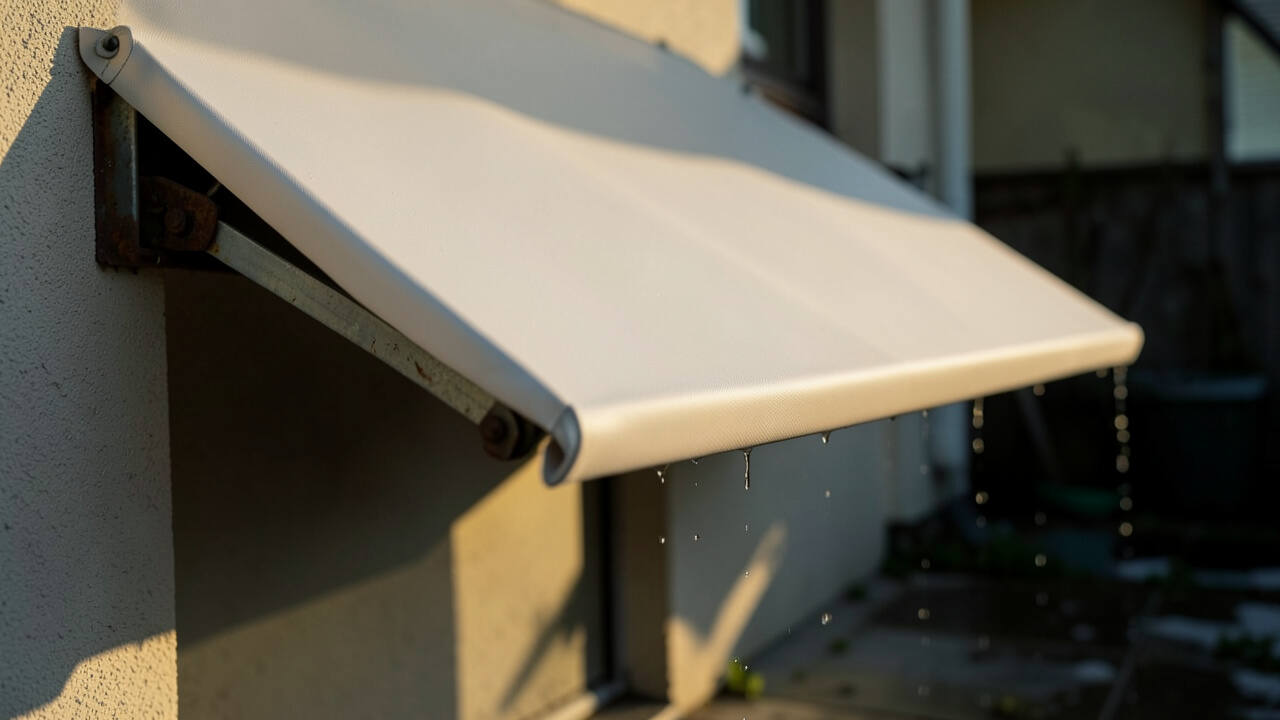
Properly installing an awning prevents a lot of trouble. You avoid leaks that damage your home and avoid the risk of the awning falling. A well-installed awning drains water correctly and looks good.
It also lasts longer and provides the shade you expect. Making sure it’s attached securely keeps everyone safe. Taking the time for good installation ensures your awning is a useful and safe addition to your home.