
Weather stations require calibration when readings consistently diverge from trusted sources, produce erratic data, or after environmental changes like aging, storm damage, or relocation. Recognizing these indicators ensures accurate temperature, humidity, wind, and rain measurements. Simple calibration checks such as comparing with local stations, cleaning sensors, and factory reset routines restore reliability and prevent costly errors.
Keeping track of the weather is neat, but what if your tools aren’t telling you the real story? You might wonder about 5 Signs Your Weather Station Needs Calibration, and it can seem tricky at first. Don’t worry!
We’ll walk through it step-by-step to make sure your readings are spot on. Let’s get your weather station back in tip-top shape.
Key Takeaways
- You will learn common indicators that your weather station needs calibration.
- This post explains why accurate weather data is important.
- We will cover simple checks you can do yourself.
- You will discover when it’s time to seek professional help.
- Learn how to improve the reliability of your weather measurements.
Why Your Weather Station Needs Accurate Readings
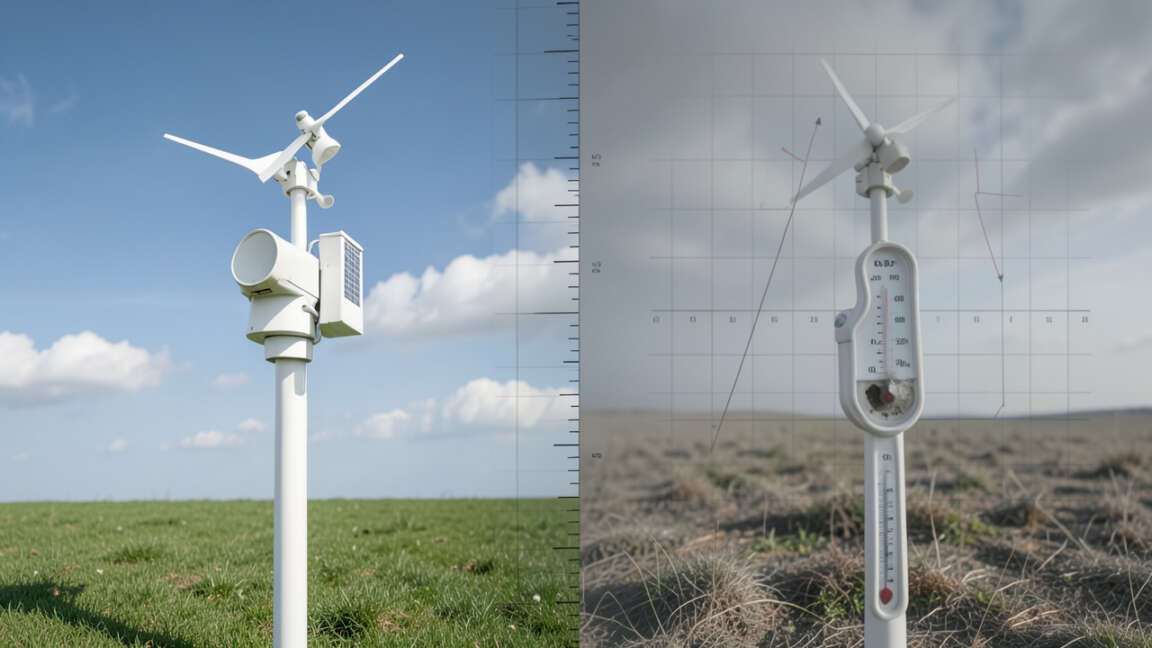
Having a weather station at home is pretty cool. It lets you know what’s happening outside right now and what might come next. But like any tool, it needs to work right.
For reliable planning, compare your station's readings to a trusted source before making outdoor decisions like gardening or dressing appropriately.
If it’s not accurate, the information it gives you might be wrong. This can be a problem if you’re planning a picnic, gardening, or just want to know if you need a coat.
Think about it: if your thermometer says it’s 70 degrees Fahrenheit but it feels much hotter or colder, something’s off. Or if your rain gauge shows a tiny bit of rain when you saw it pouring outside. These little things tell you that your weather station might be showing you the wrong weather.
Understanding Weather Station Calibration
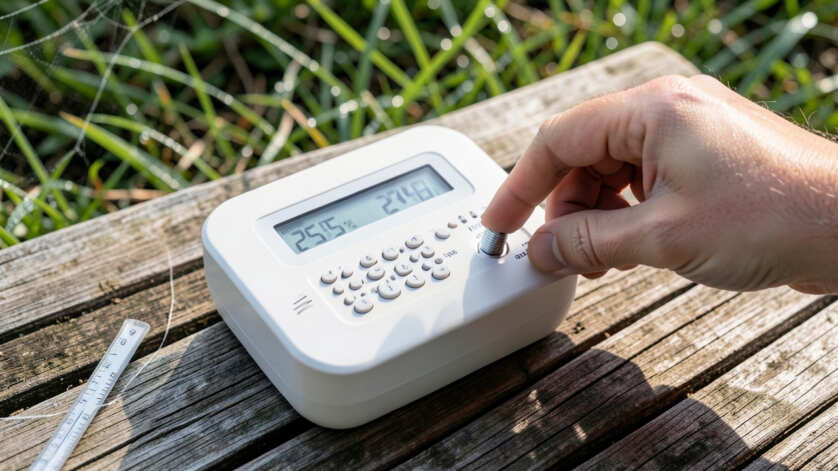
So, what exactly is calibration? It’s simply the process of making sure your weather station’s sensors are giving you correct measurements. Sensors are the parts that actually measure things like temperature, humidity, wind speed, and rainfall.
Calibration is like tuning up a musical instrument so it plays the right notes.
Even high-quality weather stations experience sensor drift, so periodic calibration is essential to maintain data reliability over months of use.
When a weather station is calibrated, its readings are checked against a known, accurate standard. This standard is often a highly precise instrument that has been certified to be correct. By comparing your weather station’s readings to this standard, you can see if it’s off and make adjustments to fix it.
This is super important because even the best weather stations can drift over time. Things like dust, changes in the environment, or just normal wear and tear can affect how accurate they are. That’s why regular checks are a good idea.
5 Signs Your Weather Station Needs Calibration
How do you know if your weather station needs a check-up? There are a few clear signs to look out for. Paying attention to these will help you keep your weather data reliable.
1. Readings Don’t Match Other Sources
This is probably the most common and easiest sign to spot. You check your weather station, and it says it’s 75 degrees Fahrenheit. Then you look at a reliable weather app on your phone or a local news report, and they say it’s 82 degrees.
That’s a big difference!
Small differences can happen because different weather stations are in slightly different locations. But if the difference is large and consistent, it’s a strong hint that your station’s temperature sensor might need calibration. The same goes for humidity, wind speed, or rainfall.
If your station consistently reads much higher or much lower than official sources, it’s time to investigate. Don’t just assume the other sources are wrong; your weather station is more likely to be the one that needs adjusting.
2. Inconsistent or Strange Readings
Sometimes, your weather station might give you readings that just don’t make sense. For example, the temperature might suddenly jump up or down by a lot without any real weather change. Or the wind speed might show a lot of activity on a perfectly calm day.
Another sign is if the readings seem stuck. If the temperature hasn’t changed all day, even though the sun has been out and then it got dark, that’s not right. Or if the humidity stays at the same number for hours when you know it should be changing.
These odd behaviors often point to a sensor that’s either failing or has gone out of sync with reality. Calibration can often fix these kinds of problems by resetting the sensor to its correct baseline.
3. Age and Environmental Exposure
Let’s face it, weather stations sit outside all day and all night. They deal with sun, rain, wind, snow, and sometimes even hail. Over time, these conditions can take their toll on the sensors and the equipment.
Moving or reinstalling your weather station is a prime opportunity to check calibration, as physical disturbance can misalign sensors.
Even if you haven’t noticed a specific strange reading, older weather stations are more likely to need calibration. If your station is a few years old and hasn’t been checked, it’s a good idea to do so as a preventative measure. Think of it like getting regular check-ups for your car.
It helps prevent bigger issues down the road.
Sensors can get dirty, covered in pollen, or have tiny bits of debris interfere with their function. Prolonged exposure to UV rays can also affect some sensor materials. These factors naturally cause readings to drift over time, making calibration necessary.
4. After a Significant Weather Event
Has there been a major storm, a really strong wind, or a period of extreme heat or cold? If so, your weather station might have taken a bit of a beating, even if it looks fine on the outside.
Strong winds can sometimes knock sensors slightly out of alignment. Heavy rain or snow can affect humidity and temperature readings, and extreme temperatures can stress the electronic components. Even a power surge from a lightning strike nearby could potentially affect its accuracy.
It’s a smart move to check your weather station’s accuracy after any big weather event. A quick calibration can ensure it’s back to giving you reliable information before the next forecast is needed.
5. When Moving or Reinstalling Equipment
If you’ve ever had to take down your weather station and set it back up, perhaps because you moved it to a new spot or were doing some home repairs, this is a prime time for calibration.
When you move a weather station, its sensors can easily get bumped or knocked slightly out of their precise orientation. Even if it looks the same, a slight change in angle can affect how it measures things like wind direction or solar radiation.
It’s always best to recalibrate after any physical disturbance to the equipment. This ensures that each sensor is perfectly positioned to capture the most accurate data possible from its new or re-established location.
Simple Calibration Checks You Can Do
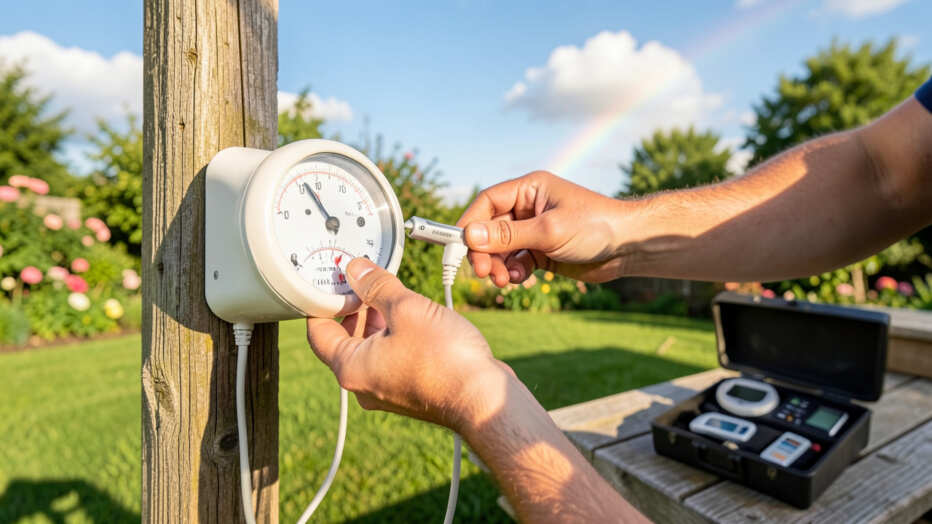
You don’t always need special tools or a degree in meteorology to check if your weather station is calibrated. Here are a few simple things you can try yourself.
Temperature and Humidity Checks
Compare to a Known Source: The easiest check is to compare your station’s temperature and humidity readings with a reliable source. Keep a digital thermometer and hygrometer indoors that you trust. Place your weather station’s sensor unit near it for a few hours when the weather is stable (not rapidly changing).
See if the readings are close.
Use an Ice Bath (for Temperature): For a more precise check of the thermometer, you can create an ice bath. Fill a container with ice and water. Make sure the water is well-mixed with the ice so it’s a consistent 32°F (0°C).
Place your station’s temperature sensor into this mixture, making sure it doesn’t get submerged. After about 15-20 minutes, the sensor should read very close to 32°F (0°C). If it’s off by more than a degree or two, it likely needs calibration.
Rainfall Checks
Manual Measurement: After a rain event, you can measure the rainfall yourself using a standard rain gauge. Compare the amount of rain collected in your weather station’s rain gauge with the amount you measure manually. If they differ significantly, there might be an issue.
A quick at-home check involves placing your weather station sensor near a trusted digital thermometer and hygrometer during stable weather for a few hours to compare readings.
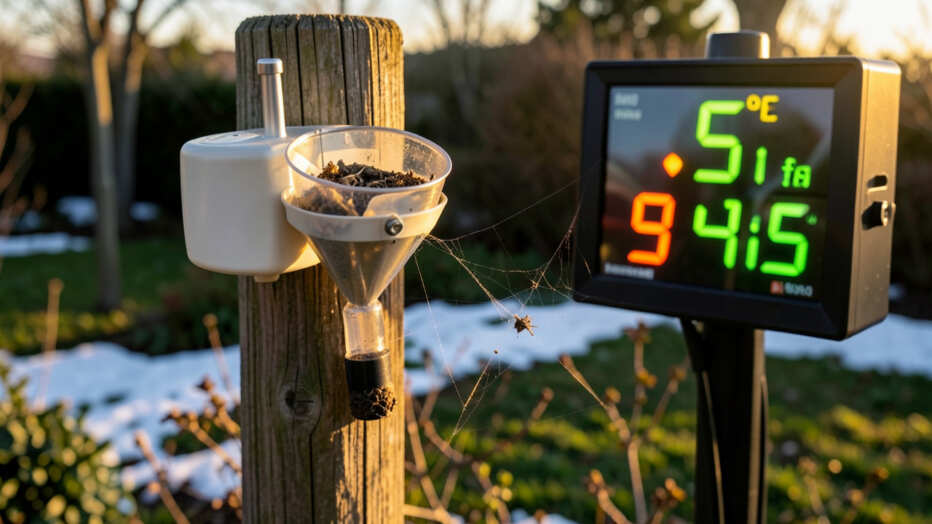
Check for Obstructions: Ensure the rain gauge funnel is clean and free of debris like leaves or spiderwebs. Also, make sure nothing is blocking the rain from reaching the gauge, like overhanging branches that weren’t there when you first set it up.
Wind Speed Checks
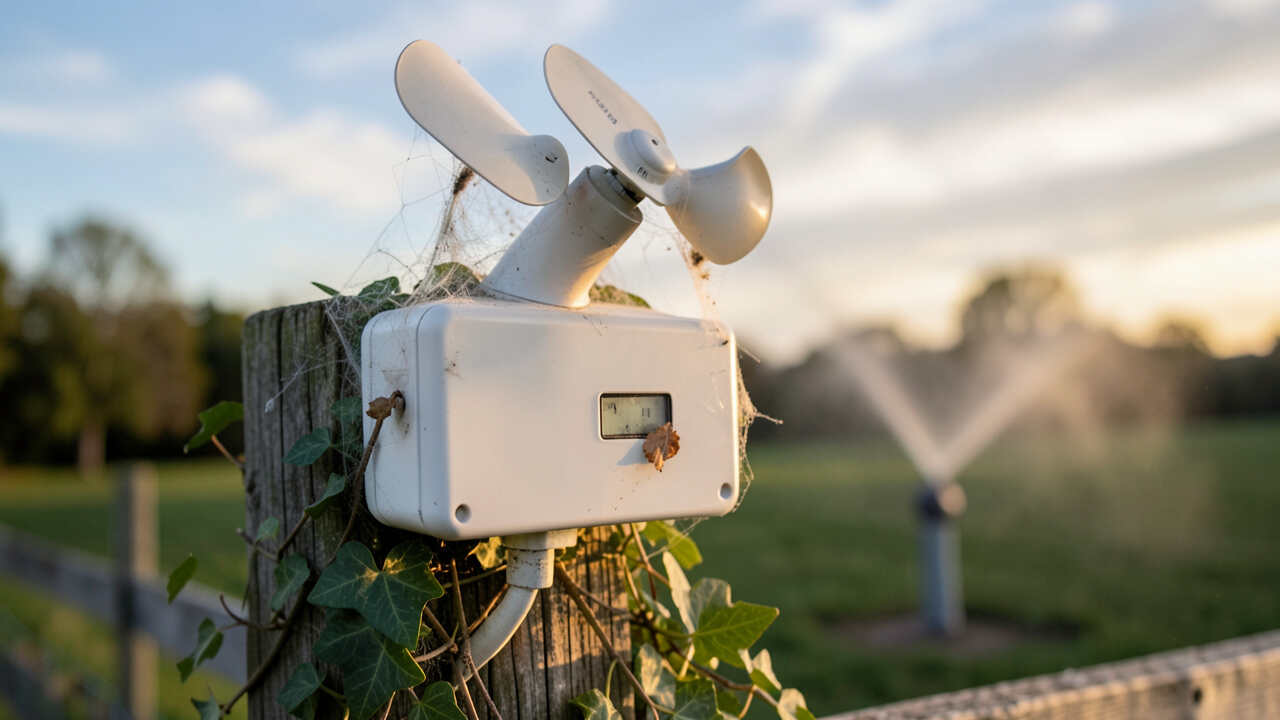
Visual Inspection: Spin the anemometer (the part that measures wind speed) with your finger. It should spin freely and smoothly. If it feels stiff or wobbly, it might have debris or a bearing issue.
Compare to Local Reports (with caution): While it’s hard to directly compare your backyard wind speed to a local airport, if your station consistently reads zero wind when you feel a strong breeze, or reads hurricane-force winds on a mild day, that’s a clear sign something is wrong. For small differences, remember that wind speed can vary greatly even over short distances.
Barometric Pressure Checks
Compare to Online Sources: Barometric pressure is often reported by local weather services. You can compare your station’s reading to these online sources. Keep in mind that barometric pressure changes with altitude.
Most weather stations allow you to enter your station’s elevation to compensate for this. Ensure your elevation is entered correctly.
If your station’s pressure reading is consistently off by several millibars or hundredths of an inch of mercury, it might need calibration.
When to Consider Professional Calibration
While many issues can be fixed with simple checks, some problems might need a professional touch. If you’ve tried the basic checks and your weather station is still giving you wonky readings, it might be time to call in the experts.
If your weather station is used for critical applications like farming or research, persistent inaccuracies after basic checks require professional calibration to avoid costly errors.
Professional calibration services have specialized equipment and knowledge to fine-tune your weather station’s sensors. They can often identify subtle problems that are hard for the average user to find. This is especially important if you rely on your weather station for critical tasks, like farming or scientific research.
Also, if your weather station is under warranty, attempting to calibrate it yourself might void the warranty. In such cases, contacting the manufacturer or an authorized service center is the best course of action.
Maintaining Your Weather Station for Accuracy
Preventative care goes a long way in keeping your weather station accurate. Regular cleaning is one of the simplest yet most effective ways to ensure good readings.
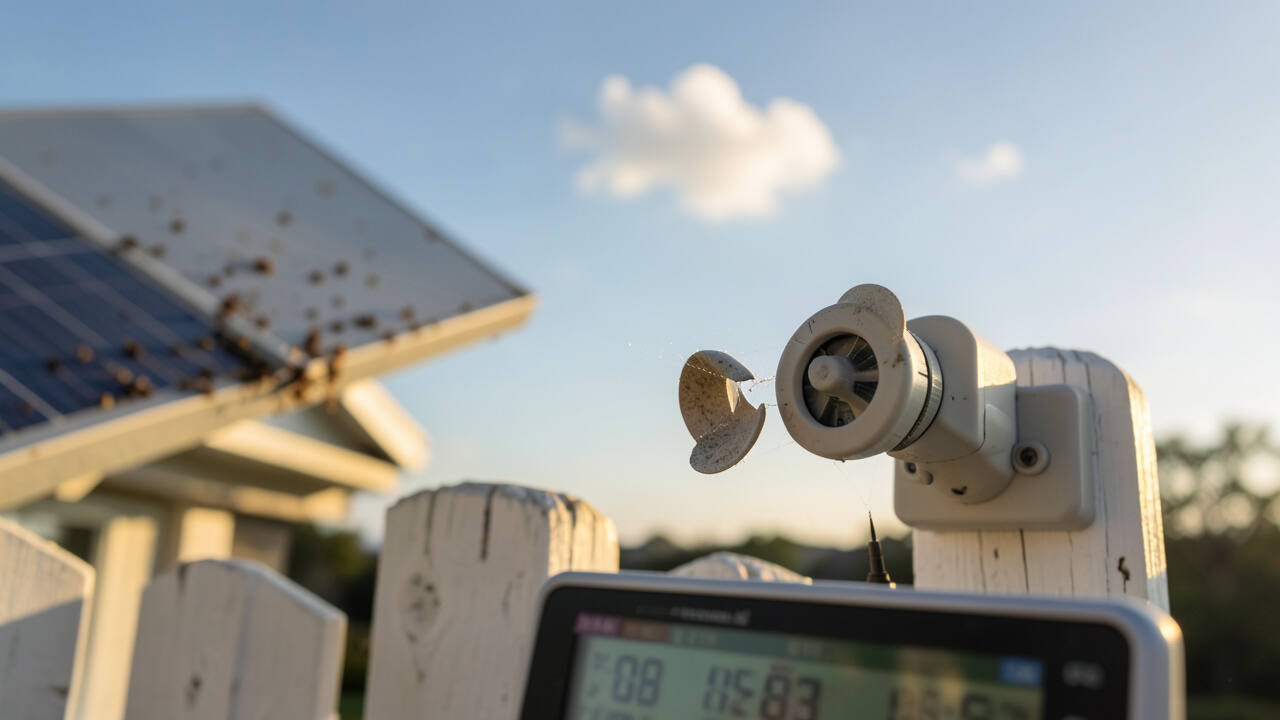
Regularly cleaning the rain gauge and ensuring moving parts like the anemometer spin freely are simple maintenance steps that preserve sensor accuracy over time.
Wipe down the sensors periodically with a soft, damp cloth. Make sure the rain gauge is clear and the anemometer and wind vane spin freely. Keeping the solar panel clean will also ensure your station has enough power.
Check for any signs of damage or corrosion. Promptly address any issues you find to prevent them from affecting sensor accuracy.
Frequently Asked Questions
Question: How often should I calibrate my weather station?
Answer: For most home users, calibrating once a year is usually sufficient. However, if you notice any of the signs mentioned or if your station is exposed to harsh conditions, you may need to check it more often.
Question: Can I adjust the readings myself?
Answer: Many weather stations allow for some manual adjustment through their software or display unit, especially for temperature and pressure. For other sensors, like wind speed, physical adjustments or professional calibration might be needed.
Question: What’s the difference between calibration and just cleaning?
Answer: Cleaning removes dirt and debris that can interfere with sensor readings. Calibration is the process of checking the sensor’s accuracy against a standard and making adjustments to bring it back into alignment if it’s off.
Question: My weather station is new. Does it still need calibration?
Answer: While new weather stations should be accurate out of the box, it’s still a good idea to do a basic check against other sources to confirm. Sometimes, shipping or setup can cause minor deviations.
Question: What happens if I don’t calibrate my weather station?
Answer: If you don’t calibrate, your weather station will continue to provide inaccurate data. This can lead to incorrect weather decisions, like planting too early or dressing inappropriately for the conditions.
Final Thoughts
Noticing 5 Signs Your Weather Station Needs Calibration is key to getting reliable weather information. If your readings don’t match, seem strange, or your station is getting older, it’s time for a look. Simple checks like comparing to other sources or using an ice bath can tell you a lot.
Keeping your equipment clean also helps a lot. Follow these tips, and your weather station will be ready to provide you with accurate forecasts again.