
Weather sensors are disturbed by nine key environmental factors, including direct sunlight, heat radiation, wind, precipitation, humidity, dust, and improper placement, which collectively introduce measurement errors such as thermal bias, wind-induced cooling, and moisture interference. Proper sensor siting, radiation shielding, and routine cleaning are essential to mitigate these disturbances and maintain data reliability. Understanding these factors allows users to interpret sensor limitations and implement corrective measures for accurate weather monitoring.
It’s easy to think weather sensors just magically work, but sometimes they get confused! Many things can trick them into giving wrong readings. If you’re new to this, the 9 Factors That Disturb Weather Sensors might seem tricky.
Don’t worry! We’ll walk through it step-by-step, making it simple. Get ready to see what can cause problems and how to fix them.
Key Takeaways
- You will learn what causes weather sensors to give bad data.
- We will explain how sunlight can fool your sensors.
- You’ll discover how wind affects sensor accuracy.
- Learn about how water can interfere with readings.
- We will cover how dirt and bugs can be a problem.
- Find out how sensor placement matters a lot.

Why Weather Sensors Need Care
Weather sensors help us know the temperature, humidity, rain, and wind. They are important for many reasons. Farmers use them to know when to water crops.
People use them to plan outdoor activities. Scientists use them to study climate change.
But these sensors aren’t perfect. They can be tricked into showing wrong information. This happens because of things around them.
Sensor placement is critical: mounting it too close to buildings, pavement, or reflective surfaces can artificially inflate temperature readings by several degrees.
Regularly clean and shield your weather sensors from direct sun and debris to maintain accurate readings for farming or daily planning.
When sensors give bad data, it can cause problems. Decisions made based on wrong weather data can be costly. For example, watering crops when it’s not needed wastes water.
It’s like trying to see clearly on a foggy day. The fog makes it hard to tell what’s really there. These “foggy” conditions for sensors are what we call disturbances.
Knowing about these disturbances is key to getting good weather readings.
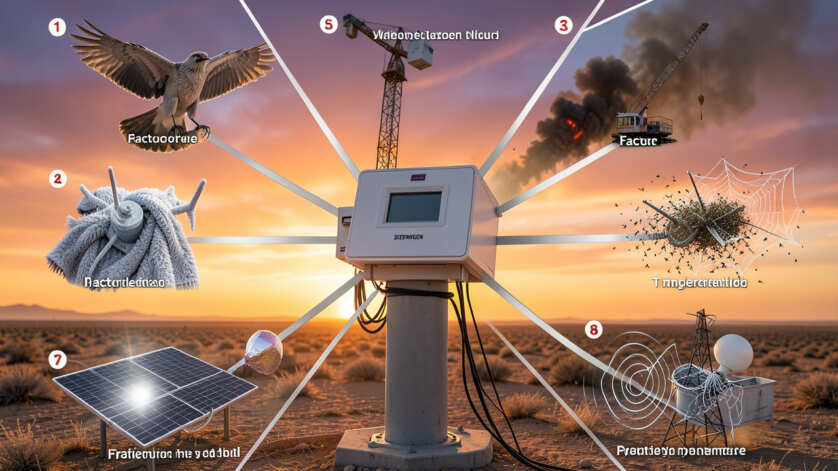
The 9 Factors That Disturb Weather Sensors
Let’s look at the nine things that can mess with weather sensors. Each one plays a part in how accurate your sensor readings are. We’ll break them down so they are easy to understand.
1. Direct Sunlight
The sun is great for life, but it can really mess with some sensors. A sensor that measures temperature might get heated up by the sun directly. This makes it think it’s hotter outside than it really is.
It’s like wearing a black shirt on a sunny day – you get hot!
Even if the air is cool, a sensor in direct sun can show a higher temperature. This is because the sensor itself is absorbing the sun’s heat. This is why weather stations often have a special shield to keep the sun off the sensors.
2. Heat Radiation
Things around a sensor can also give off heat. Dark surfaces like asphalt roads or dark roofs soak up sun and get hot. Then, they send that heat back out.
This is called heat radiation.
If a temperature sensor is too close to these hot surfaces, it will read a higher temperature. It’s like standing near a warm oven; you feel the heat even if the room air isn’t hot. Proper placement helps avoid this.
3. Wind Speed and Direction
Wind is what we want to measure, but too much or the wrong kind of wind can be a problem. If wind is blocked from reaching a wind speed sensor, it won’t measure accurately. This can happen if the sensor is near a building or a tall tree.
Similarly, the direction the wind is coming from matters. If the sensor is not set up correctly, it might not catch the true wind direction. Wind can also carry debris that might hit or cover the sensor.
4. Precipitation (Rain and Snow)
Rain and snow are what many sensors measure. However, too much or unusual precipitation can cause issues. A rain gauge needs to be clear to collect water.
If leaves or ice block it, the rain measurement will be wrong.
Snow can also build up on sensors. This can cover them and stop them from reading things like temperature or humidity. Sometimes, freezing rain can coat sensors in ice, making them unusable until it melts.
5. Humidity and Moisture
Humidity sensors need to be able to sense the air. If water gets directly on or inside a humidity sensor, it can give false readings. This could be from heavy rain, dew, or even mist.
Condensation can also form on sensors. This happens when warm, moist air touches a cooler sensor surface. This extra moisture can make the sensor think there’s more humidity in the air than there actually is.
Keeping sensors dry is important.
6. Dust, Dirt, and Debris
Over time, sensors can get covered in dust and dirt. Think about leaving a window open; it gets dusty. The same happens to outdoor sensors.
This layer of dirt can block light, trap heat, or prevent air from reaching the sensor.
Insects can also be a problem. Spiders might build webs on sensors, or small bugs might crawl into them. This can interfere with how the sensor works and give inaccurate readings.
7. Sensor Placement
Where you put your weather sensor is super important. A sensor placed too close to a building might be affected by heat from the building. One near a busy road might get fumes or heat from cars.
Sensors also need to be a certain height off the ground. If they are too low, they might be affected by ground moisture or heat. If they are too high, they might not get a true reading of the air movement or temperature at ground level.
8. Power Supply Issues
Most weather sensors need power to work. This power can come from batteries or a wired connection. If the batteries are low, the sensor might not work correctly or might shut off.
For wired sensors, a loose connection or a power surge can stop them from working. Sometimes, the electronics inside the sensor can fail due to power problems.
9. Calibration Drift
Over time, sensors can become less accurate. This is called calibration drift. It means the sensor’s readings slowly move away from the actual measurements.
This is a natural process for many types of sensors.
Think of a scale that slowly starts showing a few extra pounds even when nothing is on it. This is why sensors need to be checked and sometimes recalibrated to make sure they are still giving good data.
Frequently Asked Questions
Question: What is the main reason weather sensors give wrong readings?
Answer: The main reason is that things in their environment can interfere with how they measure. This includes things like sun, heat, wind, rain, dirt, and where they are placed.
Question: How does direct sunlight affect a temperature sensor?
Answer: Direct sunlight can heat up the sensor itself, making it show a higher temperature than the actual air temperature.
Question: Why is the placement of a weather sensor so important?
Answer: Placement matters because the area around the sensor can affect its readings. For instance, being too close to a hot wall or in a spot with blocked wind will give inaccurate data.
Question: Can dirt or bugs cause problems for weather sensors?
Answer: Yes, dirt and debris can cover the sensor, blocking its measurements. Insects can build webs or nests that interfere with how the sensor works.
Question: What does “calibration drift” mean for a weather sensor?
Answer: Calibration drift means that over time, a sensor’s accuracy slowly decreases. Its readings start to be a little off from the real measurements.
Final Thoughts
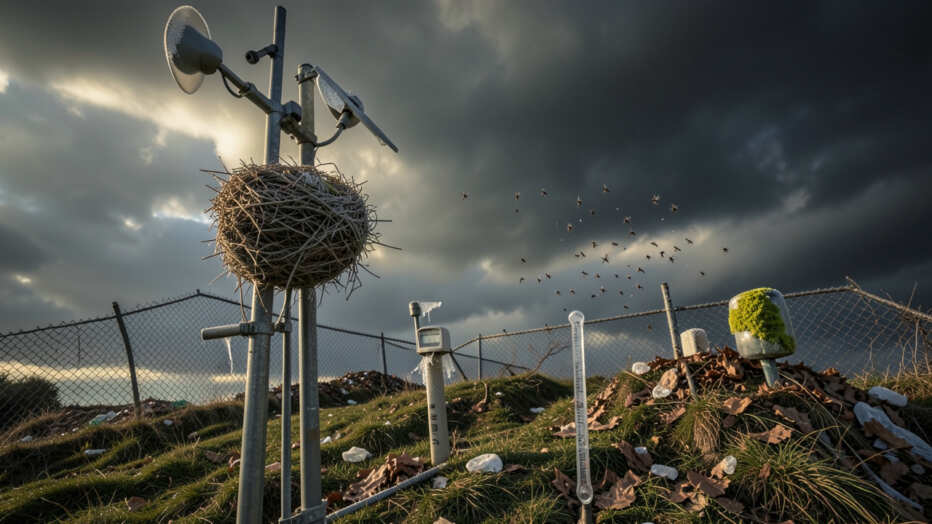
Keeping your weather sensors working well means watching out for these nine things. Sunlight, heat, wind, rain, and even dust can play tricks on them. How you place the sensor and making sure it has good power also matter.
Over time, sensors might need a little check-up to stay accurate.
By knowing these factors, you can help your sensors give you the best possible weather information. This helps you make better plans and understand the weather around you more clearly.