Neglecting small outdoor maintenance issues like clogged gutters, poor lawn care, and ignored deck rot leads to expensive foundation damage, structural decay, and invasive weed overgrowth. Simple prevention measures—such as cleaning gutters seasonally and sealing fence rot early—can save homeowners hundreds in emergency repairs. Recognizing these common mistakes and addressing them promptly protects both property value and long-term budget.
You just spent a lovely afternoon enjoying your yard, only to notice a loose shingle on your roof or a cracked sprinkler head. These small issues might seem minor now, but ignoring them can lead to big bills down the road. Learning to spot and fix these common problems early is key to saving money and keeping your home in great shape.
This guide will highlight 10 outdoor maintenance mistakes that cost you money, helping you avoid them and keep your property looking its best.
Key Takeaways
- Understand how neglecting gutters can damage your home’s foundation.
- Learn why simple landscaping choices can prevent costly repairs.
- Discover the financial impact of ignoring deck and fence upkeep.
- Recognize how minor plumbing issues can escalate into major expenses.
- See the savings gained by properly maintaining your roof and windows.
- Prevent pest infestations with regular outdoor checks.
10 Outdoor Maintenance Mistakes That Cost You Money
Keeping your home looking good and working well means taking care of the outside too. Many homeowners overlook simple outdoor tasks. This oversight can lead to problems that are expensive to fix.
Establish a seasonal maintenance checklist to catch small issues before they become expensive repairs.
We’ll look at 10 common mistakes people make with their outdoor maintenance. Fixing these issues early saves you money and stress.
Mistake 1: Clogged Gutters
Your gutters are vital for directing rainwater away from your house. When they get full of leaves, dirt, and debris, water can overflow. This overflowing water can pool around your home’s foundation.
Clogged gutters can lead to foundation damage and basement flooding, which are far more costly than regular cleaning.
Over time, this can cause serious damage. Foundation cracks can lead to expensive repairs, affecting the whole house. Water can also seep into your basement, causing mold and structural issues.
Why it costs money:
- Foundation repair costs can be very high.
- Water damage to basements and crawl spaces needs costly cleanup.
- Mold remediation is expensive and can affect health.
- Damage to siding and landscaping from overflow.
Mistake 2: Neglecting Lawn Care
A well-kept lawn looks nice, but it’s more than just curb appeal. Letting your grass grow too long or unevenly can hide problems. It can also make it hard to spot pest infestations.
A neglected lawn hides pest infestations and drainage problems that lead to expensive repairs.
Overgrown weeds can choke out healthy grass. This can lead to bare patches that are costly to reseed. Poor drainage in your lawn can also cause water to sit, hurting the grass and potentially your foundation.
Why it costs money:
- Extensive lawn repair and reseeding are expensive.
- Pest control treatments can add up.
- Addressing drainage issues can involve significant landscaping work.
- Weakened turf is more prone to disease, requiring costly treatments.
Mistake 3: Ignoring Deck and Fence Rot
Wooden decks and fences are beautiful additions to a home. But, they are exposed to the elements. If you don’t seal or stain them regularly, the wood can rot or warp.
Apply a sealant or stain to your wood deck and fence every two to three years to prevent rot and costly replacement.
Small cracks can let water in, speeding up decay. A rotten deck can become unsafe and might need complete replacement. Similarly, a decaying fence can fall apart, costing a lot to rebuild.
Why it costs money:
- Replacing an entire deck or fence is a large expense.
- Repairing rotten structural elements is labor-intensive and costly.
- Safety hazards from a damaged deck can lead to liability issues.
- Frequent sealing and staining are cheaper than replacement.
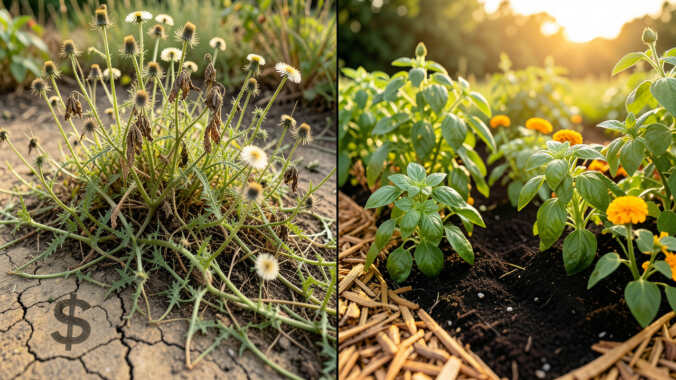
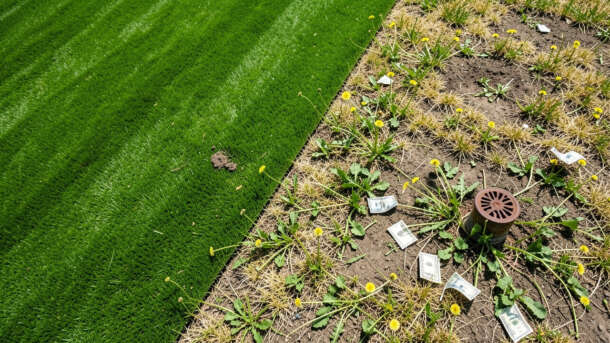
Mistake 4: Letting Weeds Take Over Garden Beds
Weeds compete with your plants for water, nutrients, and sunlight. If left unchecked, they can overwhelm your garden. This makes your plants weaker and less productive.
Weeds that are left to spread can kill your plants and even damage pathways, forcing you to spend money on replacements.
It also makes your garden look messy. Letting weeds go means your plants might die, and you’ll have to buy new ones. In some cases, stubborn weeds can damage pathways or foundations.
Why it costs money:
- Buying replacement plants is an ongoing cost.
- Effective weed control treatments can be pricey.
- Extensive weeding is labor-intensive, costing time or money if you hire help.
- Damage to hardscaping from aggressive weed roots.
Mistake 5: Ignoring Peeling Paint on Siding
Paint protects your home’s siding from weather. When paint starts to peel, it exposes the material underneath to moisture. This can lead to wood rot or corrosion of metal siding.
Peeling paint exposes siding to moisture, which can lead to wood rot or metal corrosion—repainting is far cheaper than full siding replacement.
Water seeping into the siding can cause it to swell, warp, or crack. Repairing this kind of damage is much more expensive than simply repainting the house.
Why it costs money:
- Siding replacement or extensive repair is costly.
- Water damage can spread, affecting insulation and structure.
- Lead paint removal and disposal can add significant costs.
- Preventative repainting is far cheaper than reactive repair.
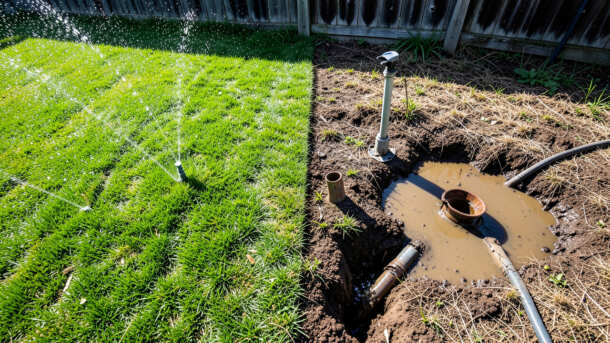
Mistake 6: Damaged Sprinkler Systems
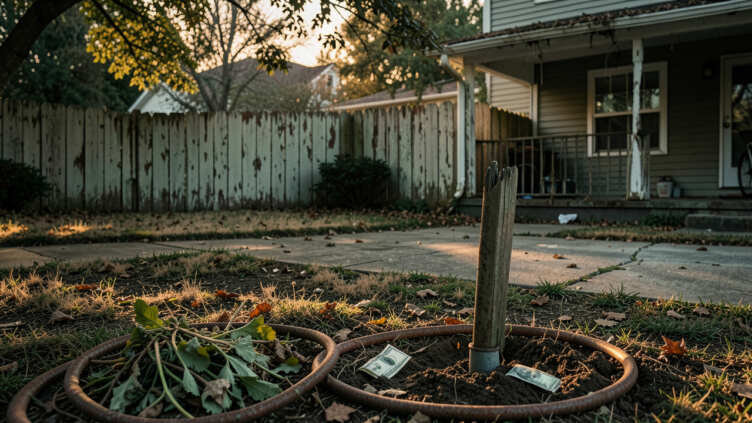
A leaky or broken sprinkler head might seem like a small issue. However, it can waste a lot of water. This leads to higher water bills.
A single leaking sprinkler head can waste hundreds of gallons and cause soil erosion, driving up water bills and repair costs.
In some cases, constant leakage can cause soil erosion or water damage to nearby structures. A system that sprays water unevenly can also harm your lawn and plants, requiring more money to fix.
Why it costs money:
- Higher water bills due to wasted water.
- Repairing or replacing sprinkler heads and pipes.
- Potential costs from soil erosion or water damage.
- Replacing damaged plants or lawn areas.
Mistake 7: Ignoring Roof Shingle Damage
Missing or damaged roof shingles are a clear sign of trouble. These shingles protect your home from rain, wind, and sun. When they are compromised, water can get into your attic.
Inspect your roof annually for damaged shingles and replace them promptly to avoid water intrusion and expensive interior repairs.
This can lead to mold growth, damaged insulation, and even structural problems in your ceiling. A small leak can turn into a huge repair bill if not addressed quickly.
Why it costs money:
- Roof repairs can be expensive, especially if the damage is widespread.
- Water damage to insulation and ceilings needs costly remediation.
- Mold growth requires professional and expensive removal.
- Preventative roof checks save on major repair costs.
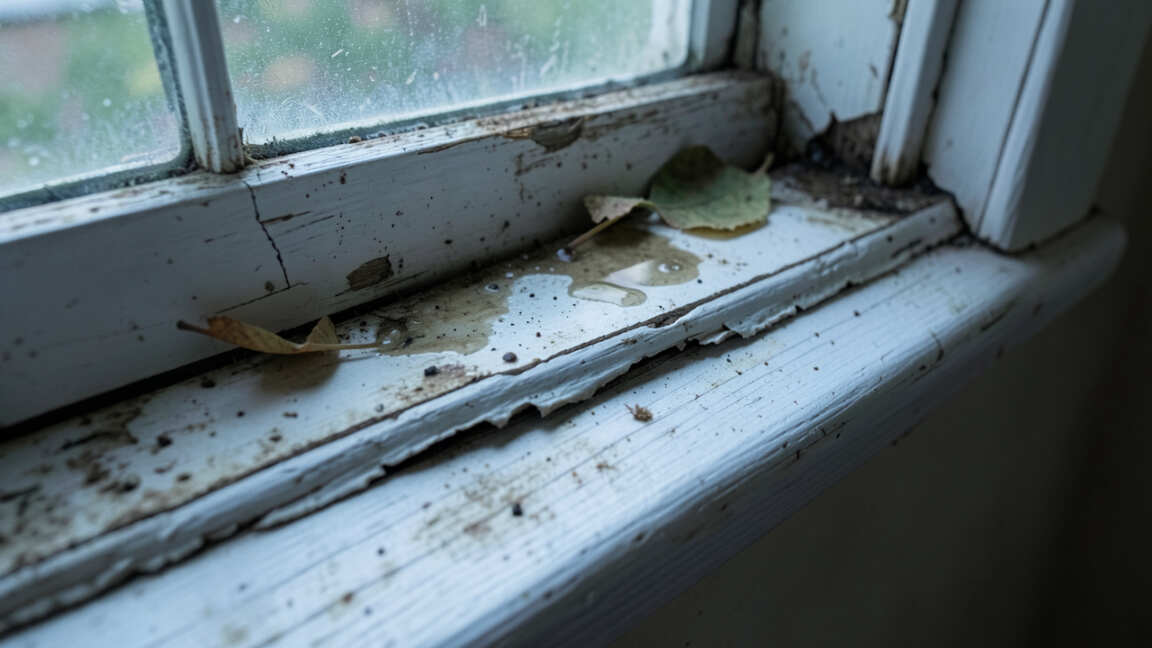
Mistake 8: Windows and Door Seals
Old or damaged seals around windows and doors let out heated or cooled air. This makes your HVAC system work harder, increasing energy bills. Over time, drafts can also lead to moisture buildup, causing rot or mold around the frames.
Replacing damaged seals is a small cost compared to higher energy bills and potential structural repairs.
Why it costs money:
- Higher energy bills due to poor insulation.
- Costs associated with repairing water damage and mold.
- Replacement of windows and doors if seals are severely neglected.
- Drafts can also affect comfort and reduce property value.
Mistake 9: Pests and Critters
Small holes or gaps around your home’s exterior can be entry points for pests. Mice, rats, insects, and even larger animals can cause damage. They can chew through wires, insulation, and wooden structures.
Some pests, like termites, can cause severe structural damage that is very expensive to repair. Regular checks for potential entry points can prevent costly infestations.
Why it costs money:
- Pest extermination services are costly.
- Repairing damage to wiring, insulation, and structural wood.
- Termite damage can lead to extremely expensive repairs.
- Preventative measures are far cheaper than dealing with an infestation.
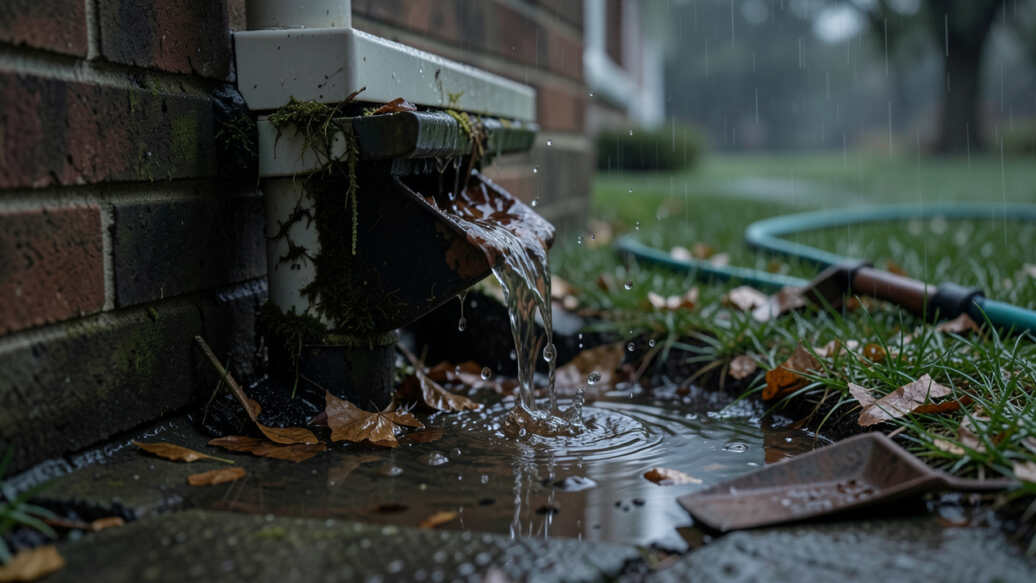
Mistake 10: Clogged Drains and Downspouts
Similar to clogged gutters, blocked exterior drains and downspouts prevent water from moving away from your home. This can lead to standing water near your foundation or basement. It can also cause water to back up into unwanted areas, like crawl spaces or even inside the house during heavy rain.
Ensuring these are clear is a simple, cheap task that prevents big problems.
Why it costs money:
- Foundation damage from water pooling.
- Water damage to basements and crawl spaces.
- Potential mold growth and air quality issues.
- Costly plumbing interventions if blockages become severe.
Frequently Asked Questions of 10 Outdoor Maintenance Mistakes That Cost You Money
Question: How often should I clean my gutters?
Answer: It’s a good idea to clean your gutters at least twice a year, typically in the spring and fall, to remove leaves and debris.
Question: What is the best way to prevent wood rot on my deck?
Answer: Regularly seal and stain your deck every one to two years to protect the wood from moisture and sun damage.
Question: My lawn has bare spots, what should I do?
Answer: For bare spots, you can aerate the soil, add good quality topsoil, and reseed. Ensure proper watering and fertilization.
Question: How can I tell if my roof has damage?
Answer: Look for missing, cracked, or curling shingles. Check for granules in your gutters or signs of water damage in your attic.
Question: What are signs of pest entry around my house?
Answer: Look for small holes in siding or around windows and doors, droppings, or chewed materials.
Final Thoughts
Ignoring outdoor maintenance is a fast way to spend more money later. Small issues like clogged gutters or peeling paint can grow into large, expensive repairs. Keeping your roof, siding, and foundation in good shape protects your investment.
Regular checks of your deck, fence, and lawn save you from costly replacements. Simple tasks like clearing drains and fixing leaky sprinklers prevent bigger water damage. Staying on top of these ten outdoor maintenance mistakes will keep your home safe, looking good, and save you significant money over time.
It’s about smart care now for less cost later.