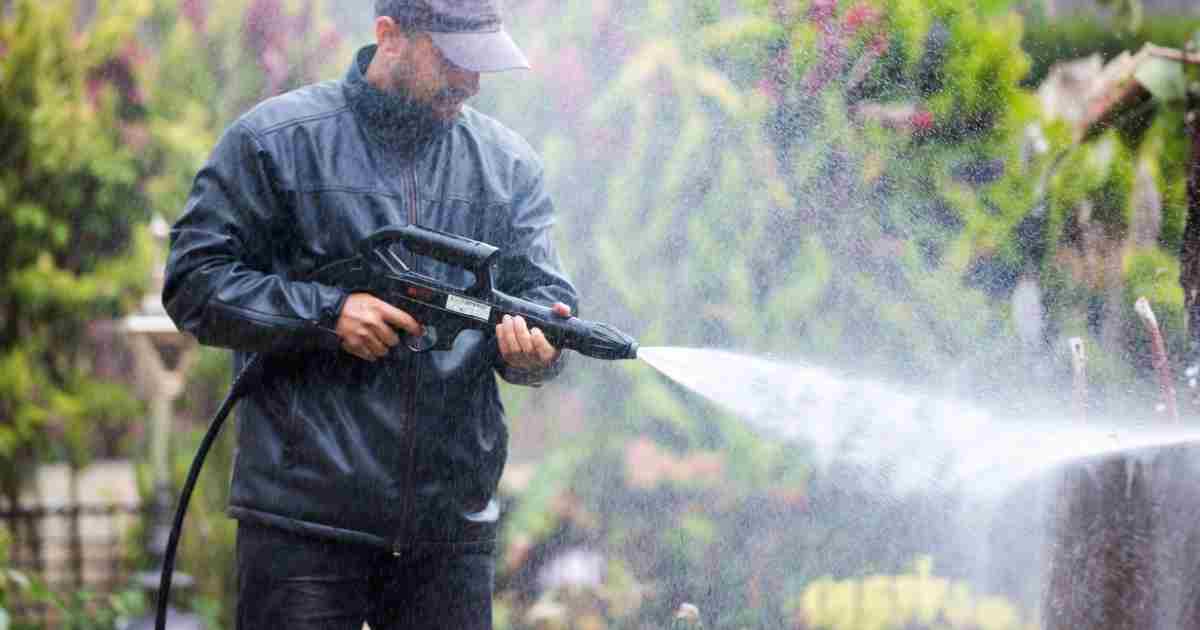

The seven common cleaning mistakes with pressure washers include using the wrong nozzle, applying excessive pressure, and holding the wand too close to the surface. Selecting the correct nozzle color and spray angle for each surface type prevents damage while ensuring effective cleaning. Maintaining proper distance and adjusting pressure based on surface hardness are critical techniques that improve results and extend equipment life.
Pressure washing can make tough cleaning jobs much easier, but it’s easy to make mistakes when you’re new to it. You might wonder why your cleaning isn’t working as well as you hoped, or if you’re accidentally damaging surfaces. This guide will walk you through the 7 Common Cleaning Mistakes with Pressure Washers and show you exactly how to avoid them.
Get ready to clean smarter, not harder!
Key Takeaways
- Understand the different types of nozzles and their uses.
- Learn the importance of correct water pressure for various surfaces.
- Discover how to properly move the pressure washer wand to avoid damage.
- Recognize the risks of getting too close to a surface.
- Know when to use or avoid cleaning certain materials.
- Learn about proper safety gear and precautions.
Understanding Pressure Washer Nozzles
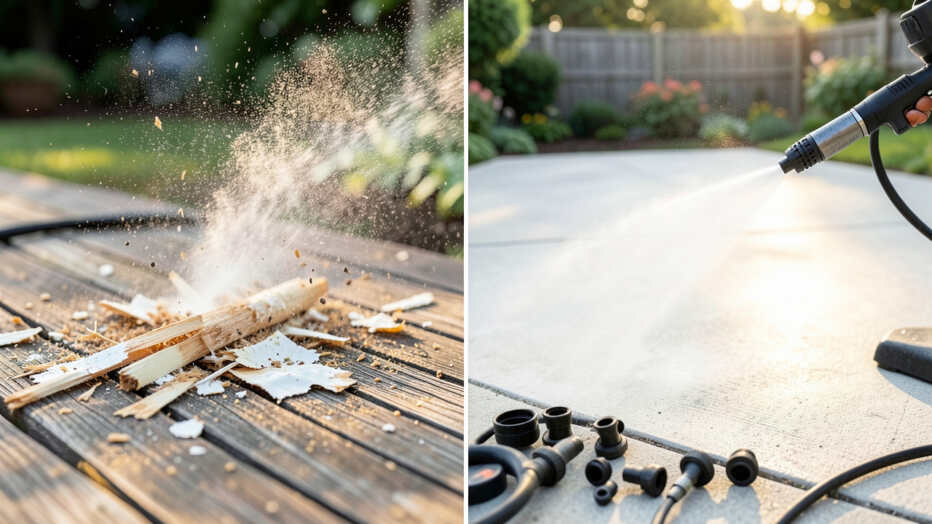
Pressure washers come with different nozzles, and using the wrong one is a big mistake. Each nozzle has a different spray pattern and angle. Think of them like different spray bottles; some spray a wide mist, and others shoot a strong, focused jet.
Hard surfaces like concrete driveways and stone patios can usually handle high pressure, but always check for cracks or loose mortar first.
Start with a wider angle nozzle and only switch to a narrower one if absolutely necessary and you know what you're doing.
The Different Nozzle Colors and Spray Angles
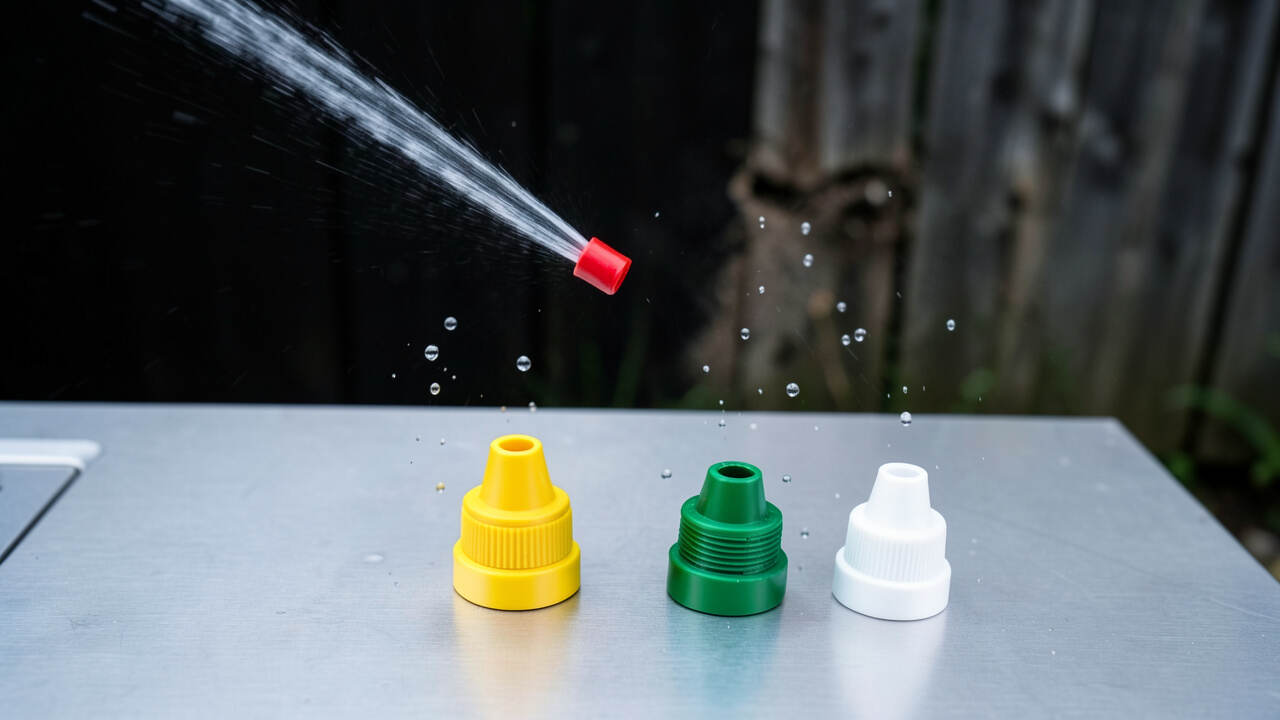
Nozzles are often color-coded. This is a helpful system to quickly identify their spray angle.
- Red (0-degree): This nozzle sprays a very narrow, powerful jet of water. It’s like a laser pointer. You should use this very carefully, if at all, as it can easily damage surfaces. It’s best for breaking up really tough, stuck-on dirt from a distance.
- Yellow (15-degree): This nozzle has a fan spray that’s 15 degrees wide. It’s good for removing dirt and grime from hard surfaces like concrete or brick. It’s more forgiving than the red nozzle.
- Green (25-degree): A 25-degree fan spray. This is a very common and versatile nozzle. It’s great for general cleaning tasks on most surfaces. It offers a good balance between cleaning power and safety.
- White (40-degree): This nozzle creates a wide, gentle spray pattern, like a very fine mist. It’s ideal for rinsing or cleaning delicate surfaces that could be scratched or damaged by a stronger spray.
- Black (Soap nozzle): This nozzle has the widest spray angle and the lowest pressure. It’s designed to draw detergent into the water stream for applying cleaning solutions.
Using a nozzle with too narrow a spray for the job can strip paint, etch wood, or even damage siding. Always start with a wider angle nozzle and only switch to a narrower one if absolutely necessary and you know what you’re doing.
Pressure vs. Surface Type
Another common error is using too much water pressure for the surface you’re cleaning. Not all materials can handle a strong blast of water.
Hard Surfaces
Hard surfaces like concrete driveways, stone patios, and brick walls can usually handle high pressure. You can use more powerful nozzles and higher PSI (pounds per square inch) settings to blast away stubborn dirt, mold, and mildew. Just be mindful of any loose mortar or cracks.
Softer Surfaces
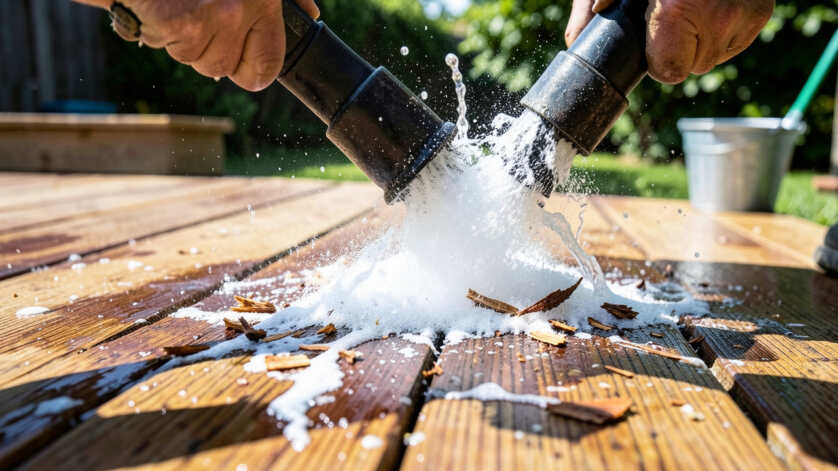
Softer surfaces require a gentler touch. Wood decks, fences, and painted surfaces can be easily damaged. High pressure can splinter wood, remove paint, or leave ugly marks.
The distance between the wand and the surface is a critical factor that directly affects cleaning effectiveness and the risk of damage.
For these, you’ll want to use a wider nozzle (like green or white) and a lower PSI. Some pressure washers have adjustable pressure settings, which is very helpful.
Delicate Surfaces
Some materials are very delicate. Car paint, window screens, and some types of siding can be ruined by too much pressure. Always test a small, hidden area first.
If you see any signs of damage, reduce the pressure or use a wider nozzle.
Distance Matters
How far away you hold the pressure washer wand from the surface is critical. Many people hold it too close, thinking it will clean better.
The Danger of Getting Too Close
Holding the nozzle too close to a surface concentrates the water jet intensely. This can lead to:
Keep the wand moving in consistent overlapping strokes and never let the spray linger on one spot to prevent uneven cleaning and surface damage.
- Etching or gouging wood.
- Stripping paint from siding or decks.
- Damaging the surface material itself.
- Creating uneven cleaning patterns that look worse than dirt.
Finding the Right Distance
The general rule is to start further away, about 18-24 inches from the surface. Begin cleaning with a sweeping motion. If the dirt isn’t coming off, slowly move the nozzle closer, a few inches at a time.
Watch the surface closely. As soon as you see the dirt lifting easily, you’ve found your sweet spot. It’s a balance between effective cleaning and protecting the surface.
Improper Wand Movement
The way you move the wand also plays a big role in how well you clean and if you cause damage. Just pointing and shooting is not the best approach.
Sweeping Motions
Always use a consistent, sweeping motion. Move the wand back and forth or side to side in overlapping strokes. This ensures an even clean and prevents “tiger stripes” or lines where the water has hit harder in some spots than others.
Failing to use detergent when needed on grease or heavy grime often leads to poor results and unnecessary high-pressure scrubbing.
Avoid Stopping in One Place
Never let the spray linger on one spot for too long, especially with a narrower nozzle or higher pressure. This is a sure way to etch or damage the surface.
Work in Sections
It’s helpful to work on one small section at a time. This allows you to maintain a consistent rhythm and overlap your strokes effectively. When you finish a section, move to the next, slightly overlapping the cleaned area.
Cleaning Without Detergent (When You Need It)
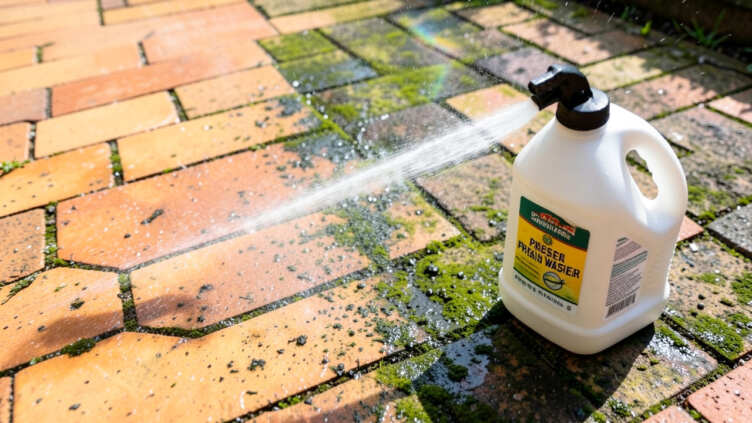
Pressure washers can blast away loose dirt, but for grease, oil stains, or heavy grime, you often need a cleaning solution. Not using detergent when it’s needed is a common mistake.
Always wear safety glasses or goggles and closed-toe shoes to protect your eyes and feet from high-pressure spray and flying debris.
When Detergent Helps
Detergents are designed to break down oils, grease, and tough, baked-on dirt that water alone can’t remove. Using the right detergent can significantly improve your cleaning results and reduce the need for excessive pressure or scrubbing.
Using Your Pressure Washer’s Detergent System
Most pressure washers have a built-in detergent tank or a siphon tube. You’ll typically use the black soap nozzle to apply the detergent. After applying, let it sit for a few minutes (don’t let it dry!) to work on the grime, then switch to a rinse nozzle to wash it all away.
Ignoring Safety Precautions
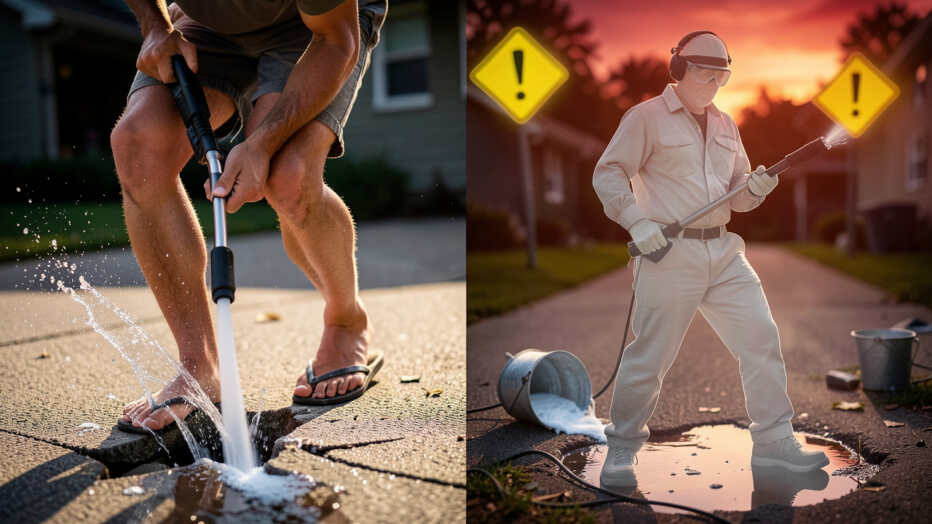
Pressure washers are powerful tools, and safety should always come first. Skipping safety steps is a major, dangerous mistake.
Personal Protective Equipment (PPE)
Always wear safety glasses or goggles to protect your eyes from spray and debris. Sturdy, closed-toe shoes are a must to prevent slips and protect your feet. Long pants and long-sleeved shirts can help shield your skin from accidental spray or kicked-up debris.
When in doubt, opt for a gentler cleaning method like scrubbing with a brush and hose, or test the pressure washer on an inconspicuous area first to avoid irreversible damage.
Awareness of Your Surroundings
Be aware of where the spray is going. Never point the wand at people or pets. Be careful around electrical outlets and wiring.
Understand that the high-pressure spray can cut through soft materials like clothing or even skin.
Proper Machine Handling
Ensure the pressure washer is stable before starting it. Read the owner’s manual for specific operating and maintenance instructions. If you’re using a gas-powered model, ensure good ventilation as they produce exhaust fumes.
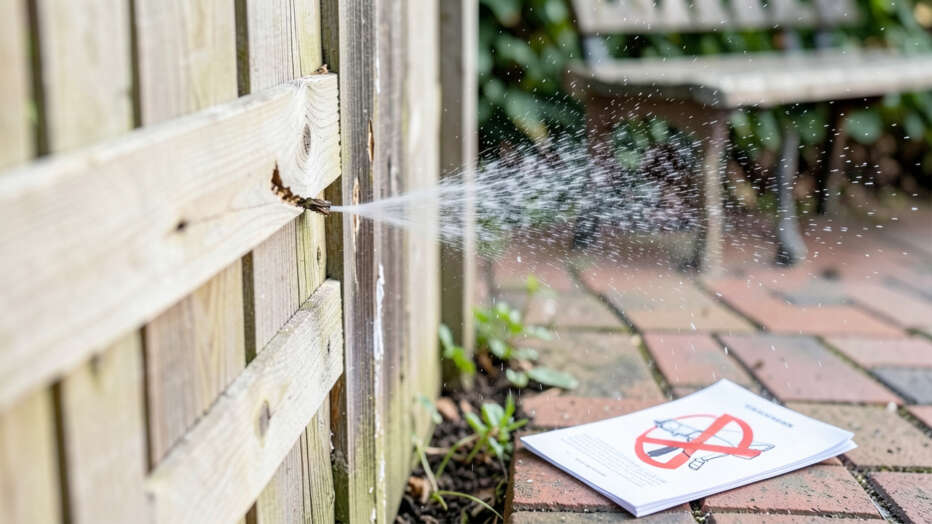
Cleaning Surfaces That Shouldn’t Be Pressure Washed
While pressure washers are versatile, some materials are simply not meant to be cleaned with them. Trying to clean these can cause irreversible damage.
Examples of Surfaces to Avoid
- Old or Damaged Mortar: High pressure can easily blast away weak or crumbling mortar between bricks or stones.
- Asphalt Shingles: The powerful spray can lift or damage the granules on asphalt shingles, reducing the life of your roof.
- Some Types of Older Paint: Especially on historic homes, old paint can be brittle and easily stripped by pressure washing.
- Car Windows/Electronics: Getting high-pressure water into car seals or electrical components can cause serious damage.
- Many Plastic Components: Some plastics can become brittle and crack under pressure.
When in doubt, it’s always better to opt for a gentler cleaning method like scrubbing with a brush and hose, or to test the pressure washer on a very inconspicuous area first.
Frequently Asked Questions
Question: Can I use any soap with a pressure washer?
Answer: No, you should only use detergents specifically designed for pressure washers. Household soaps can clog the system or damage the pump and seals.
Question: How do I clean my car with a pressure washer?
Answer: Use the widest fan nozzle (white or green), keep the wand at least 2 feet away from the car, and use a low PSI setting. Always use a car-specific pressure washer soap. Rinse thoroughly.
Question: What is the difference between PSI and GPM?
Answer: PSI (Pounds per Square Inch) measures the force of the water spray. GPM (Gallons Per Minute) measures the volume of water delivered. Both are important for effective cleaning.
Question: Can I pressure wash my roof?
Answer: It’s generally not recommended to pressure wash most roofs, especially asphalt shingles, as it can cause significant damage. For stubborn stains, consider hiring a professional or using specialized roof cleaning solutions.
Question: My pressure washer isn’t producing much pressure. What could be wrong?
Answer: Common issues include a clogged nozzle or filter, a kink in the hose, low engine oil (for gas models), or an air leak in the system. Check your owner’s manual for troubleshooting steps.
Final Thoughts
Avoiding the 7 Common Cleaning Mistakes with Pressure Washers is key to getting great results without causing damage. By understanding your nozzles, matching pressure to the surface, and keeping a safe distance, you’ll clean more effectively. Always move the wand smoothly and use detergent when needed for tough jobs.
Safety gear is a must, and know which surfaces to avoid. With these tips, your pressure washing projects will go smoothly, leaving your home looking its best.