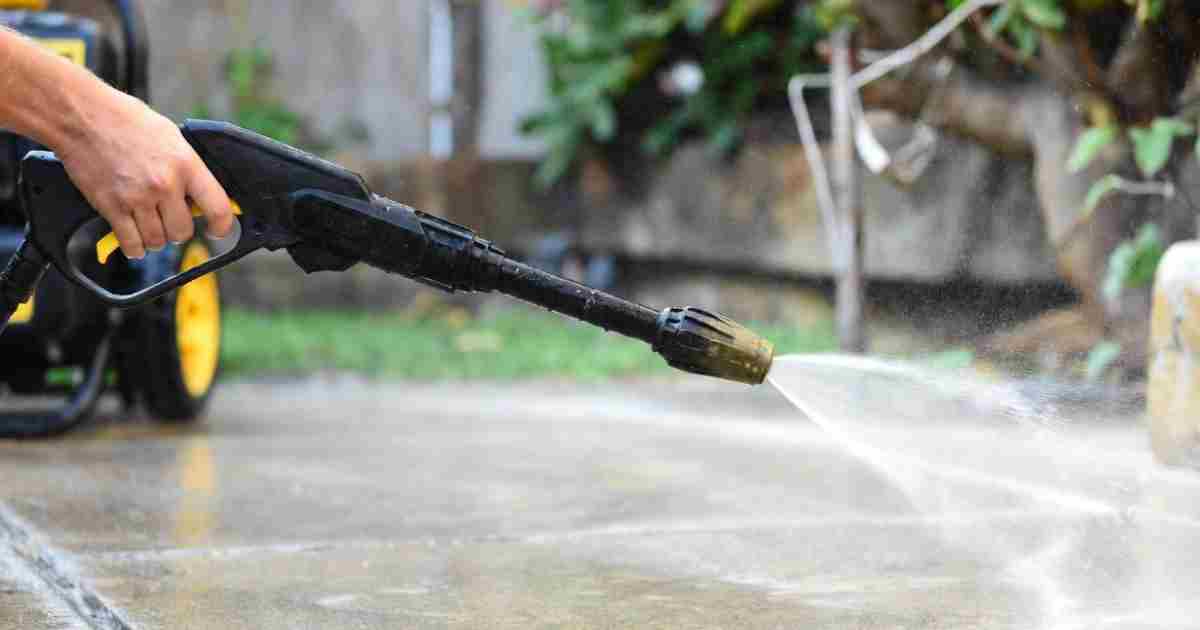

The five signs indicating a pressure washer needs repair are low water pressure, unusual noises, leaks, difficulty starting or stalling, and inconsistent spray patterns. Low water pressure often points to a blocked nozzle or worn pump, while unusual noises like grinding or knocking suggest internal component damage. Recognizing these symptoms early allows for targeted fixes that prevent costly repairs and extend the machine's lifespan.
Pressure washers are super handy for cleaning tough dirt. But sometimes, they just don’t work right. Knowing the 5 Signs Your Pressure Washer Needs Repair can save you a lot of headache.
It’s easy to get confused when your washer acts up, especially if you’re new to them. Don’t worry! We’ll walk through this step-by-step so you can get your machine running smoothly again.
Let’s figure out what might be going wrong and how to fix it.
Key Takeaways
- You’ll learn to spot when your pressure washer isn’t performing its best.
- We’ll cover common problems like low pressure and unusual noises.
- Simple checks for leaks and starting issues will be explained.
- You’ll understand how to tell if the engine or pump needs attention.
- The article offers clear guidance for addressing these repair signs.
When Your Pressure Washer Needs Some TLC
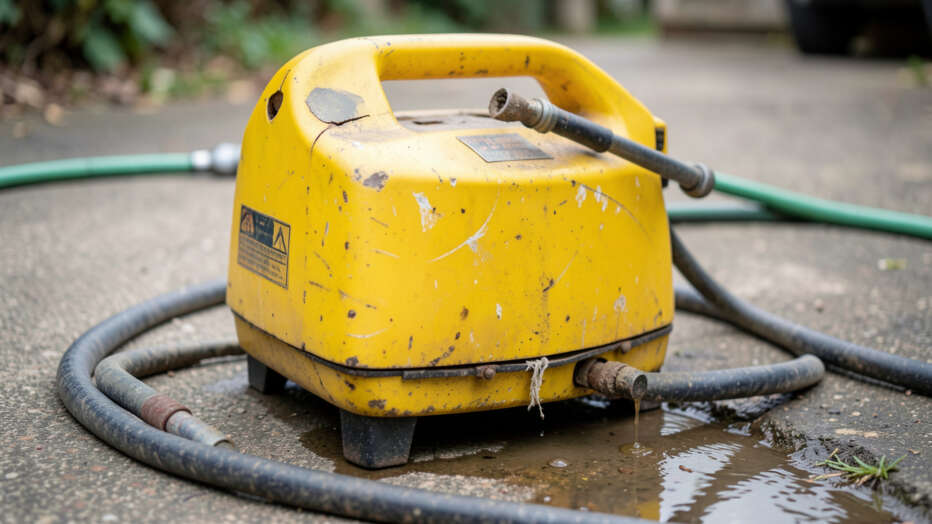
A pressure washer can be a real lifesaver for cleaning driveways, decks, and siding. But like any tool, they can develop problems. Spotting these issues early can prevent bigger, more expensive repairs later.
Low water pressure often stems from a restricted water supply rather than a pump failure—always check your hose and faucet first.
Regularly inspect your pressure washer’s hoses and connections for cracks or leaks; catching these issues early can save you from costly repairs later.
Let’s look at some clear signs that your pressure washer might be telling you it needs a check-up.
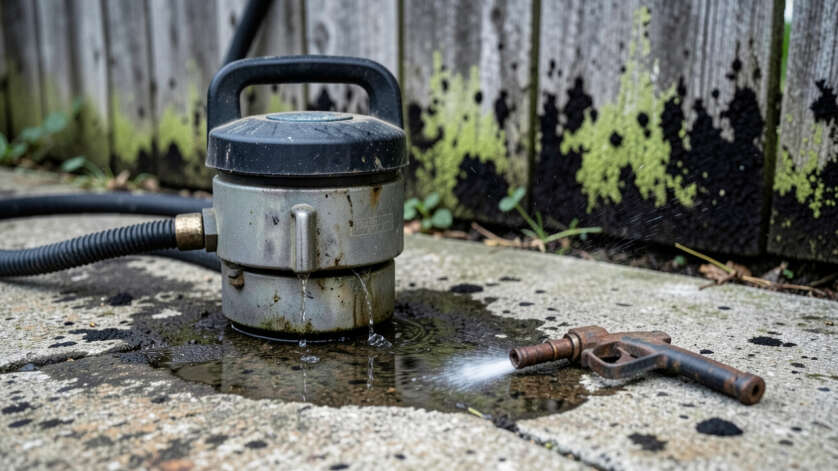
5 Signs Your Pressure Washer Needs Repair
It can be frustrating when your pressure washer doesn’t perform as expected. Here are the main things to watch out for.
1. Low Water Pressure
This is perhaps the most common sign that something isn’t quite right. You expect a powerful blast of water, but you get a weak trickle instead. This could be due to a few different things.
The water source itself might not be providing enough flow. Make sure your garden hose is fully open and connected properly. Sometimes, kinks in the hose can restrict water flow.
Also, check the water filter; if it’s clogged, it will limit how much water can reach the pump. A dirty nozzle can also reduce pressure. Try a different nozzle to see if that helps.
If the water flow is good, the issue might be with the pump. The pump is the heart of your pressure washer, responsible for building up that high pressure. If seals within the pump are worn or damaged, water can leak out, and pressure will drop.
This is a more serious issue that might require professional repair or pump replacement.
2. Unusual Noises
Your pressure washer should make a steady running sound. If you start hearing clanging, grinding, or loud knocking noises, it’s a definite warning. These sounds often point to internal problems.
Grinding could mean that bearings in the pump or engine are failing. A knocking sound might indicate that something is loose inside the engine or that there’s an issue with the fuel-air mixture.
Sometimes, a rattling noise can be as simple as a loose part on the exterior, like a cover or shield. Check for anything that isn’t secured properly. However, if the noise seems to be coming from deep within the machine, especially the engine or pump, it’s best to stop using it and investigate further.
Ignoring these sounds can lead to catastrophic failure and much costlier repairs.
3. Leaks
Finding water (or even oil) leaking from your pressure washer is a clear sign of a problem. Leaks can happen in several places. The most common are around hoses and connections.
Ensure all hose clamps are tight and that the hoses themselves aren’t cracked or split. Quick-connect fittings should also be checked for wear or damage.
Leaks can also occur within the pump itself. This might be due to worn-out seals or O-rings. If you see water leaking from the pump housing, it’s usually a sign that the seals are failing.
Oil leaks, on the other hand, often point to problems with the engine. This could be a leaking gasket or a damaged oil seal. Any leak should be addressed promptly because it can lead to further damage and loss of essential fluids.
4. Difficulty Starting or Stalling
A pressure washer that struggles to start, or starts and then quickly shuts off, is not working correctly. For gas-powered models, this can be related to fuel issues. Check if there’s enough fresh fuel in the tank.
Old fuel can gum up the carburetor and cause starting problems. Make sure the fuel line is clear and the fuel filter isn’t clogged.
Spark plug issues are another common culprit. A fouled or worn-out spark plug won’t create a strong enough spark to ignite the fuel. Inspect the spark plug, clean it, or replace it if it looks worn.
The air filter can also affect starting. A dirty air filter restricts airflow, making it hard for the engine to run smoothly. For electric models, check the power cord and any switches or breakers that might be faulty.
If the machine keeps stalling, it might be overheating or not getting enough fuel or air.
5. Inconsistent Spray Pattern
When the spray from your pressure washer isn’t steady, or it fluctuates wildly, it’s a problem. You might notice the spray width changing on its own, or the pressure might surge and then drop. This can be related to issues with the unloader valve.
The unloader valve controls water flow and pressure when you’re not actively spraying. If it’s stuck or not functioning correctly, it can cause inconsistent spray.
Blockages in the wand or nozzle can also cause uneven spraying. Even small debris can disrupt the water flow. Try cleaning the nozzle tip thoroughly.
If the problem persists, the issue could be deeper within the pump or related to fluctuations in the engine’s performance. A consistent and controlled spray is essential for effective and safe cleaning.
Frequently Asked Questions
Question: How often should I clean my pressure washer’s filter?
Answer: It’s a good idea to check and clean your pressure washer’s water filter after every few uses, or more often if you’re using it in dusty or dirty conditions. A clogged filter can significantly reduce performance.
Question: Can I use my pressure washer if it’s leaking oil?
Answer: No, you should not use your pressure washer if it’s leaking oil. Oil is essential for lubricating the engine. Continuing to run it with an oil leak can cause serious engine damage.
Question: My pressure washer is making a strange grinding noise. What should I do?
Answer: If you hear a grinding noise, stop using the pressure washer immediately. This often indicates that a bearing is failing in the pump or engine. It’s best to have it inspected by a professional.
Question: What if my pressure washer won’t start, even with fresh gas?
Answer: If it won’t start with fresh gas, check the spark plug. Make sure it’s clean and properly gapped. Also, ensure the air filter is clean.
If these don’t help, there might be a more complex issue with the carburetor or ignition system.
Question: My pressure washer’s spray is weak, but there are no visible leaks. What could be wrong?
Answer: A weak spray without visible leaks often points to a clogged nozzle, a dirty water filter, or a problem with the pump or unloader valve. Start by cleaning the nozzle and filter, then check the unloader valve if the problem continues.
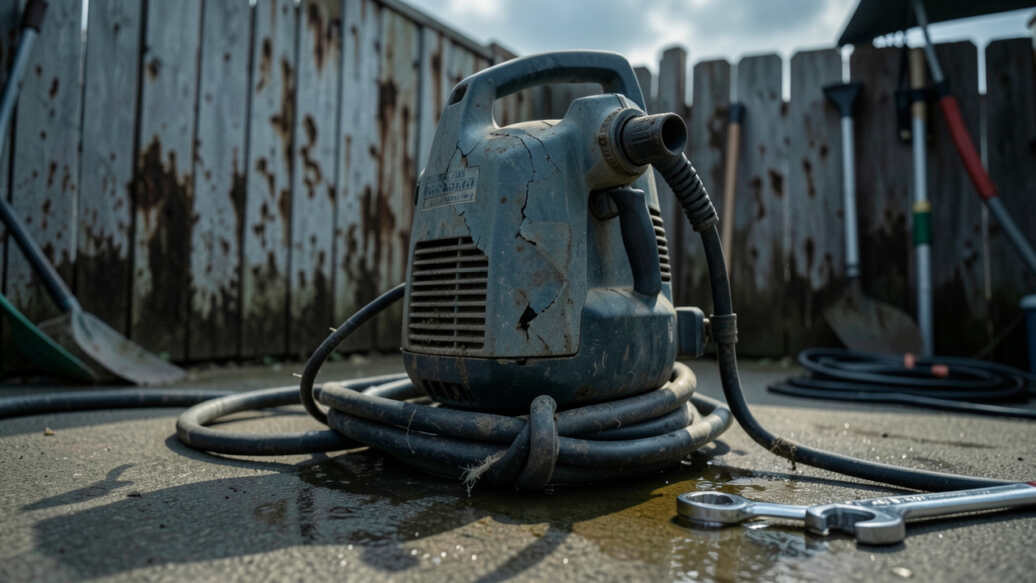
Final Thoughts
Keeping your pressure washer in good working order means paying attention to how it runs. You’ve learned about the main signs that point to 5 Signs Your Pressure Washer Needs Repair. From low pressure and odd noises to leaks and starting troubles, these are clear signals.
Addressing these issues early keeps your washer working well. Fixing small problems now saves you bigger headaches later. Just follow these tips to keep your cleaning tool ready for action.