The six most common outdoor system failures include air conditioner refrigerant leaks and dirty coils, heating pilot light problems and blower motor failure, and sump pump float switch issues and clogged impellers. Each failure typically stems from neglected maintenance, causing sudden loss of cooling, heating, or water drainage during critical weather. Recognizing these early signs allows homeowners to schedule preventive care, avoiding expensive emergency repairs and extending system lifespan.
Imagine a sweltering summer day, and your air conditioner suddenly goes silent. Or perhaps a winter storm hits, and your home heating system decides to quit. These frustrating scenarios highlight the importance of the outdoor systems that keep our homes comfortable and functional.
This article explores 6 common outdoor system failures explained in simple terms. You’ll learn how to identify potential problems early, saving you money and preventing costly emergency repairs. This knowledge helps you spend more time enjoying your home and less time worrying about unexpected breakdowns.
Key Takeaways
- Understanding common outdoor system failures helps prevent them.
- Regular maintenance is key to avoiding costly repairs.
- Identifying early warning signs can save significant expense and hassle.
- Knowing these failure points empowers homeowners to make informed decisions.
- Proper care extends the life of your outdoor systems.
Outdoor systems are vital for our homes. They keep us cool in summer and warm in winter. They also handle waste removal and provide power.
When these systems fail, it causes big problems. This post explains 6 common outdoor system failures explained. We will look at why they happen and how to spot them.
This helps you fix issues before they get worse.

Air Conditioner Problems
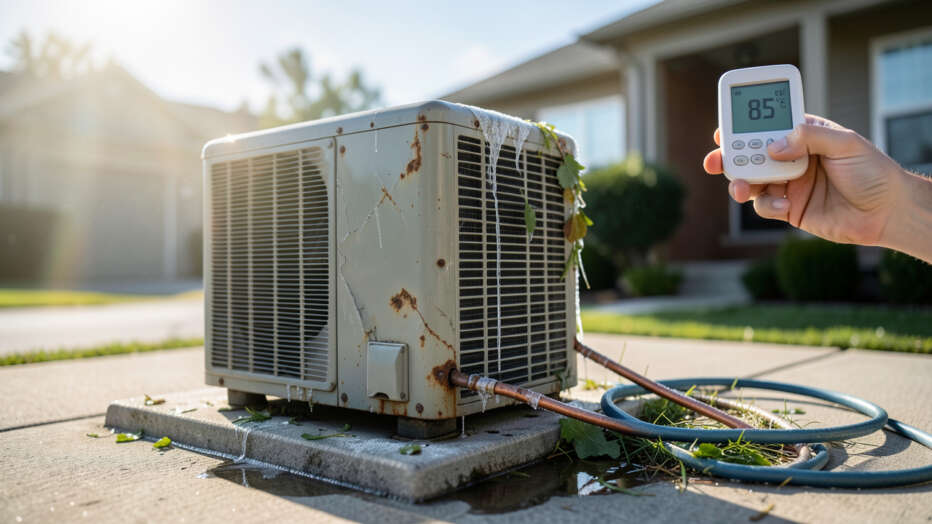
Air conditioners work hard to keep us cool. Sometimes, they stop working right. One common issue is a dirty air filter.
This blocks air, making the AC work harder. It can lead to overheating and a broken fan motor. Another problem is a refrigerant leak.
This means the AC cannot cool the air effectively. You might hear hissing sounds or notice ice on the coils.
Dirty Filters and Coils
Dirty air filters are a big culprit. They trap dust, dirt, and other particles. Over time, this buildup chokes off airflow.
Keep the outdoor condenser unit clear of debris to maintain efficient heat transfer. A quick rinse with a garden hose can prevent many AC failures.
Your AC has to run longer and harder to get air through. This puts stress on the fan motor and compressor. Dirty outdoor condenser coils also cause problems.
These coils release heat from your home. If they are covered in dirt, leaves, or debris, they can’t release heat well. This makes the system inefficient and can cause it to overheat.
Refrigerant Leaks
Refrigerant is the stuff that cools your air. If there’s a leak, the system won’t cool. You might see reduced cooling power.
Or, the system might blow warm air. Sometimes, you can spot ice forming on the refrigerant lines. Leaks are often caused by corrosion or damage to the lines.
Fixing these leaks requires a trained technician.
Heating System Issues
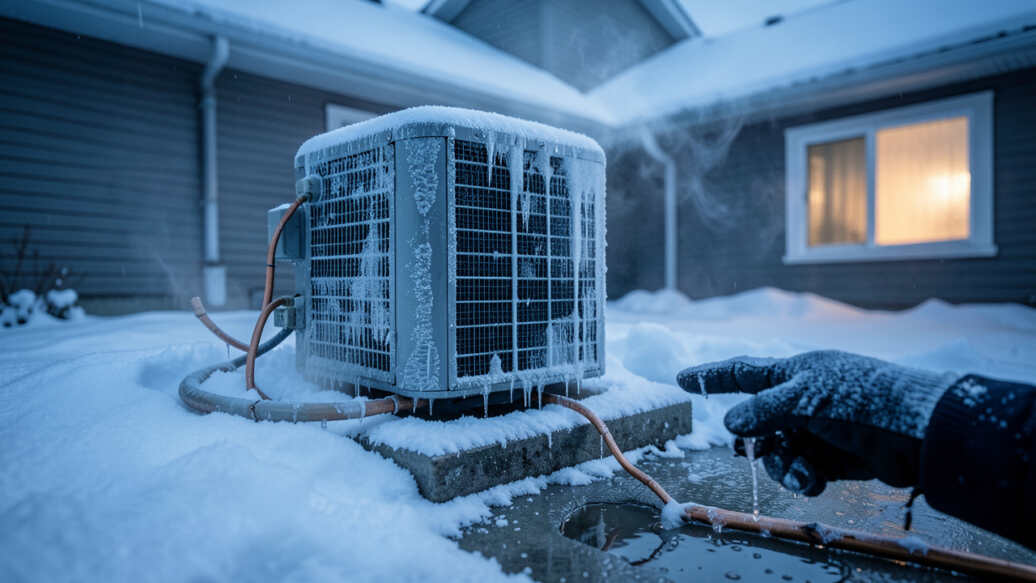
Heating systems keep us warm when it’s cold. They can also have problems. A common failure is a pilot light that won’t stay lit.
This often means a bad thermocouple. This part senses if the pilot light is on. If it fails, it shuts off the gas.
Another issue is a noisy blower motor. This motor pushes warm air through your home. If it’s loud or weak, it needs attention.
Pilot Light Problems
For older gas furnaces, the pilot light is key. It ignites the main burners. If the pilot light won’t stay lit, the furnace won’t heat.
A failing thermocouple is a common cause of a pilot light that won't stay lit. This safety device shuts off gas when the pilot flame is not detected.
The pilot light needs a steady flame. If it flickers or goes out, a part called the thermocouple is likely broken. The thermocouple is a safety device.
It tells the gas valve to stay open when the pilot is lit. When it fails, the gas valve closes. Replacing a thermocouple is usually a simple fix for a professional.
Blower Motor Failure
The blower motor is like the lungs of your heating system. It pushes heated air through the ducts and into your rooms. If the blower motor is failing, you might notice weak airflow.
The air might not feel as warm as it should. You could also hear strange noises, like grinding or squealing. A failing blower motor can stop heating altogether.
It needs to be repaired or replaced.
Sump Pump Malfunctions
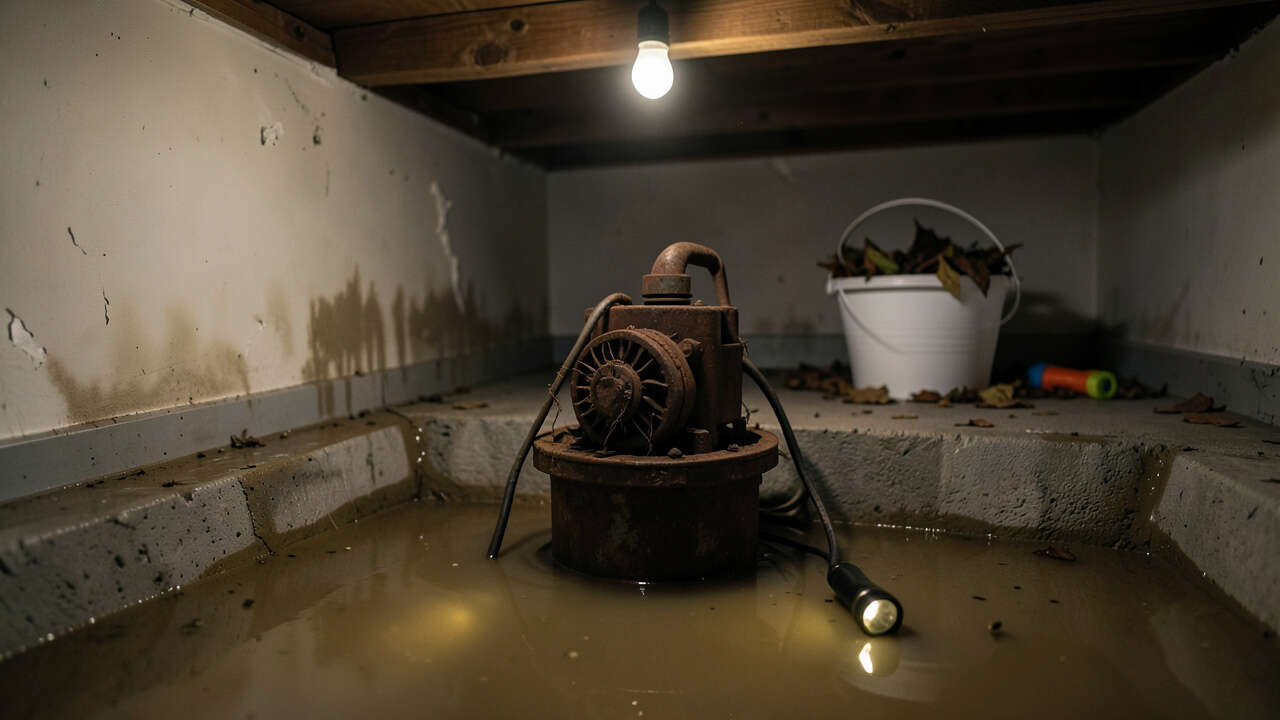
Sump pumps are important for homes with basements. They remove water that collects around your foundation. This prevents flooding.
A common failure is when the pump just doesn’t turn on. This could be due to a power issue or a float switch problem. Sometimes, the pump runs but doesn’t move water.
This might mean the impeller is blocked or damaged.
Float Switch Issues
The float switch tells the sump pump when to turn on and off. It works like a toilet float. As water rises, the float rises too.
A stuck float switch is one of the most frequent reasons a sump pump fails to activate when needed most.
When it reaches a certain level, it activates the pump. If the float switch gets stuck, it might not signal the pump to start. Or, it might keep the pump running when it shouldn’t.
Sometimes debris can trap the float. Checking and cleaning the float switch is important.
Clogged Impeller
The impeller is a spinning part inside the pump. It pushes water out of the sump pit. If debris, like sand or small stones, gets into the pump, it can clog the impeller.
This makes the pump work hard but move little water. In some cases, the debris can damage the impeller blades. A clogged or damaged impeller means the pump won’t do its job of keeping your basement dry.
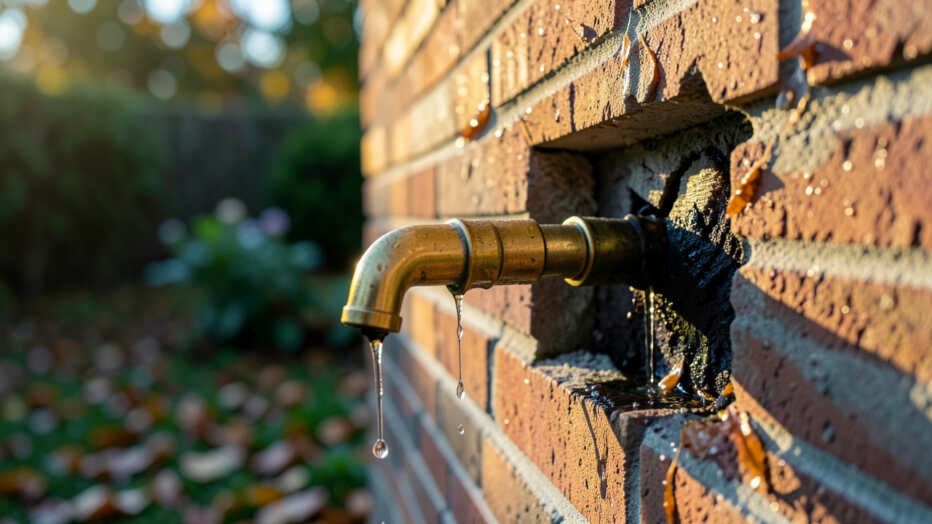
Exterior Faucet Leaks
Outdoor faucets, or hose bibs, are used for gardens and washing cars. They can develop leaks. The most common problem is a drip from the spout.
This usually means the washer inside the faucet is worn out. Another issue is a leak around the handle. This often points to a failing packing nut or stem O-ring.
Worn-Out Washers
Inside every outdoor faucet is a washer. This rubber piece forms a seal when the faucet is turned off. Over time, the washer can dry out, crack, or wear down.
If your outdoor faucet leaks around the handle, try tightening the packing nut with a wrench before replacing any parts.
When this happens, water can seep past it, causing a drip from the spout. Replacing a worn washer is a fairly simple DIY task for many homeowners.
Leaking Around the Handle
If you see water seeping from around the faucet handle when it’s on or off, the packing nut might be loose. This nut tightens a material called packing, which seals the stem. If the packing is old or the nut is loose, water can escape.
Sometimes, the O-ring on the stem needs replacing. This also causes leaks around the handle area.
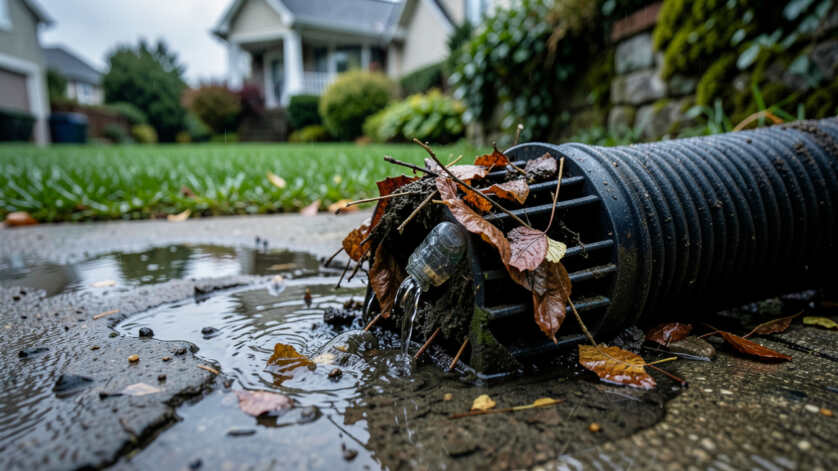
Drainage System Blockages
Outdoor drainage systems move water away from your home. This includes gutters, downspouts, and French drains. Blockages are a common failure.
Gutters can fill with leaves and debris. This forces water to overflow near your foundation. Downspouts can get clogged with leaves and mud, stopping water flow.
Clogged Gutters and Downspouts
Gutters are designed to catch rainwater and guide it to downspouts. Leaves, twigs, and dirt can build up in gutters. This prevents water from flowing correctly.
Clogged downspouts can cause water to back up into gutters and overflow near your foundation, risking basement flooding.
Water can then spill over the sides, pooling around your home’s foundation. This can lead to basement flooding and damage. Downspouts can also become blocked, especially at the bottom where they drain.
This stops water from leaving the gutters.
French Drain Issues
French drains are underground trenches filled with gravel and a perforated pipe. They collect groundwater and redirect it away from your house. Over time, soil and debris can wash into the gravel.
This can clog the drain. The pipe itself can also get blocked. When a French drain is blocked, it can no longer effectively move water.
This can lead to soggy yards or water in your basement.
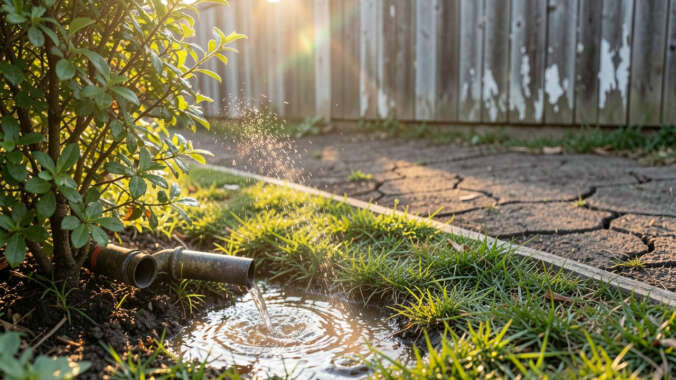
Irrigation System Leaks
Lawn irrigation systems water your grass and plants. Leaks are a frequent problem. A common cause is a broken sprinkler head.
This can happen from lawnmowers or foot traffic. It causes water to spray where it shouldn’t. Another issue is underground pipe leaks.
These can be hard to spot but waste a lot of water and can damage your lawn.
Underground pipe leaks in irrigation systems can be detected by unusually wet spots in the lawn or a sudden increase in your water bill.
Broken Sprinkler Heads
Sprinkler heads pop up from the ground to water your lawn. They are exposed to the elements and activity in the yard. Mowers can hit them, or people can step on them.
This can break the plastic housing or the internal parts. A broken sprinkler head might leak constantly, spray water in the wrong direction, or not pop up at all. This wastes water and doesn’t water your lawn properly.
Underground Pipe Leaks
The pipes that carry water to your sprinkler heads can develop leaks underground. This can happen due to roots growing into the pipes, ground shifting, or old age. You might notice unusually wet spots in your lawn, or grass that is greener in one area than another.
These leaks can also cause your water bill to go up significantly. Finding and fixing these leaks requires digging up the affected area.
Frequently Asked Questions of 6 Common Outdoor System Failures Explained
Question: How often should I clean my air conditioner’s air filter?
Answer: It’s best to check your air conditioner’s filter every 1-3 months. If it looks dirty, clean or
Question: What should I do if my sump pump isn’t working during heavy rain?
Answer: First, check if the pump is plugged in and the breaker hasn’t tripped. Then, check the float switch to ensure it’s not stuck. If these simple checks don’t help, call a plumber immediately to prevent flooding.
Question: Can I fix a dripping outdoor faucet myself?
Answer: Yes, for many common drips, you can fix it. You will likely need a wrench and a replacement washer. Turn off the main water supply to the house before you start.
Question: How do I know if my gutters are clogged?
Answer: You’ll notice water overflowing from the gutters, especially during rain. You might also see downspouts not draining water. Loose or sagging gutters can also be a sign of clogs.
Question: How can I prevent my irrigation system from leaking?
Answer: Regularly inspect your sprinkler heads for damage or misalignment. Check your water meter when the irrigation system is off for any signs of unexplained water use. Professional checks can also help find small issues early.
Final Thoughts
Knowing about these 6 common outdoor system failures explained helps you stay ahead. Simple checks and regular care can prevent many issues. Watch for odd noises, leaks, or areas that aren’t working right.
Addressing small problems fast saves you money and stress. Keep your outdoor systems in good shape for a comfortable home.