
The seven automation errors in smart greenhouses include overlooking sensor calibration, incorrectly setting thresholds, ignoring system integration, failing to plan for power outages, and over-automating everything. These mistakes typically arise from incorrect sensor data interpretation or lack of system coordination. Proper calibration, balanced automation, and backup power planning are essential for maintaining optimal plant health and system reliability.
Many folks starting with smart greenhouses run into common problems with automation. It’s like learning to ride a bike – you might wobble a bit at first! Don’t worry, though.
We’ll walk through the 7 Automation Errors in Smart Greenhouses step by step. This guide will make things much clearer and help you set up your smart greenhouse without a hitch. Ready to make your plants happy and your life easier?
Let’s get started.
Key Takeaways
- You’ll learn about common automation mistakes in smart greenhouses.
- We explain why these errors happen, especially for new users.
- You will find simple solutions to fix and avoid these issues.
- This guide helps you set up your smart greenhouse more effectively.
- Get ready to improve your greenhouse’s performance and plant health.
Understanding Smart Greenhouse Automation
What is Smart Greenhouse Automation?
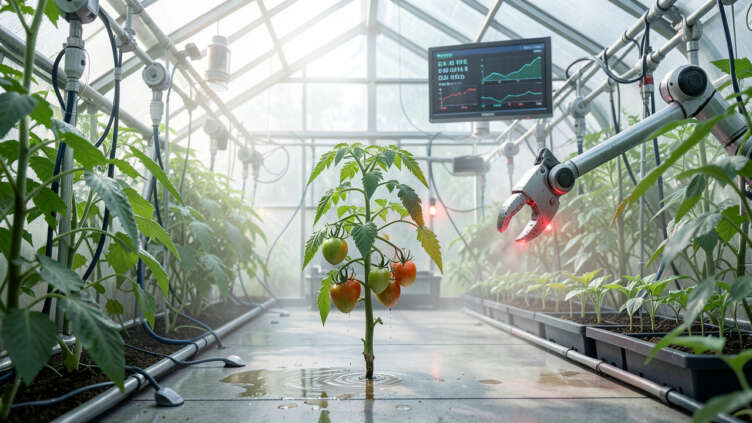
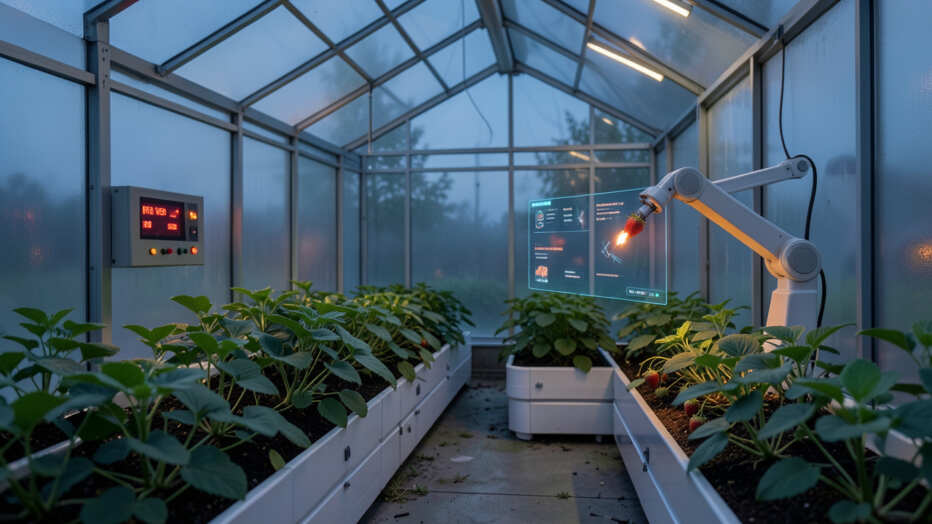
Smart greenhouse automation means using technology to control things like light, water, and temperature automatically. The goal is to create the perfect growing environment for plants. Sensors collect data, and a control system uses this data to make adjustments.
This can save time and help plants grow better.
Ensure sensors are properly calibrated to avoid inaccurate data that can lead to suboptimal plant conditions.
Why Automation is Key for Greenhouses
Greenhouses need precise conditions. Plants are sensitive to changes in their surroundings. Automation helps maintain these conditions without constant human effort.
It can mean more consistent plant growth and healthier crops. This technology makes managing a greenhouse much more efficient.
7 Automation Errors in Smart Greenhouses and How to Fix Them
Error 1: Overlooking Sensor Calibration
One of the biggest mistakes is not calibrating sensors. Sensors measure light, humidity, and temperature. If they are not set up right, they give wrong information.
This leads to the automation system making bad decisions.
For example, if a temperature sensor thinks it’s colder than it really is, the heater might turn on too much. This wastes energy and can harm plants. Regular calibration ensures your sensors are accurate.
Fixing Sensor Calibration Issues
Always check your sensor manuals. Many have built-in calibration features. You might need to reset them or use a known standard to check their readings.
Calibrate sensors when you first set them up and then every few months. This simple step makes a big difference.
Error 2: Incorrectly Setting Thresholds
Automation systems work based on thresholds. These are set points for when actions should happen. For instance, a threshold might be to water when the soil moisture drops below 30%.
Setting these thresholds too high or too low can be problematic. If the watering threshold is too high, plants might get too dry. If it’s too low, they might get overwatered.
Plant needs can also change based on their growth stage or the season.
Adjusting Thresholds for Optimal Growth
Research the specific needs of your plants. What are their ideal temperature, humidity, and moisture levels? Start with recommended settings and observe your plants.
Adjust thresholds gradually based on how your plants respond. Don’t be afraid to tweak them as you learn.
Error 3: Ignoring System Integration
Many smart greenhouses use different devices for different tasks. You might have one system for lights, another for fans, and another for irrigation. If these systems don’t talk to each other well, automation can fail.
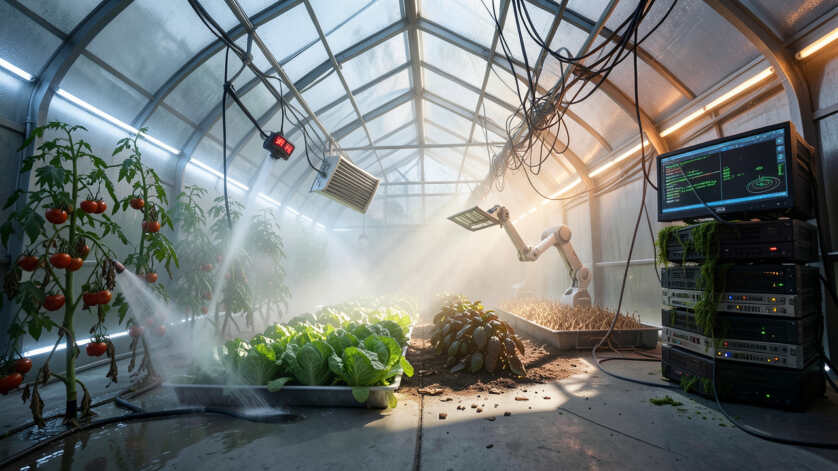
For example, if your lighting system doesn’t communicate with your ventilation system, you might have lights on when fans should be off, or vice-versa. This can lead to energy waste and create poor growing conditions.
Achieving Seamless Integration
When buying new equipment, check for compatibility. Look for systems that use common communication protocols. Open-source platforms or integrated smart home systems can help tie everything together.
A well-integrated system works like a team.
Error 4: Failing to Plan for Power Outages
Power outages can be a big problem for automated systems. If the power goes out, your sensors stop working, and your automated controls stop running. This can lead to rapid changes in the greenhouse environment.
Incorrect sensor readings are a common automation error that can result in excessive energy use and harm to plants.
For example, if the power cuts out on a hot day, ventilation stops. The temperature inside can rise quickly, potentially harming or killing plants. Irrigation systems also stop, leading to dry conditions.
Implementing Backup Solutions
Consider backup power options. A battery backup system can keep essential functions running for a while. Some systems can send alerts when power is lost, so you can intervene.
Planning for these events protects your investment.
Error 5: Over-Automating Everything
While automation is great, doing too much can be a mistake. Sometimes, simple manual checks are still important. Trying to automate every single thing can lead to more complex problems if something breaks.
For instance, automating nutrient delivery precisely might seem good, but if the system fails, it could deliver too much or too little. A simple visual check of plant health can catch issues before automation errors do.
Finding the Right Balance
Focus automation on tasks that are repetitive, time-sensitive, or require high precision. Keep some manual checks in your routine, especially for observing plant health. This balance ensures your system is efficient but also resilient.
Error 6: Not Monitoring and Logging Data
Many automation systems collect data. This data is a goldmine for improving your greenhouse. If you don’t monitor or log this information, you miss opportunities to learn and fix issues.
Without logs, it’s hard to see patterns. You won’t know if certain conditions led to better growth or if specific errors happened at certain times. This makes troubleshooting much harder.
Using Data for Improvement
Regularly review your data logs. Look for trends in temperature, humidity, light, and plant growth. Use this information to fine-tune your automation settings.
Data helps you understand what works best for your specific greenhouse and plants.
Error 7: Neglecting Maintenance
Automation systems, like any technology, need maintenance. Sensors can get dirty, wires can fray, and software can become outdated. Ignoring maintenance is a sure way to invite errors.
A dirty sensor won’t read accurately. A loose connection can cause intermittent failures. Outdated software might have bugs or security issues that affect performance.
Regular checks keep everything running smoothly.
Establishing a Maintenance Schedule
Create a schedule for checking your equipment. Clean sensors, check wiring, and update software as needed. Follow the manufacturer’s recommendations for maintenance.
A little regular care prevents big problems down the line.
Frequently Asked Questions
Question: What is the most common automation error for beginners in smart greenhouses?
Answer: The most common error is not calibrating sensors correctly. Beginners often assume sensors are accurate right out of the box, which is not always true. This leads to incorrect environmental readings and faulty automation decisions.
Question: How often should I calibrate my greenhouse sensors?
Answer: It’s best to calibrate sensors when you first set them up. After that, calibrate them every few months, or more often if you notice unusual readings or plant stress. Always refer to your sensor’s manual for specific recommendations.
Question: What happens if my smart greenhouse loses power?
Answer: If your smart greenhouse loses power, all automated functions will stop. This can lead to drastic changes in temperature, humidity, and lighting, which can harm your plants. It’s important to have backup power solutions in place.
Question: Is it possible to automate too much in a smart greenhouse?
Answer: Yes, it is possible to over-automate. Relying solely on automation without any manual checks can lead to issues if the system fails. It’s important to find a balance and keep some manual oversight for plant health and system checks.
Question: How does data logging help improve my smart greenhouse?
Answer: Data logging provides valuable insights into your greenhouse’s environmental conditions and how they affect plant growth. By reviewing this data, you can identify trends, understand what settings work best, and fine-tune your automation for optimal results.
Final Thoughts
Setting up a smart greenhouse involves learning new things, and some automation mistakes are common. We covered the main 7 Automation Errors in Smart Greenhouses that beginners often encounter. You learned about calibrating sensors, setting thresholds, integrating systems, preparing for power outages, the dangers of over-automating, and the importance of monitoring data and performing maintenance.
By following these simple tips, you can avoid these pitfalls and create a thriving, automated environment for your plants. Your smart greenhouse will run much smoother now.