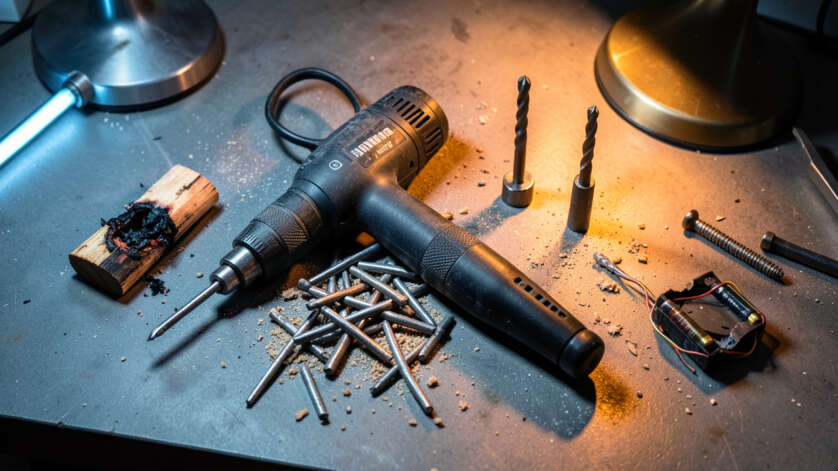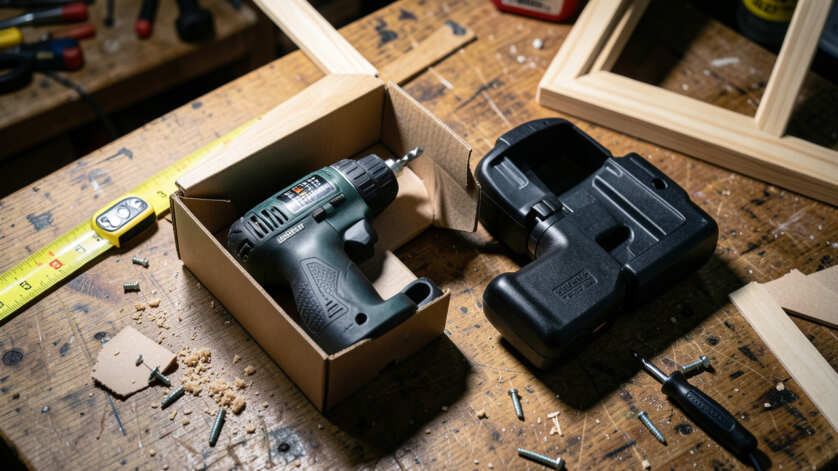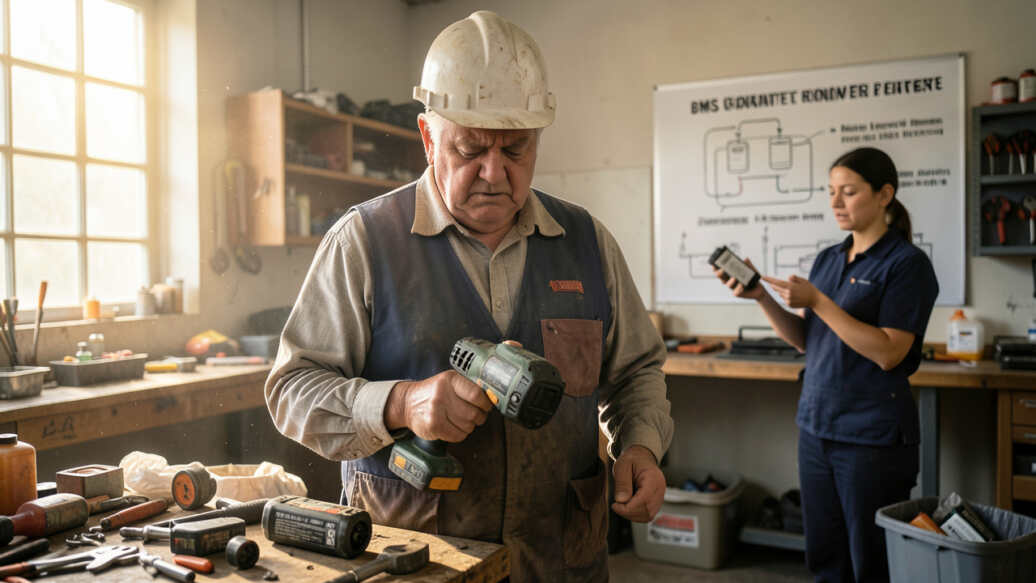

Many pro contractors don’t know that replacement batteries must match the tool’s exact voltage and include a quality battery management system that prevents overheating and overdischarge. Ignoring amp-hour ratings for runtime or picking the cheapest option commonly results in poor performance and a dramatically shorter lifespan. Prioritizing compatibility with the specific tool brand and model, along with proper storage and charging habits, can double the service life of a new replacement battery.
Buying a replacement battery can feel like a quick fix when your power tool dies mid-job. But many pro contractors skip critical checks that lead to poor performance or safety risks.
Simply put, the right replacement battery matches your tool’s voltage and chemistry exactly, delivers consistent power under load, and includes a quality battery management system to prevent overheating and overdischarge.
Key Takeaways
- Replacement battery voltage must match the tool exactly—using a different voltage can damage both the battery and the tool.
- Ignore the cheapest option; low-cost replacement batteries often lack vital safety circuits and degrade faster on the job.
- Prioritize amp-hour (Ah) rating for runtime, but don’t overshoot if your tool isn’t rated for high-capacity packs.
- Always check compatibility with your specific tool brand and model before purchasing a replacement battery.
- Proper storage and charging habits can double the lifespan of a new replacement battery, saving you money over time.
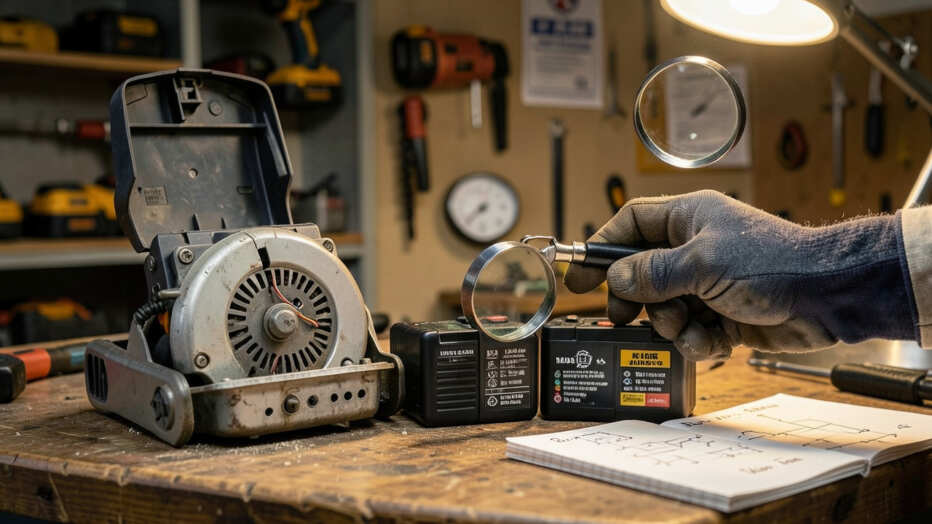
What to Look for in a Replacement Battery for Contractor Tools
Your replacement battery needs to deliver consistent power hour after hour. Start by confirming the physical shape and terminal layout—even if the voltage matches, a different connector type won’t fit.
Next, evaluate the cell quality. Reputable replacement batteries use cells from manufacturers like Samsung, LG, or Panasonic. Cheap alternatives often use generic cells that sag under load and generate excess heat.
- Voltage rating: Must be identical to the original pack (e.g., 18V, 20V, 36V).
- Amp-hour (Ah) capacity: Higher Ah means longer runtime but adds weight.
- Chemistry type: Lithium-ion is standard now, but some older tools still use NiCad.
- Build quality: Look for reinforced casing and sealed seams to resist dust and moisture.
- Battery Management System (BMS): Essential for preventing overcharge, overdischarge, and short circuits.
- Brand reputation: Stick with known manufacturers or OEM parts for reliability.
- Warranty terms: A good replacement battery should come with at least a one-year warranty.
| Feature | Why It Matters | Red Flag If Missing |
|---|---|---|
| Voltage match | Prevents tool damage and fire risk | Battery runs hotter or tool runs slower |
| Cell brand | Quality cells last longer and deliver steady current | Unknown cell labels or no branding |
| BMS circuit | Protects battery from overcharge, overdischarge, and short circuits | Battery charges quickly but runs out fast |
According to the Power Tool Institute, nearly 70% of premature battery failures stem from incompatible voltage or poor cell quality. Checking these specs before you buy saves you from downtime on the job.
Tip: Always test a replacement battery under load before relying on it for a full workday. Brief bench testing can reveal voltage sag early.
Understanding Key Battery Specifications for Pro Use
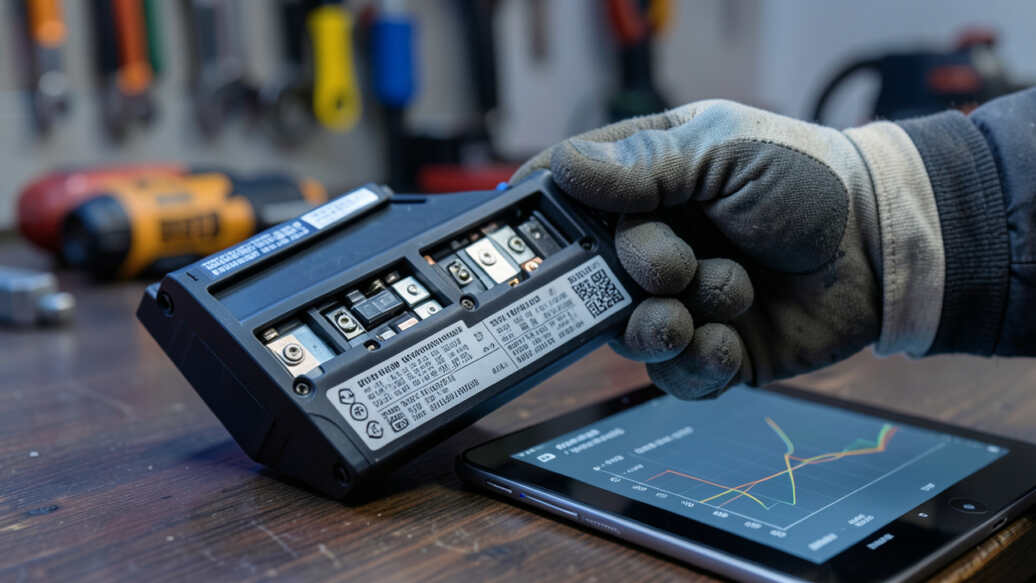
Voltage and amp-hours are the most cited specs, but pro contractors also need to understand discharge rate and cycle life. The discharge rate, measured in amps, determines how fast the battery can deliver power to a high-demand tool like a circular saw.
Cycle life refers to how many full charge-discharge cycles a replacement battery can handle before its capacity drops below 80%. High-quality lithium-ion packs typically offer 500 to 1,000 cycles, while cheaper ones may fail after 200.
| Specification | Ideal Range for Contractor Tools | Reason |
|---|---|---|
| Voltage | 18V–36V (cordless tools) | Matches most power tools’ motor requirements |
| Amp-hour (Ah) | 3.0 Ah–9.0 Ah | Higher Ah extends runtime but increases weight |
| Discharge rate (C-rate) | 15A–30A continuous | Sufficient for high-draw tools like saws and grinders |
| Cycle life | 500+ cycles | Ensures long-term value for daily job use |
Don’t ignore the internal resistance. High internal resistance causes the battery to heat up quickly and deliver less power under load. Quality replacement batteries maintain low internal resistance throughout their life.
Common Mistakes When Buying a Replacement Battery
Pro contractors often grab the first replacement battery that fits, but that approach leads to frequent failures. The most common error is assuming all batteries with the same voltage are interchangeable—chemistry differences matter.
Another mistake is ignoring the tool’s age. Older tools may not support newer battery technologies, such as higher discharge rates or different charging profiles. Using a modern lithium-ion pack on an old NiCad charger can cause immediate damage.
- Buying based on price alone: Cheap replacement batteries often cut corners on safety and cell quality.
- Overlooking physical dimensions: Some batteries may fit the tool but block access to other components or ventilation slots.
- Skipping compatibility checks: Not all aftermarket batteries work with proprietary charging systems from brands like DeWalt or Milwaukee.
- Ignoring BMS features: Without a proper BMS, the battery risks overcharging, which can lead to swelling or fire.
- Using the wrong charger: Even if the battery fits, using an incompatible charger reduces lifespan.
Warning: Never charge a replacement battery that shows visible swelling or heat damage. Replace it immediately to avoid safety hazards.
The Equipment Safety Council reports that improper battery matching causes up to 15% of cordless tool injuries on worksites. Avoiding these mistakes keeps your crew safe and your tools running.
How to Match a Replacement Battery to Your Equipment
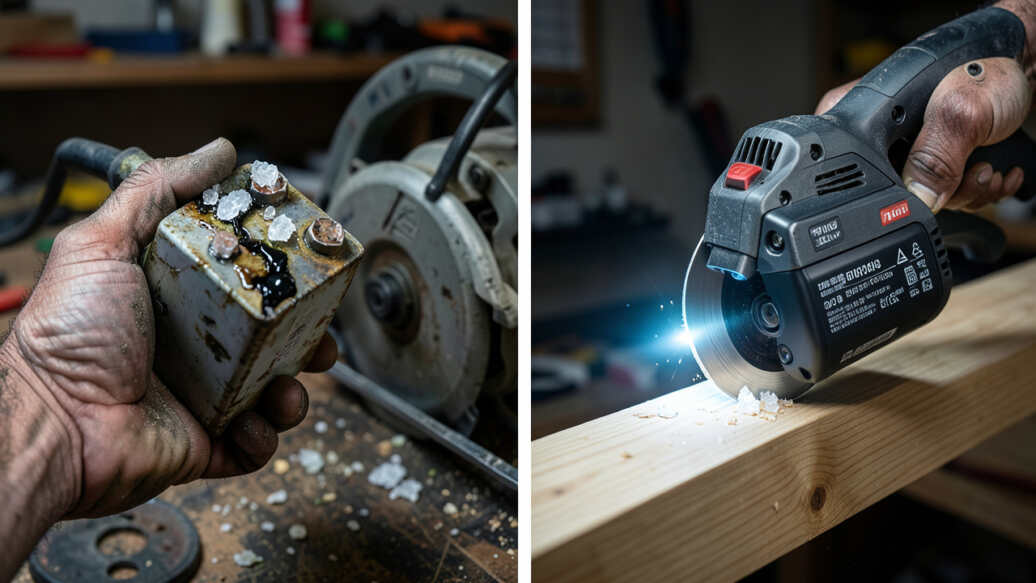
Start by checking the original battery’s label for voltage, Ah rating, and model number. If the label is worn, consult the tool manufacturer’s website or user manual. Most brands list compatible replacement batteries on their support pages.
Next, consider the tool’s power demand. Cordless drills and impact drivers work fine with standard 3.0 Ah packs. High-draw tools like angle grinders or reciprocating saws benefit from 5.0 Ah or higher packs that sustain higher discharge rates.
- Match the voltage exactly—even 0.5V difference can cause issues.
- Confirm the battery platform: Some brands like Makita use multiple form factors (e.g., CXT vs LXT).
- Check compatibility with your charger: Some chargers only support certain cell chemistries.
- Verify the terminal configuration: Some batteries have slide-on, others have snap-on connections.
- Test fit before purchase if possible: Online returns can be costly for battery packs.
According to a survey by Tools & Equipment Weekly, over 40% of contractors who bought off-brand replacement batteries reported fit issues within the first week. Doing your homework upfront avoids this hassle.
Why Battery Brand Matters for Professional Contractors
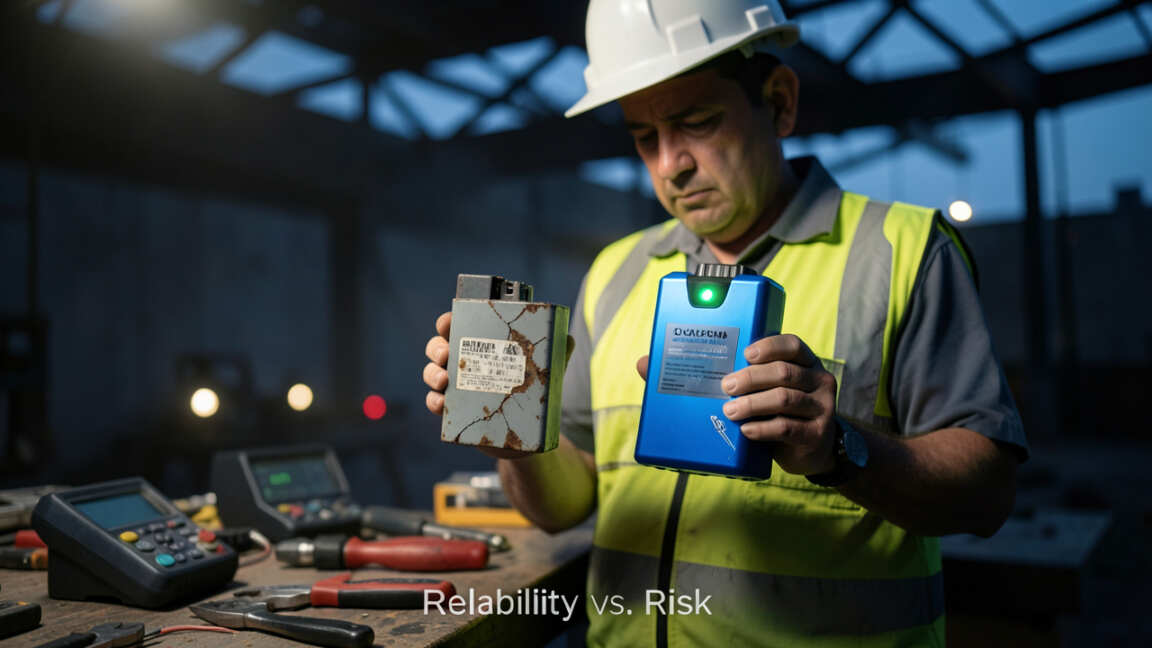
Brand-name replacement batteries often undergo rigorous testing for vibration, temperature extremes, and drop resistance. Third-party sellers can offer quality packs, but you must vet the manufacturer’s reputation. Look for brands that explicitly state the cell origin and BMS certification.
OEM (Original Equipment Manufacturer) batteries are always safe bets because they’re designed for your tool’s exact power profile. However, they cost more. Trusted third-party brands like DeWalt, Makita, and Milwaukee also license their battery platforms to certified partners.
| Brand Type | Pros | Cons |
|---|---|---|
| OEM (original) | Perfect fit, full warranty, proven reliability | Higher cost, limited availability for older models |
| Certified Aftermarket | Lower price, often comparable specs | Inconsistent quality, shorter lifespan |
| Generic/Unbranded | Very cheap, quick replacement | No warranty, safety risks, poor performance |
Consumer Reports notes that unbranded replacement batteries fail at a rate three times higher than OEM packs. For daily professional use, investing in a reliable brand reduces downtime and tool wear.
Important: Some aftermarket replacement batteries lack UL or CE certification. Always look for these safety marks on the packaging.
The Role of Battery Management Systems in Replacement Batteries
A Battery Management System (BMS) is a small circuit board inside the replacement battery that monitors voltage, temperature, and current. It prevents the battery from operating outside safe limits. Pro contractors rely on BMS to avoid thermal runaway on the jobsite.
Cheap replacement batteries often omit the BMS entirely or use a stripped-down version. Without it, the battery can overcharge, causing cells to swell or leak. A functioning BMS also balances the charge across individual cells, which extends overall cycle life.
- BMS disables discharge if voltage drops too low, preventing cell damage.
- BMS stops charging when voltage reaches maximum, reducing fire risk.
- BMS cuts power if internal temperature exceeds safe levels (typically around 140°F).
- BMS balances cell voltages during charging for even wear.
- BMS monitors short circuits and shuts down the battery instantly.
Always verify that your replacement battery includes a BMS. Look for terms like “smart battery” or “protected pack” in the product description. The US Consumer Product Safety Commission reported a spike in battery-related recalls for packs without proper protection circuits.
How to Extend the Life of Your Replacement Battery
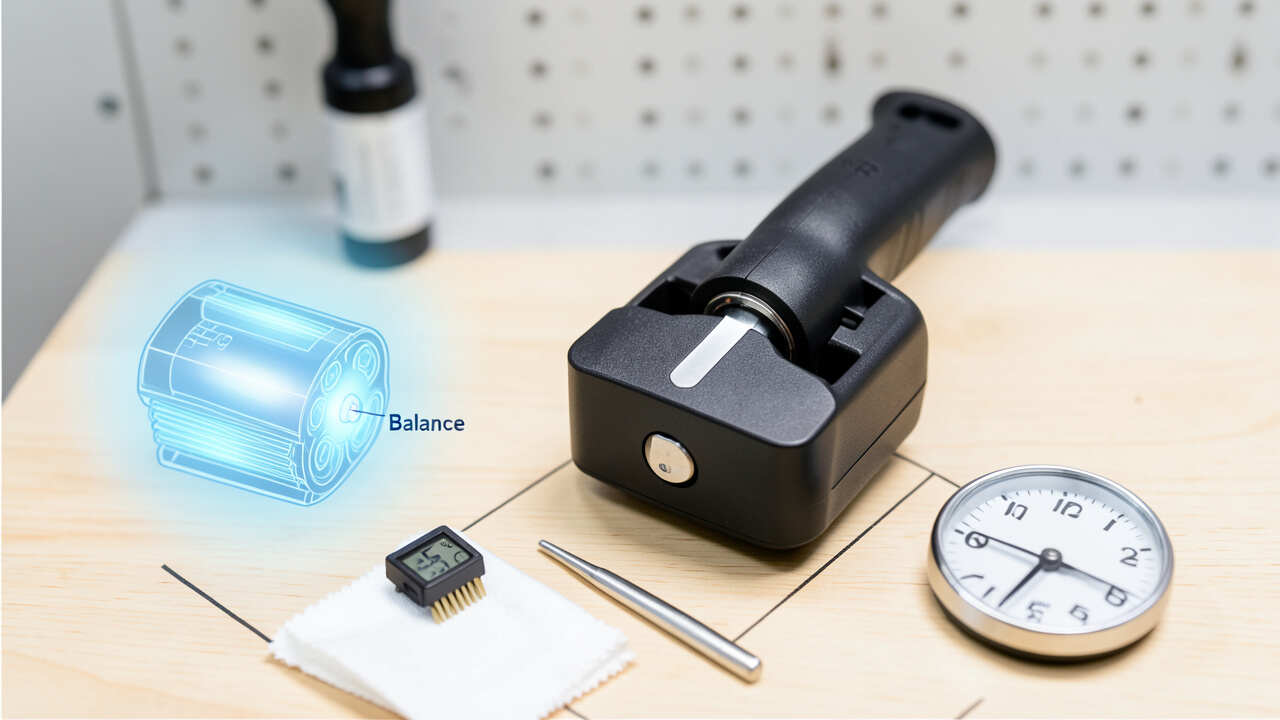
Proper storage and charging habits can double the usable life of any replacement battery. Avoid leaving batteries fully discharged for long periods—lithium-ion packs self-discharge and can drop below safe voltage levels if left unattended.
Temperature is the biggest enemy. Storing batteries in a hot van or freezing garage accelerates chemical degradation. The ideal storage temperature is between 50°F and 80°F.
Also, avoid charging immediately after heavy use; let the battery cool down for 30 minutes first.
- Store at 40-60% charge if not using for weeks at a time.
- Use the original charger from the tool brand for optimal charging.
- Clean battery contacts with a dry cloth to remove dust and debris.
- Avoid dropping the battery—internal connections can loosen.
- Rotate between multiple packs to distribute wear evenly.
- Never expose to water or submersion, even if marketed as water-resistant.
According to a study by Battery University, proper storage alone can increase cycle life by up to 40%. Incorporating these habits into your daily routine keeps your replacement battery performing well for years.
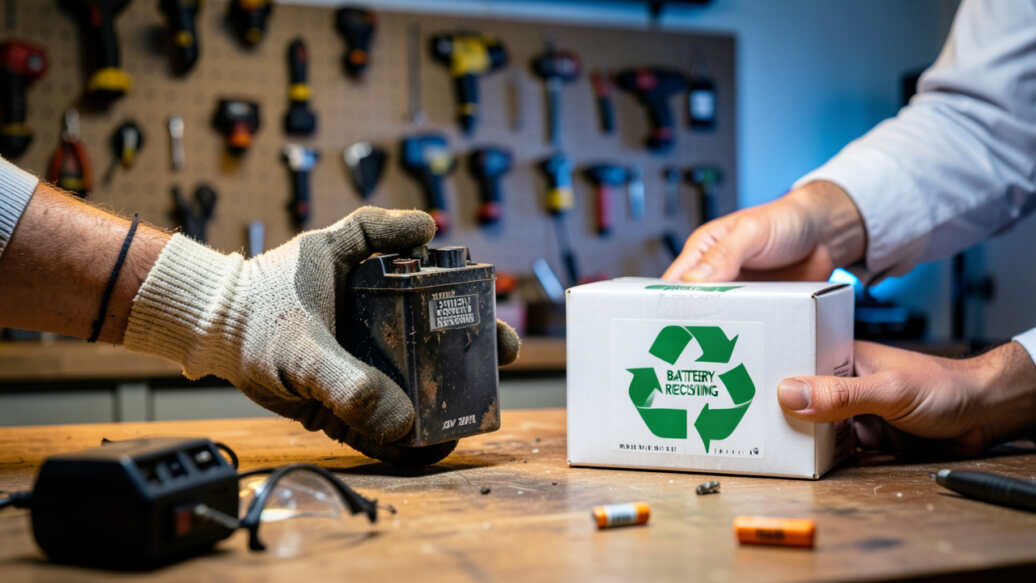
What to Do With Old Batteries Safely
Old replacement batteries shouldn’t end up in the trash—they contain hazardous materials. Most local hardware stores and recycling centers accept lithium-ion and NiCad packs for proper disposal. Some brands like Home Depot offer drop-off bins near the entrance.
Before recycling, discharge the battery fully to reduce fire risk during transport. If the battery is swollen or damaged, place it in a non-conductive bag (like a ziplock) and label it clearly. Never store old batteries in direct sunlight or near flammable materials.
- Check local regulations for battery disposal in your area.
- Find a certified recycling facility through Call2Recycle.org.
- Remove or cover terminals with tape to prevent short circuits.
- Keep old batteries separate from household trash and metal items.
- Consider repurposing non-functional packs for DIY power storage projects if safe.
The Environmental Protection Agency encourages contractors to participate in battery recycling programs to reduce landfill waste. Proper disposal also protects your worksite from potential fines for improper waste handling.
Frequently Asked Questions
Can I use a higher amp-hour battery in my tool?
Yes, as long as the voltage matches. Higher Ah packs provide longer runtime but add weight and may affect balance. Some older tools may not support high-capacity packs due to physical size constraints.
Are aftermarket replacement batteries safe for professional use?
Many aftermarket replacement batteries are safe if they include a BMS and use quality cells. Always check for safety certifications like UL, CE, or RoHS before purchasing.
How do I know if a replacement battery is compatible with my charger?
Check the charger’s voltage rating and chemistry support. Some chargers only charge NiCad or lithium-ion, not both. Look for matching brand or universal compatibility labels.
What causes a replacement battery to swell?
Swelling typically results from overcharging, deep discharging, or exposure to high heat. A swollen battery indicates internal cell damage—replace it immediately and recycle safely.
How long should a contractor-grade replacement battery last?
With proper care, a quality lithium-ion replacement battery lasts 2-4 years or 500-1,000 charge cycles. Professional daily use may shorten this to 1-2 years if stored poorly.
Final Thoughts
Choosing the right replacement battery goes beyond matching a shape and voltage. Focus on cell quality, BMS protection, and compatibility with your specific tools and chargers. Avoid the cheapest options and invest in proven brands to minimize downtime and ensure safety.
With the right battery, your tools will perform consistently job after job.