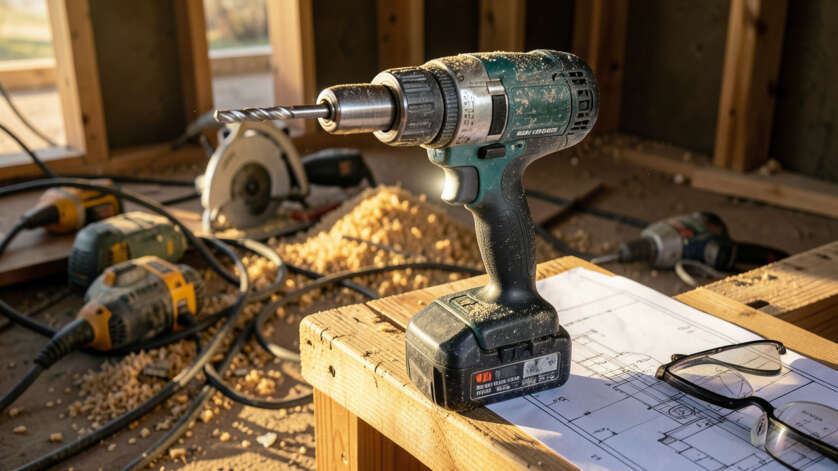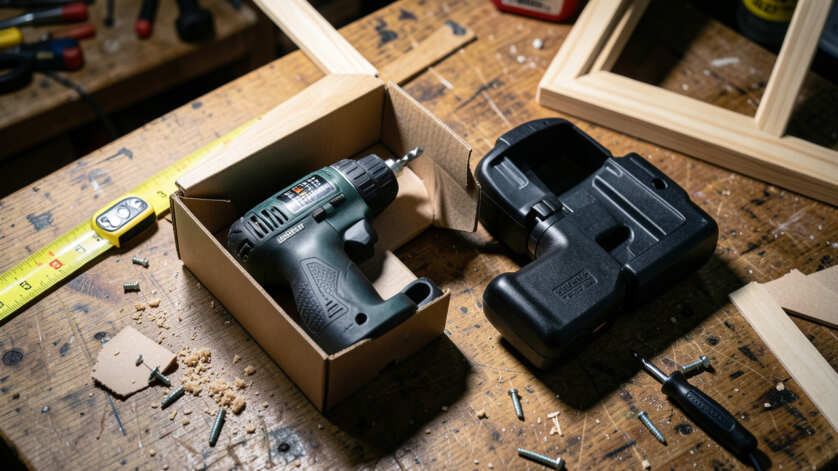

A drill-driver combo kit is a worthwhile investment for most home DIYers who regularly drill into wood, drywall, or metal and drive screws, offering unmatched portability and convenience for common repairs and furniture assembly. However, for heavy-duty tasks like concrete drilling or prolonged use, a corded drill typically provides superior power, making the combo kit less suitable for those demands. Choosing a combo kit also locks you into a battery ecosystem, so picking a reputable brand early saves long-term costs if you plan to expand your cordless tool collection.
Deciding whether a drill-driver combo kit belongs in your home DIY workshop can feel confusing with so many options on the market. This post breaks down the pros, cons, and practical use cases to help you make an informed choice—without wasting money or storage space.
Simply put, a drill-driver combo kit is worth it for most home DIYers who drill into wood, drywall, or metal and drive screws regularly. But if your projects never require cordless portability or you already own a capable corded drill, skipping the combo kit can save cash and clutter.
Key Takeaways
- Drill-driver combo kits offer unmatched portability and convenience for common home repairs and furniture assembly.
- The main trade-off is power vs. cordless freedom — many corded drills outperform budget combo kit drills.
- Your decision hinges on project type: light-to-medium work favors combo kits; heavy-duty drilling demands corded tools.
- Battery ecosystem lock-in matters — picking a brand early saves long-term cost.
- Skip the combo kit if you rarely drill away from an outlet or need high torque for masonry and thick steel.
What Is a Drill-Driver Combo Kit?
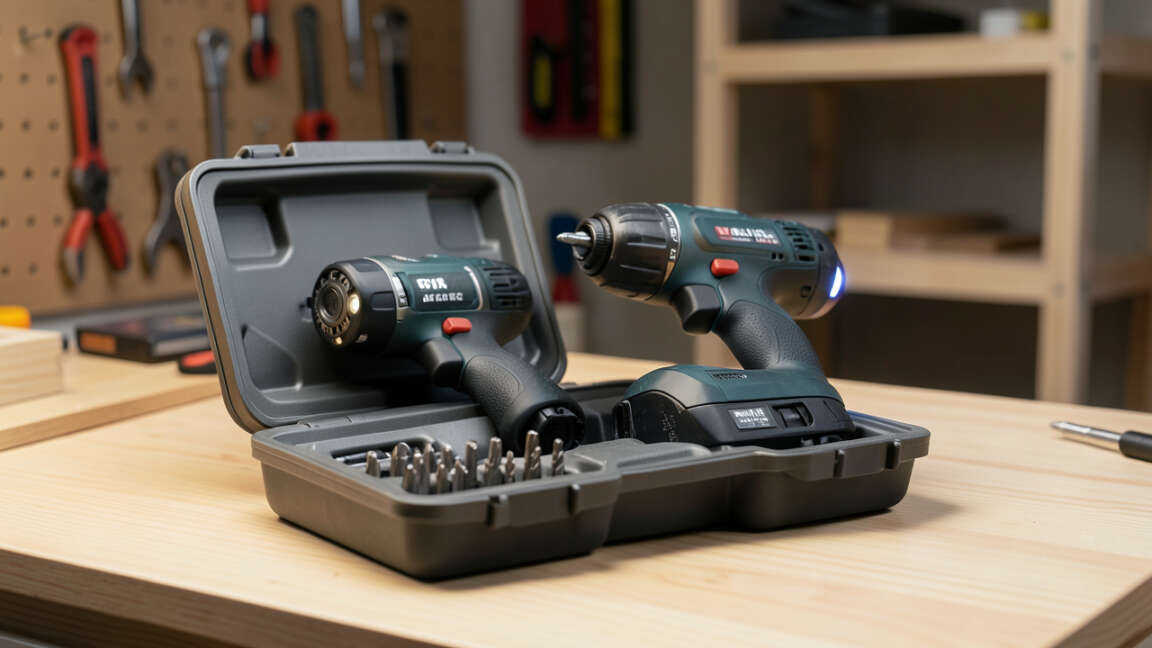
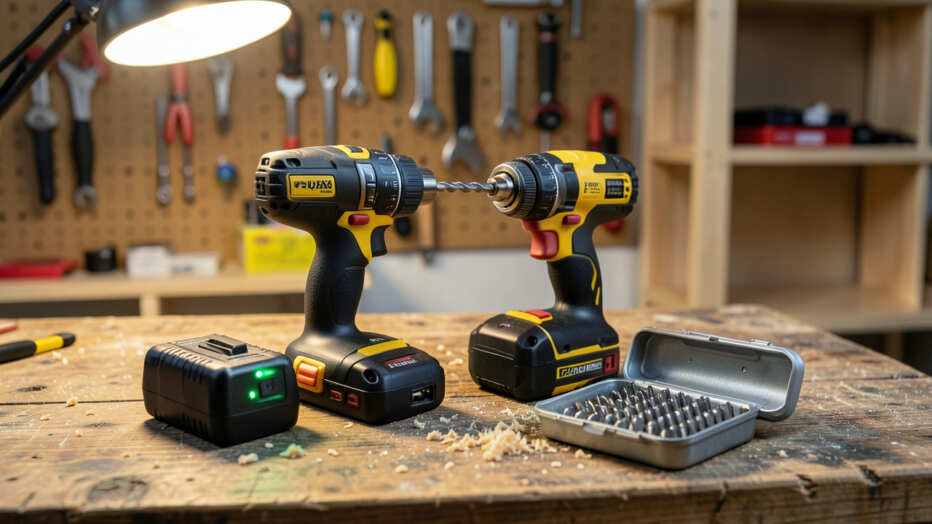
A drill-driver combo kit typically includes a cordless drill/driver, a compact impact driver, two batteries, a charger, and a carrying bag or case. Some kits also add a flashlight or extra bits. The two tools serve different purposes: the drill/driver handles drilling holes and driving screws, while the impact driver delivers high rotational torque for stubborn fasteners.
Most combo kits run on 12V, 18V, or 20V lithium‑ion platforms. The 18V/20V class is the sweet spot for homeowners, offering enough power for almost any residential task without the weight of professional 24V+ systems. Brands like DeWalt, Milwaukee, Makita, and Ryobi dominate this space.
- Drill/driver: Keyless chuck, adjustable clutch, variable speed trigger — ideal for drilling pilot holes and driving screws.
- Impact driver: Hex collet, 1/4‑inch bit holder, high‑torque concussive blows — best for sinking long screws into hardwoods and removing rusted bolts.
- Batteries: Usually two 2.0Ah–5.0Ah batteries. Higher Ah means longer runtime but more weight.
- Charger: Fast chargers (30–60 min) vs. standard (2–3 hours) — important for continuous work.
- Carrying case: Molded hard case or soft bag. Hard cases protect better, soft bags save space.
Important: Not all combo kits include the same battery size. Always check the amp‑hour (Ah) rating — 2.0Ah is fine for light work, but 4.0Ah+ is needed for extended drilling sessions.
Benefits of Adding a Combo Kit to Your Workshop
The biggest advantage of a drill-driver combo kit is freedom from cords. You can drill shelves onto studs, assemble furniture in the backyard, or repair a fence without dragging an extension cord. The second key benefit is having both tools ready — swapping between drilling and driving takes seconds because each tool stays loaded.
According to a 2023 survey by the Power Tool Institute, 78% of home DIYers who own a combo kit report completing projects faster than with a single drill or corded tool. The convenience of two dedicated tools reduces frustration and rework.
| Benefit | Why It Matters |
|---|---|
| Cordless mobility | Work anywhere without outlet proximity |
| Reduced tool switching | Drill/driver for holes, impact driver for screws — no bit changes |
| Battery ecosystem | One platform powers multiple tools (saws, lights, vacuums) |
| Cost savings vs. buying separately | Combo kits are usually 20–30% cheaper than tool + battery + charger sold individually |
| Good power for residential tasks | Most 18V drills handle 2-inch spade bits and 1/2-inch masonry bits in brick |
These benefits make combo kits a strong choice for weekend warriors who tackle a variety of tasks. The convenience alone can encourage you to start more projects — which is often the biggest hurdle for beginners.
Drawbacks to Consider Before Buying
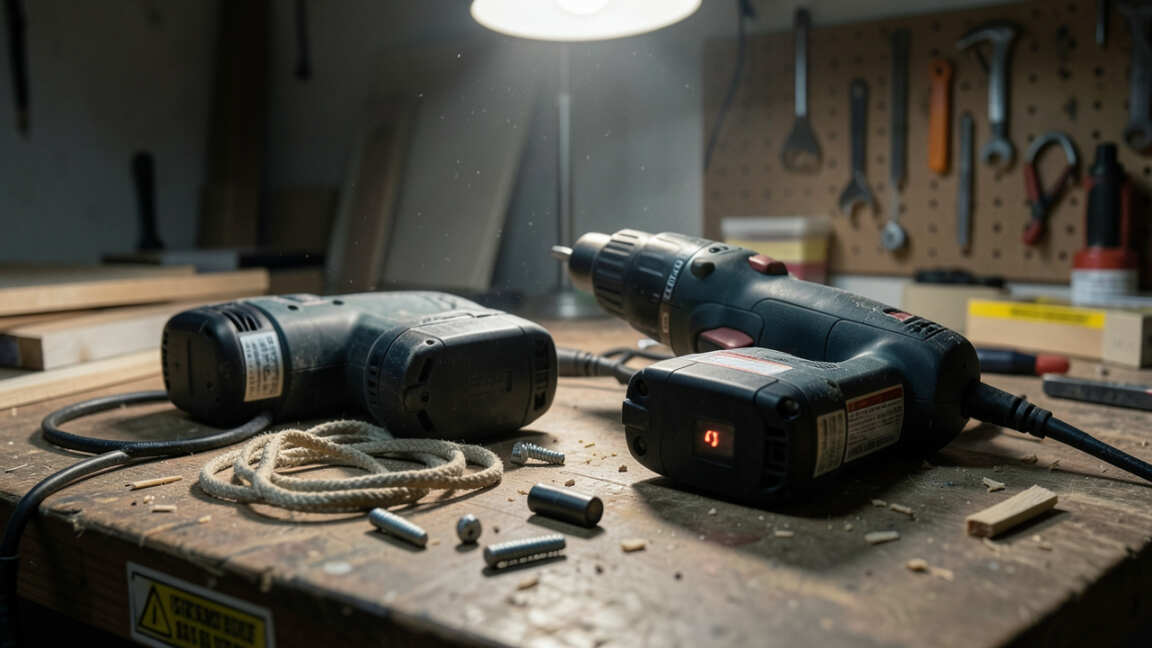
No tool is perfect, and drill-driver combo kits have limitations that may push you to skip them. The most common complaint is torque: entry‑level combo kits with brushed motors struggle with large hole saws, thick hardwood, or concrete drilling. If your workshop sees heavy framing or metal fabrication, a corded hammer drill will outperform any battery combo kit.
Battery life is another hidden cost. A kit with two 2.0Ah batteries might give you only 30–40 minutes of continuous drilling. For large projects, you’ll need extra batteries — adding $60–$100 each.
Plus, lithium‑ion cells degrade over 2–3 years, so you’ll eventually replace the whole set.
| Drawback | Impact on DIYer |
|---|---|
| Lower max torque vs. corded drills | Cannot drill through 1/2-inch steel plate or large masonry |
| Battery replacement cost | Replacing two batteries every 3 years = $100–$200 total |
| Weight and size | 18V drill with battery weighs 4–5 lbs — tiring for overhead work |
| Battery platform lock‑in | Once you buy into one brand, switching costs are high |
| Limited hammer drill function | Most combo drills have a weak hammer action — not for concrete anchors |
Another drawback is ecosystem lock‑in. If you start with a Ryobi combo kit, you’ll likely buy Ryobi batteries and tools for years. That’s fine if you like the brand, but you lose flexibility to mix and match the best tools from different manufacturers.
Warning: Cheap no‑name combo kits under $50 often have underpowered motors, poor battery life, and no warranty. They can overheat during heavy use — avoid them for anything beyond light craft projects.
When You Should Skip the Combo Kit
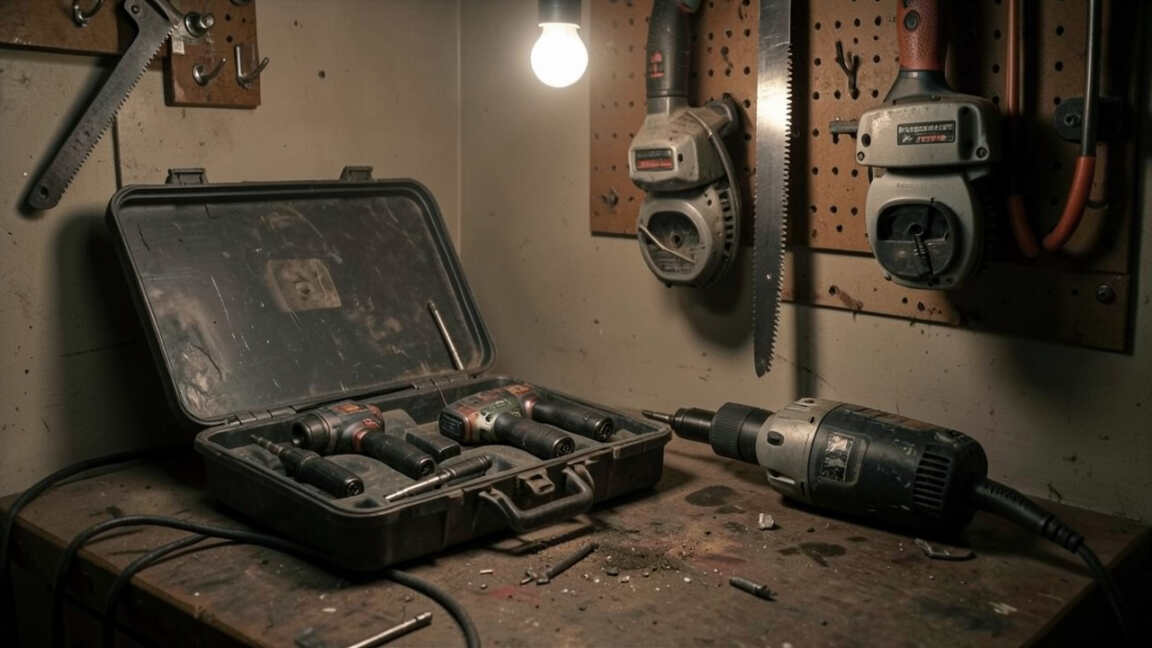
There are clear scenarios where investing in a drill-driver combo kit is a waste. If your workshop is already equipped with a quality corded drill (e.g., a ½‑inch variable‑speed model), the impact driver is the only new capability. But many homeowners rarely need an impact driver — it’s loud, heavy, and can snap small screws in softwood.
Skip the combo kit if you:
- Only drill into drywall and softwood: A simple cordless screwdriver or budget 12V drill is enough.
- Work mostly in one spot near an outlet: A corded hammer drill gives more power for less money.
- Hate managing batteries: If you forget to charge or lose accessories, corded tools are hassle‑free.
- Need high torque for metal fabrication or concrete anchors: A corded rotary hammer or heavy‑duty drill is essential.
- Have a very small budget: A good combo kit starts at $120; a basic corded drill costs $40 and outperforms many cheap cordless drills.
Tip: If you only do furniture assembly twice a year, borrow a combo kit from a neighbor or rent one for the day. The cost savings over buying is significant.
According to a report by the Home Improvement Research Institute, over 40% of DIYers who bought a combo kit admitted they rarely used the impact driver. The drill/driver alone handled 90% of their tasks. That’s a strong signal to evaluate your actual needs before buying.
How to Choose the Best Drill-Driver Combo Kit for Your Needs
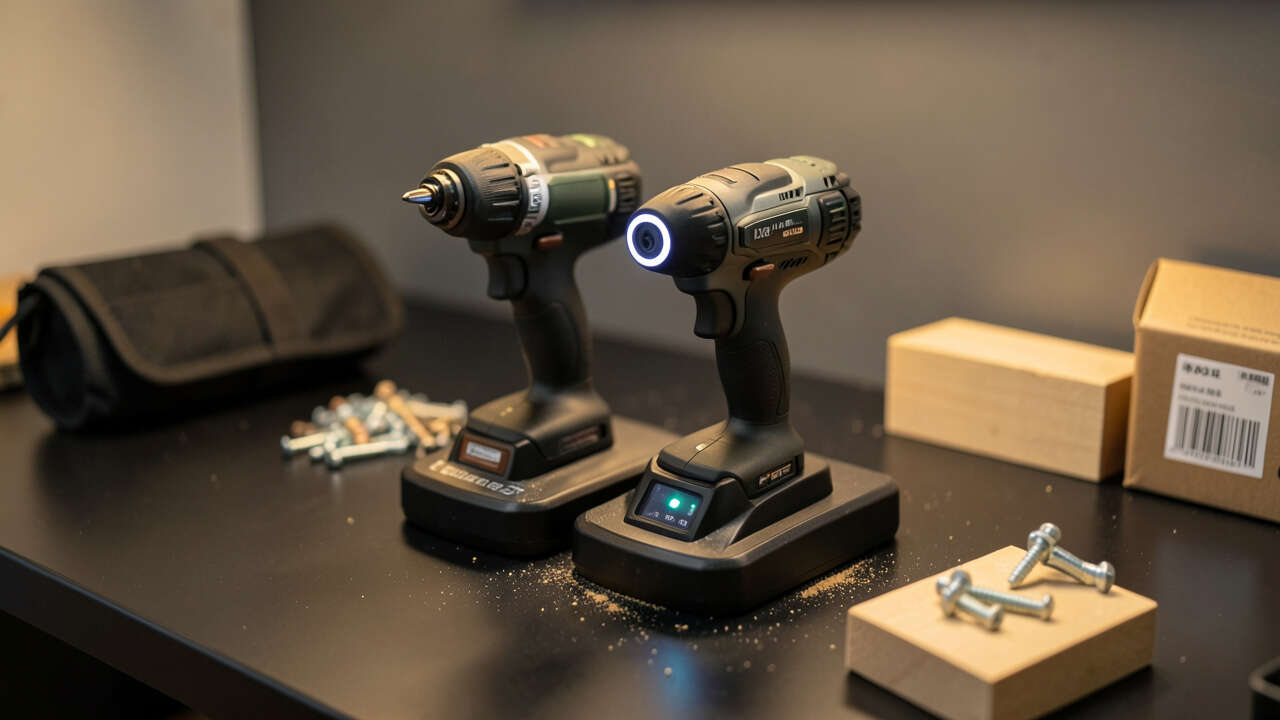
If you decide a combo kit is right for you, the next step is selecting the right one. Start by defining your primary projects — light home repairs vs. frequent deck building vs.
occasional automotive work. Then match the tool specs to those demands.
- Determine voltage class: 12V for light indoor work (furniture, curtain rods), 18V/20V for general DIY, 24V+ for professional continuous use.
- Look at torque ratings: A drill should offer 500–800 in‑lbs for DIY; an impact driver should have at least 1500 in‑lbs. Budget kits may only deliver 300–500 in‑lbs on the drill.
- Check chuck type: Keyless chucks are standard — avoid keyed chucks for cordless tools. A metal chuck is more durable than plastic.
- Consider brushless motors: They provide up to 50% more runtime and longer motor life than brushed motors. Worth the extra $20–30.
- Battery capacity: Two 4.0Ah batteries are ideal. If the kit comes with 2.0Ah, factor in buying at least one high‑capacity battery soon.
- Brand ecosystem: If you plan to add a circular saw, reciprocating saw, or leaf blower later, choose a brand with a wide range of tools on the same battery platform.
| Feature | Entry Level | Mid‑Range | Prosumer |
|---|---|---|---|
| Motor | Brushed | Brushless | Brushless |
| Batteries | 2 x 2.0Ah | 2 x 4.0Ah | 2 x 5.0Ah + fast charger |
| Torque (drill) | 350‑500 in‑lb | 600‑800 in‑lb | 1000+ in‑lb |
| Impact driver torque | 1200‑1500 in‑lb | 1800‑2200 in‑lb | 2500+ in‑lb |
| Price | $80‑$120 | $180‑$250 | $300‑$450 |
Use this table to quickly match your budget to the performance you need. Most home DIYers find mid‑range kits offer the best value — they last for years and handle 95% of typical tasks without struggling.
Common Mistakes DIYers Make with Combo Kits
Even the best drill-driver combo kit can become a headache if used incorrectly. Beginners often treat the impact driver like a regular drill, leading to stripped screws or broken bits. Others forget to match battery size to task — using a 2.0Ah battery for framing a deck leads to frequent swaps and frustration.
- Using the impact driver for drilling: It lacks a chuck and can’t hold twist drills. Only use hex‑shank bits.
- Ignoring clutch settings on the drill: Too high a setting when driving small screws into softwood strips the head. Start low and increase gradually.
- Leaving batteries discharged for months: Lithium‑ion packs can fall into deep discharge if stored below 20% charge. Keep them at 40–60% for long‑term storage.
- Buying the cheapest kit with no warranty: A $50 combo kit may fail in six months. Spend a little more for a brand that offers 3‑year warranties.
- Forgetting to check tool speed settings: Many drills have two speed ranges — low for driving screws, high for drilling. Using high for driving often causes cam‑out.
Warning: Never use an impact driver with standard twist drill bits — the collet does not grip round shanks securely, and the bit can fly out at high speed. Only use 1/4‑inch hex shank drills or screwdriver bits.
Another overlooked mistake is not reading the manual to understand the battery charge indicator. Some users assume the tool is fully charged when the indicator shows two out of three bars, leading to unexpected shutdowns mid‑project. Always fully charge before starting and keep the second battery rotating.
Frequently Asked Questions
Is a drill-driver combo kit worth it for a beginner DIYer?
Yes, if your projects involve drilling holes and driving screws into wood, drywall, or light metal. The combo kit gives you two dedicated tools at a lower cost than buying separately, and the cordless convenience makes it easy to learn anywhere.
Can a drill-driver combo kit handle concrete drilling?
Most standard combo kit drills have a hammer function, but it’s weak — suitable for small masonry anchors (1/4‑inch). For thicker concrete or rebar, you need a dedicated rotary hammer or SDS‑plus drill. Consider renting if you only have occasional concrete work.
How long do drill-driver combo kit batteries last?
Lithium‑ion batteries typically last 2–4 years with regular use, after which capacity diminishes. A 2.0Ah battery provides roughly 30 minutes of continuous drilling, while a 5.0Ah battery gives 75+ minutes. The number of charge cycles is rated between 300 and 500.
Should I buy a brushed or brushless combo kit?
Brushless motors are more efficient, quieter, and last longer — they can deliver up to 50% more runtime per charge. For regular use, spend the extra $30–50 on a brushless kit. Brushed kits are fine for occasional light projects.
Can I use one brand’s batteries with another brand’s tools?
No — batteries and chargers are proprietary to each brand. However, some third‑party adapters exist (e.g., Makita to Milwaukee), but they often disable safety features. Stick to one platform to avoid compatibility issues and warranty voids.
Final Thoughts
A drill-driver combo kit is a smart investment for most home DIY workshops — it offers unmatched portability and the right tools for everyday repairs and projects. But it’s not a universal solution: if your work is confined to a single outlet, or you need heavy‑duty performance, a corded drill and separate impact driver (or none at all) may serve you better. Assess your typical tasks honestly, choose a mid‑range brushless kit from a reputable brand, and you’ll likely enjoy years of reliable service without regret.