
Solar batteries fail primarily due to five common causes: temperature extremes, overcharging or undercharging, improper charge controller settings, excessive cycling, and inadequate maintenance. Heat accelerates internal chemical degradation, while cold reduces capacity and slows reactions; these environmental stresses are the leading source of premature failure. Proper charge management, correct battery sizing, and regular inspection can prevent the majority of these breakdowns and extend service life.
Solar battery systems are great for homes, but sometimes they stop working right. It can be confusing when you don’t know why. This guide is here to help.
We’ll look at 5 Reasons Solar Batteries Fail in a way that’s easy to get. You’ll learn what causes problems and how to fix them. Stick around, and we’ll walk through it step-by-step to make things clear.
Key Takeaways
- You will learn the top five reasons solar batteries stop working as expected.
- We will explain common issues like charging problems and temperature effects.
- This guide will show you how to spot signs of battery trouble early.
- You will get tips on how to take good care of your solar battery.
- Simple steps will be provided to help you troubleshoot common battery failures.
- We will cover how using your battery too much or too little can cause issues.
Why Solar Batteries Might Not Work
Solar batteries help store the sun’s power for when you need it. They are a key part of a solar setup. But like any tool, they can sometimes run into trouble.
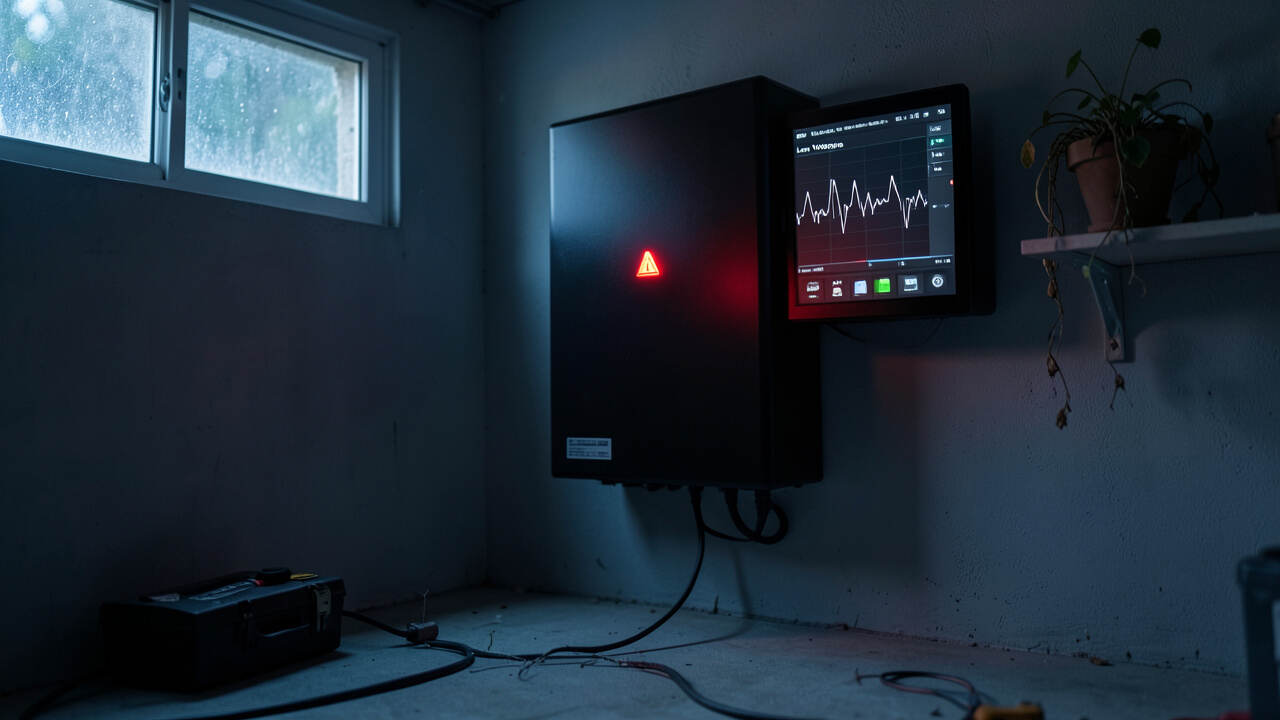
Regularly monitor your battery's temperature and voltage to catch signs of trouble before they lead to failure.
Knowing why they fail helps you keep them working well. This makes sure you get the most out of your solar energy.
The Top 5 Reasons Solar Batteries Fail
Let’s explore the main issues that can cause solar batteries to stop working. We will break them down so they are easy to grasp.
The most common failure modes stem from thermal stress, improper charging, and gradual degradation of internal components.

1. Temperature Extremes
Solar batteries are sensitive to how hot or cold it is. Very high temperatures can make the battery chemistry change too fast. This can damage the battery over time.
It’s like trying to run a race in super hot weather; it’s hard on you and your gear.
On the other hand, very cold weather can slow down the battery’s ability to charge and discharge. It might not perform as well. In some cases, extreme cold can also cause physical damage.
Batteries work best in a moderate temperature range.
Extreme heat accelerates chemical reactions inside the battery, leading to premature aging and capacity loss.
Impact of Heat
When a battery gets too hot, its internal components can degrade faster. This is especially true for the electrolyte, the liquid or gel inside that helps electricity flow. Heat can cause the electrolyte to dry out or break down.
Impact of Cold
Cold temperatures thicken the electrolyte. This makes it harder for ions to move around, which is how batteries store and release power. A slow electrolyte means a slow battery.
It won’t deliver power as quickly, and it might not charge fully.
Protecting Your Battery from Temperature
Many modern solar batteries have built-in protections. They can stop charging if they get too hot or too cold. Proper installation is key.
Make sure your battery is in a place that stays relatively cool in summer and not too freezing in winter. Some people use battery enclosures with fans or heaters, but this is usually for extreme climates.
2. Overcharging or Undercharging
Batteries need to be charged just right. Think of it like watering a plant. Too much water can drown it, and too little can make it dry out.
Solar batteries are similar.
Overcharging happens when a battery receives more power than it can safely hold. This can happen if the charge controller, which manages the power flow, isn’t set up correctly. Overcharging can cause the battery to overheat and damage its internal structure.
It’s like trying to stuff too much into a small box; something will get damaged.
Undercharging occurs when a battery isn’t fully charged regularly. If a battery is constantly left with a low charge, its capacity can decrease over time. This is called sulfation in lead-acid batteries.
Avoid leaving a lithium-ion battery fully discharged for extended periods, as the BMS can become confused and require professional reset.
For lithium-ion batteries, it can lead to a condition where the battery’s management system thinks the battery is empty even when there’s still some power left.
How Charge Controllers Work
A charge controller is like a traffic cop for electricity going into your battery. It ensures the battery gets the right amount of power at the right time. It prevents overcharging and can also help manage charging to avoid undercharging.
Signs of Charging Issues
If your battery seems to charge quickly but then drains just as fast, it might be a charging problem. You might also notice the battery is hotter than usual after charging, especially if it’s overcharging.
Ensuring Proper Charging
Make sure your solar installer configures the charge controller correctly for your specific battery type. Regularly check your system’s monitoring app to see how your battery is charging and discharging. It’s good practice to let your battery reach a full charge at least once a month if possible.
3. Age and Normal Wear
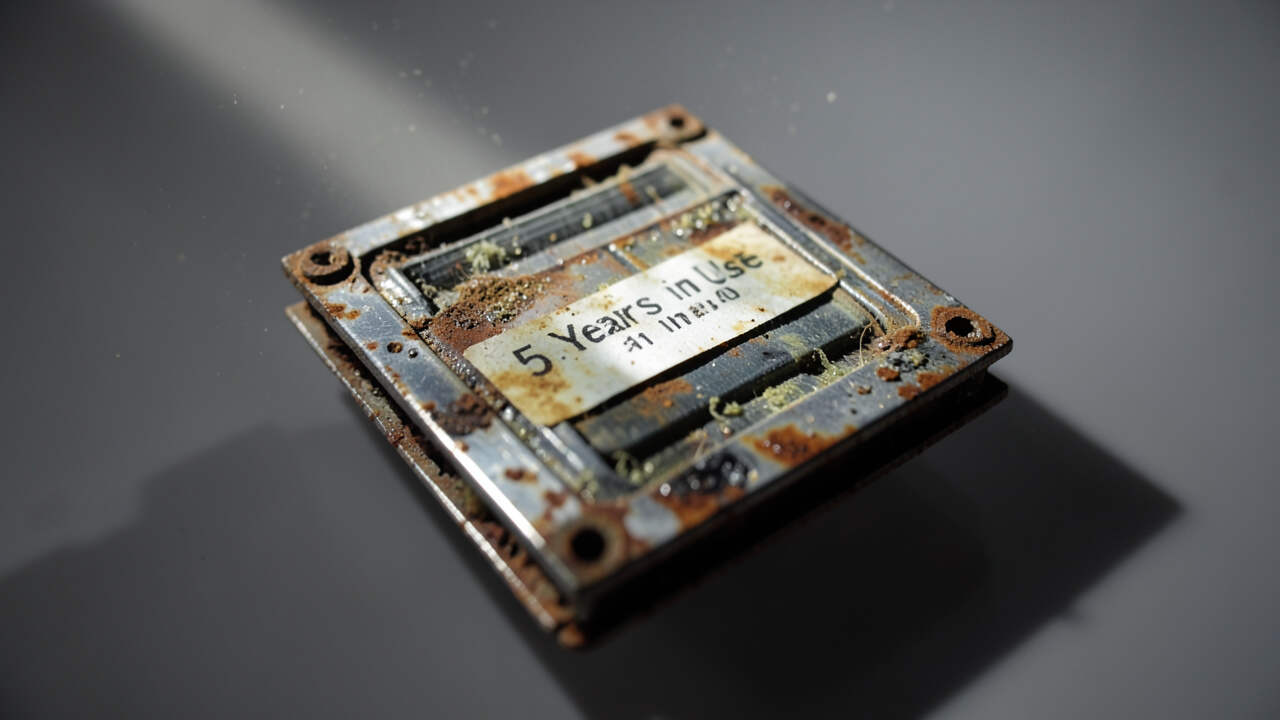
Like everything, solar batteries don’t last forever. They have a lifespan, usually measured in years or in the number of charge and discharge cycles they can handle. Each time you charge and discharge a battery, it uses up a tiny bit of its life.
Over time, the materials inside the battery start to break down. This is a natural process. Eventually, the battery won’t be able to hold as much power as it used to.
It’s like a phone battery that doesn’t hold a charge for very long after a few years of use.
Understanding Battery Lifespan
Different types of batteries have different lifespans. Lithium-ion batteries generally last longer than traditional lead-acid batteries. The number of cycles a battery is rated for is an important factor.
A battery's cycle life is finite; after reaching its rated cycles, capacity drops steadily, and failure becomes more likely.
A cycle is one full charge and discharge.
Cycles and Depth of Discharge
How much you use your battery each day affects its lifespan. If you use a lot of power from your battery each day, it will go through more cycles faster. Also, how deeply you discharge it matters.
Discharging a battery all the way down, or very close to empty, can put more stress on it than shallower discharges.
What to Expect with Aging Batteries
As a battery ages, you’ll likely notice it doesn’t store as much energy. Your solar system might seem to run out of stored power faster. The total energy your battery can provide will decrease.
Maximizing Battery Life
To make your battery last as long as possible, avoid draining it completely every day. Try to keep the depth of discharge within the manufacturer’s recommendations. Also, keeping the battery within its ideal temperature range, as discussed earlier, will help slow down wear and tear.
4. Faulty Battery Management System (BMS)
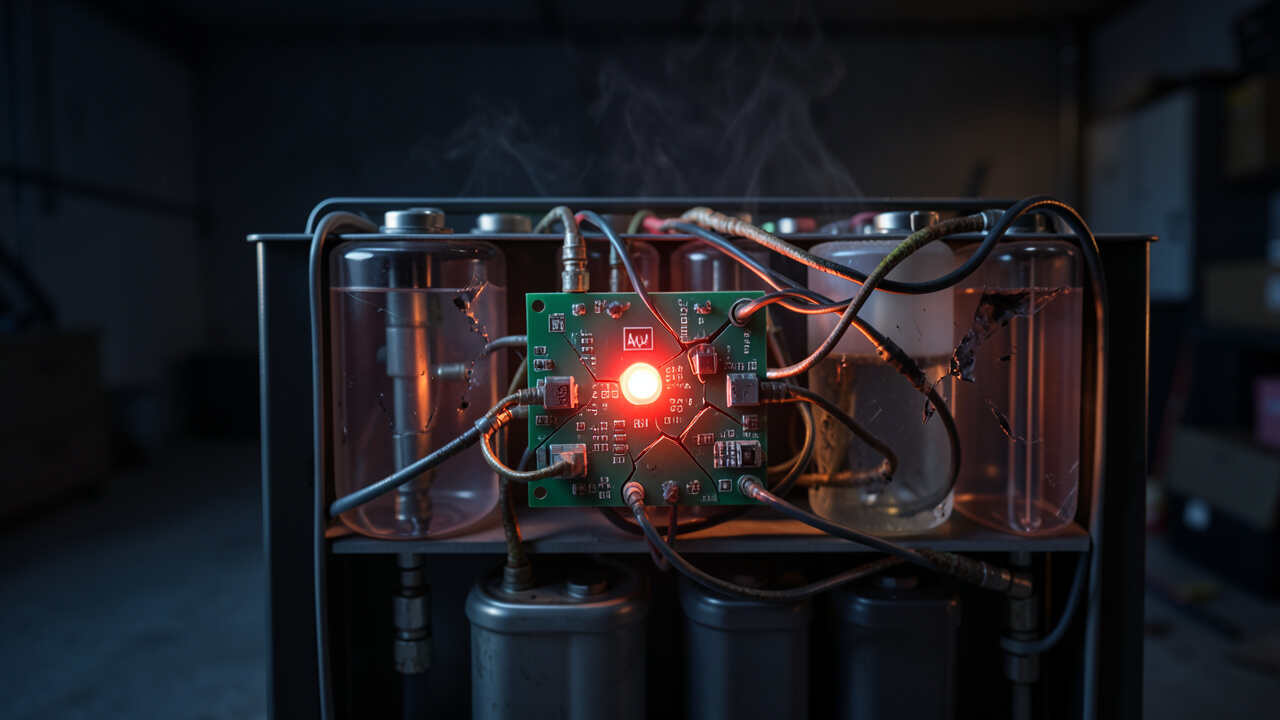
Many modern batteries, especially lithium-ion ones, have a Battery Management System (BMS). This is like the battery’s brain. It monitors things like voltage, current, and temperature for each cell inside the battery.
The BMS protects the battery from damage. It can disconnect the battery if something goes wrong, like if one part of the battery gets too hot or if the voltage goes too low or too high. It also helps balance the charge between different cells so they age evenly.
What a BMS Does
A BMS is essential for safety and performance. It ensures that the battery operates within safe limits. If the BMS detects a problem, it can shut down the battery to prevent a fire or other serious issues.
A faulty BMS can disconnect a battery even when no real danger exists, causing unexpected system shutdowns.
It also helps the battery perform at its best by making sure all cells are working together efficiently.
When the BMS Fails
If the BMS itself has a fault, it can cause problems. It might incorrectly report battery levels, shut down the battery when there’s no real danger, or fail to protect the battery when it’s needed. A faulty BMS can make a perfectly good battery seem like it’s broken.
Troubleshooting BMS Issues
Diagnosing a BMS issue can be tricky. Often, it requires specialized tools or knowledge. If you suspect your BMS is faulty, it’s best to contact the manufacturer or your installer.
They can usually check the BMS logs and determine if it’s the source of the problem.
5. Improper Installation or Usage
How a solar battery is installed and used day-to-day makes a big difference in its life. Even the best battery can fail if it’s not set up correctly or if it’s used in ways it wasn’t designed for.
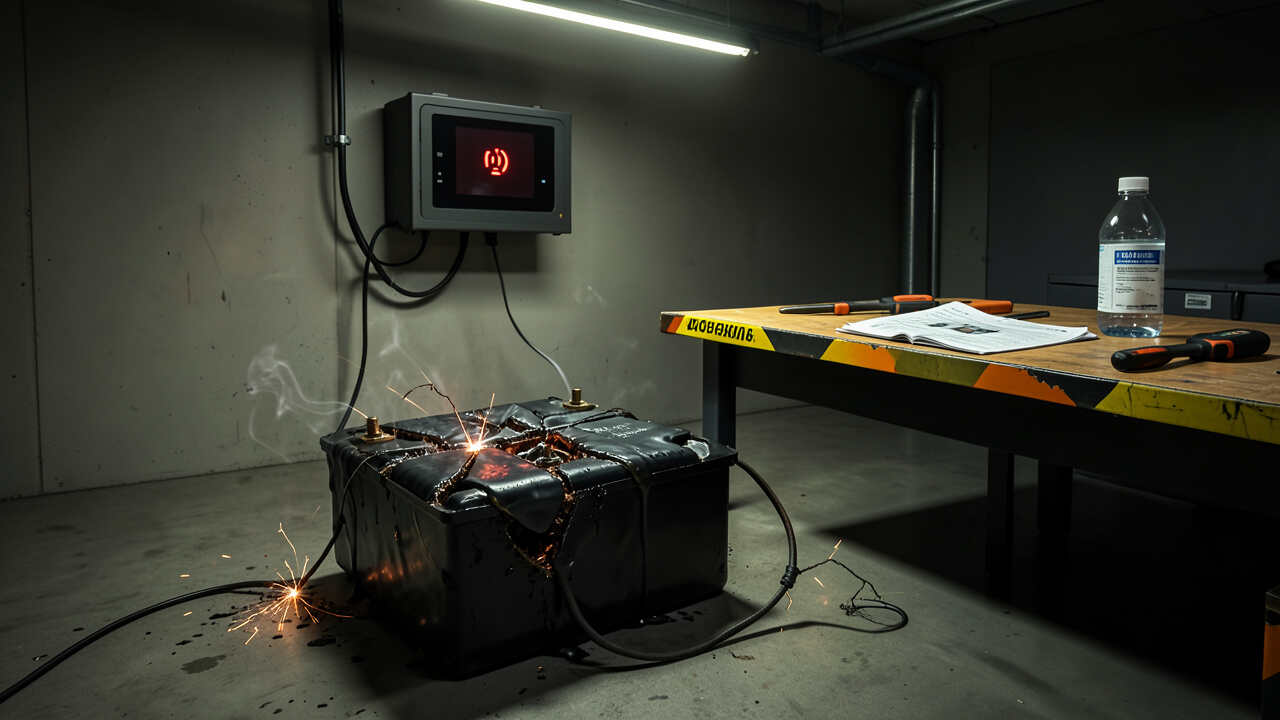
Improper installation can lead to issues like loose connections, incorrect wiring, or poor ventilation. Loose connections can cause resistance, leading to heat buildup and power loss. Incorrect wiring can lead to the battery receiving the wrong kind of power or voltage, which can be damaging.
Improper usage means using the battery in ways that are too harsh. This could involve drawing power too quickly (high discharge rates) or charging it too fast. It can also mean connecting it to systems it’s not compatible with.
Using a battery designed for occasional backup in an off-grid daily cycling role will significantly shorten its lifespan.
For example, using a battery designed for home backup with a portable solar generator might not work well.
Importance of Professional Installation
It’s highly recommended to have solar batteries installed by qualified professionals. They know the right way to connect everything, ensuring safety and optimal performance. They also understand the specific needs of your battery type and your home’s energy system.
Matching Battery to Application
Not all batteries are made for the same job. Some are designed for frequent, deep discharges (like powering a home off-grid), while others are better for occasional use or for storing energy for a few hours. Using the wrong battery for the job can lead to premature failure.
User Errors and Best Practices
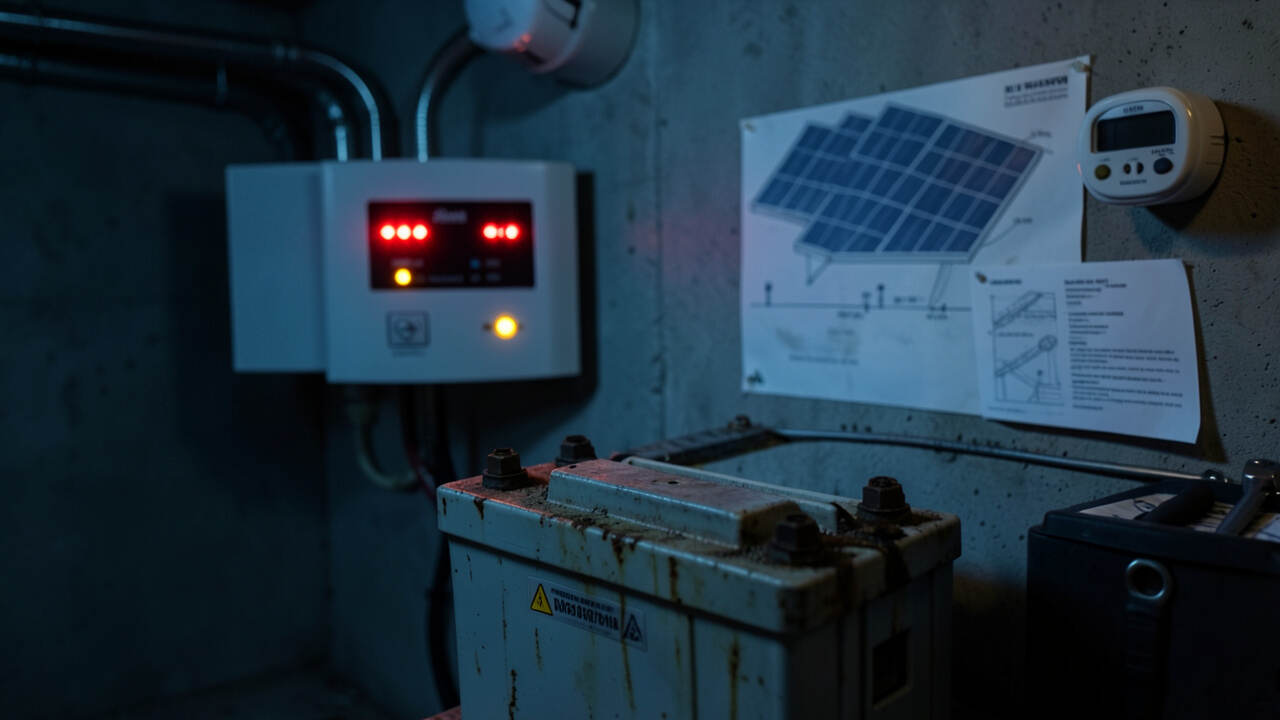
Simple user errors can also cause problems. Forgetting to check system settings, ignoring warning lights, or trying to “force” the battery to do something it can’t can lead to damage. Always follow the manufacturer’s guidelines for usage and maintenance.
Frequently Asked Questions
Question: How long do solar batteries typically last?
Answer: Solar batteries can last anywhere from 10 to 20 years, depending on the type, how they are used, and how well they are maintained. Cycles and environmental conditions also play a big role.
Question: Can I fix a solar battery myself?
Answer: For most issues, especially with modern lithium-ion batteries, it’s best to have a professional look at it. Attempting repairs without the right knowledge can be dangerous and void warranties.
Question: What are the signs that my solar battery is failing?
Answer: Signs include a reduced capacity to store power, shorter run times, the battery not charging fully, or your monitoring system showing error codes.
Question: Does extreme weather really hurt my solar battery?
Answer: Yes, extreme heat and cold can significantly reduce battery performance and shorten its lifespan. Batteries work best in moderate temperatures.
Question: Is it bad to drain my solar battery completely?
Answer: For most battery types, draining them completely puts extra stress on the cells and can reduce their overall lifespan. It’s better to avoid very deep discharges whenever possible.
Final Thoughts
Solar batteries can run into problems, but knowing the common issues helps you keep yours working well. Extreme temperatures, charging problems, age, faulty management systems, and poor installation are the main culprits. By understanding these 5 Reasons Solar Batteries Fail, you can take steps to prevent them.
Keep an eye on your battery’s performance and follow best practices for care. This will help ensure your solar energy system runs smoothly for years to come.