
The eight most common garden lighting installation errors include failing to plan the layout, making poor wire connections, ignoring wire burial depth, selecting an incorrect transformer, inadequate waterproofing, neglecting local regulations, wrong fixture placement, and not testing before burying. Proper wire connections and transformer selection are critical for system safety and longevity, while incorrect placement undermines both aesthetics and functionality. Avoiding these mistakes ensures a durable, code-compliant, and visually effective outdoor lighting system.
Setting up garden lights can make your yard look amazing at night. But, sometimes things don’t go as planned, and you might run into trouble. Knowing about 8 Installation Errors in Garden Lighting can save you time and headaches.
Many beginners stumble over a few common issues. Don’t worry, though! We’re going to walk through each step in a simple way.
Get ready to learn how to avoid these common mistakes and make your garden glow beautifully.
Key Takeaways
- Proper wire connections are vital for safe and lasting garden lights.
- Choosing the right transformer prevents damage to your lights and system.
- Buried wires need protection to avoid cuts and electrical shorts.
- Light placement greatly affects the mood and function of your garden.
- Waterproofing connections keeps your lighting system working in all weather.
- Checking local rules stops problems with permits and safety.
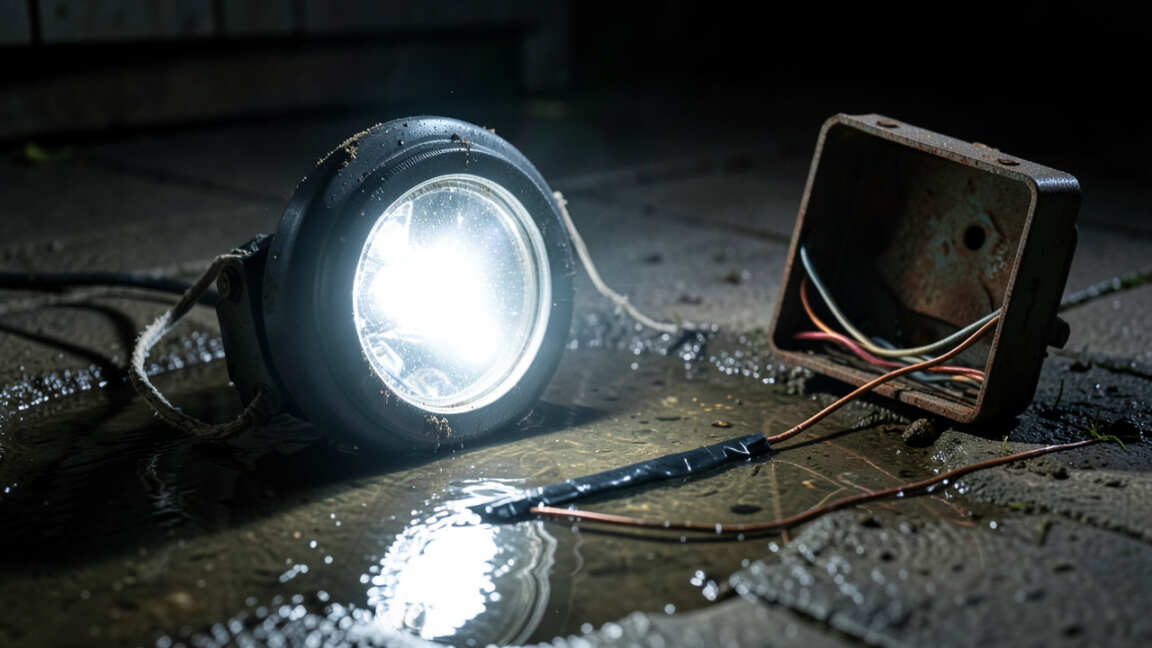
Common Pitfalls in Garden Lighting Installation
1. Not Planning Your Layout
It’s easy to get excited and just start placing lights. But, taking time to plan makes a big difference. Think about where you want light.
Do you want to highlight a special plant? Or maybe light up a path so people can walk safely? Sketching out your garden and marking where lights will go helps a lot.
It stops you from digging holes in the wrong spots or realizing you don’t have enough wire later.
2. Poor Wire Connections
Wires are the lifeline of your garden lights. If they aren’t connected right, lights won’t turn on, or worse, they could be unsafe. Always make sure connections are tight and secure.
Using the right connectors, like waterproof wire nuts or special landscape lighting connectors, is a must. This keeps water out and stops wires from coming loose.
3. Ignoring Wire Burial Depth and Protection
Wires buried in the ground need to be protected. If they aren’t deep enough, garden tools like shovels or rakes can cut them. This can cause shorts and stop your lights from working.
Always bury wires at least 6 inches deep. For extra safety, consider using conduit pipe, especially in areas where you dig often. This gives the wires a tough shield.
4. Incorrect Transformer Selection
The transformer changes your home’s high voltage to the low voltage your garden lights need. Picking the wrong size transformer is a common mistake. If it’s too small, it can overheat and get damaged.
Your lights might also not get enough power and look dim. Make sure the transformer’s wattage can handle the total wattage of all your lights. It’s better to have a little extra power than not enough.
Always test your garden lights above ground before burying any wires. This simple step saves you from digging up connections if something fails later.
5. Inadequate Waterproofing
Your garden lights will be outside, dealing with rain, dew, and sprinklers. Water getting into electrical parts is a big problem. It can cause corrosion, shorts, and make your lights fail.
Every connection point needs to be waterproof. This means using waterproof connectors and sealing any gaps where water could sneak in. Think of it like giving your lights a rain jacket.
6. Ignoring Local Regulations and Permits
Some areas have rules about outdoor electrical work. You might need a permit before you start installing lights. Not checking these rules can lead to fines or having to redo your work.
It’s always smart to contact your local building department. They can tell you what’s required for safety and legality. This avoids future headaches and ensures your project is done right.
7. Wrong Fixture Placement
Where you put your lights matters a lot. Placing them too close together can make your garden look harsh. Putting them too far apart might leave dark spots.
Think about what you want to highlight. Do you want a soft glow on a pathway? Or a spotlight on a beautiful tree?
Experimenting with placement before you permanently fix them can help you get the look you want. Measure distances carefully and consider the angle of the light.
8. Not Testing Before Burying
This is a simple step that many people skip. Before you bury any wires or fix any fixtures in place, test everything. Turn on your system and check if all the lights work.
Make sure they are bright and in the right spots. It’s much easier to fix a problem when wires are still easily accessible. Discovering a fault after everything is buried means digging it all up again, which is frustrating.
Frequently Asked Questions
Question: How deep should I bury garden lighting wires?
Answer: You should bury garden lighting wires at least 6 inches deep to protect them from garden tools.
Question: What kind of connectors should I use for outdoor lights?
Answer: Use waterproof wire nuts or specialized landscape lighting connectors to ensure safe and lasting connections.
Question: Can I use any transformer for my garden lights?
Answer: No, you need to select a transformer with enough wattage to power all your lights. Check the total wattage of your fixtures and choose a transformer that can handle it.
Question: What happens if water gets into my light connections?
Answer: Water can cause corrosion, electrical shorts, and lead to your lights failing. It’s important to ensure all connections are properly waterproofed.
Question: Do I need a permit for garden lighting?
Answer: This depends on your local regulations. It’s best to check with your local building department to see if a permit is required in your area.
Final Thoughts
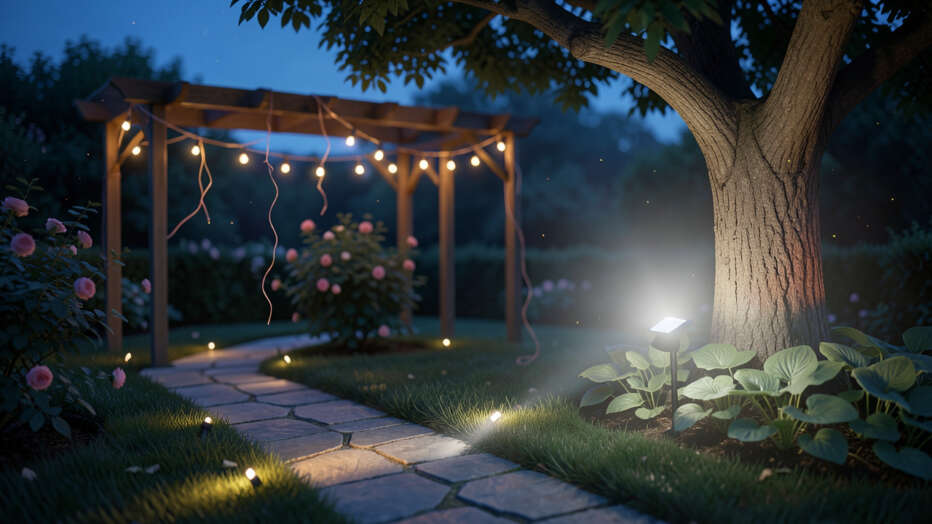
Avoiding the common traps in garden lighting means your yard will look great and your lights will last. You now know about planning, making good connections, protecting wires, and picking the right parts. You also learned how important waterproofing, rules, placement, and testing are.
Follow these steps, and your garden will shine without any worries. Enjoy your beautifully lit outdoor space!