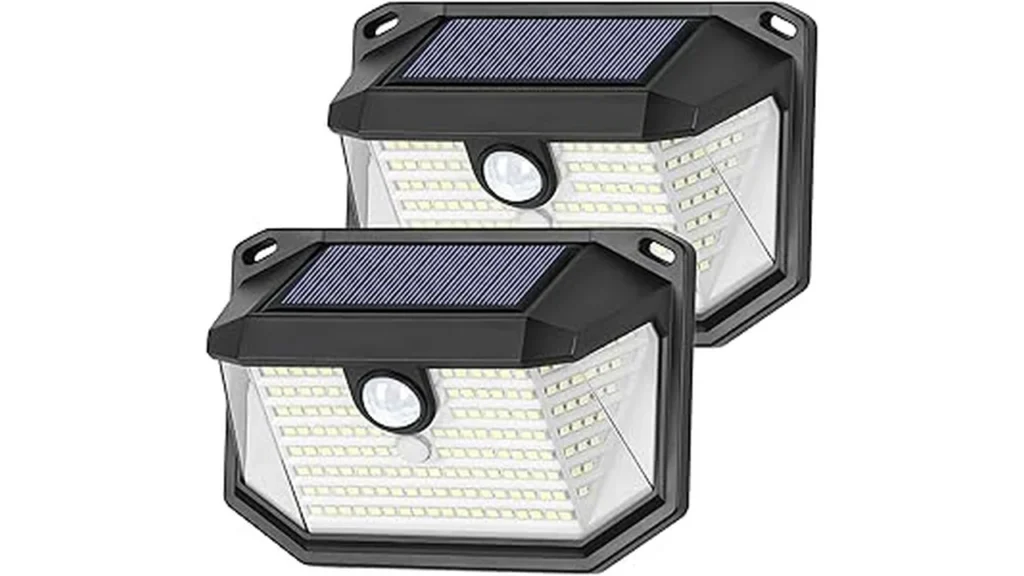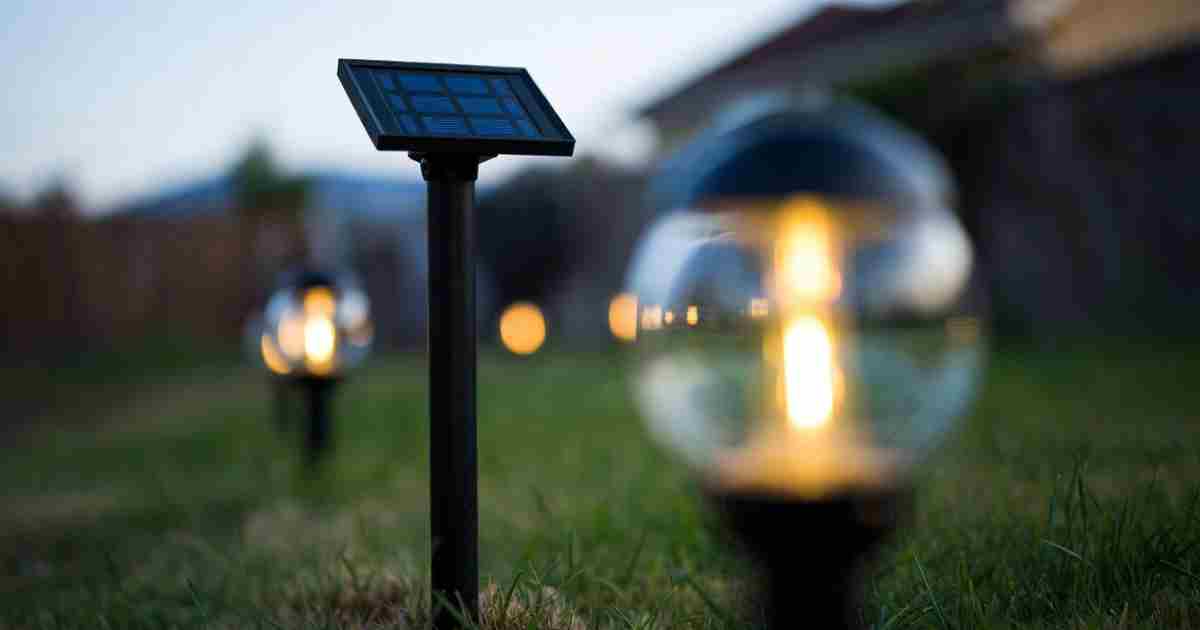

Solar lights turn off early due to six main factors: insufficient direct sunlight, shade obstructions, cloudy weather, degraded or old batteries, improper charging, and low battery capacity. The most common culprit is inadequate sunlight exposure, which directly limits the energy stored for nighttime operation. Addressing battery health and ensuring your lights receive unobstructed sun for six to eight hours daily typically resolves early shutdown issues.
Is your solar light quitting before the night is over? It’s a common puzzle for many, especially when you first start using them. You might wonder why your yard is plunged into darkness too soon.
Don’t worry, it’s usually not a big problem and can be fixed easily. We’ll walk through the 6 Reasons Solar Lights Turn Off Early step by step so you can get your lights shining all night long.
Key Takeaways
- You’ll learn about the main things that cause solar lights to shut off too soon.
- We will explain how sunlight affects your solar lights‘ performance.
- You’ll discover how to check and fix issues with the battery in your solar light.
- We will cover how dirt and debris can stop your solar lights from working well.
- You will find out how the placement of your solar lights matters a lot.
- We will also talk about how the weather can play a role in your lights going out early.
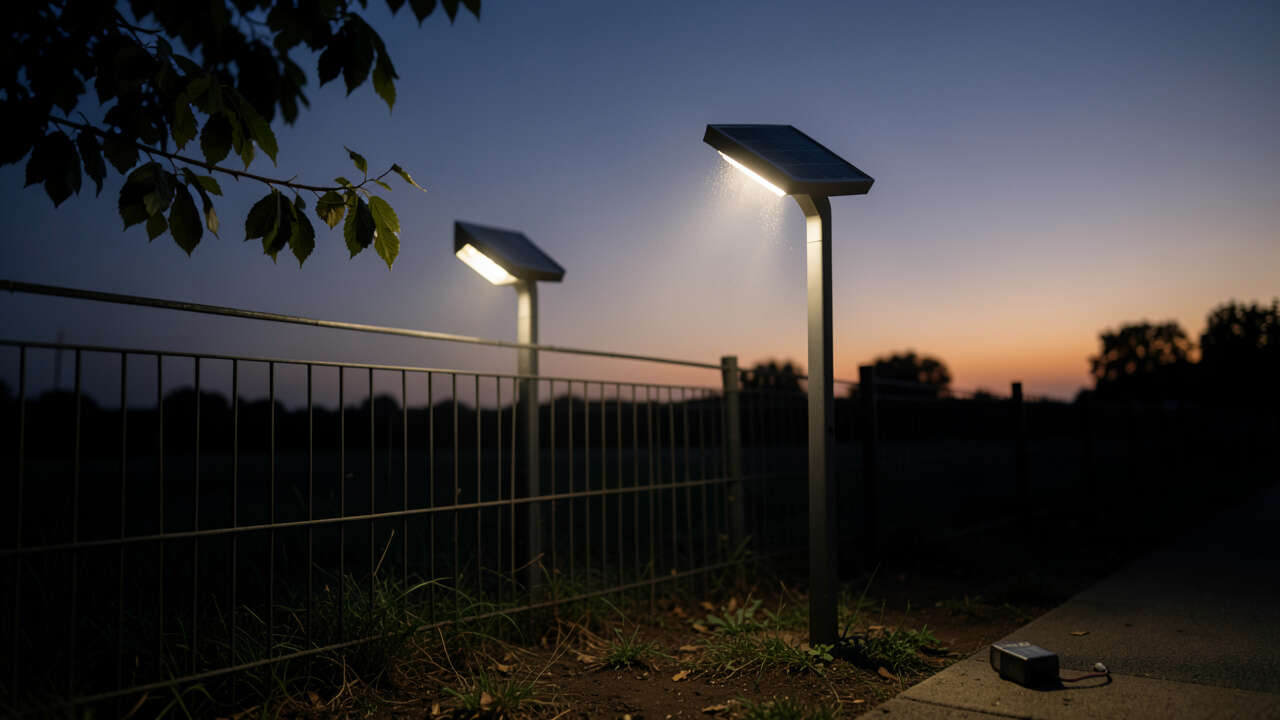
Why Solar Lights Go Out Early
Solar lights are a great way to light up your garden or pathways without using electricity. They soak up sun during the day and then glow at night. But sometimes, they don’t last as long as you expect.
Start by cleaning the panel and checking for obstructions—most early shutoff issues are simple to fix.
They might flicker out before you’re ready for them to. This can be a bit confusing, but usually, it’s something simple to sort out. Let’s explore the common reasons this happens.
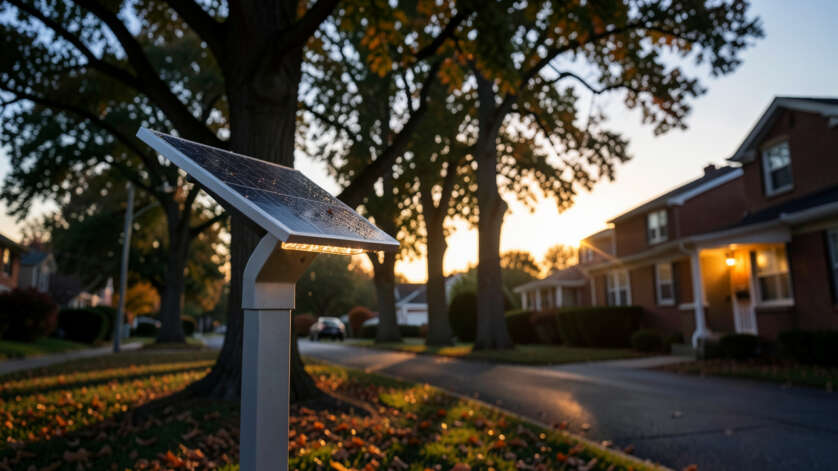
The Importance of Sunlight
Solar lights need sunlight to work. It’s their power source. If they don’t get enough sun, they won’t have enough energy to stay on all night.
This is one of the most common issues people face.
Not Enough Direct Sunlight
Your solar light’s panel needs to see the sun directly for many hours. If there are trees, buildings, or other things blocking the sun, the panel can’t charge properly. Even shade for a few hours can make a big difference.
This is especially true in the fall and winter when the sun is lower in the sky.
Solar panels require direct, unobstructed sunlight for several hours daily to fully charge. Even partial shade from trees or buildings can significantly reduce battery capacity.
Obstructions and Shade
Think about where your solar lights are placed. Are they under a big tree that has grown leaves? Is there a new fence or shed that casts a shadow?
Even a small plant that has gotten too big can stop the sun from reaching the panel. You might need to move the light or trim back any plants blocking it.
Cloudy Days
We all have cloudy days. On these days, your solar lights won’t get as much sunlight as they usually do. This means they won’t charge up as much.
If you have several cloudy days in a row, the battery might not have enough power for a full night. The light might still turn on, but it won’t last as long.
Battery Power and Health
The battery inside your solar light is like its energy bank. It stores the power from the sun. If the battery is old or not working right, it won’t hold enough charge to keep the light on for long.
Old or Degraded Batteries
Solar lights typically use rechargeable batteries. These batteries don’t last forever. After a year or two, they start to lose their ability to hold a charge.
You might notice the lights dimming earlier or not staying on as long. Replacing the battery is often the fix.
A degraded or poorly connected battery is often the hidden culprit behind prematurely dimming solar lights.
Battery Not Charging Properly
Sometimes, the battery itself is fine, but it’s not getting the charge it needs. This can happen if the solar panel isn’t clean or if the battery contacts are dirty. Make sure the battery is seated correctly and that there’s no rust or grime on the metal parts that connect it.
Battery Type and Capacity
Not all batteries are the same. Some solar lights come with batteries that have a smaller capacity. This means they can’t store as much energy.
If you’re replacing a battery, make sure you get one with the right voltage and capacity for your light. Using a battery with too low a capacity will mean it won’t last as long.
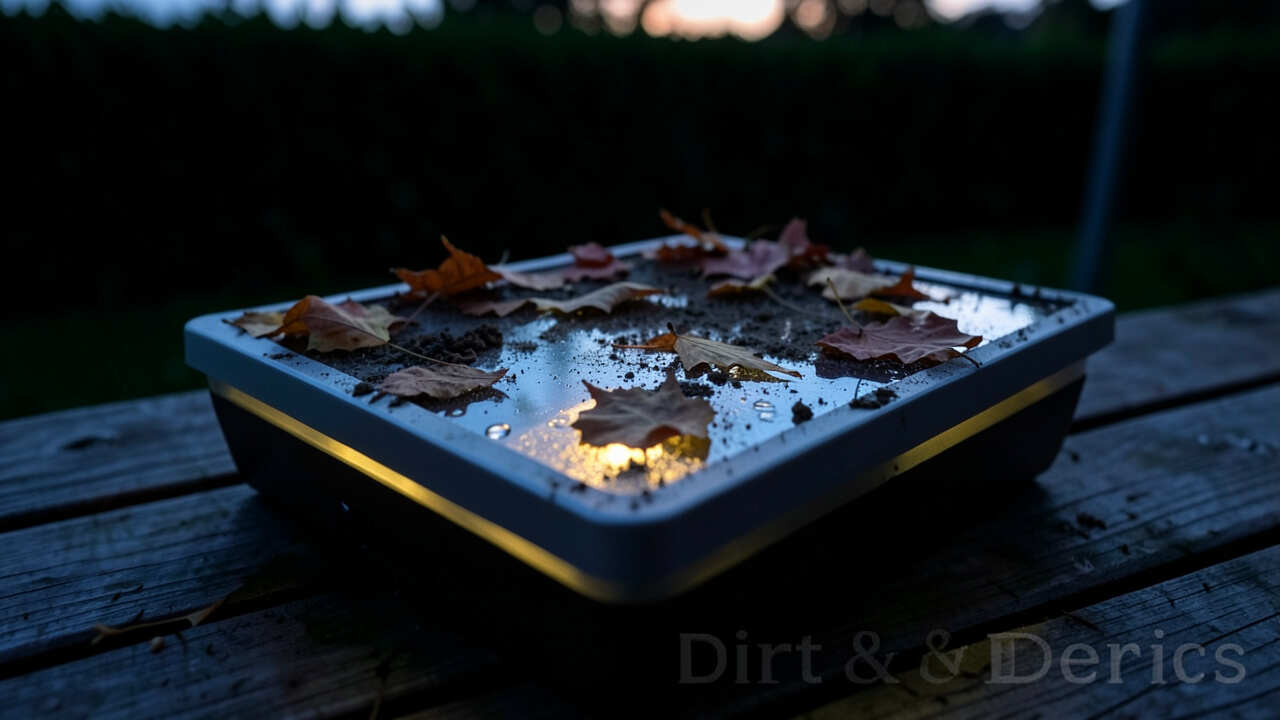
Dirt and Debris on the Solar Panel
The solar panel is the part that collects sunlight. If it’s dirty, it can’t do its job effectively. Dust, pollen, bird droppings, and leaves can all build up.
Dust and Grime
Over time, dust and grime settle on everything outdoors. The solar panel is no exception. A thin layer of dust might not seem like much, but it can block a surprising amount of sunlight from reaching the solar cells.
This means less energy is collected.
Bird Droppings and Sap
Bird droppings are acidic and can leave marks if not cleaned off. Tree sap can also stick to the panel and be tough to remove. These kinds of marks are more significant blockages than just dust.
Wipe the solar panel with a soft, damp cloth every few weeks to remove dust, pollen, and bird droppings that block sunlight.
They can really cut down on the charging ability of the panel.
Leaves and Other Debris
In the fall, leaves can pile up. In areas with lots of trees, pollen in the spring or summer can coat the panels. If a leaf or a bit of debris lands directly on the panel, it can create a dark spot that stops charging.
Regularly checking and wiping down the panel is important.
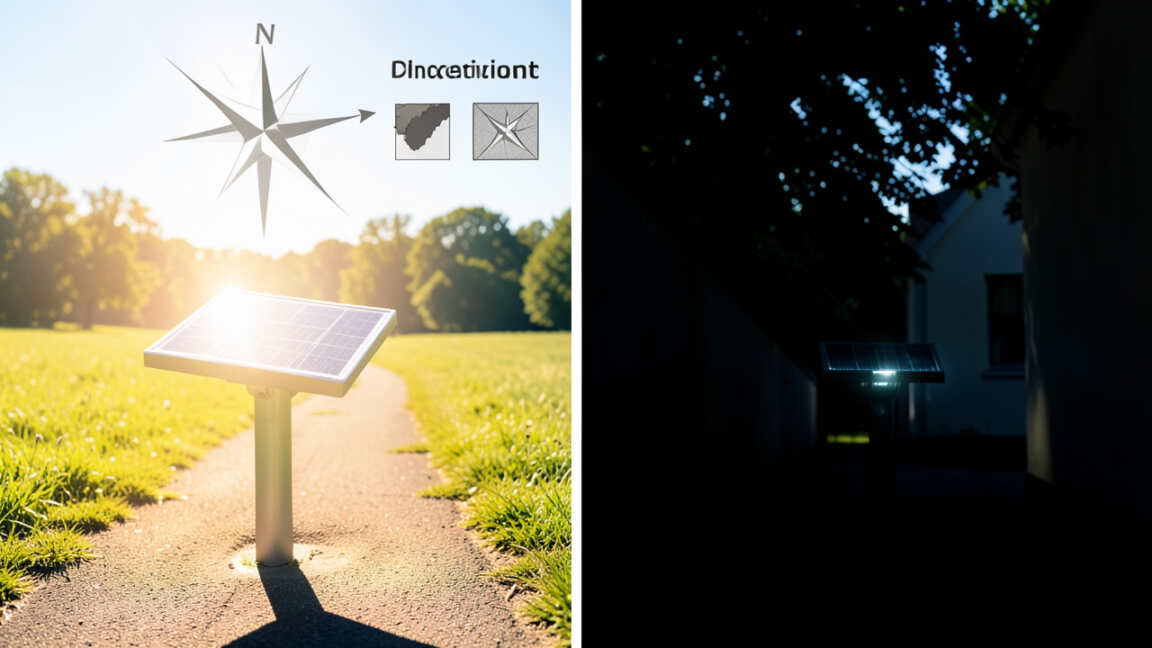
Placement and Location
Where you put your solar lights is very important. It affects how much sun they get and how well they can do their job.
Shady Spots
As mentioned before, putting lights in shady spots is a big no-no. Even if the rest of your yard gets sun, if that one spot is shaded for most of the day, the light there won’t charge well. Try to place them in the sunniest parts of your yard, especially where they can get afternoon sun.
Avoid placing solar lights in areas that are shaded for most of the day, especially during afternoon hours when the sun is strongest.
Obstructions Above
It’s not just about what’s around the light, but also what’s above it. Overhanging branches from trees or even eaves from a roof can cast a shadow. Make sure there’s a clear path for the sun to hit the panel throughout the day.
Seasonal Changes
The sun’s path changes with the seasons. In summer, the sun is higher. In winter, it’s lower.
This means a spot that gets full sun in summer might be shaded in winter. You might need to adjust the placement of your lights or even take them down and store them during months with less sunlight.
Weather Conditions
The weather plays a huge role in how well solar lights work.
Heavy Rain or Snow
When it’s raining heavily, the solar panel doesn’t get much direct sunlight. The same is true for heavy snow. If the panel is covered in snow, it can’t charge at all.
Prolonged cloudy weather or snow cover can severely limit solar charging. Clearing snow off panels after a storm can restore function.
You’ll need to clear snow off the panels to get them working again.
Foggy or Hazy Days
Fog and haze can also reduce the amount of sunlight that reaches the solar panel. While not as dramatic as a cloudy day, these conditions can still impact the charging process. If you live in an area with frequent fog, your solar lights might not perform as well.
Extreme Heat
While solar lights need sun, extreme heat can sometimes affect their performance. Very high temperatures can cause some electronic components to work less efficiently. This is less common than lack of sun, but it can be a factor in very hot climates.
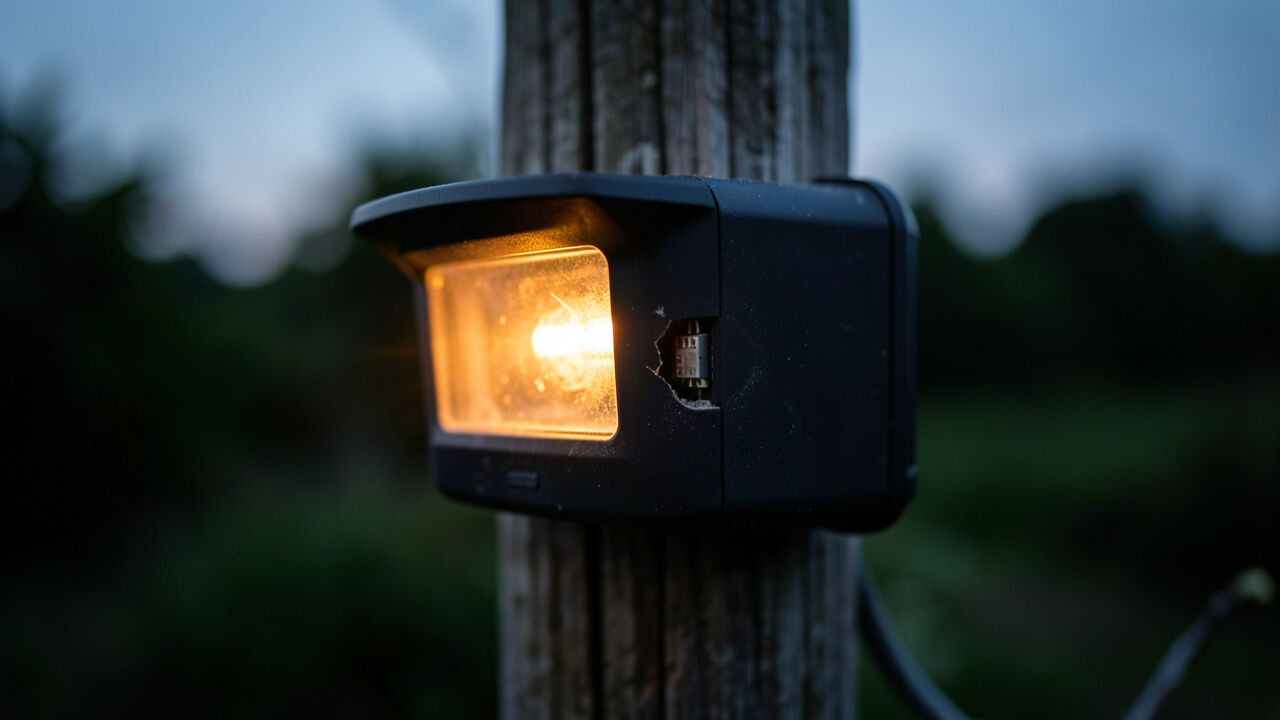
Faulty Light Sensor or Internal Components
Sometimes, the problem isn’t with the sun or the battery, but with the light itself.
The Light Sensor
Solar lights have a sensor that tells them when it’s dark enough to turn on. If this sensor is dirty or damaged, it might think it’s still light out, and the light won’t turn on at all, or it might turn off prematurely thinking the sun is out.
A dirty or malfunctioning light sensor can trick the solar light into thinking it's still daytime, causing it to turn off prematurely.
Internal Wiring Issues
It’s possible for the internal wiring to become loose or damaged over time, especially with changes in temperature or if the light has been knocked around. This can disrupt the flow of power from the battery to the LED bulb.
Defective LED Bulb
While less common, the LED bulb itself could be starting to fail. If the bulb is old or has a defect, it might not be able to stay lit for a full cycle, even with a full charge.
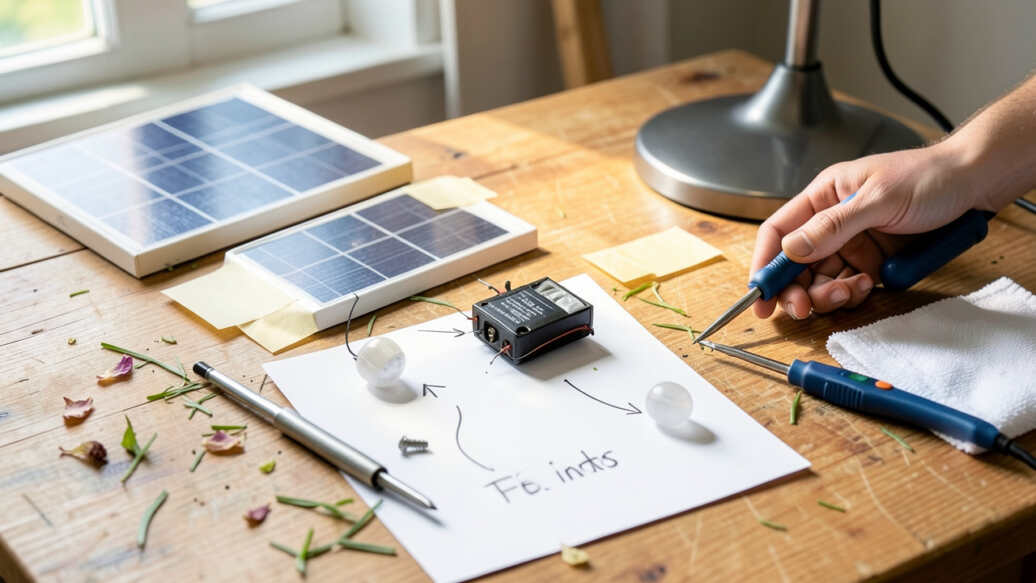
Troubleshooting Steps
Now that we know why your solar lights might be turning off early, let’s look at how to fix it. These steps are simple and can help you get your lights working properly again.
Step 1: Clean the Solar Panel
This is the easiest thing to do. Use a soft, damp cloth to wipe away any dirt, dust, or grime from the solar panel. If there are stubborn marks like bird droppings, you might need a little mild soap and water.
Rinse it well and let it dry completely.
Step 2: Check for Obstructions
Walk around your solar lights. Look for anything that might be blocking the sun. Trim back any bushes or tree branches that are casting a shadow on the panel.
Make sure the lights themselves aren’t leaning or blocked by other garden items.
Step 3: Test the Battery
Most solar lights have a battery compartment. You’ll likely need a small screwdriver to open it. Take out the battery and check if it looks old, corroded, or swollen.
Systematically work through each troubleshooting step, starting with cleaning the panel and checking battery connections, to resolve early shutoff issues.
If it does, it’s time to replace it. You can often find replacement batteries at hardware stores or online. Make sure to get the correct type and size.
Step 4: Ensure Proper Charging
After cleaning the panel and checking the battery, leave the light to charge for a full sunny day. Don’t test it that night. Let it have as much sun as possible.
See if it lasts longer the next night. If you just replaced a battery, it needs that first full charge.
Step 5: Inspect the Light Sensor
Look for a small dark circle on the solar panel or near the LED bulb. This is the light sensor. Gently wipe it clean with a soft cloth.
If it looks damaged or is covered in something that won’t come off, this could be the issue. Sometimes, you can buy a replacement light for the unit, but often it’s easier to replace the whole light.
Step 6: Consider the Season
If you’re in the fall or winter, remember that there’s less sunlight. Your lights might naturally not last as long. If you’ve tried everything else, this could be the reason.
Frequently Asked Questions
Question: How long should solar lights last on a full charge?
Answer: Typically, good quality solar lights should last for 6 to 8 hours on a full charge. However, this can vary based on the battery size, the amount of sunlight they received, and the brightness of the LED.
Question: Can I use regular batteries in my solar lights?
Answer: No, you should not use regular alkaline batteries. Solar lights need rechargeable batteries because they are designed to be charged by the sun. Regular batteries will not recharge and will eventually stop working.
Question: What if my solar lights won’t turn on at all?
Answer: If your solar lights won’t turn on, first check if the on/off switch is in the “on” position. Then, make sure the solar panel is clean and getting direct sunlight to charge. If it still doesn’t work, the battery might be dead, or there could be an issue with the light sensor or internal components.
Question: How often should I replace the batteries in my solar lights?
Answer: Rechargeable batteries in solar lights usually last between 1 to 3 years. Their lifespan depends on the quality of the battery, how often they are charged, and the environmental conditions. You’ll know it’s time to replace them when the lights start to dim or don’t stay on as long.
Question: Is it okay to leave solar lights on during the day?
Answer: Yes, it is perfectly fine to leave solar lights on during the day. The solar panel has a special circuit that prevents overcharging. Leaving them on simply means they will charge when exposed to sunlight and will automatically turn on when it gets dark.
Final Thoughts
Seeing your solar lights go out early can be frustrating, but most of the time, it’s a simple fix. By cleaning the solar panel, checking for shade, and looking at the battery, you can often solve the problem yourself. If your lights are still not staying on, consider replacing the rechargeable batteries.
Sometimes, a little bit of care is all your solar lights need to shine bright through the night.