
Solar lights are widely misunderstood, but the 10 most common myths about solar lighting are easily debunked: they charge effectively on cloudy days, produce sufficient brightness for pathways and accents, operate through the night with modern battery capacity, withstand rain and snow, and require no wiring for installation. These fixtures offer long-term cost savings by eliminating electricity bills and come in styles suitable for patios, security, and commercial landscapes, not just gardens. The key takeaway is that today’s solar lighting is reliable, low-maintenance, and affordable for almost any outdoor application.
Many people think solar lights are tricky or confusing, especially when they first look into them. You might have heard things about 10 Myths About Solar Lighting that made you wonder if they’re right for you. Don’t worry!
We’ll clear up all those ideas. We’ll make it super simple to see how great solar lights can be. Get ready to learn what’s true and what’s not, so you can pick the best solar lights for your needs.
Key Takeaways
- Solar lights work even on cloudy days.
- They are tough and can handle different weather.
- Solar lights can be very bright and last a long time.
- Installation is usually very easy, often no wiring needed.
- Solar lights save you money on electricity bills.
- They come in many styles for different uses.
Understanding Solar Lighting: Separating Fact from Fiction
Solar lights use the sun’s energy to power up. During the day, a small solar panel on the light soaks up sunshine. This energy is stored in a battery inside the light.
When it gets dark, the stored energy turns on the light. It’s a clean way to get light without needing to plug into your home’s electricity. This makes them super useful for gardens, pathways, patios, and even areas far from an outlet.
Myth 1: Solar Lights Only Work in Bright Sunshine
This is a common worry. People think if the sun isn’t out, their solar lights won’t work at all. But that’s not quite right.
Solar panels can still collect energy on cloudy days. They just collect less. The battery inside stores this energy.
So, even if a day is gray, your lights will likely still turn on at night. They might not be as bright, or they might last a bit shorter, but they will work.
The key is that the panel needs to get some light to charge. It doesn’t need direct, hot sun. Even on days with light clouds, the panel is doing its job.
A full day of bright sun will give the battery the most power. But a cloudy day doesn’t mean a dark night.
Myth 2: Solar Lights Aren’t Bright Enough
Some of the older solar lights might not have been very bright. But technology has gotten much better. Today’s solar lights can be very powerful.
Many use bright LED bulbs. These bulbs use less energy, so the battery can power them for longer. You can find solar lights that are bright enough to light up a whole patio.
You can also find smaller ones for marking garden paths.
The brightness of a solar light depends on a few things. The size of the solar panel is one. A bigger panel can capture more energy, leading to a brighter light.
The size and quality of the battery also matter. And of course, the type of LED bulb used is important. Many solar lights are now designed to be as bright as traditional lights.
Myth 3: Solar Lights Won’t Last Through the Night
Another myth is that solar lights die out quickly. People worry they’ll turn on for a couple of hours and then be gone. This used to be more of a problem with older models.
But newer solar lights are made with better batteries. These batteries can store more power. They are also designed to last for many hours.
Many solar lights will stay on all night long. Some even have smart sensors that dim them slightly after a few hours to save power.
The amount of time a solar light stays on depends on how much charge it got. If it had a full day of sun, it will likely last all night. If it was a very cloudy day or it got shaded, it might not last as long.
But even then, many will still provide light for several hours.
Myth 4: Solar Lights Are Difficult to Install
This is a big one for beginners. Many people think setting up lights means hiring an electrician or doing complicated wiring. With solar lights, this is usually not the case at all.
Most solar lights are designed for easy setup. Often, you just stake them into the ground or mount them on a wall. There’s no digging or wires to run.
You just put them where you want them to get sunlight.
Think about garden stake lights. You push the stake into the ground. That’s it!
For better performance in low sunlight, opt for solar lights with high-efficiency LEDs and a larger battery capacity to store more energy during the day.
Wall-mounted solar lights often come with screws and instructions. It’s a simple DIY job. This makes them perfect for renters or anyone who doesn’t want to mess with home wiring.
Myth 5: Solar Lights Can’t Withstand Bad Weather
Weather can be tough on outdoor items. Some people think solar lights will break easily in rain, snow, or strong winds. Luckily, most solar lights are built to be durable.
They are made from strong materials like metal or hard plastic. They are also designed to be waterproof or water-resistant. This means rain won’t get inside and damage the battery or electronics.
You should always check the product details to be sure. But generally, solar lights are made for outdoor use. They can handle a lot of different weather conditions.
This means you can leave them out year-round without too much worry.
Myth 6: Solar Lights Are Too Expensive
Some high-end solar lights can have a higher price tag upfront. But when you look at the long run, they are very cost-effective. You don’t pay for electricity to run them.
This saves you money on your power bills every month. Over time, these savings add up. Plus, you don’t need to pay for wiring or professional installation.
When you compare the total cost of ownership, solar lights often come out cheaper. You buy them once, and then they run for free. Think of it as an investment.
You invest a little upfront, and then you get free light for years.
Myth 7: Solar Lights Are Only for Gardens
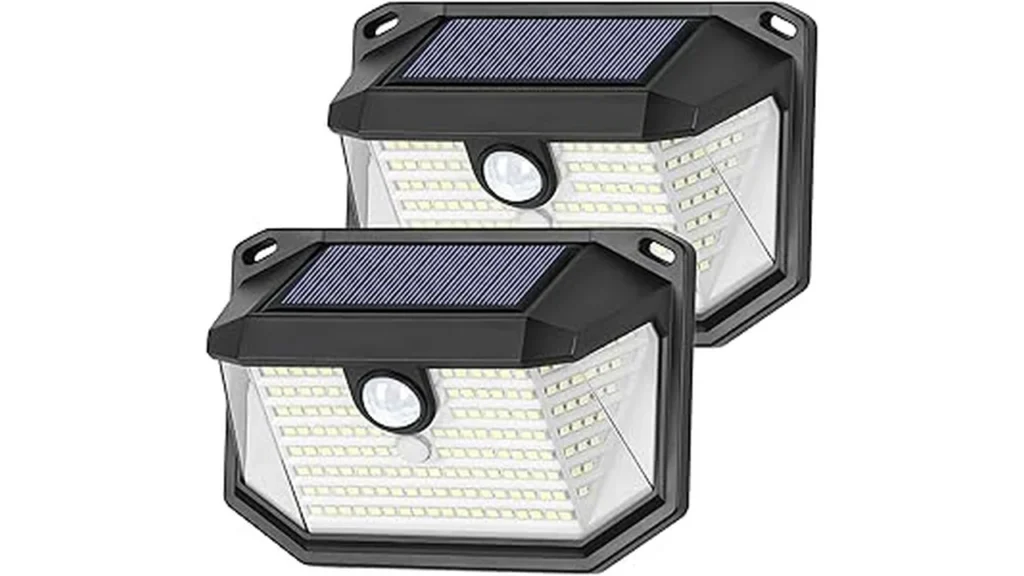
While garden lights are popular, solar lights are useful in many places. You can find solar floodlights for security. There are solar string lights for patios and decks.
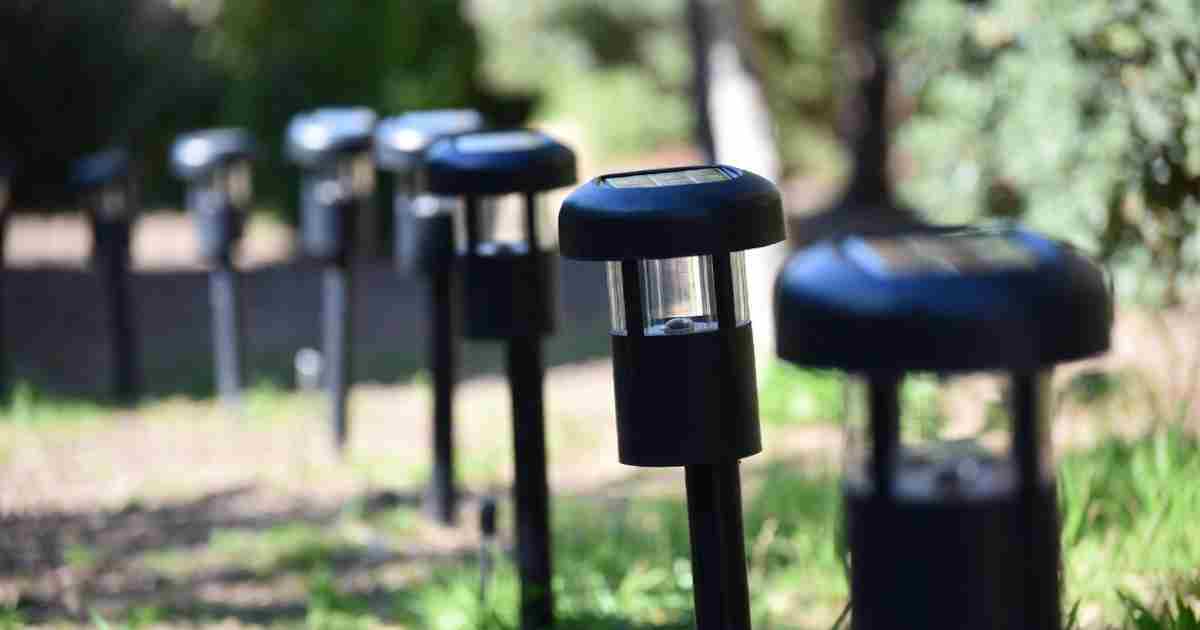
Solar lanterns can create a nice mood for outdoor dining. You can even find solar pathway lights to safely guide people around your property. They can be used for RVs, camping, or even as emergency lights.
Their ability to work without being plugged in makes them super flexible. You can place them anywhere the sun can reach. This opens up a lot of possibilities for lighting up your home and yard.
Myth 8: Solar Lights Require Constant Maintenance
Compared to other outdoor lighting, solar lights need very little upkeep. The main thing you need to do is keep the solar panel clean. Dust, dirt, or leaves can block the sun.
A quick wipe with a damp cloth every now and then is usually all it takes. You might also need to
This is much less work than cleaning bulbs in hard-to-reach fixtures or dealing with electrical issues. They are a very low-maintenance lighting option for your home.
Myth 9: Solar Lights Are Not Reliable
Reliability is key for any lighting. If your lights don’t work when you need them, they aren’t very useful. Modern solar lights are much more reliable than older versions.
Manufacturers test them to ensure they perform well. The technology for solar panels and batteries has improved a lot. This means you can count on them to do their job, day in and day out.
Of course, like any electronic device, they can eventually fail. But with proper care and by choosing good quality products, you can expect them to be dependable. They are a solid choice for everyday lighting needs.
Myth 10: All Solar Lights Are the Same
This is far from the truth. The market for solar lighting is huge. There are many different types of solar lights available.
They come in various sizes, shapes, and designs. Some are decorative, while others are purely functional. You can find solar lights with motion sensors.
Others have timers or dimming features. Some are designed for specific tasks, like lighting up house numbers or being used for camping.
It’s worth looking at what’s out there. You can find solar lights to fit almost any need or style. Don’t assume they’re all basic and plain.
The variety is quite impressive.
Frequently Asked Questions
Question: Do solar lights get hot?
Answer: Most solar lights use LED bulbs, which produce very little heat compared to older types of bulbs. They are generally safe to touch, even after being on for a while.
Question: How long do solar light batteries typically last?
Answer: The rechargeable batteries in solar lights usually last for 1 to 3 years. After that, they can often be replaced to keep the lights working well.
Question: Can I use solar lights indoors?
Answer: Solar lights are designed to charge from sunlight. They won’t work well indoors unless placed right next to a very sunny window that gets direct sun for many hours. They are best suited for outdoor use.
Question: What happens to solar lights in very cold weather?
Answer: Solar lights can work in cold weather, but very low temperatures can affect battery performance. Freezing temperatures might also impact some materials. It’s best to check the product’s specifications for extreme cold weather use.
Question: How do I know if a solar light is good quality?
Answer: Look for lights made with durable materials like stainless steel or strong ABS plastic. Check reviews for comments on brightness, battery life, and how well they hold up over time. Brands that offer a warranty are also a good sign.
Final Thoughts
You now know that many common worries about solar lights are not true. They work on cloudy days, are bright enough, and can last all night. Installation is easy, and they are built tough for the weather.
Solar lights save you money and are useful for many things beyond just gardens. They don’t need much upkeep and are very dependable. The variety available means you can find exactly what you need.
Solar lighting is a smart, simple, and cost-effective choice for your home.