
Temperature control issues encompass six common problems, including temperature inaccuracies, short cycling, uneven heating or cooling, strange system noises, a non-responsive system, and high energy bills. These problems often originate from thermostat malfunctions, dirty air filters, or airflow obstructions. Identifying the specific issue is essential for targeted troubleshooting and maintaining efficient temperature regulation.
Figuring out why your temperature control isn’t working right can be tricky, especially if you’re new to it. Many people run into problems with 6 Temperature Control Issues Explained, and it can feel confusing. But don’t worry!
We’re going to break it down easily, step by step, so you can get things sorted. Let’s look at what these common problems are and how to fix them.
Key Takeaways
- You will learn about six common problems that affect temperature control systems.
- Each issue will be explained in simple terms so anyone can understand it.
- You will find out why these problems happen and what causes them.
- Simple fixes and troubleshooting tips will be provided for each problem.
- You will gain confidence in managing your temperature control better.
Understanding Temperature Control
Temperature control is all about keeping a space at the right warmth or coolness. This can be for your home, a server room, or even a greenhouse. A good system makes sure the temperature stays steady.
Often, the most effective temperature control fixes are not technical but involve improving insulation and sealing air leaks, which directly stabilizes indoor climate.
For server rooms, even a slight temperature fluctuation can cause hardware issues, so invest in precision controls tailored to that environment.
This saves energy and keeps things comfortable or working correctly.
Common Temperature Control Problems
Problem 1: The Temperature Isn’t What You Set It To
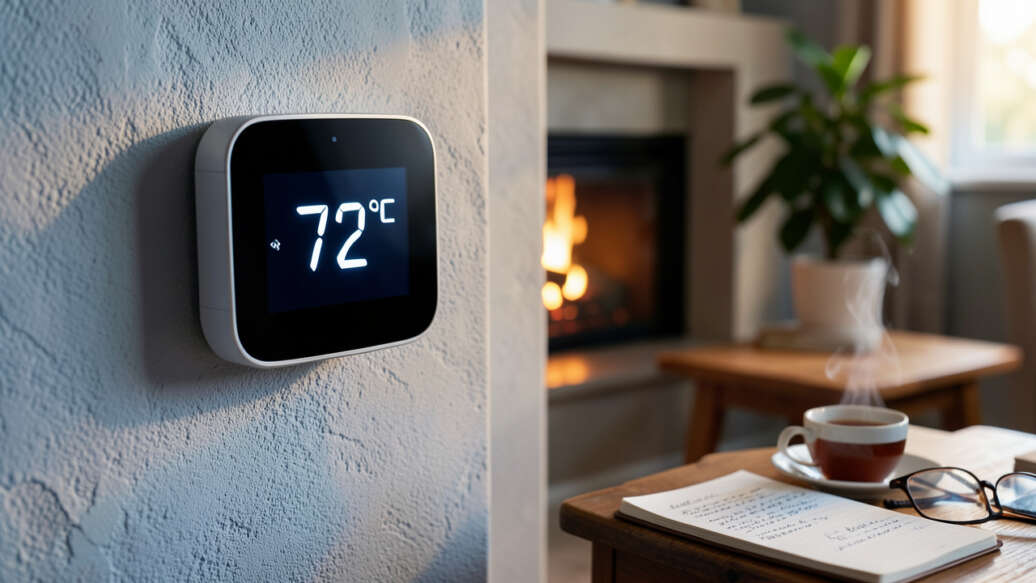
This is a very common issue. You set your thermostat to 70 degrees, but the room feels much hotter or colder. This can happen for a few reasons.
The thermostat might not be working right, or it could be old. Sometimes, the sensors that measure the temperature get dirty or blocked. Also, if there are drafts near the thermostat, it can read the wrong temperature.
Why This Happens
- Thermostat malfunction or calibration issues.
- Blocked or dirty temperature sensors.
- Drafts affecting thermostat readings.
- System not powerful enough for the space.
Simple Fixes
First, check if your thermostat has fresh batteries. If it’s a digital one, try resetting it. Clean any dust or dirt from around the thermostat.
Make sure there are no curtains or furniture blocking airflow to it. If the problem continues, the thermostat might need to be replaced.
Problem 2: The System Turns On and Off Too Often
Your heating or cooling system kicks on, runs for a bit, and then shuts off again, only to repeat the cycle. This is called “short cycling.” It’s not good for your system because it makes it work harder. It also doesn’t heat or cool your space very well.
This can be caused by an air filter that is too dirty. It can also happen if the system is too big for the area it’s supposed to control.
Why This Happens
- Clogged air filters restrict airflow.
- Oversized heating or cooling unit.
- Low refrigerant levels in cooling systems.
- Thermostat set too high or too low, causing rapid changes.
Simple Fixes
The easiest fix is to change your air filter. Do this regularly, every one to three months. If your system is new and doing this, it might be too powerful for your home.
You might need a professional to check the system’s balance.
Problem 3: Uneven Heating or Cooling
Some rooms in your house are too hot, while others are too cold. This is frustrating. It usually means the air isn’t moving evenly through your ducts.
Blocked vents, leaky ducts, or a weak fan motor can cause this. Sometimes, poor insulation in certain parts of the house can also be a culprit.
Why This Happens
- Blocked or closed vents.
- Leaky air ducts.
- Poor insulation in some areas.
- Improperly sized ductwork.
Simple Fixes
Check that all your vents are open and not blocked by furniture. Make sure your air filter is clean. You might need to have your ducts checked for leaks.
Adding more insulation to poorly heated or cooled rooms can also help.
Problem 4: Strange Noises from the System
If your heating or cooling system starts making odd sounds, it’s a sign something isn’t right. Rattling, banging, or whistling noises can point to different problems. A rattling might mean a loose part.
A banging could be a motor issue. Whistling often means air is escaping somewhere it shouldn’t be, like a leak in the ducts.
Why This Happens
- Loose parts or components vibrating.
- Motor problems or bearings wearing out.
- Air leaks in ductwork or the system itself.
- Debris inside the unit.
Simple Fixes
Listen closely to where the noise is coming from. If you can see a loose panel, you might be able to tighten it. For more serious noises, it’s best to call a professional.
They can safely diagnose and fix motor issues or duct leaks.
Problem 5: The System Won’t Turn On At All
This is one of the most concerning issues. The unit simply doesn’t respond when you try to use it. First, check your circuit breaker.
Did it trip? If so, reset it. Also, make sure the thermostat is set correctly and has power (check batteries if it’s battery-powered).
Sometimes a safety switch might have been accidentally turned off.
Why This Happens
- Tripped circuit breaker or blown fuse.
- Thermostat power issue (dead batteries, loose wire).
- Safety switch disengaged.
- Major internal component failure.
Simple Fixes
Check your electrical panel for any tripped breakers. Ensure your thermostat is functioning and has power. If these simple checks don’t work, a professional technician will be needed to find the exact cause.
Problem 6: High Energy Bills Related to Temperature Control
Your energy bills seem much higher than they used to be, and you suspect your heating or cooling system is the cause. This often happens when the system is old, inefficient, or not working properly. Leaky ducts, poor insulation, and the system running too much are all common reasons for this.
Why This Happens
- Inefficient or old heating/cooling equipment.
- Air leaks in ductwork or around windows/doors.
- Poor insulation in the home.
- System running constantly due to other issues.
Simple Fixes
Improving insulation, sealing air leaks, and ensuring your system is well-maintained can make a big difference. Upgrading to a more energy-efficient system can also lower bills over time. Regular maintenance helps your system run at its best.
Frequently Asked Questions
Question: How often should I change my air filter?
Answer: It’s a good idea to change your air filter every 1 to 3 months. Check it monthly to see if it’s dirty. A dirty filter can cause many problems.
Question: Can I fix a thermostat myself?
Answer: For simple issues like changing batteries or resetting it, yes. But if you suspect a wiring problem or a faulty part, it’s safer to call a professional.
Question: My system is noisy, is it dangerous?
Answer: Some noises are just minor annoyances, but loud or unusual noises could mean a bigger problem. It’s best to get it checked out to be safe.
Question: Why is one room always colder than others?
Answer: This can be due to blocked vents, leaky ducts, or poor insulation in that specific room. Make sure the vent in that room is open and clear.
Question: What’s the best way to save energy on heating and cooling?
Answer: Keep up with maintenance, seal air leaks, improve insulation, and use your thermostat wisely. Cleaning filters regularly is also key.
Final Thoughts
You’ve learned about 6 Temperature Control Issues Explained, from rooms not being the right temperature to weird noises. We saw why these things happen and what you can do about them. Most issues have simple fixes like cleaning a filter or checking a breaker.
For bigger problems, calling a pro is the way to go. Keeping your system running well saves you money and keeps you comfy.