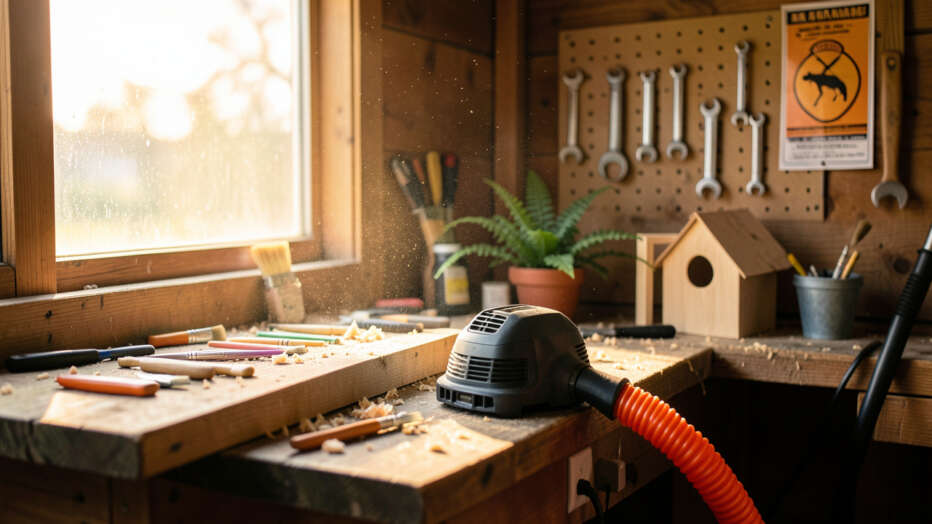

Deciding whether to put a shop vacuum in a hobby shed depends on your dust generation, shed size, and noise tolerance. A shop vacuum provides superior dust collection that dramatically reduces airborne particles and improves air quality, with a HEPA filter recommended for fine dust from MDF or hardwood. The minimal cost and maintenance of a shop vacuum are offset by long-term health benefits, though a portable model offers flexibility for smaller or multi-use sheds.
Deciding whether to put a shop vacuum in a hobby shed can be a real head-scratcher. You want a clean workspace without turning your shed into a noisy warehouse. This guide breaks down the pros and cons so you can make the right call for your woodshop, craft room, or garage workshop.
In short, a shop vacuum is a smart addition if you generate fine dust, work with power tools, or value quick cleanup. But if your shed is small, you hate noise, or you only do light crafting, you might skip it and use a handheld or broom instead.
Key Takeaways
- Putting a shop vacuum in a hobby shed dramatically reduces airborne dust and improves air quality.
- Noise levels and space constraints are the biggest reasons to skip a shop vac in a small shed.
- Portable shop vacuums offer a flexible middle ground for hobbyists who share their shed with other activities.
- A shop vacuum with a HEPA filter is essential if you work with materials like MDF, drywall, or hardwood.
- Cost and maintenance are minimal compared to the long-term health benefits of dust extraction.
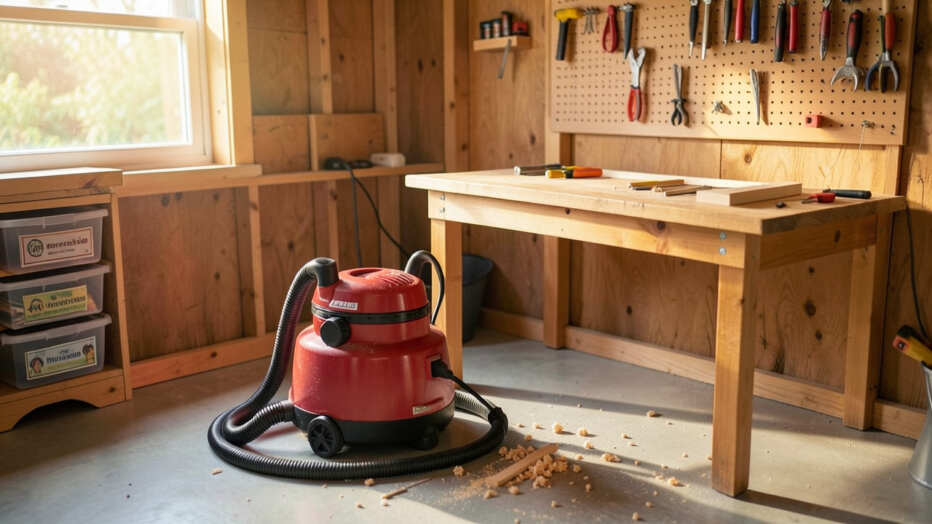
Why Consider a Shop Vacuum for Your Hobby Shed?
Dust is a relentless enemy in any hobby shed. Whether you’re sanding wood, cutting tile, or working with drywall, fine particles settle everywhere. A shop vacuum in a hobby shed captures debris at the source, keeping your lungs and your tools clean.
Beyond health, a vac saves you time. Instead of sweeping and stirring dust back into the air, you can vacuum directly. According to the American Lung Association, fine dust from woodworking can trigger asthma and chronic bronchitis.
A good shop vac with a HEPA filter traps 99.97% of particles as small as 0.3 microns.
Let’s break down the top reasons to bring one in:
- Health protection: Reduces inhalation of silica, wood dust, and mold spores.
- Tool performance: Keeps saws and sanders running longer by preventing clogging.
- Cleaner workspace: Eliminates the need for constant sweeping and dusting.
- Versatility: Can handle wet spills, leaves, and even car interiors.
- Resale value: A clean shed is easier to maintain and sell later.
The CDC reports that proper dust collection can cut respiratory irritation by up to 40%. That’s a significant benefit for any hobbyist spending hours in a confined space.
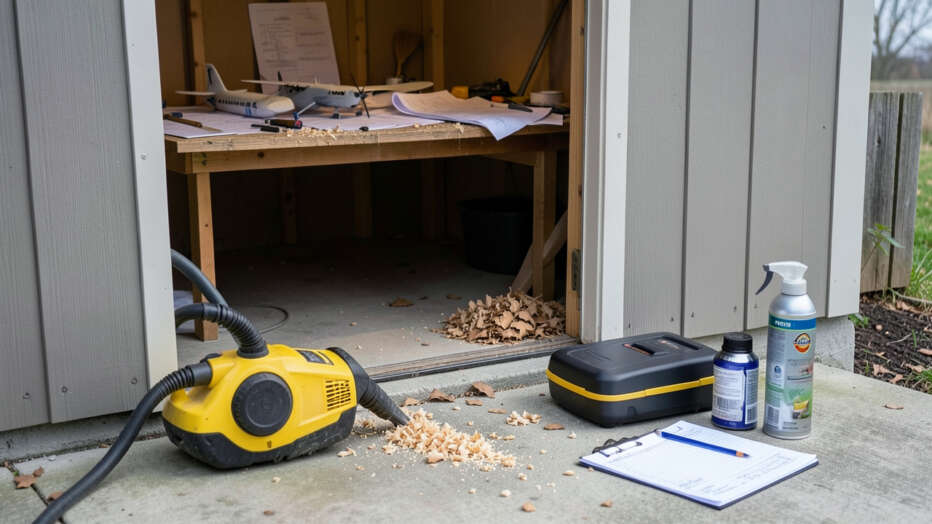
What Factors Should You Evaluate Before Deciding?
Before you rush to buy, consider your specific setup. Not every shed is suited for a large shop vac. Let’s examine the key factors that should influence your decision.
1. Shed Size and Layout
If your hobby shed is under 80 square feet, a full-size 10‑gallon vac can eat up precious floor space. Measure your floor area and plan where the vacuum will sit. A compact 5‑gallon model might be better for tight spaces.
2. Noise Level
Shop vacuums are loud — typically 80‑90 dB. In a small room, that can be unbearable without hearing protection. Compare noise ratings.
Some models have “quiet” modes that drop to 65‑70 dB. If you value peace, you might skip a vac and use a quieter Dust Deputy system.
3. Power Tool Compatibility
Do you use tools with dust ports? Many newer saws and sanders have 1.25‑inch or 2.5‑inch ports. A shop vac with the right adapter connects directly, making dust collection effortless.
If your tools lack ports, a vac might be overkill.
4. Budget
A decent shop vac costs between $50 and $200. HEPA filters add another $20‑40. Compared to a full dust collection system (which can run $500+), a shop vac is very affordable.
But if your hobby budget is tight, a handheld vac or even a good broom might be enough.
5. Type of Hobby
If you do woodworking, metal grinding, or drywall work, a shop vac is almost essential. For painting, sewing, or electronics, a vacuum is less critical. Assess the dust volume you generate.
| Factor | Put Shop Vac | Skip Shop Vac |
|---|---|---|
| Shed size | ≥ 100 sq ft | < 80 sq ft |
| Noise tolerance | Wear hearing protection | Cannot stand 80+ dB |
| Dust level | High (wood, drywall) | Low (crafts, electronics) |
| Budget | $50–200 | $0 (use broom) |
This table gives a quick visual. If your shed ticks the left column for most factors, a vac makes sense. If you lean right, skipping might be better.
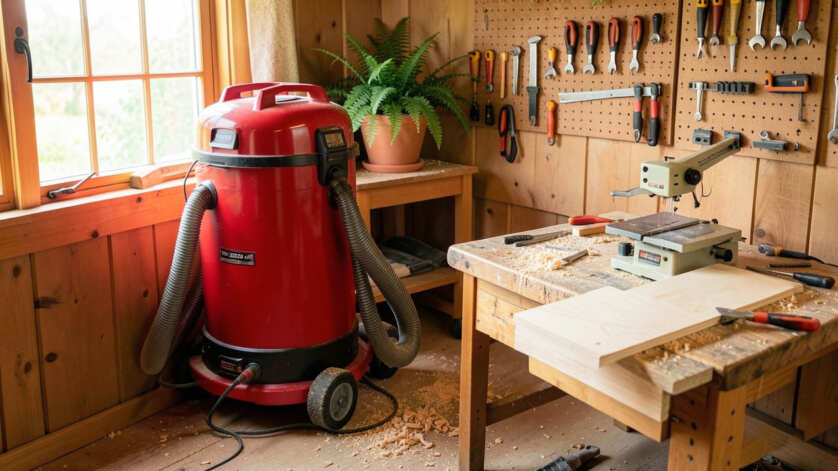
Putting a Shop Vacuum in a Hobby Shed: The Pros
Let’s go deeper into the advantages. A well-chosen shop vacuum in a hobby shed transforms your workflow.
Superior Dust Collection
Unlike a broom that stirs dust, a vac captures it. A HEPA-rated shop vac can trap particles that would otherwise settle on your tools and lungs. The EPA has noted that indoor air can be 2–5 times more polluted than outdoor air, especially during woodworking.
Time Savings
You can clean a 200‑sq‑ft shed in under 10 minutes with a shop vac. Sweeping takes at least double that, and you still have to dust surfaces. A vac handles both floors and benches.
Versatility Beyond Dust
Shop vacs aren’t just for sawdust. They can suck up water spills, leaves, pet hair, and small debris. You can even use them to clean out your car’s trunk after a trip to the lumberyard.
Improved Tool Longevity
When you connect a vac to a saw, the motor doesn’t have to push through a clogged blade or bit. This reduces wear and tear. A study by the Woodworking Institute found that dust collection can extend the life of power tools by 30%.
- Health: Fewer allergens, less sneezing, cleaner air.
- Convenience: No more trips to the garage to get the shop vac.
- Organization: Everything stays in one place.
- Resale: A clean shed looks better to potential buyers.
Tip: Mount your shop vacuum to a wall bracket to save floor space and keep it out of the way. Many models come with wall‑mounting kits.
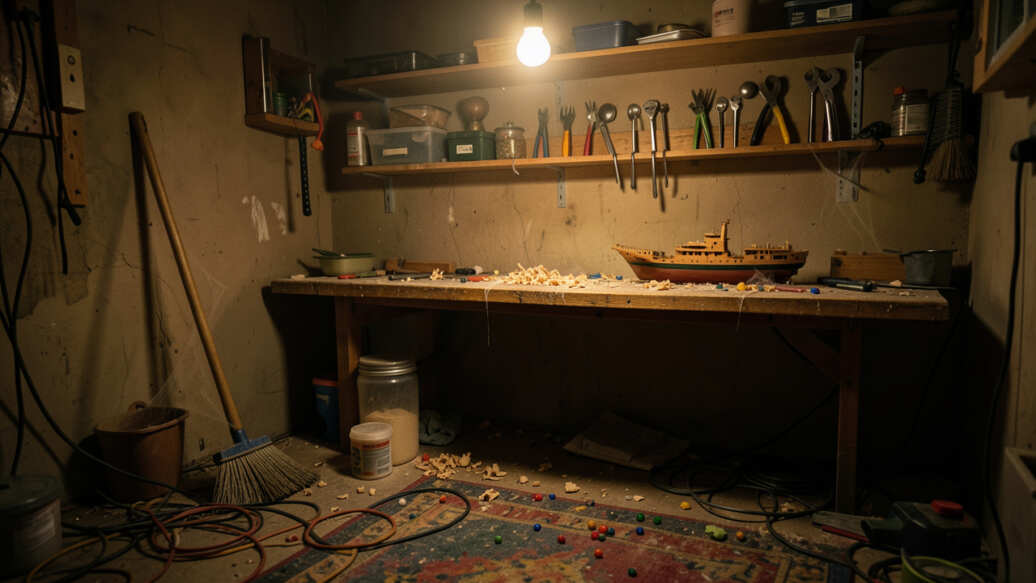
Skipping a Shop Vacuum in Your Hobby Shed: The Cons
Now let’s look at the flip side. Not every hobby shed needs a dedicated shop vac. Here are the drawbacks that might make you skip it.
Noise Pollution
Even quiet shop vacs produce 70 dB, which is like heavy traffic. In a small shed, the sound bounces off walls. If you share property with neighbors or work late, a vac can be a nuisance.
You might prefer a quiet dust collector or a simple hand brush.
Space Consumption
A 10‑gallon vac takes up about 2 square feet of floor space. In a 6×8 shed, that’s 4% of your floor area. Plus you need room for the hose (6–10 feet) and attachments.
If you already have a workbench and shelving, adding a vac can make the space feel cramped.
Ongoing Maintenance
Filters need cleaning or replacing every 3–6 months depending on use. Bags fill up and must be emptied. If you hate chores, a vacuum adds another task to your to‑do list.
A broom is zero‑maintenance.
Hidden Costs
While the upfront cost is low, HEPA replacements cost $15–30 each. You may also need a dust separator (like a Dust Deputy) to prevent the filter from clogging quickly. That adds another $40–80.
Over two years, you could spend $100+ on accessories.
- Noise: 80 dB average, requires earplugs.
- Space: Harder to maneuver in small sheds.
- Maintenance: Filters, bags, seals wear out.
- Portability: Larger ones are heavy to move around.
- Electricity: Uses 6–12 amps; may trip a breaker if combined with other tools.
Warning: If you have pets or kids, a shop vac left on the floor can be a tripping hazard. Always store it safely when not in use.
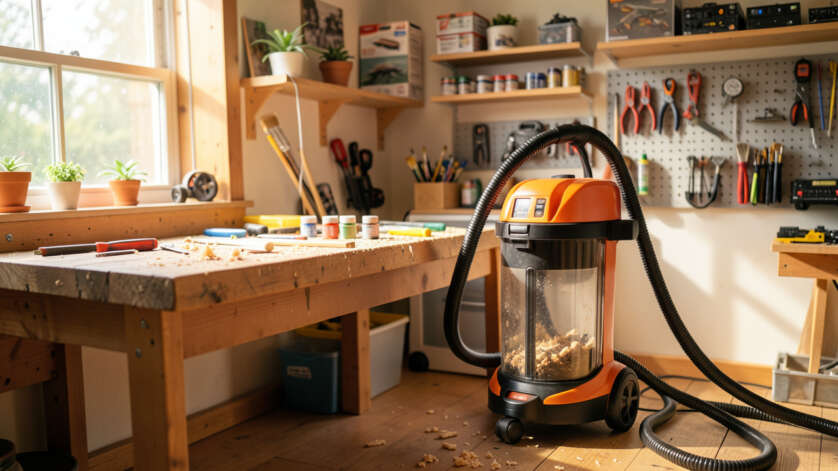
How to Choose the Right Shop Vacuum for Your Hobby Shed
If you decide to go ahead, selecting the best model is crucial. Not all vacs are created equal for shed use.
Size Matters
For a hobby shed under 100 sq ft, a 5‑gallon vac is plenty. For larger sheds, a 10‑gallon model gives you more capacity. But bigger means heavier and louder.
Weigh your needs.
Filtration System
Always choose a vac with a HEPA filter if you work with fine dust. Some models come with a dishwasher‑safe filter that you can rinse. Check the filter type before buying.
Noise Ratings
Look for “quiet” models advertised at 70 dB or less. Brands like Festool, Makita, and Bosch offer low‑noise options. Standard store brands are often louder.
Accessories and Attachments
A good vac includes crevice tool, floor nozzle, and brush. If you plan to connect to tools, make sure the hose diameter matches your tool ports (most common: 1.25″ or 2.5″).
| Feature | Essential | Nice to Have | Not Needed |
|---|---|---|---|
| HEPA filter | ✔ | ||
| Wet/dry capability | ✔ | ||
| Quiet mode | ✔ | ||
| Tool‑activated auto‑start | ✔ | ||
| Bluetooth remote | ✔ |
Use this table as a checklist. Prioritize HEPA and wet/dry if you’ll use the vac for spills. Quiet mode is a game‑changer for small sheds.
Important: Always check the power cord length. A 20‑foot cord is standard; shorter cords may require an extension, which can be a trip hazard in a cramped shed.
Alternatives to a Shop Vacuum in a Hobby Shed
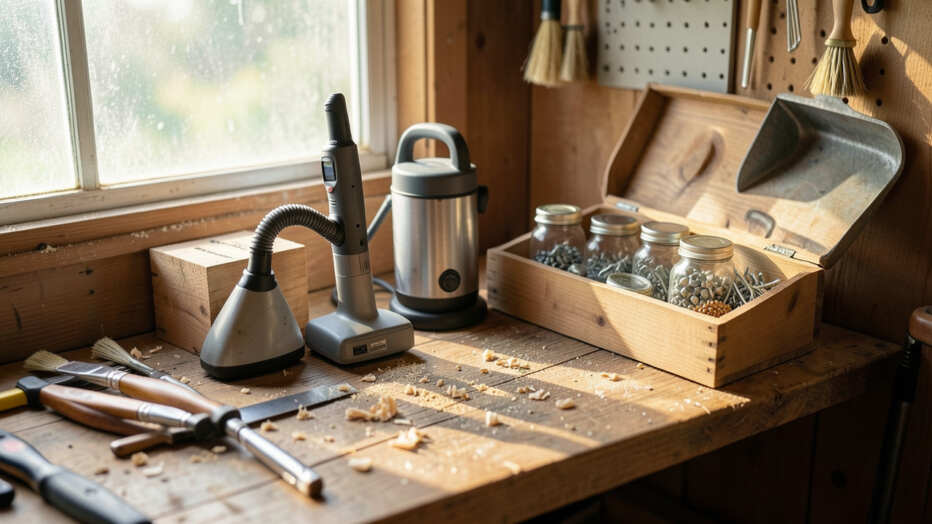
If you decide to skip a dedicated vac, you still have options. Here are three alternatives that can keep your shed clean without the commitment.
1. Handheld Battery‑Powered Vac
For small cleanup on workbenches and shelves, a handheld vac like the Dewalt DCV580 works great. It’s quiet, cordless, and easy to store. The downside: small bin, limited suction, and it won’t handle major sawdust piles.
2. Dust Collection System with a Cyclone
A Dust Deputy or Oneida Air Systems cyclone attaches to a standard bucket. You connect it to a portable vac, but the cyclone separates out 95% of debris before it reaches the vac. This reduces filter maintenance and noise (the vac runs less).
It’s a middle ground.
3. Broom, Dustpan, and Compressed Air
For minimalists, a stiff broom and a quick blow‑off with an air compressor can keep dust under control. This is cheap and quiet, but you’ll kick dust into the air and breathe it in. Not ideal for health.
Frequently Asked Questions
Can I use a regular home vacuum in a hobby shed?
Not recommended. Home vacuums are not designed for fine dust or wet debris. They can clog quickly and may even catch fire if used with combustibles like sawdust.
A shop vac is built to handle these conditions.
How loud is a shop vacuum in a small shed?
Most models range from 75 to 90 dB. That’s similar to a lawnmower or heavy traffic. You’ll need hearing protection if you use it for more than a few minutes.
Quieter models (around 70 dB) are available from premium brands.
Do I need a HEPA filter for a shop vac in a hobby shed?
Yes, especially if you work with fine dust from MDF, plywood, or drywall. HEPA filters trap 99.97% of particles down to 0.3 microns, protecting your lungs. For occasional use with larger chips, a standard filter may suffice, but HEPA is better.
How do I prevent the shop vac from tipping over in a small space?
Mount it on a wall bracket or place it in a corner with a heavy base. Some models have wheeled caddies that keep them stable. You can also build a simple plywood stand that anchors to the floor.
Can I connect a shop vac to my table saw or miter saw?
Yes, most saws have dust ports. You’ll need an adapter that matches the hose diameter to the port. Many vacs come with a set of adapters.
For optimal performance, use a vac with automatic start so it runs only when the saw is on.
Final Thoughts
A shop vacu in a hobby shed can be a game‑changer for cleanliness and health, but it’s not for everyone. If you generate significant dust, value quick cleanup, and have space, the investment pays off quickly. On the other hand, if noise bothers you or your shed is tiny, skip it and opt for a quieter alternative.
Weigh your specific needs, and you’ll make the right choice.