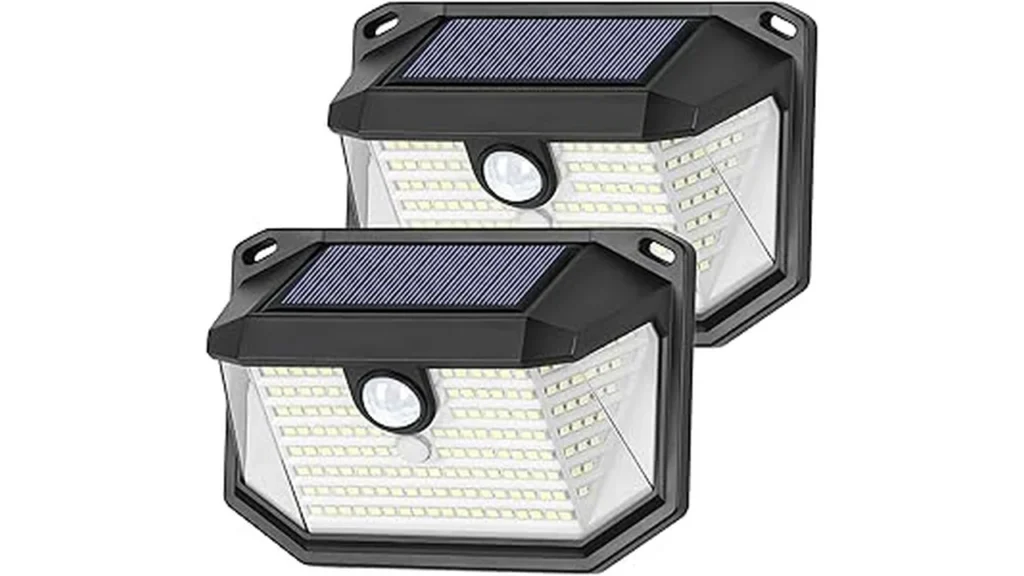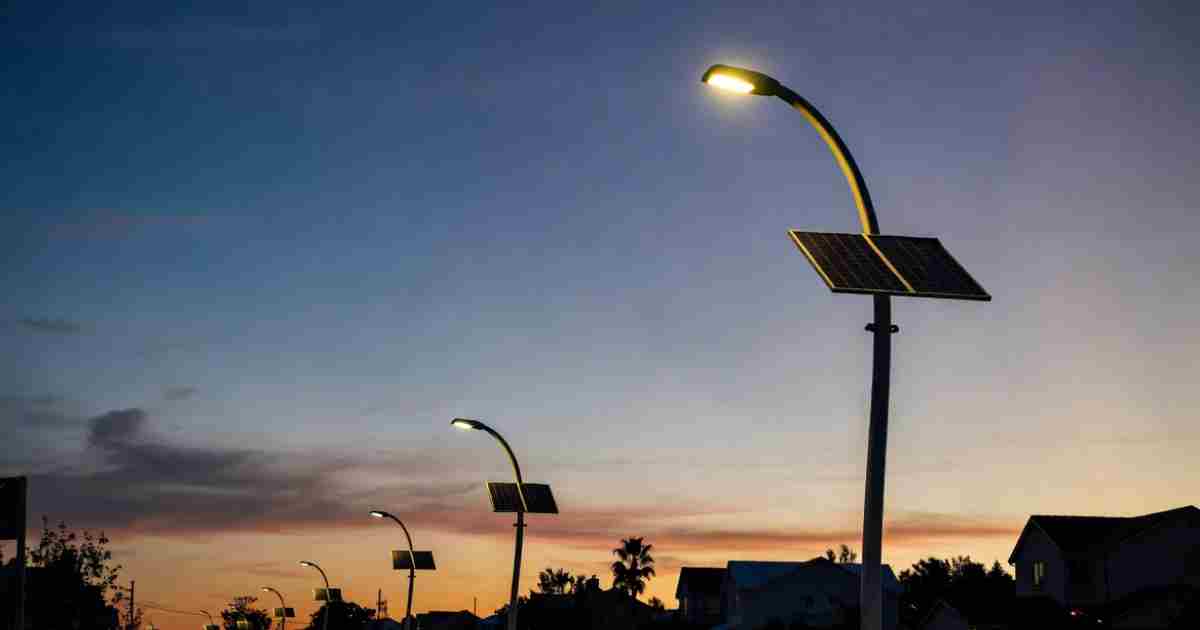

Solar lights stop working at night primarily because their batteries did not receive enough sunlight during the day, often due to dirty panels, short daylight hours, or panel shading. A dead or aging battery is another frequent cause, as rechargeable batteries lose capacity over time and need replacement. Checking panel cleanliness and battery condition resolves most nighttime failures, restoring light output reliably.
It can be a bit puzzling when your solar lights, which are supposed to light up the night, suddenly stop working. Many people find that figuring out the 10 Reasons Solar Lights Stop Working at Night is a common challenge. But don’t worry!
We’ll break it down in a simple, step-by-step way. Get ready to learn what might be going on and how to fix it, so your lights can shine bright again.
Key Takeaways
- Solar lights need enough sunlight to charge their batteries.
- Dirt and debris can block sunlight from reaching the solar panel.
- A dead or old battery is a frequent cause of failure.
- Damage to the solar panel or internal wiring will stop them from working.
- Some lights have a switch that might have been accidentally turned off.
- Weather conditions like heavy rain or snow can impact their function.
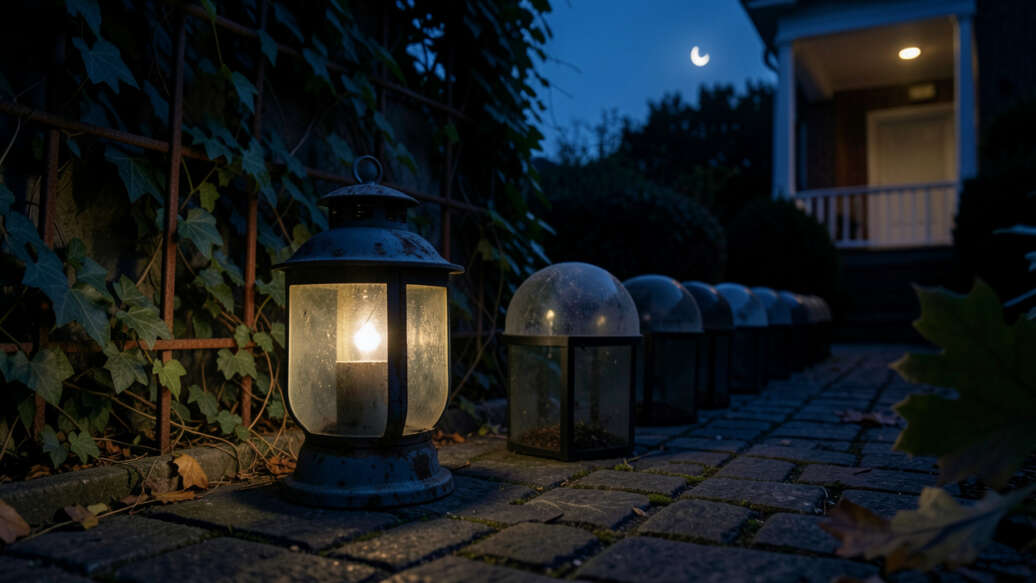
Why Your Solar Lights Might Not Be Working at Night
Solar lights are a great way to add light to your garden or pathway. They are easy to use and save energy. But sometimes, they just don’t turn on when it gets dark.
Check for simple issues like insufficient sunlight or a dirty panel before assuming a major defect.
This can be frustrating, especially when you expect them to work. There are several common reasons why this happens. We’re going to go through them one by one so you can figure out what’s wrong and get them working again.
1. Not Enough Sunlight
The most basic reason solar lights stop working is that they didn’t get enough sun during the day. Solar lights have a panel that soaks up sunlight. This sunlight powers a battery inside the light.
If the panel doesn’t get a full day of sun, the battery won’t charge enough. Then, there’s no power to turn the light on at night. Think of it like your phone.
Even during shorter days or as foliage returns, solar lights can still charge if positioned for maximum exposure.
If you don’t charge it, it won’t turn on.
Even on a cloudy day, solar lights get some charge. But it’s much less than on a bright, sunny day. For best results, the solar panel needs direct sunlight for at least 6 to 8 hours.
If your lights are shaded by trees, buildings, or even tall plants, they won’t get enough sun. This is a very common issue, especially during seasons with shorter daylight hours or when leaves start to grow back in the spring.
How to Fix It:
- Make sure the lights are placed in a spot that gets direct sunlight for most of the day.
- Trim any trees or bushes that might be blocking the sun.
- If you live in an area with very short days, you might need to bring the lights inside to charge them more directly.
2. Dirty Solar Panels
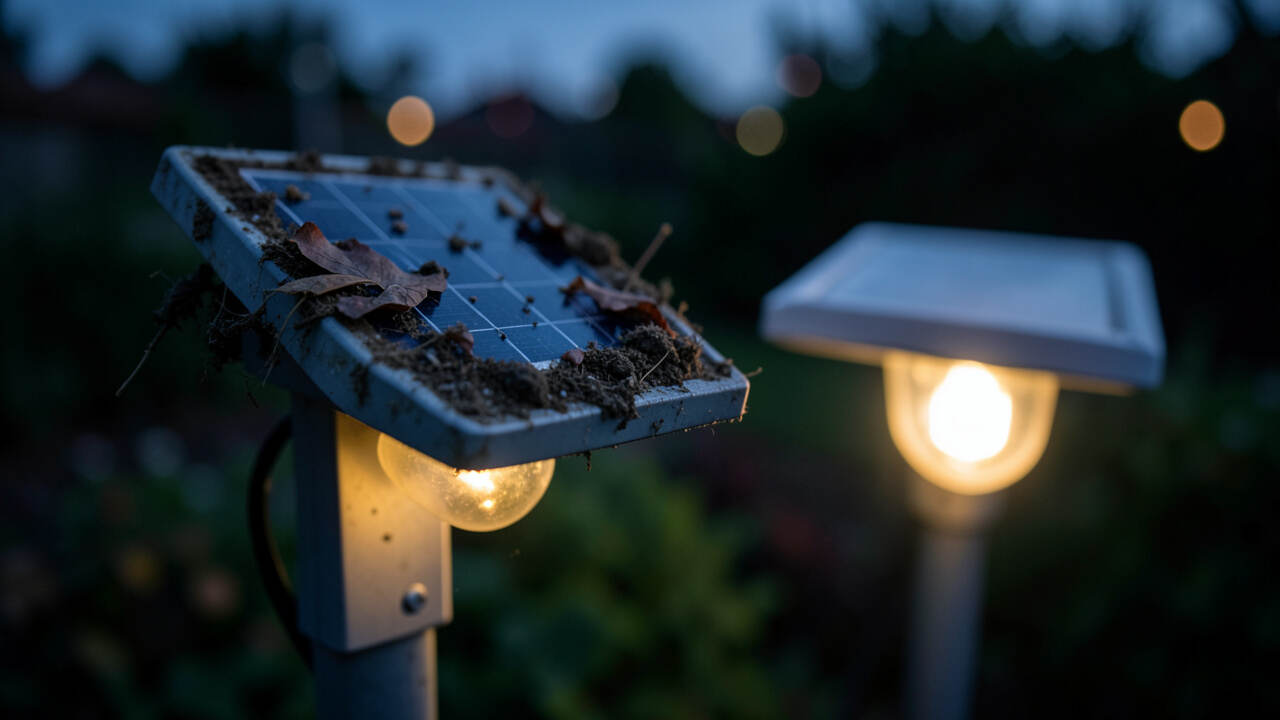
Over time, solar panels can get covered in dust, dirt, pollen, bird droppings, or leaves. This build-up acts like a blanket, stopping the sunlight from reaching the solar cells. Even a thin layer of grime can make a big difference in how much energy the panel can collect.
If the panel can’t collect enough energy, the battery won’t charge properly.
A thin layer of grime on the panel can reduce charging efficiency more than most homeowners realize.
You might not even notice how dirty they are until the lights stop working. It’s a simple fix, but one that’s often overlooked. The panel needs to be clean to do its job effectively.
Imagine trying to see through a dirty window; the view is much dimmer. The same happens with sunlight hitting a dirty solar panel.
How to Fix It:
- Gently wipe the solar panel with a soft, damp cloth.
- You can use a little bit of mild soap and water if the dirt is stubborn.
- Rinse it off and let it dry completely.
- Clean them regularly, especially if you live in a dusty area or during pollen season.
3. Dead or Old Battery
Like any battery, the ones in solar lights don’t last forever. They have a lifespan, and after a certain amount of time and charging cycles, they start to lose their ability to hold a charge. Most solar lights use rechargeable AA or AAA batteries.
Replace rechargeable batteries every 1 to 3 years to maintain peak performance of your solar lights.
These typically last anywhere from 1 to 3 years, depending on the quality and how often they are used.
If your solar lights have been working well for a couple of years and then suddenly start to dim or stop working altogether, a worn-out battery is a likely culprit. The battery might still be able to take some charge, but it can’t store enough power to keep the light on for the whole night. It’s like having a leaky bucket; it holds some water but not enough to be useful for long.
How to Fix It:
- Check the type of battery your light uses (usually AA or AAA rechargeable).
- Carefully open the battery compartment (often a small screw or clip).
- Make sure to insert them with the correct positive (+) and negative (-) ends facing the right way.
4. Damaged Solar Panel
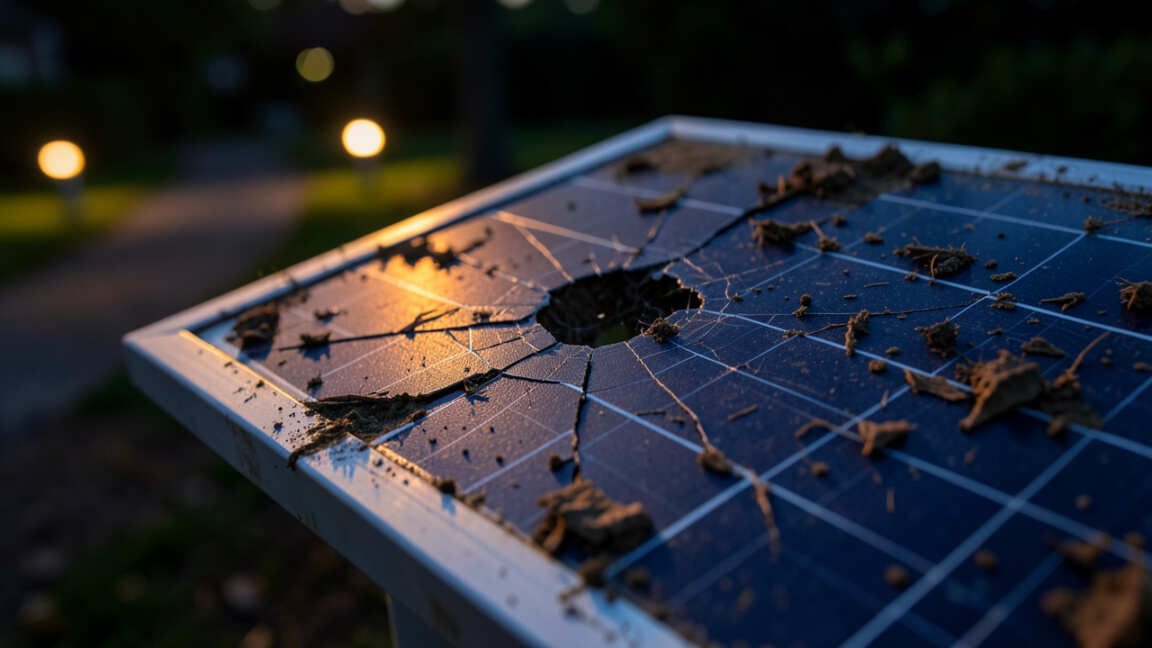
The solar panel is the heart of the solar light. If it gets physically damaged, it can’t convert sunlight into electricity anymore. This damage can happen from impacts like a falling branch, hail, or even strong winds.
A cracked or scratched panel might still work a little, but its efficiency will be greatly reduced, leading to poor charging and no light at night.
Even a small crack or scratch on the solar panel can drastically reduce its ability to charge the battery.
Sometimes, the damage isn’t obvious. Corrosion can also happen if moisture gets into the panel’s circuitry, especially if the seals are broken. If the panel looks physically broken, like it has cracks or is peeling, it’s probably the reason the light isn’t working.
It’s like a broken solar calculator; it just won’t show numbers.
How to Fix It:
- Inspect the solar panel for any visible cracks, deep scratches, or signs of corrosion.
- If the panel is severely damaged, you might need to replace the entire light fixture.
- Minor scratches can sometimes be buffed out, but significant damage usually means replacement.
5. Faulty Wiring or Internal Components
Inside the solar light, there are wires connecting the solar panel, the battery, and the LED bulb. If any of these connections become loose, corroded, or broken, the electricity can’t flow properly. This can happen due to vibration, moisture, or just the general wear and tear of being outdoors.
Loose or corroded internal connections are often overlooked but are a common cause of intermittent light failure.
Sometimes, the internal circuit board or other components can fail. This is harder to diagnose without taking the light apart, which can be difficult and may void warranties. If you’ve tried all the other simple fixes and the light still doesn’t work, a problem with the internal wiring or components is a possibility.
It’s like a short circuit in a toy that stops it from moving.
How to Fix It:
- This is a more advanced fix. If you’re comfortable, you can open the light to check for obvious loose wires or corrosion.
- Ensure all connections look secure and free of rust or damage.
- If the damage is significant, it’s often more practical to replace the light.
6. The Light Sensor is Blocked or Malfunctioning
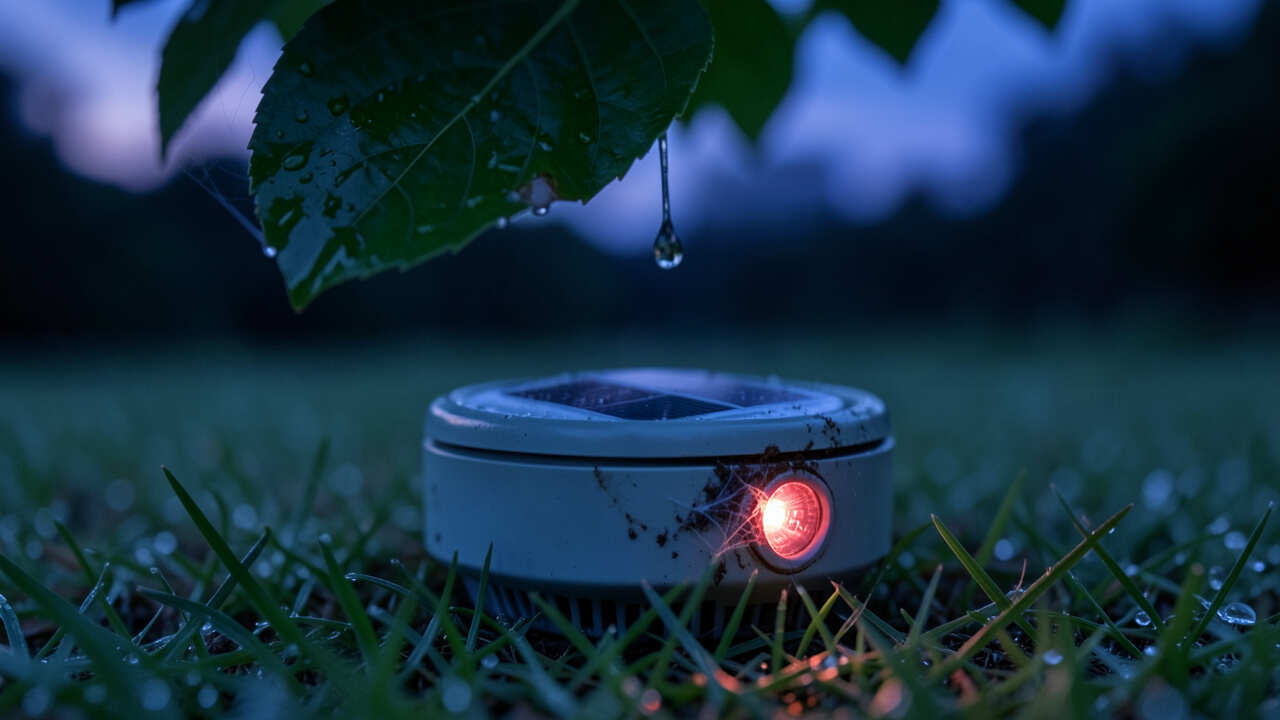
Solar lights have a small sensor, usually a tiny dark-colored component on the panel, that detects when it’s dark. This sensor tells the light when to turn on. If this sensor is covered by dirt, debris, or even a sticker, it might think it’s still daytime, and the light won’t switch on.
A blocked or faulty light sensor can prevent the light from turning on even when the battery is fully charged.
Also, the sensor itself can sometimes fail.
Think of it like a thermostat for your light. If the thermostat is covered or broken, it can’t tell the heating or cooling system when to activate. So, if your light has power and a good battery but still won’t turn on, check this little sensor.
It’s usually very small and might be easy to miss.
How to Fix It:
- Make sure the sensor is clean and free of any obstruction.
- Gently wipe it with a soft cloth.
- If cleaning doesn’t help and the sensor looks damaged, the light may need replacing.
7. The On/Off Switch is Off
This sounds very simple, but it’s surprisingly common! Many solar lights have a small on/off switch, often located on the underside or near the battery compartment. This switch is usually turned to “ON” when you first get the light.
Accidentally flipping the on/off switch during maintenance is an easy mistake that leaves your lights dark.
However, during cleaning, moving the lights, or even by accident, the switch can be flipped to “OFF”.
If you’ve checked the sunlight, cleaned the panel, and even replaced the battery, the first thing to check is the simple on/off switch. It’s easy to overlook, especially on smaller lights. Imagine forgetting to turn on your TV remote; the TV won’t turn on until the remote is switched on.
This is the light’s version of that.
How to Fix It:
- Locate the on/off switch on your solar light.
- Make sure it is set to the “ON” position.
- If it was off, turn it on and leave the light in the sun to charge for a full day.
8. Water Damage or Poor Sealing
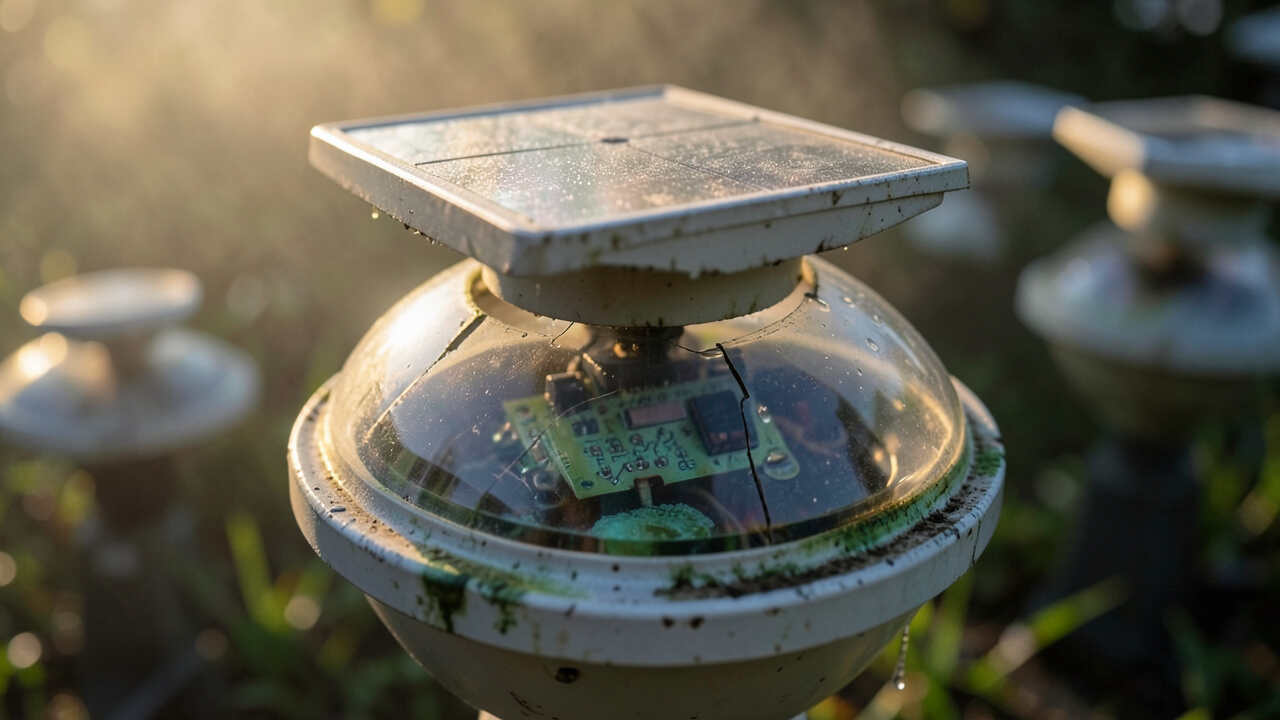
Solar lights are designed to be outdoors, but they aren’t always completely waterproof. If the seals around the casing, lens, or battery compartment are not good, water can get inside. This moisture can corrode the internal components, damage the circuit board, or short out the battery.
If you notice condensation inside the light or signs of rust, water damage is a strong possibility.
Even if they are rated as waterproof, constant exposure to heavy rain, sprinklers, or being submerged can eventually compromise their seals. Once water gets in, it can cause electrical problems that stop the light from working. It’s like a smartphone that falls into water; even if it dries out, the damage might already be done.
How to Fix It:
- If you suspect water damage, try to open the light carefully and dry out any moisture.
- Let it air dry completely in a warm, dry place for a day or two.
- Inspect for signs of corrosion on battery contacts or internal wires.
- If significant corrosion is present, it may be difficult to repair.
- Consider looking for lights with better weatherproofing if this is a recurring issue.
9. The LED Bulb Has Burned Out
LED bulbs are known for lasting a very long time, much longer than traditional incandescent bulbs. However, they don’t last forever. Eventually, the LED in your solar light might burn out.
When this happens, the light will no longer illuminate, even if the rest of the solar charging system is working perfectly fine.
This is more common in older solar lights or those that have been used extensively. You might notice the light dimming significantly before it stops working altogether. It’s like a light bulb in your house finally giving up after years of use.
If you’ve ruled out all other issues and the light has been working for a long time, the LED itself might be the problem.
How to Fix It:
- For most solar lights, the LED bulb is not designed to be easily replaced by the user.
- If the LED has burned out, the easiest solution is often to replace the entire solar light fixture.
- In some higher-end or specialized models, LED replacement might be possible, but this is rare.
10. Temperature Extremes
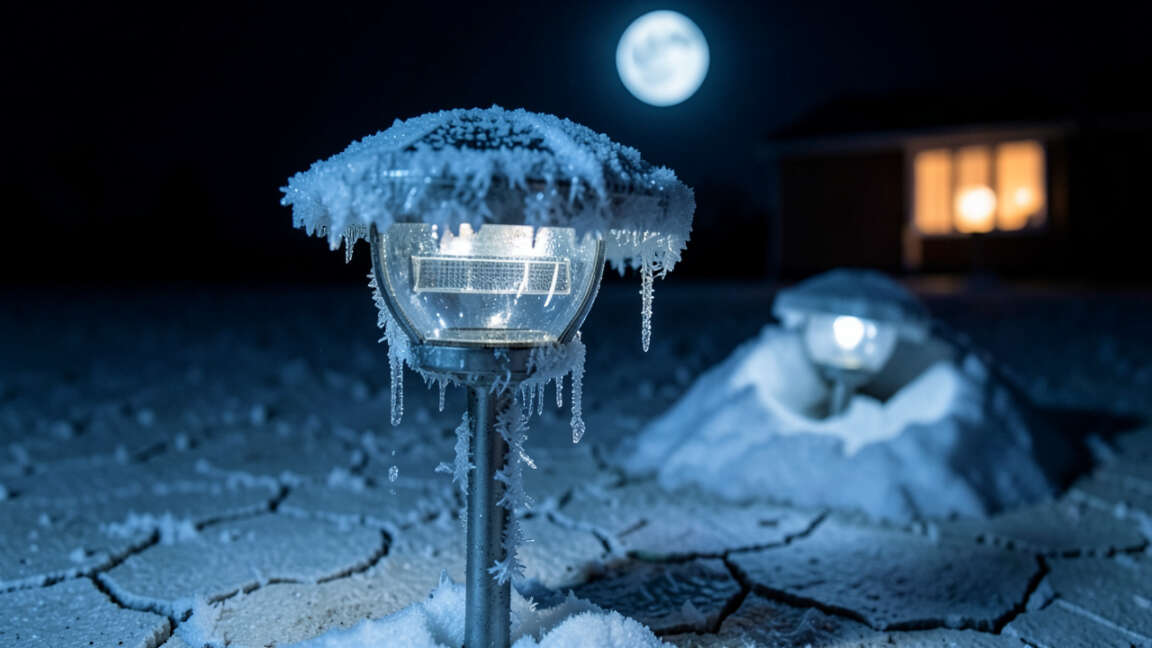
Extreme temperatures, both very hot and very cold, can affect the performance of solar lights and their batteries. High temperatures can cause the battery to degrade faster and reduce its efficiency. Very cold temperatures can slow down the chemical reactions in the battery, making it harder for it to store and release power, which can prevent the light from turning on or cause it to be very dim.
If you notice your solar lights stop working consistently during a heatwave or a cold snap, temperature might be the issue. The components are designed to work within a certain range, and pushing beyond that can lead to temporary or even permanent problems. It’s like trying to run a device in a sauna or a freezer; it’s not ideal for its operation.
How to Fix It:
- During extreme heat, try to provide some shade for the solar panel if possible, without blocking sunlight.
- During extreme cold, ensure the light is not buried in snow.
- For very old lights, battery performance in temperature extremes will naturally degrade.
Frequently Asked Questions
Question: How long should solar lights last?
Answer: The lifespan of solar lights can vary greatly. The solar panel and LED bulb can often last for many years, but the rechargeable battery usually needs to be replaced every 1 to 3 years.
Question: Can I use regular batteries in my solar lights?
Answer: No, you should only use rechargeable batteries designed for solar lights. Regular batteries are not meant to be recharged by the solar panel and could leak or damage the light.
Question: My solar lights worked yesterday, but not today. What should I do?
Answer: Check for obstructions on the solar panel, ensure the on/off switch is in the “ON” position, and see if the location has recently become shaded. If it’s been a while since you last cleaned them, a dirty panel could be the cause.
Question: Will rain damage my solar lights?
Answer: Most solar lights are designed to be weather-resistant, but not all are fully waterproof. Heavy or prolonged rain can potentially damage lights with poor seals. Look for lights with good weather ratings if you live in a wet climate.
Question: My solar lights are dim. What’s the most likely problem?
Answer: Dim lights are usually caused by a battery that is starting to wear out or isn’t getting fully charged due to insufficient sunlight or a dirty solar panel.
Final Thoughts
So, if your solar lights have stopped shining bright at night, you now know the common culprits. It’s usually something simple like a dirty panel, a battery that needs changing, or a spot that doesn’t get enough sun. By going through these 10 reasons, you can find the fix.
Most issues can be resolved with a little cleaning or a battery swap. Now you can get your lights working again and enjoy your illuminated outdoor space.