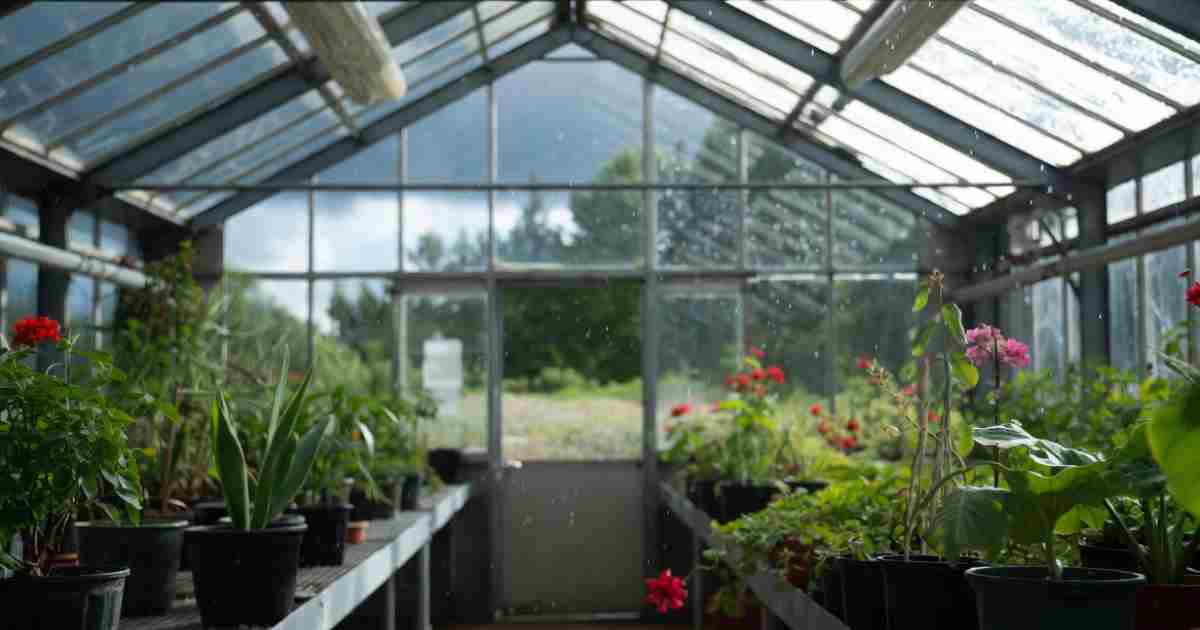

A failing greenhouse system reveals itself through five clear signs: unstable humidity, erratic temperatures, watering issues, nutrient deficiencies, and unchecked pests or diseases. These symptoms indicate that environmental controls—such as air circulation, lighting, or pH balance—are not functioning correctly, directly harming plant health. Recognizing these signs early allows growers to make targeted adjustments and restore optimal growing conditions.
Starting a greenhouse can feel a bit tricky, especially when things don’t go quite as planned. If you’re wondering about 5 Signs Your Greenhouse System Is Failing, you’re not alone. Many new growers face similar puzzles.
Don’t worry, we’ll walk through it step by step. First, let’s look at what might be going wrong and then how to fix it.
Key Takeaways
- Learn to spot early signs of trouble in your greenhouse setup.
- Understand how humidity levels can affect plant health.
- Recognize the impact of temperature fluctuations on growth.
- Identify common issues with watering and nutrient delivery.
- Discover how pests and diseases signal system problems.
- Find simple fixes to get your greenhouse back on track.
Why Greenhouse Systems Can Struggle
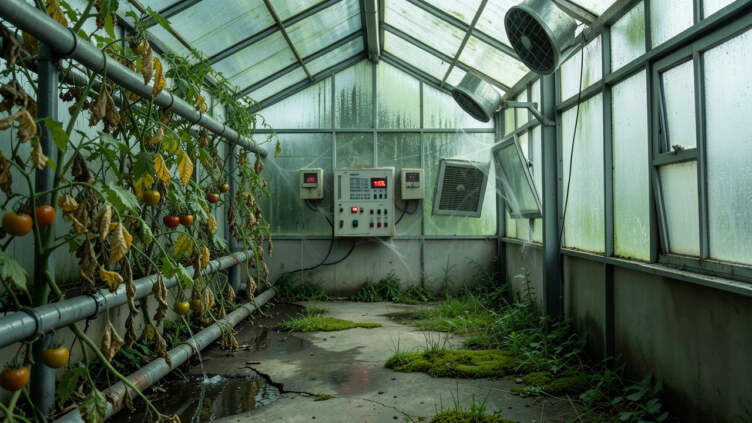
Greenhouses are amazing places to grow plants. They give you control over the environment. But sometimes, that control doesn’t work perfectly.
This can make it hard to keep your plants happy. When your greenhouse system isn’t working right, your plants will show it. It’s like a plant’s way of saying “Help!”.
Keeping the Right Air Moisture
Humidity is super important in a greenhouse. Too much can cause mold and fungus. Too little can dry out your plants.
Ensure humidity levels stay consistent to avoid mold or dry air stress. A simple hygrometer can help you monitor and adjust humidity effectively.
You want a nice, steady level. Think of it like breathing – plants need the right amount of moisture in the air. If you see white fuzzy stuff on your plants or soil, that’s a sign of too much humidity.
If the leaves look dry and crispy, it might be too low.
You can check humidity with a simple tool called a hygrometer. They are not expensive. Aim for the levels recommended for the types of plants you are growing.
Good airflow helps keep humidity in check. Opening vents or using small fans can make a big difference.
Temperature Troubles
Plants have a sweet spot for temperature. If it’s too hot, they can get stressed. If it’s too cold, they won’t grow well.
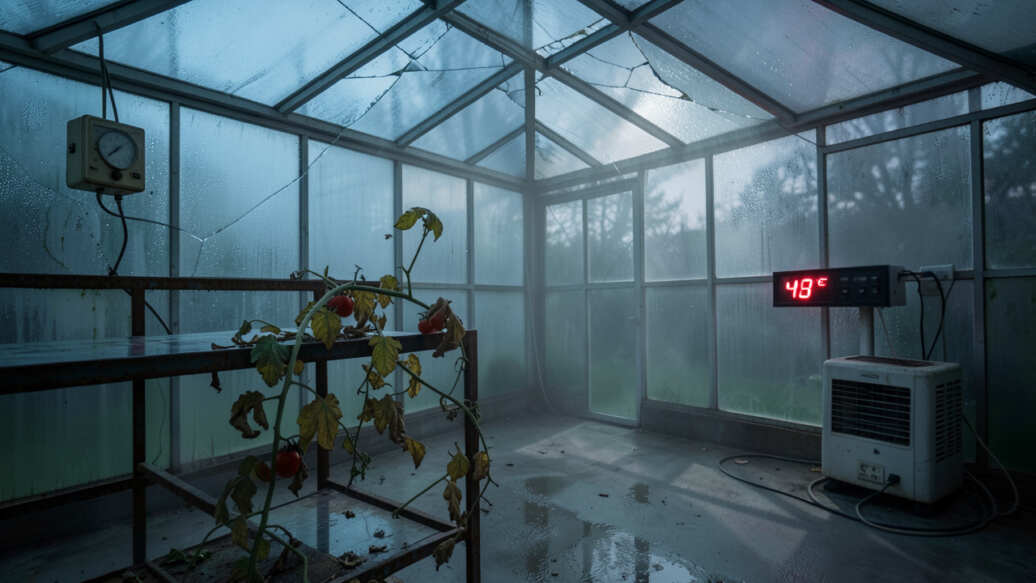
Your greenhouse needs to stay within the right range, day and night. A sudden drop or spike in temperature can shock your plants.
How can you tell if temperature is a problem? Look for wilting leaves, even when the soil is moist. Yellowing leaves can also be a sign.
If your plants are growing very slowly or not at all, temperature could be the culprit. You might need to add heating or cooling systems. Or, you might need to adjust insulation.
Automatic thermostats can help. They turn heaters or fans on and off to keep the temperature steady. This takes the guesswork out of it.
Yellowing leaves and stunted growth often indicate temperature stress. Check both day and night temperatures to ensure they remain within the optimal range for your plants.
Checking your thermometers regularly is also a good habit.
Watering Woes
Plants need water, but not too much and not too little. Your greenhouse watering system might not be giving them what they need. Overwatering can lead to root rot.
Underwatering makes plants wilt and die.
Signs of watering problems include leaves that turn yellow or brown. The soil might be constantly soggy or bone dry. Roots can also rot if they sit in too much water.
This can kill your plants quickly.
Check the soil moisture with your finger. It should feel damp, not soaking wet or dry. You might need to adjust your watering schedule.
If you use an automatic system, check its settings. Sometimes, emitters get clogged or hoses leak.
Nutrient Needs
Plants need food, just like we do. This food comes from nutrients in the soil or added through fertilizers. If your plants aren’t getting the right nutrients, they won’t grow strong.
They might look pale or have spots.
Nutrient deficiencies can show up in different ways. Leaves might turn yellow between the veins. Growth can slow down.
Some plants might even stop producing flowers or fruit. This means your feeding plan isn’t working.
You can test your soil or nutrient solution. This will tell you what might be missing. Then, you can add the right fertilizers.
Make sure you follow the instructions carefully. Too much fertilizer can be as bad as too little.
When leaves yellow between the veins, your plants are likely showing a specific nutrient deficiency that requires targeted correction through soil testing and fertilizer adjustment.
Pest and Disease Patrol
Sometimes, problems in your greenhouse are caused by tiny invaders. Pests like aphids or spider mites can attack your plants. Diseases like powdery mildew can spread quickly.
Seeing small bugs on your plants is a clear sign. Yellow spots, holes in leaves, or sticky residue are also clues. These problems can weaken your plants and make them sick.
They are often a sign that the greenhouse environment is too favorable for the pests or diseases.
Regularly inspect your plants. Look under the leaves and at new growth. If you find pests, try to remove them manually or use organic pest control.
Good airflow and proper watering can help prevent diseases.
Lighting Levels
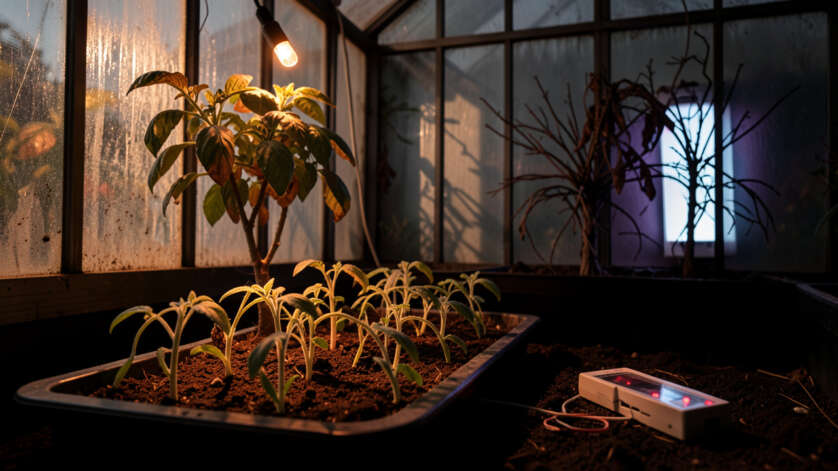
Plants need light to make food. If your greenhouse isn’t getting enough natural light, or if your artificial lights aren’t working right, your plants will suffer. Leggy, stretched-out plants are a common sign of low light.
Make sure your greenhouse is in a sunny spot. Clean the glass or plastic regularly so light can get through. If you use grow lights, check that they are on for the correct amount of time each day.
Position grow lights at the correct distance and run them for the proper photoperiod to prevent leggy, weak plants.
Also, make sure they are positioned close enough to your plants.
Different plants need different amounts of light. Some love full sun, while others prefer shade. Research the needs of your specific plants.
This will help you provide the best lighting conditions.
Air Circulation Issues
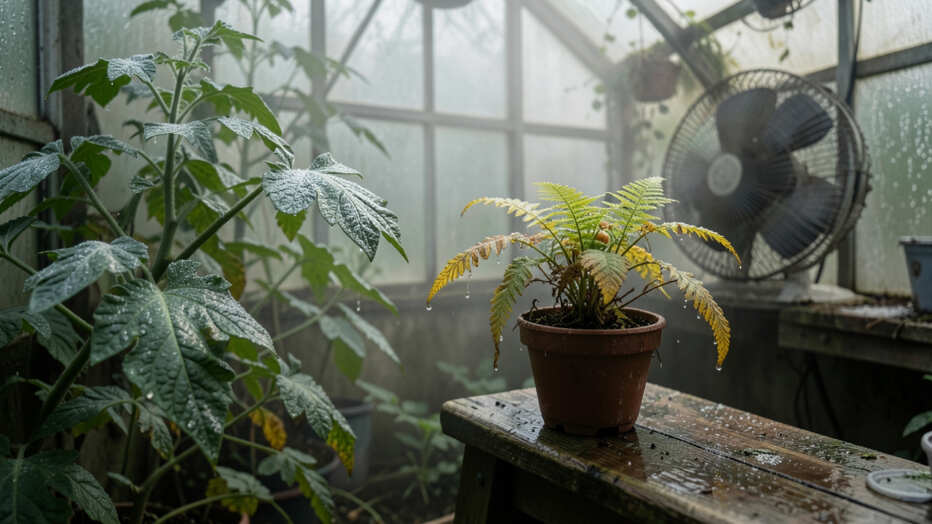
Good air movement is vital for a healthy greenhouse. It helps control humidity, prevents diseases, and strengthens plants. If the air in your greenhouse is stagnant, problems can arise quickly.
Stagnant air can lead to increased humidity, which promotes fungal growth. It can also allow pests to thrive. Plants might become weak and less able to resist stress.
Stagnant air in your greenhouse creates high humidity that promotes fungal diseases and weakens plant stems. Install oscillating fans to keep air moving gently.
You might notice a damp, musty smell in the air.
Using fans can solve this. Small oscillating fans can keep the air moving gently. Opening vents also helps.
This exchange of air is crucial for a balanced environment.
The Role of pH Levels
pH is a measure of how acidic or alkaline your soil or water is. Plants can only absorb nutrients when the pH is in the right range. If the pH is too high or too low, nutrients become locked up, and plants can’t use them, even if they are present.
Testing pH regularly with a simple kit prevents nutrient lockout and ensures your plants can absorb the fertilizers you apply.
Signs of pH imbalance can look like nutrient deficiencies. Leaves might turn yellow, or growth may be stunted. The specific symptoms depend on which nutrient is unavailable due to the wrong pH.
You can test your pH with simple kits or meters. Adjusting the pH might involve adding specific amendments to your soil or changing the pH of your watering solution. Aim for the ideal pH range for your particular plants.
Water Quality Concerns
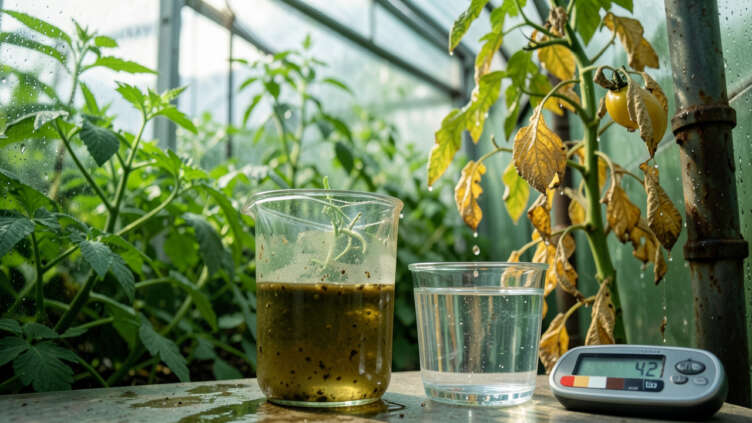
The water you use in your greenhouse matters. If your water has too much salt or other dissolved solids, it can harm your plants. This is especially important if you are using hydroponic systems or misting.
Water quality becomes critical in hydroponics and misting systems, where high dissolved solids can quickly damage sensitive roots and foliage.
High salt content in water can cause the tips of leaves to turn brown and dry out. It can also interfere with nutrient uptake. If you suspect your water quality is an issue, you can have it tested.
Using filtered water or rainwater can help. If your tap water is problematic, consider using a reverse osmosis system. This will remove unwanted dissolved substances.
Structural Integrity
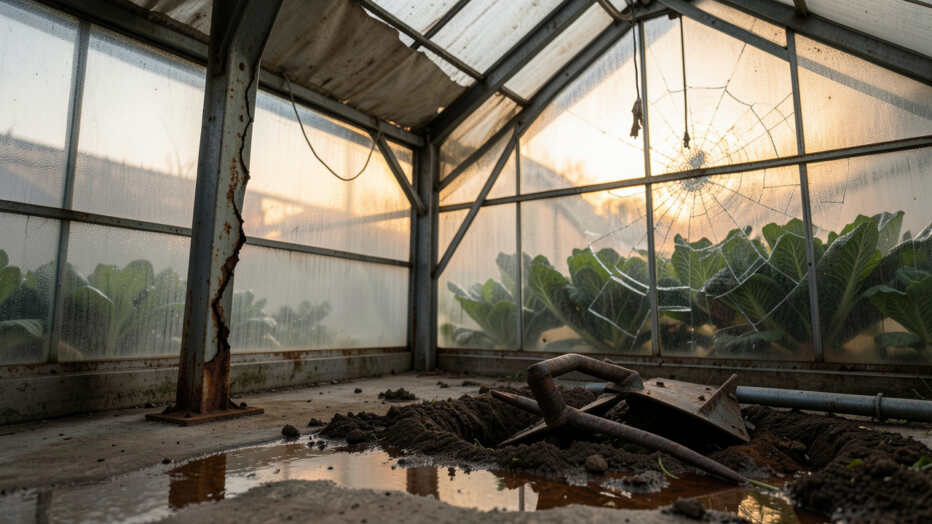
Sometimes, the greenhouse itself might be part of the problem. If your greenhouse isn’t sealed well, you’ll lose heat and humidity control. Drafts can cause temperature fluctuations.
Check for gaps around doors, windows, and panels. Are the frames sturdy? Is the covering material intact?
Inspect your greenhouse structure regularly for gaps and tears to prevent heat loss and humidity fluctuations that stress plants.
A damaged or poorly constructed greenhouse will make it much harder to maintain a stable environment for your plants.
Repair any cracks or holes. Ensure doors and vents seal properly. A well-built and maintained structure is the foundation of a successful greenhouse system.
Frequently Asked Questions
Question: What is the most common problem beginners face with greenhouse systems?
Answer: Many beginners struggle with controlling humidity and temperature. It’s hard to keep these just right without experience.
Question: How often should I check my greenhouse for problems?
Answer: It’s best to check your greenhouse at least once a day, especially when starting out or when the weather changes suddenly.
Question: My plants’ leaves are turning yellow. What could be wrong?
Answer: Yellow leaves can mean many things, including overwatering, underwatering, nutrient deficiency, or pH imbalance.
Question: What can I do about mold growing in my greenhouse?
Answer: Improve air circulation with fans and vents, and try to reduce humidity levels.
Question: How do I know if my watering system is working correctly?
Answer: Check the soil moisture regularly. If it’s too wet or too dry, your system may need adjustments or repairs.
Final Thoughts
Spotting issues in your greenhouse early is key. Look at humidity, temperature, watering, and your plants’ general health. These are important clues.
Simple checks and adjustments can make a big difference. Keep an eye on your plants, and they will tell you what they need. You’ve got this!