
Solar lights are affected by nine weather conditions including cloudy days, heavy rain, snow, strong winds, extreme heat, humidity, fog, dust, and pollen, each of which can reduce charging efficiency or damage components. Cloud cover and precipitation limit sunlight absorption, while extreme heat can degrade batteries and snow accumulation blocks panels entirely. Understanding these effects helps users select appropriate solar lights and perform seasonal maintenance to maintain reliable performance.
Solar lights are a great way to light up your yard without using electricity. But sometimes, they don’t work as well as we’d like. This can be confusing, especially when you’re just starting out.
You might wonder why your solar lights aren’t shining brightly or staying on all night. Don’t worry, it’s usually pretty simple to figure out. We’ll walk you through the 9 Weather Effects on Solar Lights step by step so you can get your lights working perfectly.
Let’s see what might be causing the trouble.
Key Takeaways
- You’ll learn how rain and snow can stop solar lights from charging.
- We’ll explain how too much sun can actually be bad for them.
- You’ll discover how wind and dust affect their performance.
- You’ll understand how temperature changes impact solar lights.
- We’ll share tips on how to keep your solar lights working well in different weather.
- You’ll get simple fixes for common solar light problems caused by weather.
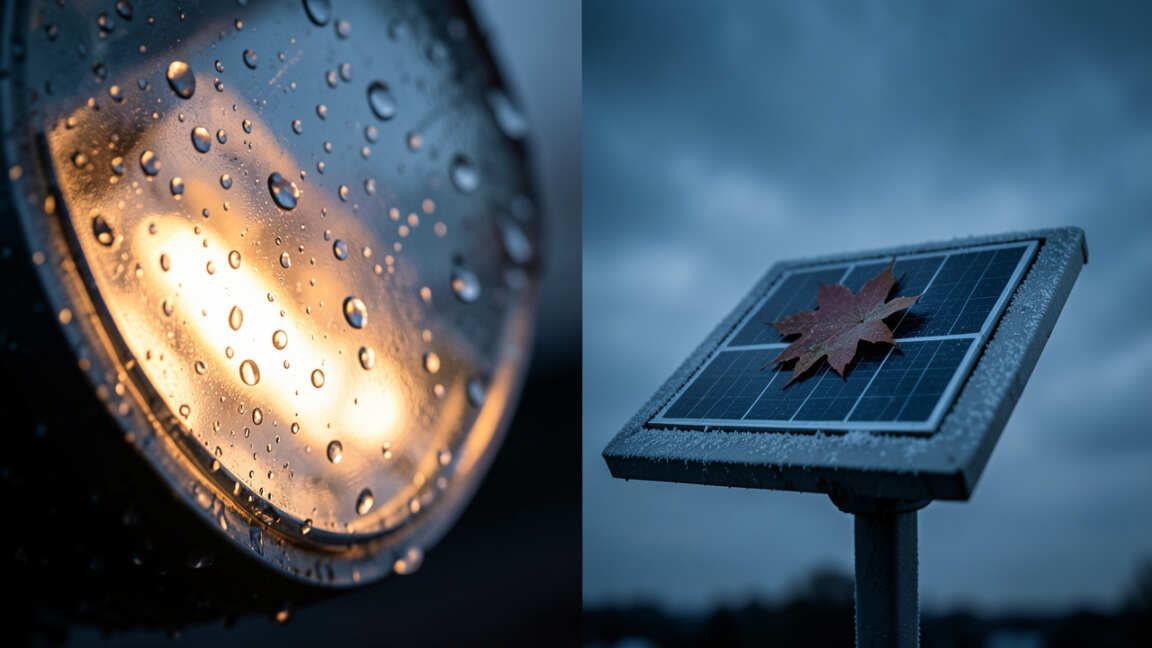
Understanding the Weather’s Impact on Solar Lights
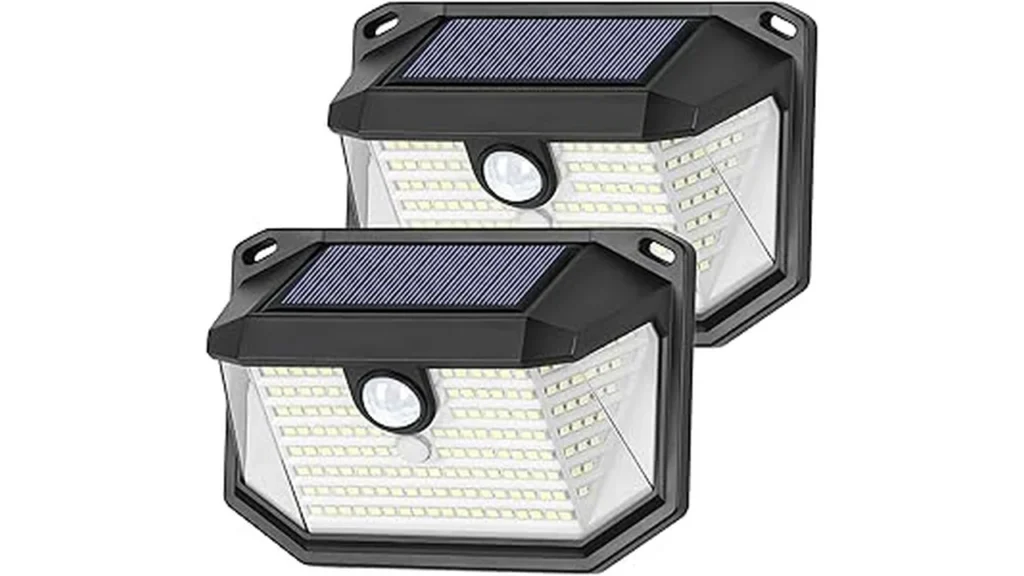
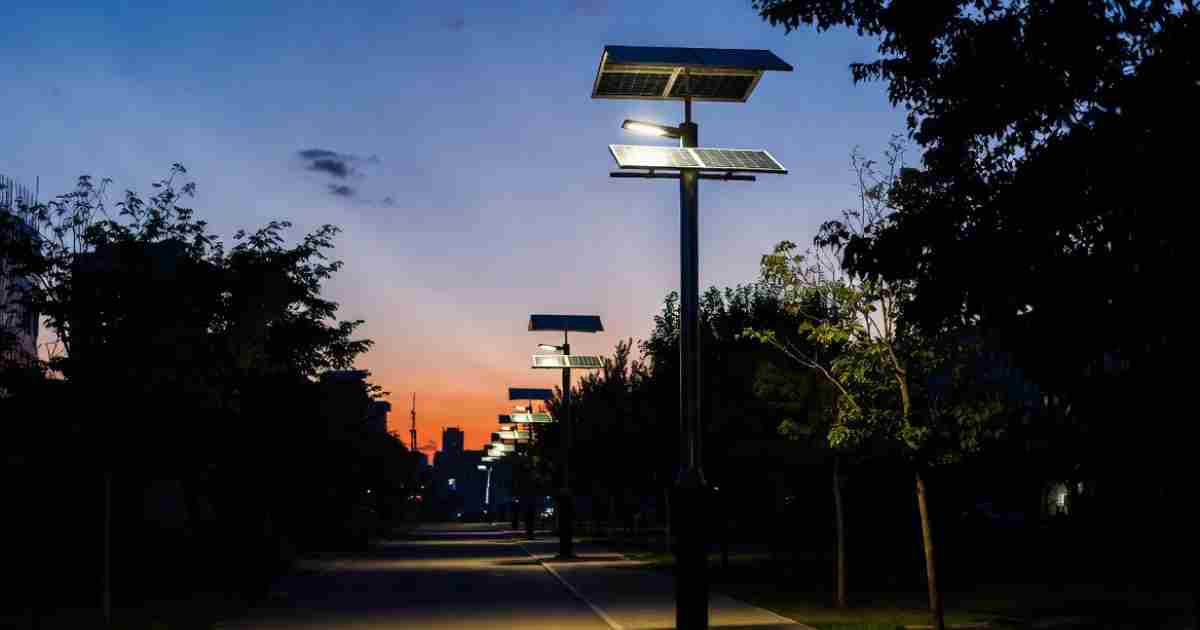
Solar lights use the sun to power up. When the sun is out, they soak up its energy and store it in a battery. Then, when it gets dark, they use that stored energy to light up your garden or pathway.
It’s a clever system, but the weather plays a big part in how well they do their job.
For maximum charge, position solar panels where they receive direct sunlight for at least six hours a day, avoiding shade from trees or buildings.
Think of it like charging your phone. If you can’t plug it in, the battery won’t get full. Solar lights are similar.
They need good sunlight to work their best. But when the weather isn’t sunny, or even when it’s too sunny, things can get tricky.
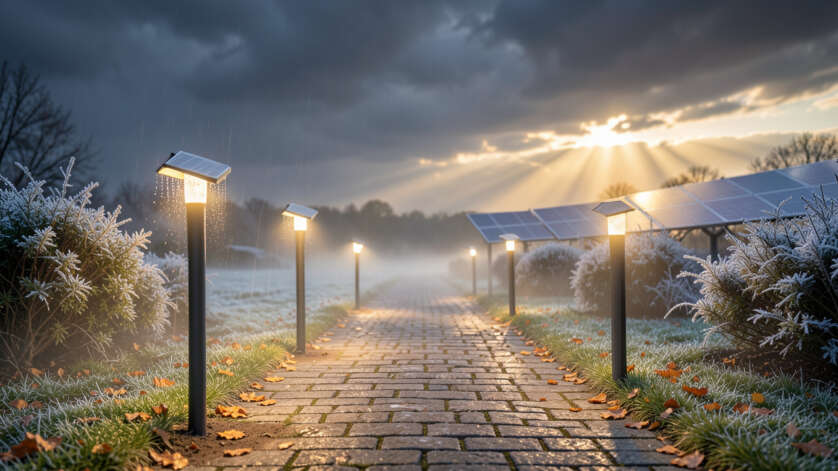
9 Weather Effects on Solar Lights Explained
1. Cloudy Days
When clouds roll in, they block the sun. This means your solar lights won’t get as much energy to store. On a very cloudy day, they might not charge enough to last the whole night.
They might also be dimmer than usual.
This is one of the most common reasons solar lights act up. If it’s been cloudy for a few days straight, your lights might struggle. They need that direct sunshine to get a good charge.
2. Heavy Rain
Rain can be a problem for two main reasons. First, just like clouds, heavy rain means less sunshine reaching the solar panel. The panel gets covered, and it can’t collect much solar power.
Second, water can sometimes get into the light’s casing if it’s not sealed properly. This can damage the battery or the light’s electronics, causing it to stop working altogether.
3. Snow and Ice
Snow is like a big blanket that covers everything, including your solar lights. If snow piles up on the solar panel, no sunlight can get through. The light won’t charge at all until the snow melts or is removed.
Ice can also be an issue. If ice forms on the solar panel, it stops light from reaching it. Plus, the cold temperatures can affect how well the battery stores and releases energy.
4. Strong Winds
Wind itself doesn’t stop the solar panel from working. However, strong winds can blow dust, leaves, and other debris onto the solar panel. This dirt can block sunlight, just like clouds do.
Also, if your solar lights are on stakes, strong winds can blow them over. A fallen light might not be positioned correctly to catch sunlight, or it could get damaged.
5. Extreme Heat (Too Much Sun)
You might think more sun is always better, but extreme heat can actually hurt solar lights. Very high temperatures can cause the battery inside the light to overheat.
Extreme heat can degrade battery performance and solar panel efficiency over time. Consider moving lights to partial shade during peak summer to extend their lifespan.
When the battery gets too hot, it can lose its ability to hold a charge. This means the light might not last as long, or it might stop working sooner. Some solar lights have built-in protection, but very hot days can still be a challenge.
6. Humidity and Fog
High humidity and thick fog are similar to clouds. They create a barrier that reduces the amount of direct sunlight reaching the solar panel. Even if it’s bright, fog can make the light seem less intense.
This means less energy is collected, and the lights might not shine as brightly or stay on as long during the night.
7. Dust and Pollen
Over time, dust and pollen can build up on the solar panel. This layer of grime acts like a shade, blocking the sun’s rays. The more dust there is, the less power the panel can generate.
This is a gradual effect. You might not notice it day by day, but after a while, the dust can significantly reduce how well your solar lights perform.
8. Frost
Frost is a thin layer of ice that forms on surfaces when the temperature drops below freezing overnight. If frost forms on a solar panel, it will prevent the panel from absorbing sunlight in the morning. The panel needs to be clear to start charging.
Even a light dusting of frost can cause a delay in charging. The frost needs to melt away completely for the panel to start working again.
9. Seasonal Changes
The biggest weather effect is often the change of seasons. In summer, days are longer, and the sun is higher in the sky. This is usually the best time for solar lights.
In winter, days are shorter, and the sun is lower. This means less sunlight is available, even on clear days. Combined with colder temperatures that can affect battery performance, winter is the toughest season for solar lights.
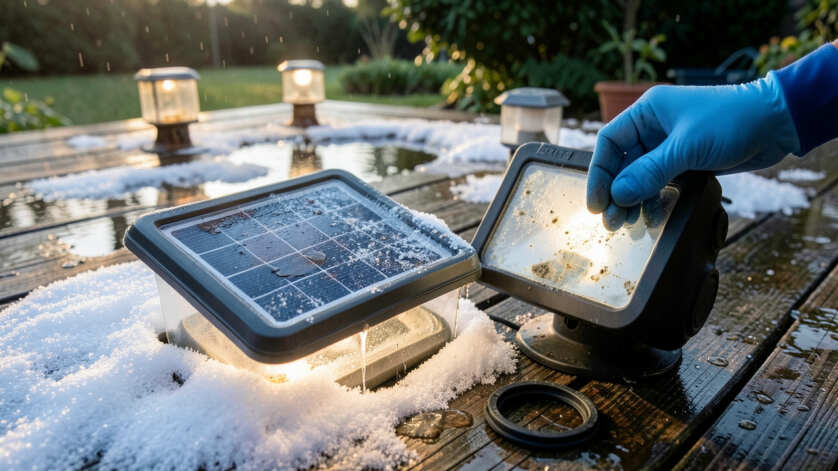
Preventing and Fixing Weather-Related Issues
The good news is that most of these weather issues are easy to deal with. Here’s how you can help your solar lights stay bright.
Keep Panels Clean
Regularly clean the solar panels on your lights. Use a soft, damp cloth to wipe away dust, pollen, leaves, and any other grime. Do this every few weeks, or more often if you live in a dusty area.
Check for Obstructions
Make sure nothing is blocking the solar panels. Trim any tree branches that might be growing over them. Check that leaves aren’t piling up on top.
Proper Placement
When you first set up your solar lights, place them where they get the most direct sunlight throughout the day. Avoid areas that are shaded by trees, buildings, or fences for long periods.
Consistent maintenance and thoughtful placement are far more effective at weatherproofing solar lights than any single protective measure.
Inspect for Damage
Occasionally, check your solar lights for any signs of damage. Look for cracks in the plastic, loose parts, or any water that might have gotten inside. If you see damage, you might need to replace the light.
Battery Care
Most solar lights have rechargeable batteries. Over time, these batteries can wear out. If your lights are dim or don’t last long, even after cleaning the panel and checking the weather, it might be time to replace the battery.
Many solar lights allow you to do this easily.
Consider Different Types of Lights
For areas that get a lot of rain or snow, you might want to look for solar lights that are specifically designed to be waterproof and durable.
Frequently Asked Questions
Question: Why are my solar lights not turning on at night?
Answer: This is usually because the solar panel isn’t getting enough sunlight to charge the battery. Check for clouds, shade, or dirt on the panel. Also, make sure the on/off switch is set to ‘on’.
Question: My solar lights were bright, but now they are dim. What happened?
Answer: Dim lights often mean the battery isn’t fully charged. This can be due to cloudy weather, a dirty solar panel, or the battery itself starting to age and hold less power.
Question: Can rain damage my solar lights?
Answer: Rain itself usually won’t damage well-made solar lights. The bigger issue is that rain blocks sunlight, so the lights can’t charge. However, if the light’s seal is broken, water can get inside and cause damage.
Question: How often should I clean my solar lights?
Answer: It’s a good idea to clean the solar panels every few weeks. This helps ensure they get the maximum amount of sunlight possible for charging.
Question: Do solar lights work in winter?
Answer: Solar lights can work in winter, but they often perform less well. Days are shorter, sunlight is weaker, and snow or frost can cover the panels. You might need to clean them more often and expect them to be less bright or last for a shorter time.
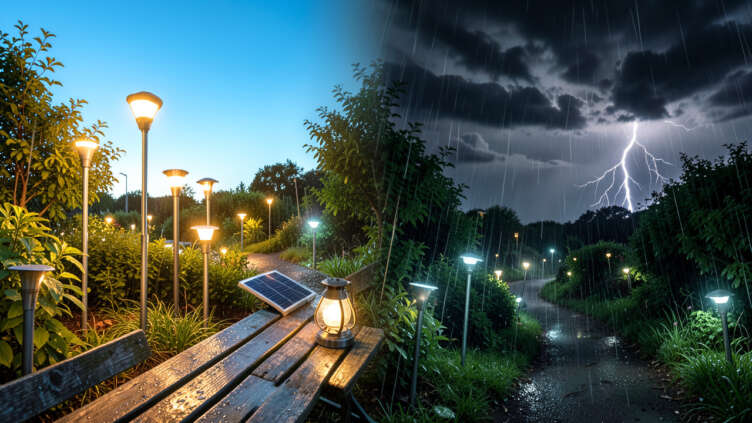
Final Thoughts
Solar lights are a great way to add light to your yard without extra bills. While weather like rain, clouds, and even too much sun can affect them, simple steps can help. Keeping the panels clean and making sure they get enough light are key.
By understanding the 9 Weather Effects on Solar Lights, you can easily keep them working well all year round. Your garden will look its best with lights that shine brightly.