
Poor cleaning results typically stem from common mistakes such as using the wrong product for the surface, cleaning too infrequently, applying excessive cleaner, or employing improper tools. Recognizing these errors allows you to correct them immediately without extra products or labor. Consistent use of appropriate products, correct dilution, and the right tools for each task ensures effective cleaning and lasting results.
It’s frustrating when you clean, but things still look messy. Many people find that their cleaning efforts don’t lead to the sparkling results they want. There are common traps that make 8 Reasons Cleaning Results Are Poor a familiar problem, especially when you’re just starting out.
Don’t worry, it’s not as hard as it seems. We’ll go through this step by step. First, let’s look at what can go wrong.
Key Takeaways
- You might be using the wrong cleaning products for the job.
- Not cleaning often enough can make bigger messes harder to fix.
- Using too much cleaner can leave behind sticky residue.
- Not using the right tools can make cleaning much harder.
- Ignoring certain spots can make your whole effort seem weak.
- Cleaning in the wrong order can make you clean the same spot twice.

Why Cleaning Results Sometimes Seem Poor
When you put in effort to clean your home, you expect to see a difference. But sometimes, no matter how hard you try, the results just aren’t what you hoped for. This can be confusing and make you feel like you’re not good at cleaning.
Cleaning effectively requires not just effort but also the right approach; focusing on common pitfalls can transform your results.
The truth is, there are several simple reasons why your cleaning might not be as effective as you’d like. Often, it’s not about how hard you work, but how smart you work. Knowing these common issues can help you fix them and get the clean home you deserve.
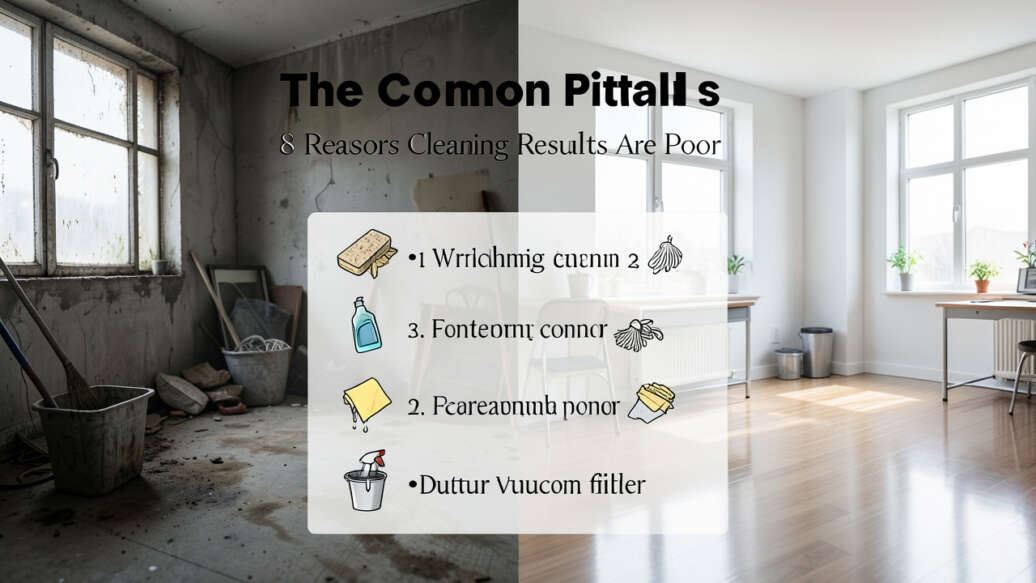
The Common Pitfalls: Understanding 8 Reasons Cleaning Results Are Poor
Let’s break down some of the most frequent reasons why cleaning results fall short. These are the common traps that many people fall into without realizing it. By understanding these, you can start making changes that will really make your cleaning shine.
Many people unknowingly fall into cleaning traps that undermine their hard work; identifying these pitfalls is key to achieving truly clean results.
Reason 1: Using the Wrong Cleaning Product
Not Every Cleaner is for Every Surface
One of the biggest mistakes is using a cleaner that isn’t suited for the job. For example, using a harsh chemical on delicate wood can damage it, leaving it looking dull rather than clean. Likewise, an all-purpose cleaner might not have enough power for tough grease on your stove.
It’s important to read labels and know what your cleaning products are designed for.
Using the wrong cleaning product can damage surfaces and leave them looking dull; reading labels is a simple yet crucial step for effective cleaning.
Different surfaces require different care. For glass, you need a streak-free spray. For bathrooms, you need something that tackles soap scum.
For kitchens, you need to cut through grease. Using the wrong product means you’re not just wasting time; you might also be making the mess worse or damaging your belongings.
Reason 2: Infrequent Cleaning
A Little Often is Better Than a Lot Rarely
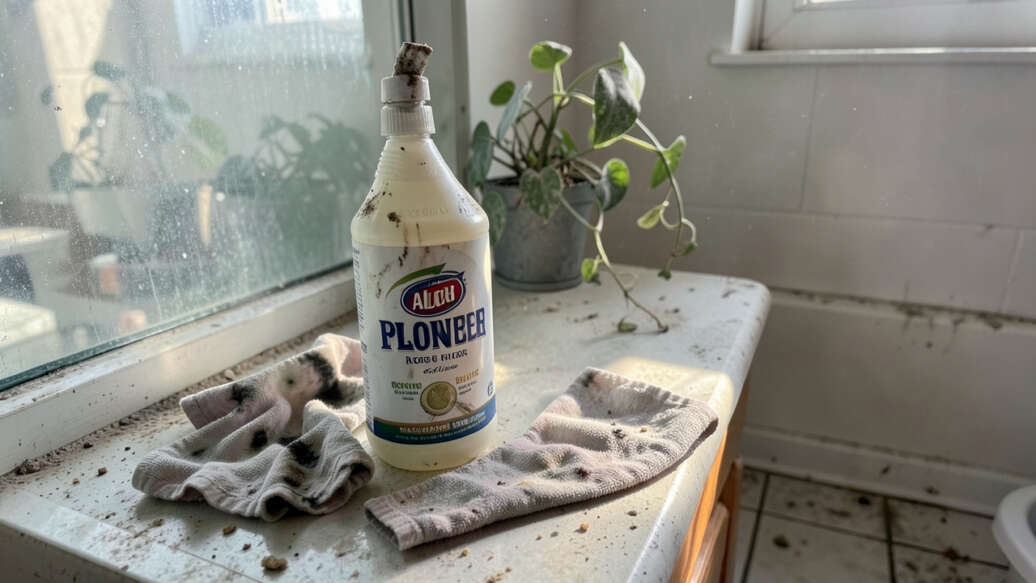
If you only clean when things look really dirty, you’re making the job much harder. Dirt and grime build up over time. When it builds up a lot, it becomes tougher to remove.
Regular cleaning prevents dirt from hardening and makes each session faster and more effective.
This is why regular cleaning is so important.
Think of it like this: it’s easier to wipe up a small spill right away than to scrub at a dried, sticky mess later. Keeping up with daily or weekly cleaning tasks prevents dirt from setting in. This way, when you do a deeper clean, it’s much quicker and more effective.
Reason 3: Using Too Much Cleaning Product
More Isn’t Always Better
It might seem like more cleaner will get things cleaner, but often, it’s the opposite. Using too much liquid cleaner, whether it’s for floors, counters, or bathrooms, can leave a sticky residue behind. This residue attracts more dirt and dust, making surfaces feel grimy again very quickly.
Using too much cleaning product can leave a sticky residue that attracts more dirt, making surfaces look dirty again quickly.
This is especially true for floor cleaners. If you use too much, your floors might feel tacky. This tackiness traps dust and makes them look dirty again soon after mopping.
Always follow the dilution instructions on the product bottle. A little bit of cleaner, used correctly, is usually enough.
Reason 4: Not Using the Right Tools
The Right Tools Make the Job Easier
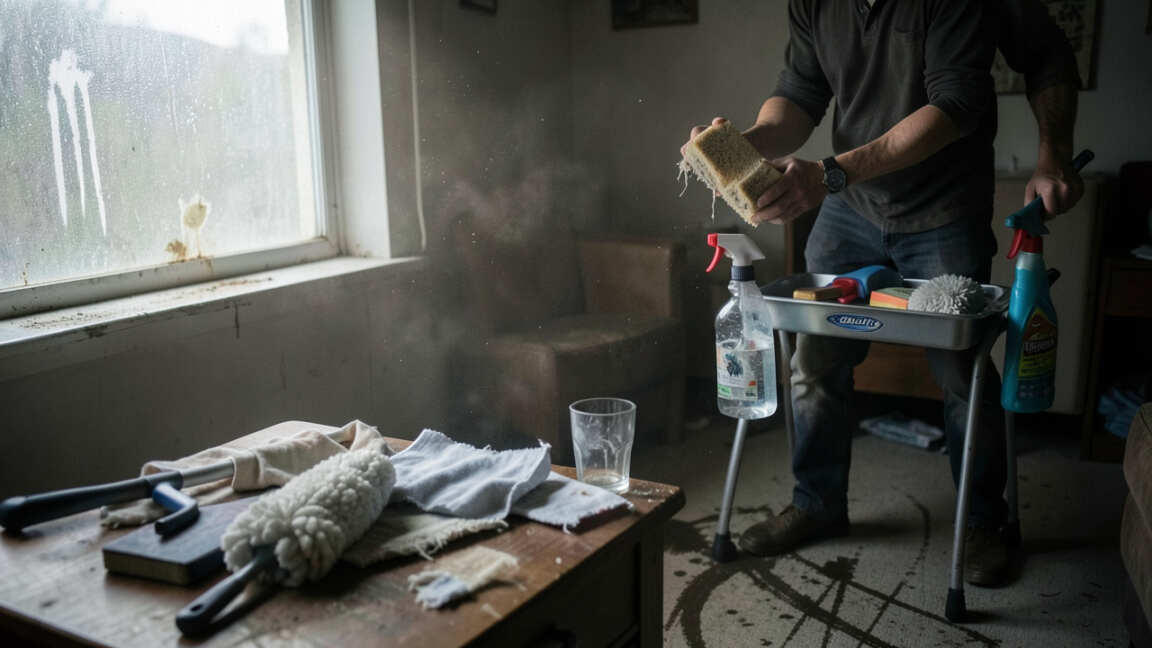
Having the right tools can make a huge difference in how well you clean. Trying to scrub tough stains with an old t-shirt, for example, won’t be as effective as using a good scrub brush or a microfiber cloth designed for that job.
Using the right tools, such as microfiber cloths and scrub brushes, dramatically improves cleaning efficiency and results.
Good tools include:
- Microfiber cloths: Great for dusting, polishing, and cleaning surfaces without streaks.
- Scrub brushes: Essential for tackling tough grime in bathrooms and kitchens.
- Squeegees: Perfect for windows and shower doors to avoid water spots.
- Good quality sponges: For different cleaning tasks, from scrubbing pots to wiping counters.
Using the wrong tool can mean you have to work harder for less effective results.
Reason 5: Overlooking High-Traffic Areas and Hidden Spots
Don’t Forget the Places Dirt Loves
It’s easy to focus on the visible surfaces, but dirt and grime often gather in places we don’t always see. Think about the areas you touch most often: light switches, doorknobs, remote controls, and the handles of cabinets. These spots can be covered in germs and fingerprints.
Dirt and germs often hide in high-touch areas like light switches and doorknobs; cleaning these overlooked spots can make a room feel significantly cleaner.
Also, don’t forget the often-ignored areas: the baseboards, the top of cabinets, and the corners of rooms. These places can collect a lot of dust. When these spots are dirty, it can make the whole room feel less clean, even if other parts are sparkling.
Reason 6: Cleaning in the Wrong Order
Efficiency is Key
The order in which you clean can impact the final result. If you dust after you’ve already vacuumed or mopped, you’ll just be pushing dust onto your clean floors. This means you have to clean the floors again.
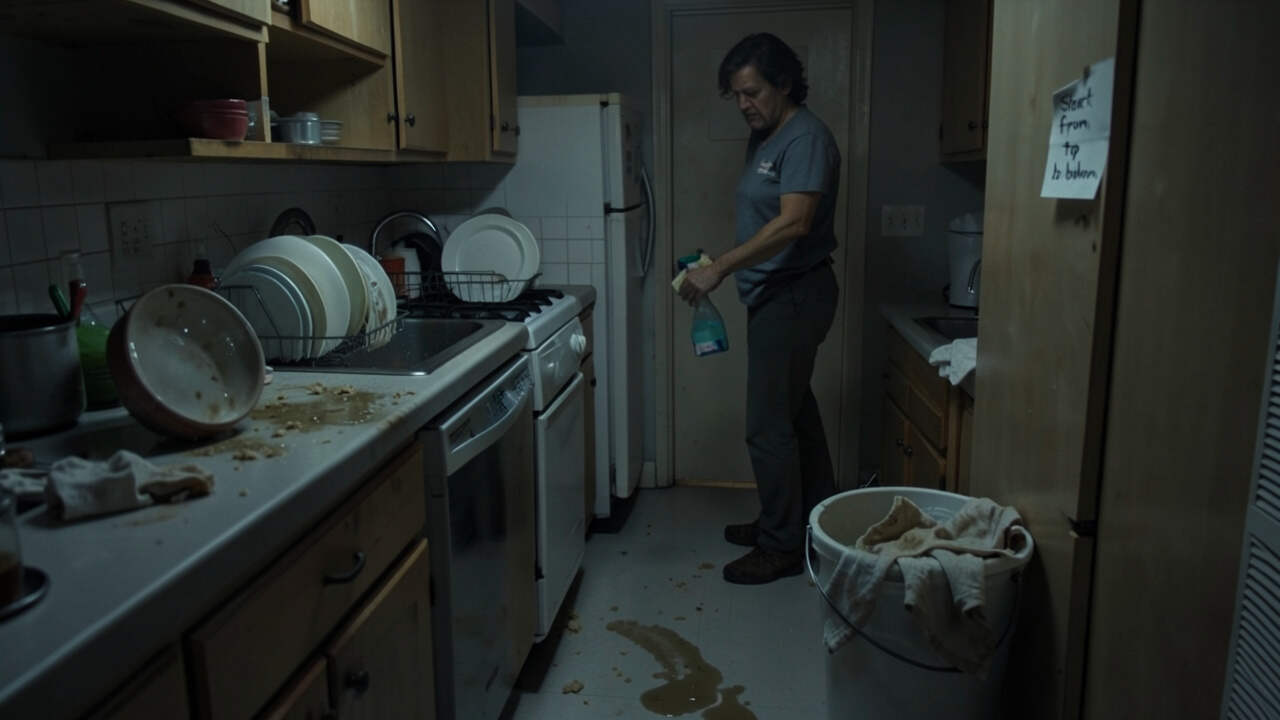
Cleaning from top to bottom ensures that dust falls onto surfaces you haven't cleaned yet, saving you from redoing work.
A good general rule is to work from top to bottom. Start by dusting high surfaces, then move to lower surfaces. Finally, vacuum or mop the floors last.
This way, any dust or dirt that falls will be cleaned up at the end.
Reason 7: Not Allowing Cleaners Enough Time to Work
Patience Pays Off
Many cleaning products need time to do their job effectively. For example, when cleaning soap scum in the shower, spraying the cleaner and then immediately scrubbing might not remove it all. These cleaners often need to sit on the surface for a few minutes to break down the grime.
Check the product instructions. They usually tell you how long to let the cleaner sit. Allowing this dwell time means you’ll need less scrubbing power and will get better results.
It’s like letting a medicine work; it needs time to be effective.
Reason 8: Not Rinsing Properly
Leaving No Trace of Cleaner
This is similar to using too much cleaner, but it’s about what happens after the cleaner has done its work. If you don’t rinse away the cleaner and the loosened dirt properly, you’ll be left with a film. This film can make surfaces look dull and feel sticky.
For example, when washing dishes, if you don’t rinse them well, you’ll see spots or a cloudy film when they dry. The same goes for cleaning counters or floors. A good rinse with clean water is essential to remove all traces of the cleaning product and the dirt it has lifted.
This leaves surfaces truly clean and streak-free.
Frequently Asked Questions
Question: How often should I clean my bathroom?
Answer: It’s good to do a quick clean of the bathroom sink and toilet a couple of times a week. A more thorough clean, including the shower and floors, should be done weekly.
Question: Can I use the same cloth for cleaning my kitchen and bathroom?
Answer: No, it’s best not to. To avoid spreading germs, use separate cloths for the kitchen and bathroom.
Question: What’s the best way to clean glass without streaks?
Answer: Use a glass cleaner specifically made for windows and a clean microfiber cloth or a squeegee. Wipe in a consistent pattern, like side to side or top to bottom.
Question: My floors always look dull after mopping. What am I doing wrong?
Answer: You might be using too much floor cleaner or not rinsing well enough. Try using less cleaner and rinsing with clean water afterward. Also, make sure your mop head is clean.
Question: How can I get rid of hard water stains?
Answer: White vinegar is very effective against hard water stains. Let it soak on the stain for a while before scrubbing and rinsing.
Final Thoughts
Seeing poor cleaning results can be discouraging, but now you know the common issues behind the 8 Reasons Cleaning Results Are Poor. It’s usually about small changes in product choice, cleaning frequency, tool use, and technique. By using the right cleaners for the right surfaces, cleaning regularly, not overdoing it with products, and using proper tools, your home will start to shine.
Remember to work from top to bottom and rinse well. These simple steps will make a big difference.