
Smart greenhouses face ten specific problems in extreme weather, including structural damage from high winds, temperature swings causing plant stress, and power outages that disrupt control systems. These issues stem from the vulnerability of automated systems, sensors, and structural materials to moisture, debris, and sudden climate fluctuations. To maintain reliable operation, greenhouse operators must reinforce structures, protect critical electronics, and implement backup power solutions.
Getting a smart greenhouse up and running can be really exciting, but dealing with bad weather can be a bit tricky, especially when you’re just starting out. You might be wondering about the 10 Problems Smart Greenhouses Face in Extreme Weather and if you can really manage it. Don’t worry!
We’ve got a simple, step-by-step plan to help you get through it. Next, we’ll look at exactly what those challenges are and how to tackle them with ease.
Key Takeaways
- Extreme weather can damage greenhouse structures and equipment.
- Temperature fluctuations can harm plants and affect system performance.
- Heavy rain and wind pose risks to greenhouse integrity and operations.
- Power outages during storms can disrupt essential greenhouse functions.
- Smart systems need protection against moisture and debris.
- Maintaining optimal humidity levels becomes harder in extreme conditions.
Understanding Extreme Weather Challenges for Smart Greenhouses
What is a Smart Greenhouse?
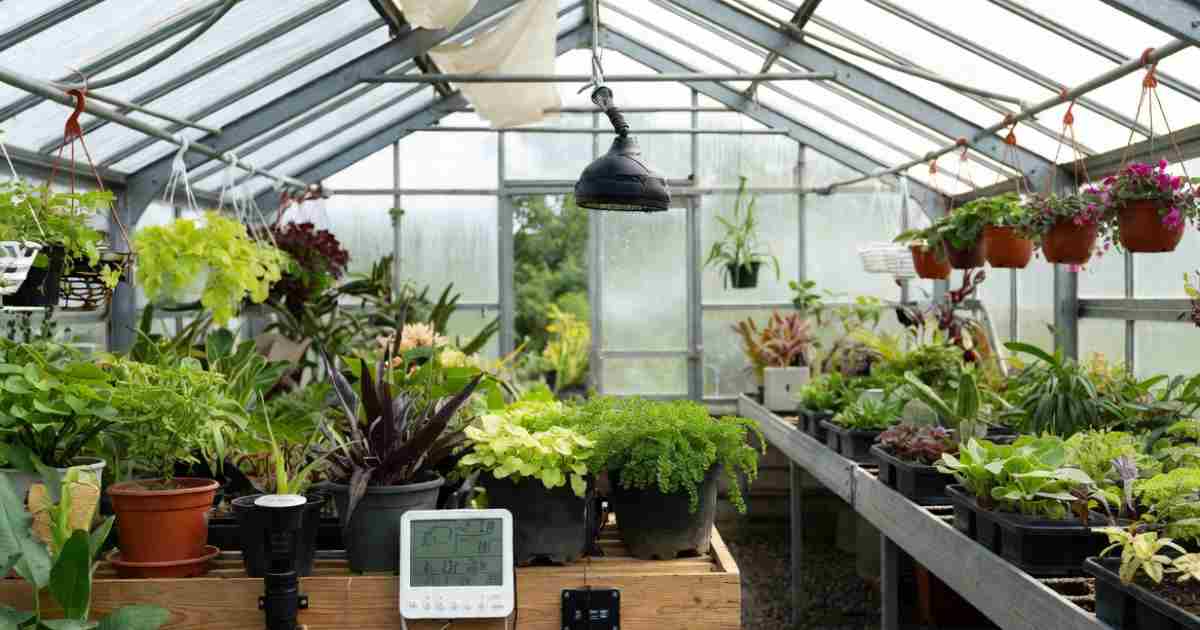
A smart greenhouse uses technology to control its environment. It has sensors that monitor things like temperature, humidity, and light. These sensors then tell computers or apps what to do.
This can mean turning on fans, opening vents, or adjusting lights automatically. The goal is to create the perfect growing conditions for plants. This makes growing easier and more efficient.
Backup power systems for smart greenhouses often fail during severe storms because they cannot sustain prolonged outages, so a secondary generator is essential.
Configure your sensors to trigger automated responses like opening vents or turning on fans before extreme weather hits to reduce plant stress.
Why Extreme Weather is a Big Deal
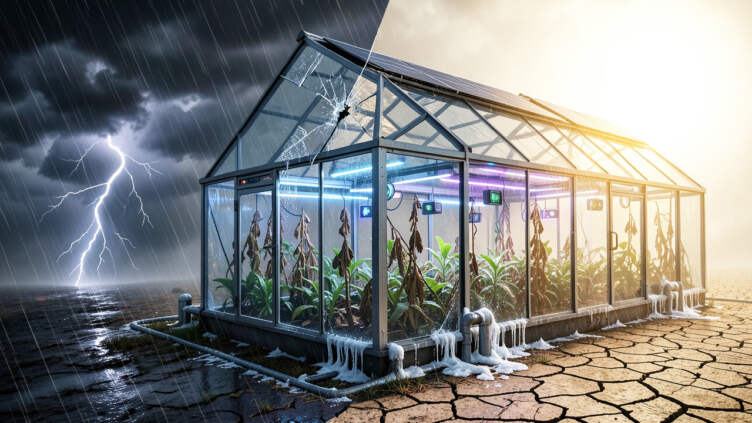
Smart greenhouses are designed to be controlled environments. This control is great for normal conditions. But extreme weather pushes these systems to their limits.
Think of super strong winds, very hot heatwaves, or freezing cold spells. These events can overload the systems that are meant to keep things stable. For beginners, this can be a surprising hurdle.
They might not expect how much weather can affect their setup.
The 10 Problems Smart Greenhouses Face in Extreme Weather
1. Structural Damage from High Winds
Strong winds are a major threat. They can rip apart greenhouse coverings, bend metal frames, or even blow the whole structure over. Even smart greenhouses, with their advanced systems, are built on a physical frame.
If that frame fails, the smart technology inside can’t do its job. The covering, often made of plastic or glass, can break into pieces. This can damage plants and equipment.
2. Temperature Swings and Plant Stress
Extreme heat can cause greenhouses to overheat very quickly. The cooling systems might not be able to keep up. On the flip side, extreme cold can make the inside of the greenhouse freeze.
Plants can die from too much heat or too much cold. Smart systems try to control this, but they have limits. They can only work with the equipment they have.
If the equipment is too small or breaks, plants suffer.
3. Water Damage from Heavy Rain and Flooding
Very heavy rain can lead to leaks in the greenhouse. If the area around the greenhouse floods, water can get inside. This is bad for plants and can short-circuit electronic equipment.
Smart systems rely on electronics. Water getting into control panels or sensor wires can cause them to stop working. It can also lead to mold and disease problems for plants.
4. Power Outages Disrupting Control Systems
Extreme weather often causes power outages. Smart greenhouses depend on electricity to run fans, heaters, lights, and the control systems. When the power goes out, these functions stop.
If an outage happens during extreme heat, the greenhouse can overheat rapidly. If it’s during extreme cold, it can freeze. Backup power systems are important but not always enough for severe storms.
5. Sensor Malfunctions Due to Moisture and Debris
Sensors are the eyes and ears of a smart greenhouse. They measure everything. But in storms, rain can get into sensor casings.
Wind can blow dust and leaves onto them. This can make the sensors give wrong readings. If a sensor thinks it’s colder than it is, it might turn on the heater unnecessarily.
Preparation through strong structures and reliable power systems transforms extreme weather from a crisis into a manageable challenge for smart greenhouses.
This wastes energy and can still harm plants.
6. Humidity Control Challenges
Extreme weather makes keeping the right humidity level tough. In very hot, dry weather, it’s hard to add enough moisture. In wet, cold weather, it’s hard to remove excess humidity.
High humidity can lead to plant diseases. Low humidity can stress plants and affect their growth. Smart systems have fans and misters, but extreme conditions can overpower them.
7. Pest and Disease Infiltration
Storms can force open small gaps in the greenhouse. This allows pests like insects or rodents to get inside. Wind can also carry disease spores.
Once inside, these can spread quickly in the controlled environment. A smart greenhouse might be great for growing, but it can also be a perfect place for problems to spread if entry points aren’t secured.
8. Equipment Overheating or Freezing
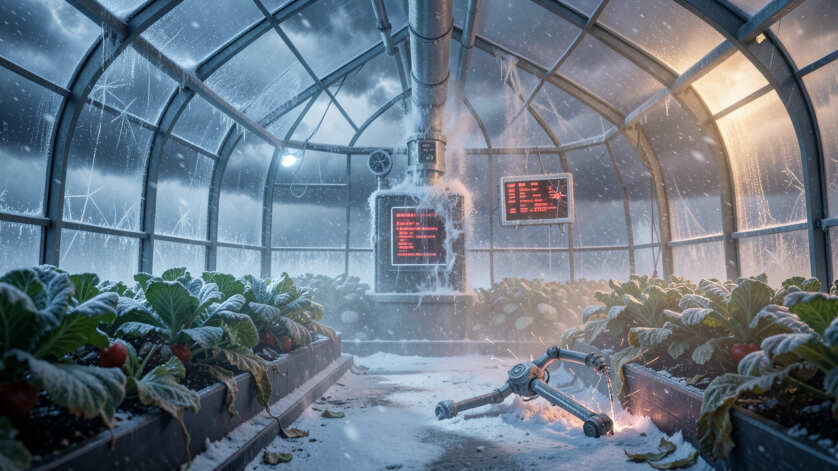
The equipment that makes a smart greenhouse work, like pumps, fans, and computers, can also be affected. In extreme heat, electronics can overheat and fail. In extreme cold, water in pumps or pipes can freeze and burst.
This can cause expensive damage and stop the entire system. Proper insulation and ventilation are key.
9. Communication Issues with Remote Monitoring
Many smart greenhouses allow remote monitoring via apps or websites. However, severe weather can disrupt internet or cellular signals. This means you might not know what’s happening inside your greenhouse if you’re not there.
This makes it hard to react quickly to problems caused by the weather. You can’t fix what you don’t know is broken.
10. Increased Energy Consumption
When the weather is extreme, the smart greenhouse systems have to work much harder. They might need to run fans constantly to cool down during a heatwave. Or they might need to run heaters non-stop during a cold snap.
This means using a lot more electricity. For beginners, this can lead to surprisingly high energy bills, which is an unexpected cost.
Frequently Asked Questions
Question: How can I protect my greenhouse structure from strong winds?
Answer: Make sure your greenhouse frame is strong and anchored securely to the ground. Use extra bracing if needed. Check that all covering materials are tightly secured.
Question: What happens if my smart greenhouse loses power during a storm?
Answer: It’s best to have a backup power source, like a generator or battery backup for essential systems. This keeps your plants from suffering extreme temperature changes.
Question: Can extreme heat damage my greenhouse electronics?
Answer: Yes, high temperatures can cause electronic components to overheat and fail. Ensure good ventilation and consider fans that are rated for high temperatures.
Question: How do I prevent water damage inside my greenhouse?
Answer: Regularly inspect for and repair any leaks in the covering or seals. Ensure good drainage around the greenhouse so water doesn’t pool and flood the area.
Question: What’s the easiest way to deal with humidity spikes in bad weather?
Answer: Use fans to improve air circulation and vent the greenhouse when possible. Dehumidifiers can also help, but they use extra energy.
Wrap Up
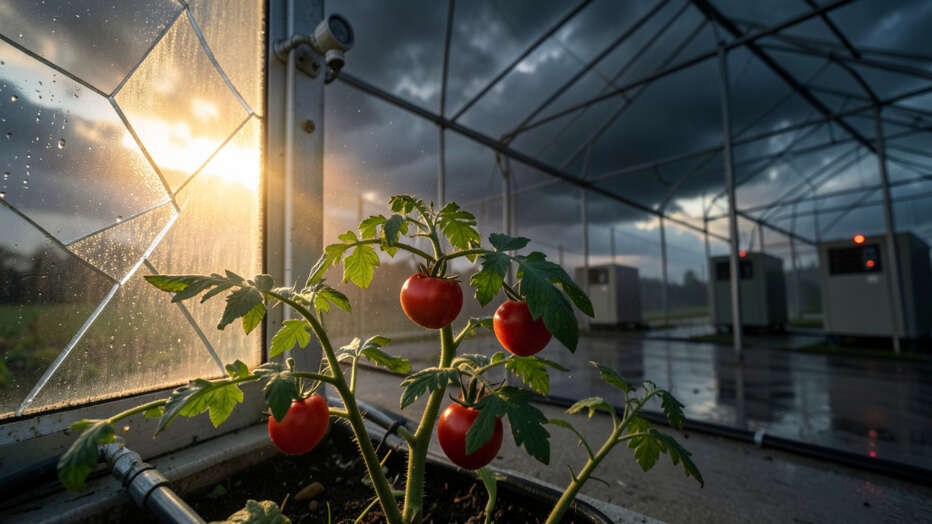
Dealing with the 10 Problems Smart Greenhouses Face in Extreme Weather might seem like a lot, but you can prepare. By understanding these common issues, you can take steps to protect your plants and equipment. Focus on strong structures, reliable power, and good environmental control.
Your smart greenhouse can thrive even when the weather is tough.