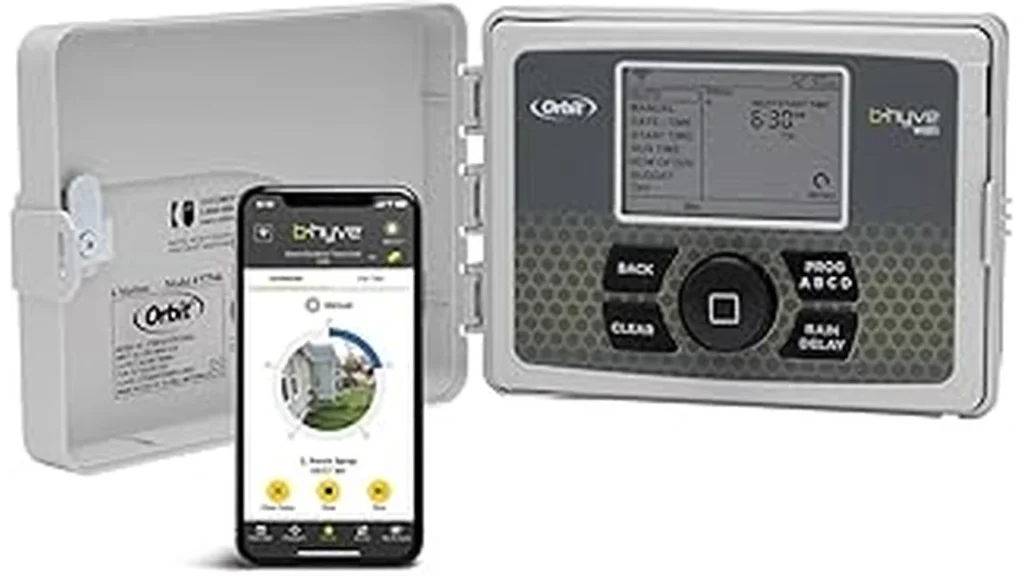
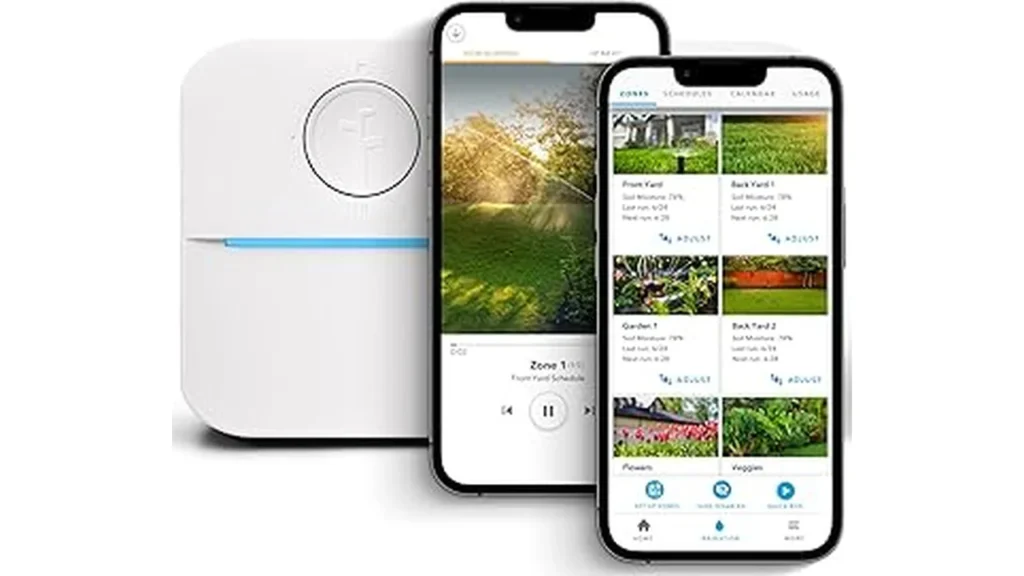
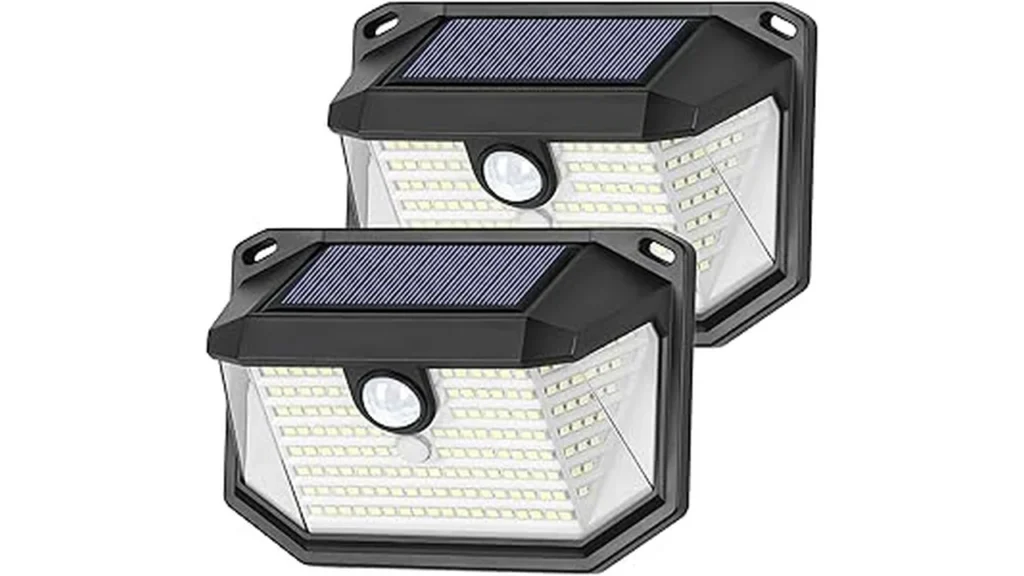
Outdoor devices stop working early due to several critical factors including extreme temperatures, moisture intrusion, UV radiation, physical impacts and vibrations, improper installation, poor quality or non-weatherproofed components, lack of maintenance, and insect or pest infestations. Each of these environmental and usage stressors can independently degrade device performance, but combined exposure accelerates failure. Recognizing and mitigating these common failure points through proper selection, installation, and upkeep allows users to maximize the lifespan of outdoor electronics and avoid premature replacement.
Imagine setting up a beautiful outdoor lighting system, only to find half the lights flickering out after just a few months. Or perhaps you’ve invested in a weather-resistant smart speaker, only for it to succumb to the elements far sooner than expected. It’s frustrating when your outdoor tech gives up before its time.
This article explores the 9 Reasons Outdoor Devices Stop Working Early, helping you understand common pitfalls and how to avoid them. By identifying these issues, you’ll learn how to extend the lifespan of your outdoor electronics, saving you money and hassle, and keeping your outdoor spaces functional and enjoyable for longer.
Key Takeaways
- Extreme temperatures, both hot and cold, can damage internal components.
- Moisture and water intrusion are primary causes of electronic failure outdoors.
- UV radiation from sunlight degrades materials and can affect performance.
- Physical impacts and vibrations can lead to internal damage.
- Improper installation or connection issues create early failure points.
- Poor quality or non-weatherproofed components are a common culprit.
- Lack of maintenance allows small problems to become big ones.
- Insect or pest infestations can chew wires or build nests.
- Power surges and inconsistent electrical supply can fry sensitive electronics.
Outdoor devices are built to withstand the elements, but they aren’t invincible. Many people experience the disappointment of seeing their outdoor gadgets fail prematurely. Understanding why this happens is the first step to preventing it.
We’ll look at the 9 Reasons Outdoor Devices Stop Working Early, so you can make informed choices and care for your equipment better. This knowledge will help you enjoy your outdoor technology for years to come.
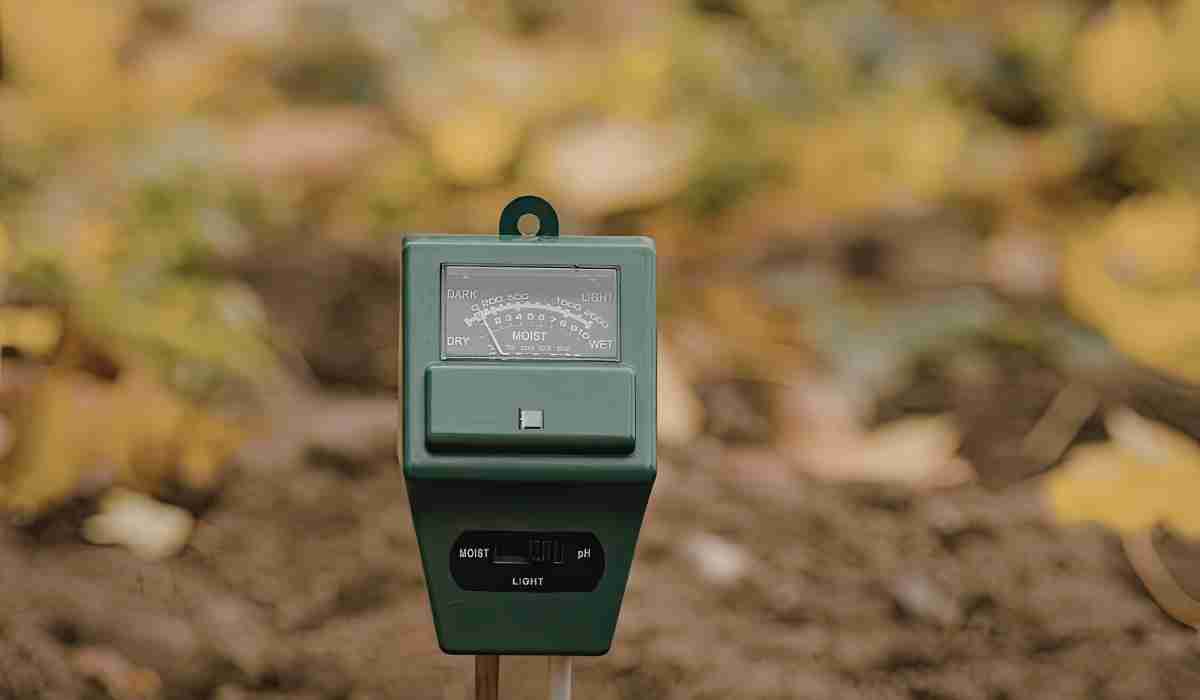
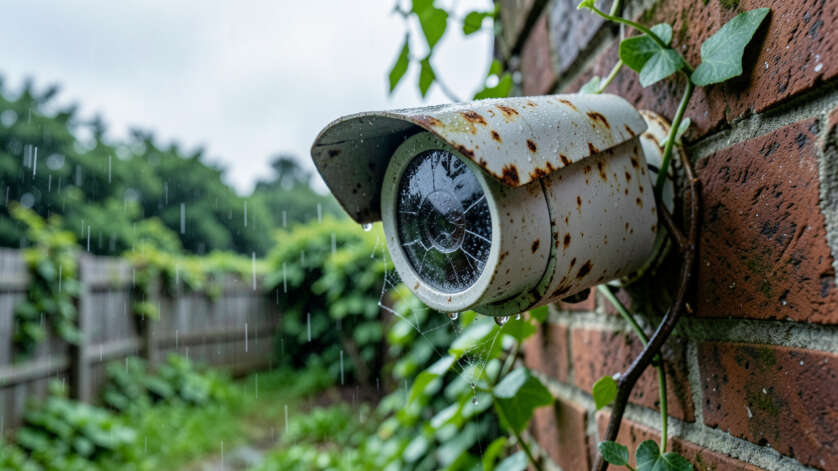
The Harsh Realities of Outdoor Environments
The great outdoors presents a unique set of challenges for any electronic device. Unlike indoor gadgets, outdoor equipment faces constant exposure to environmental factors that can wear them down over time. These factors are often more intense and less predictable than what indoor electronics encounter.
1. Extreme Temperatures
Both intense heat and freezing cold can be brutal on electronics. High temperatures can cause components to overheat and degrade, leading to malfunctions. Conversely, extreme cold can make materials brittle and affect battery performance.
Many devices are rated for specific temperature ranges, and exceeding these limits, even for short periods, can cause irreversible damage.
Heat Damage
When a device gets too hot, its internal parts can expand. This expansion can lead to solder joints cracking or components warping. Batteries are especially susceptible to heat, losing their capacity and lifespan much faster in high temperatures.
Direct sunlight on a black device casing can significantly increase its internal temperature, even on a mild day.
Cold Damage
Freezing temperatures can cause moisture trapped within a device to expand, potentially cracking casings or damaging internal circuits. LCD screens can become slow or unresponsive in the cold. Batteries also perform poorly in freezing conditions, often showing a much lower charge than they actually have, and can be permanently damaged if charged while frozen.
2. Moisture and Water Intrusion
Water is a common enemy of electronics. Even devices marketed as “water-resistant” have their limits. Rain, dew, humidity, and even high-pressure sprays can find their way into casings and corrode delicate circuits.
Poorly sealed connections or cracks in the casing are common entry points.
Corrosion
When water, especially if it contains minerals or salt, comes into contact with electronic components, it can cause corrosion. This process eats away at metal contacts and circuit traces, disrupting electrical flow. Once corrosion sets in, it can be very difficult to repair and often leads to complete device failure.
Short Circuits
Water can bridge gaps between electrical contacts that should remain separate. This creates a short circuit, which can instantly damage components. Even a small amount of moisture in the wrong place can cause a critical failure.
3. UV Radiation from Sunlight
The sun’s ultraviolet (UV) rays are powerful and can degrade many materials over time. Plastics can become brittle and discolored, rubber seals can crack, and even some metal finishes can be affected. This degradation weakens the device’s protective outer layers, making it more vulnerable to other environmental threats like moisture.
Material Degradation
Many outdoor devices use plastic casings or rubberized grips. Prolonged exposure to UV light breaks down the molecular structure of these materials. This makes them prone to cracking, becoming chalky, or losing their flexibility.
A cracked casing is an open invitation for water and dust to enter the device.
4. Physical Impacts and Vibrations
Outdoor devices can be accidentally knocked over, dropped, or subjected to vibrations from nearby machinery or heavy traffic. These physical stresses can dislodge internal components, crack circuit boards, or damage sensitive parts like lenses or speakers.
Internal Damage
Even if the outer casing looks fine, a significant impact can cause internal damage. Soldered connections can break, delicate components can be dislodged from their boards, or internal wiring can be severed. Vibrations, especially over long periods, can also loosen connections and cause wear and tear.
Regularly cleaning debris from vents and solar panels helps prevent overheating and keeps outdoor devices running longer.
5. Improper Installation or Connection Issues
How a device is installed and connected is critical to its longevity. This includes securing it properly, ensuring all connections are tight and protected, and using the correct power sources. For wired devices, exposed or poorly insulated wires are a major risk.
Loose Connections
A loose wire or connector can lead to intermittent power or signal loss. This can cause devices to function erratically and can also lead to electrical arcing, which can damage the connector and the device. For devices powered by AC adapters, a loose connection can lead to power surges or drops.
Incorrect Wiring
Using the wrong gauge wire, incorrect polarity, or failing to ground devices properly can lead to premature failure. For low-voltage systems, using too thin a wire over a long distance can cause a voltage drop, leading to performance issues and strain on the power supply.
6. Poor Quality or Non-Weatherproofed Components
Not all outdoor devices are created equal. Cheaper alternatives or devices not specifically designed for outdoor use will often fail much sooner. Manufacturers cut costs by using less durable materials or inadequate sealing.
Always look for devices explicitly rated for outdoor use.
Substandard Materials
Using lower-grade plastics, less corrosion-resistant metals, or weaker seals means the device is less able to withstand environmental stresses. These components will degrade faster when exposed to UV, moisture, and temperature fluctuations.
Inadequate Sealing
The seals around buttons, ports, and casing seams are vital for keeping out moisture and dust. If these seals are made of low-quality rubber or are not properly applied during manufacturing, water and debris can easily enter the device.
7. Lack of Maintenance
Like any equipment, outdoor devices benefit from regular checks and cleaning. Neglecting maintenance allows small issues to escalate. For example, dirt and debris can clog vents, leading to overheating, or accumulated grime can interfere with sensors.
Cleaning and Inspection
Regularly cleaning dust, leaves, and other debris from devices, especially vents and solar panels, is important. Inspecting for signs of wear, such as cracked seals or loose wires, allows for early intervention before a minor issue becomes a major problem.
Battery Care
For battery-powered devices, proper battery maintenance, such as ensuring they are charged regularly or replaced when they start to lose significant capacity, is key. Leaving batteries completely discharged for extended periods can damage them.
8. Insect or Pest Infestations
Outdoor devices can sometimes become an attractive habitat for insects or small animals. Ants can build nests inside, blocking ventilation or causing short circuits. Rodents might chew on wires, leading to power loss or damage.
Nesting and Blockages
Insects like wasps or ants can build nests in vents or openings, obstructing airflow and causing devices to overheat. Their debris can also create electrical hazards.
Wire Damage
Rodents, such as mice or squirrels, are notorious for chewing through wires. This can cause complete power failure, signal loss, or even fire hazards if wires are damaged near a power source.
9. Power Surges and Inconsistent Electrical Supply
Outdoor electrical outlets can sometimes be subjected to power surges caused by lightning strikes, utility fluctuations, or the use of large appliances. These surges can send a massive amount of voltage through the device, instantly frying its internal components.
Lightning Strikes
Even a nearby lightning strike can induce a surge through electrical lines. Without proper surge protection, sensitive electronics are highly vulnerable to this extreme event.
Utility Fluctuations
Inconsistent power from the grid, or problems with local wiring, can also cause voltage spikes or drops that stress electronic components. Using devices on overloaded circuits can also lead to these issues.
Frequently Asked Questions of 9 Reasons Outdoor Devices Stop Working Early
Question: What is the most common reason outdoor devices stop working early?
Answer: Moisture and water intrusion is the most frequent cause, leading to corrosion and short circuits.
Question: Can extreme heat permanently damage my outdoor speaker?
Answer: Yes, prolonged exposure to excessive heat can degrade internal components and shorten the lifespan of batteries and speakers.
Question: Should I cover my outdoor lights when not in use?
Answer: It’s generally not necessary to cover them unless you are experiencing extreme weather conditions or storing them for a long period. Most are designed for continuous exposure.
Question: How can I protect my outdoor camera from power surges?
Answer: Use a good quality surge protector for any connected power adapter and ensure the device is properly grounded.
Question: Is it safe to use an extension cord for my outdoor device?
Answer: Only use extension cords specifically rated for outdoor use and ensure all connections are protected from moisture. Avoid overloading the circuit.
Final Thoughts
Keeping outdoor devices working longer is achievable. Pay attention to temperature extremes, and keep moisture out by checking seals. Protect gadgets from direct sun to prevent UV damage.
Handle them carefully to avoid physical impacts. Install them correctly with secure connections. Choose quality, weatherproof products.
Perform simple, regular checks and cleaning. Watch out for pests, and use surge protectors for electrical items. These steps help your outdoor tech endure the elements and serve you well.