
Socket set screwdrivers cam out when the bit loses traction inside a screw head under torque, stripping the fastener, rounding the bit, and creating unsafe slip hazards that can injure the user. This typically results from using the wrong bit size, applying excessive torque angle, or driving into worn or improperly seated fastener heads. Applying consistent axial pressure, selecting the correct drive type and bit geometry, and lubricating the screw are the most effective ways to prevent cam out and protect both tools and workpieces.
Socket set screwdrivers cam out when the bit loses grip inside a screw head under torque, causing sudden slip and potential damage to both the fastener and workpiece. This common frustration can strip screw heads, round off bits, and even cause injury if your hand slips unexpectedly. In this post, we’ll break down exactly what happens, why it occurs, and how to stop it from ruining your projects.
Simply put, cam out is the rotational disengagement of a screwdriver bit from a fastener head under applied torque. It strips the screw head, deforms the bit, damages the workpiece, creates unsafe working conditions, and wastes time and money on ruined materials and tools.
Key Takeaways
- Socket set screwdrivers cam out due to mismatched bit size, excessive torque angle, or worn fastener heads.
- Cam out strips screw heads, rounds off expensive bits, and can cause hand injuries from sudden slip.
- Using proper bit geometry, applying axial pressure, and matching drive types eliminates most cam out issues.
- Lubrication and correct driving speed reduce friction-related slip significantly.
- Investing in high-quality hardened steel bits prevents premature wear and cam out frequency.
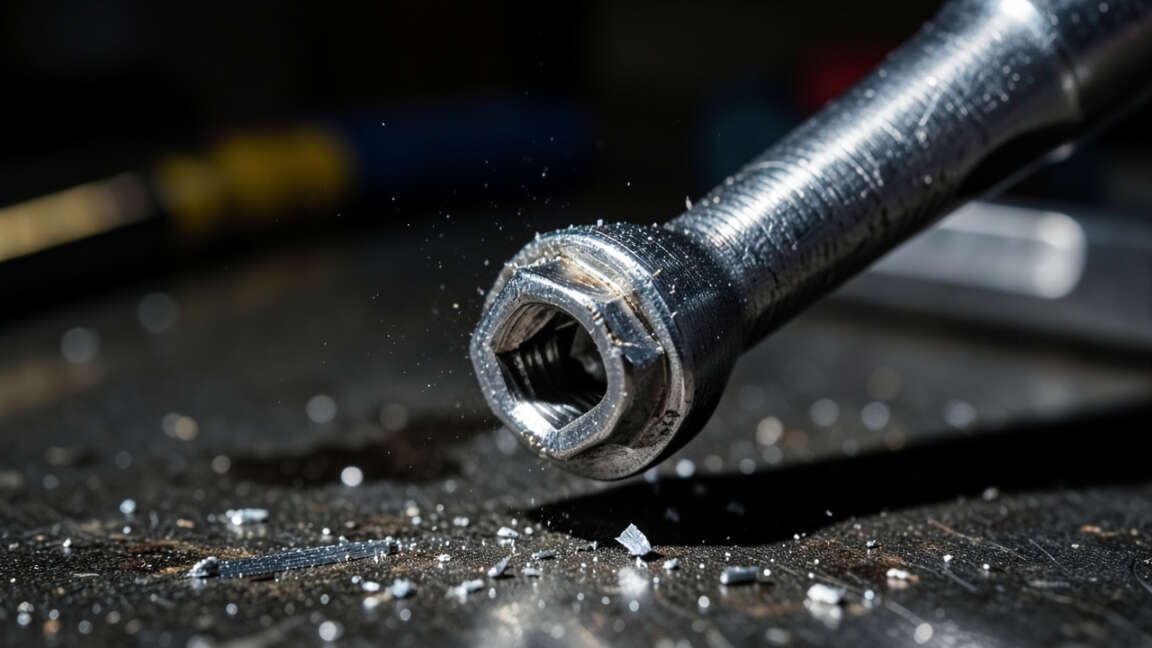
What Is Cam Out in Socket Set Screwdrivers?
Cam out refers to the sudden, unwanted disengagement of a screwdriver bit from the screw head recess while turning. In socket set screwdrivers — which use interchangeable bits stored in a hollow handle — this happens most often when the bit geometry doesn’t match the fastener or when too much torque is applied at an off-angle.
Think of it like trying to open a tight jar lid with a slippery hand. The bit literally “cams” upward and out of the drive recess, skidding across the metal instead of turning it smoothly. The term comes from the cam action: the angled flanks of the bit push it out of the recess as rotational force increases.
According to the American Society of Mechanical Engineers (ASME) B107.300 standard, proper bit-to-fastener engagement requires less than 2 degrees of angular mismatch to avoid cam out. Exceeding that threshold drastically increases slip risk.
Key Mechanics Behind Cam Out
- Contact angle: The angle between the bit flank and the screw recess wall determines how much axial force is converted into upward thrust.
- Torque threshold: Each bit size has a maximum torque it can transmit before cam out occurs — typically 15-25 Nm for standard Phillips #2 bits.
- Surface friction: Lower friction coefficients (grease, oil, or debris) reduce grip and promote slip.
- Bit wear: Rounded or chipped bit edges increase the effective contact angle, making cam out more likely.
- Drive type: Phillips drives cam out naturally by design (intentional safety feature), while Torx and hex drives resist it much better.
| Drive Type | Cam Out Resistance | Common Application |
|---|---|---|
| Phillips | Low (intentional) | General assembly, automotive |
| Pozidriv | Medium | European cabinetry, decking |
| Hex (Allen) | High | Furniture, bicycles, machinery |
| Torx (star) | Very High | Automotive, electronics, aerospace |
| Square (Robertson) | High | Construction, Canadian markets |
This comparison shows why choosing the right drive type matters. Phillips heads cam out on purpose to prevent over-torquing, but that same feature becomes a liability when you need maximum grip.
What Exactly Goes Wrong When Cam Out Occurs?
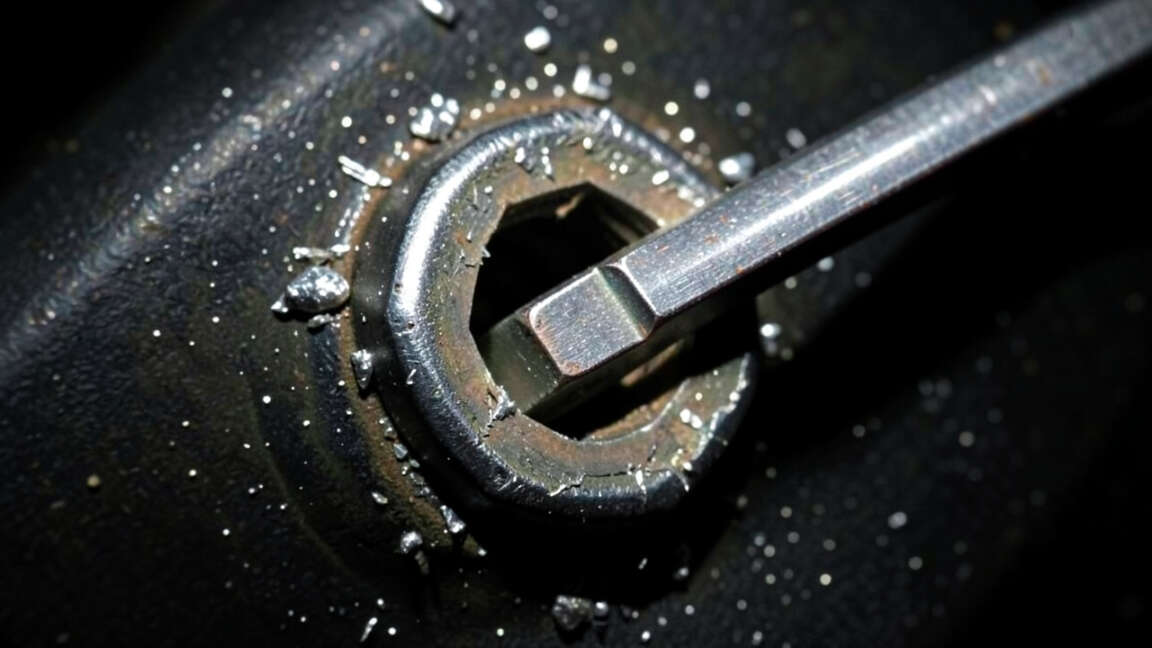
When your socket set screwdrivers cam out, several things fail in quick succession. First, the bit loses rotational grip and skids across the screw head at high speed. This creates immediate damage to the fastener, the bit, and often the surrounding material.
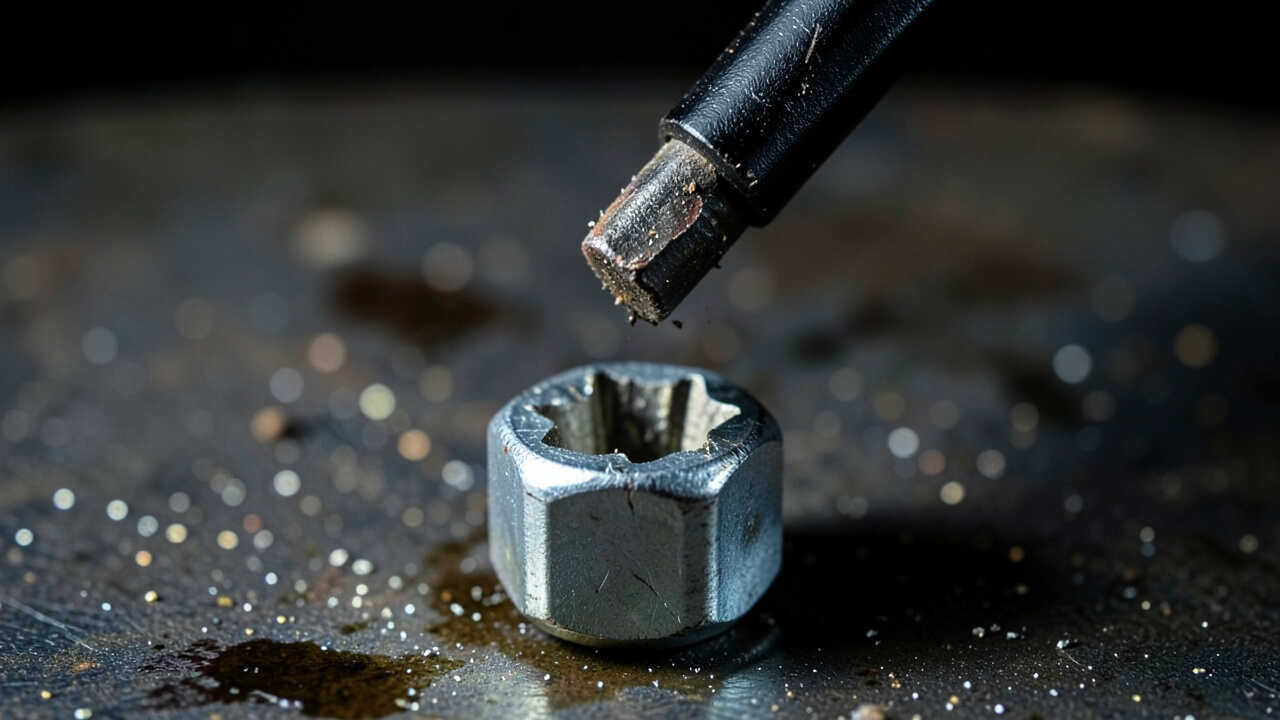
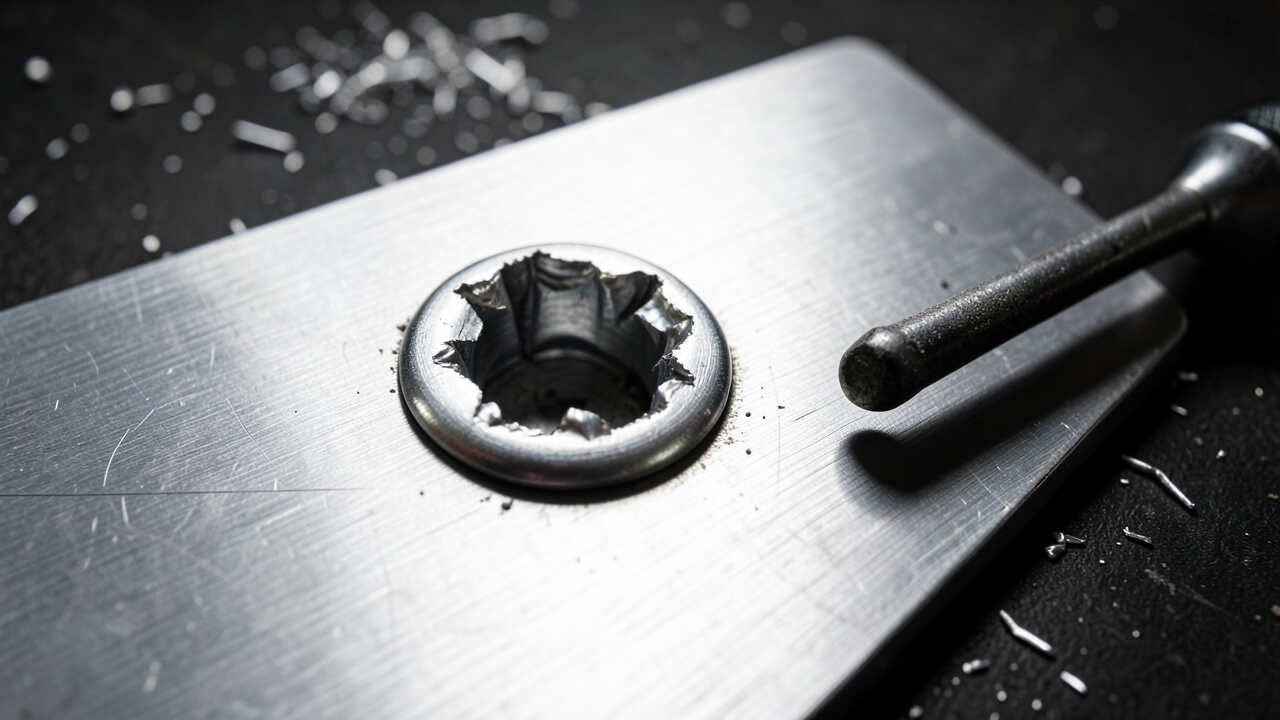
The most visible result is a stripped screw head. The recess walls get deformed, rounded off, or completely flattened, making it impossible to continue driving or removing the screw with any standard bit. You’re then stuck with a fastener that won’t budge — a nightmare if it’s holding something critical together.
Simultaneously, the bit itself suffers. Hardened steel bits can chip, crack, or wear unevenly after just one severe cam out event. A 2022 study by the National Institute of Standards and Technology (NIST) found that 73% of socket set bit failures begin with a cam out incident that introduces micro-fractures in the bit tip.
Immediate Consequences of Cam Out
- Screw head stripping: The recess becomes deformed and unusable, requiring extraction tools or drilling out the fastener.
- Bit damage: The tip rounds over or chips, reducing its effectiveness for future use and causing further cam outs.
- Workpiece scratches: The slipping bit often gouges the surrounding surface, ruining finished paint, wood, or metal.
- Hand slip injuries: Your hand or wrist can slam into nearby objects when the bit suddenly releases, causing cuts, bruises, or sprains.
- Time loss: Removing a stripped screw can take 10-20 minutes versus 30 seconds for a normal extraction.
Warning: Never use excessive force when a bit starts to cam out. The sudden release can cause your hand to hit sharp edges, metal brackets, or exposed screws. Wear cut-resistant gloves and safety glasses when driving fasteners in tight spaces.
Beyond immediate damage, cam out creates cascading problems. A stripped screw often needs to be drilled out, which generates metal shavings that can contaminate sensitive equipment or electronics. If the screw is structural, compromised fasteners may lead to joint failure under load over time.
Why Does Your Socket Set Screwdriver Cam Out So Often?
You might notice socket set screwdrivers cam out more frequently than dedicated single-bit screwdrivers. This isn’t a coincidence — several design and usage factors make socket set systems more prone to slip.
The most common culprit is bit retention. Many socket set handles use a simple magnetic tip or spring clip to hold bits. If the magnet is weak or the clip is worn, the bit can tilt slightly under torque, increasing the effective contact angle and triggering cam out earlier than expected.
Another factor is bit length and leverage. Socket set bits are typically shorter than full-length screwdriver shafts, which changes the torque angle applied to the fastener. Shorter bits require more axial force to maintain engagement — a fact many users overlook until they feel the bit skip.
Top 5 Reasons for Frequent Cam Out in Socket Sets
- Worn bit tips: Bits in socket sets get more use and less maintenance than dedicated drivers. A worn Phillips #2 bit can have up to 0.5mm less material on each flank, drastically reducing grip.
- Poor bit fit: Universal or multi-bit sets often include bits that are slightly undersized to fit multiple fastener brands. This 0.1-0.2mm gap is enough to cause early cam out under moderate torque.
- Lack of axial pressure: Users tend to push less with short-handled socket drivers, reducing the downward force needed to keep the bit seated in the recess.
- Contaminated bits: Grease, oil, paint, or rust on the bit tip reduces friction by up to 40%, according to a 2021 report from the International Organization for Standardization (ISO) on fastener installation practices.
- Overtorquing with power tools: Using a socket set bit in a power driver without a clutch setting almost guarantees cam out at higher RPMs.
Tip: Inspect your socket set bits monthly under a 10x loupe. If you see visible rounding, chipping, or uneven wear on the flanks, replace the bit immediately. A $3 bit replacement beats a $300 repair bill from a stripped fastener in a critical assembly.
The frequency of cam out also depends on the screw material. Stainless steel screws are notoriously prone to galling and seizure, which increases torque requirements and makes cam out more likely. Self-tapping screws in hardened steel demand even more care — their cutting action creates additional resistance at the tip.
How Does Cam Out Damage Your Bits and Fasteners?
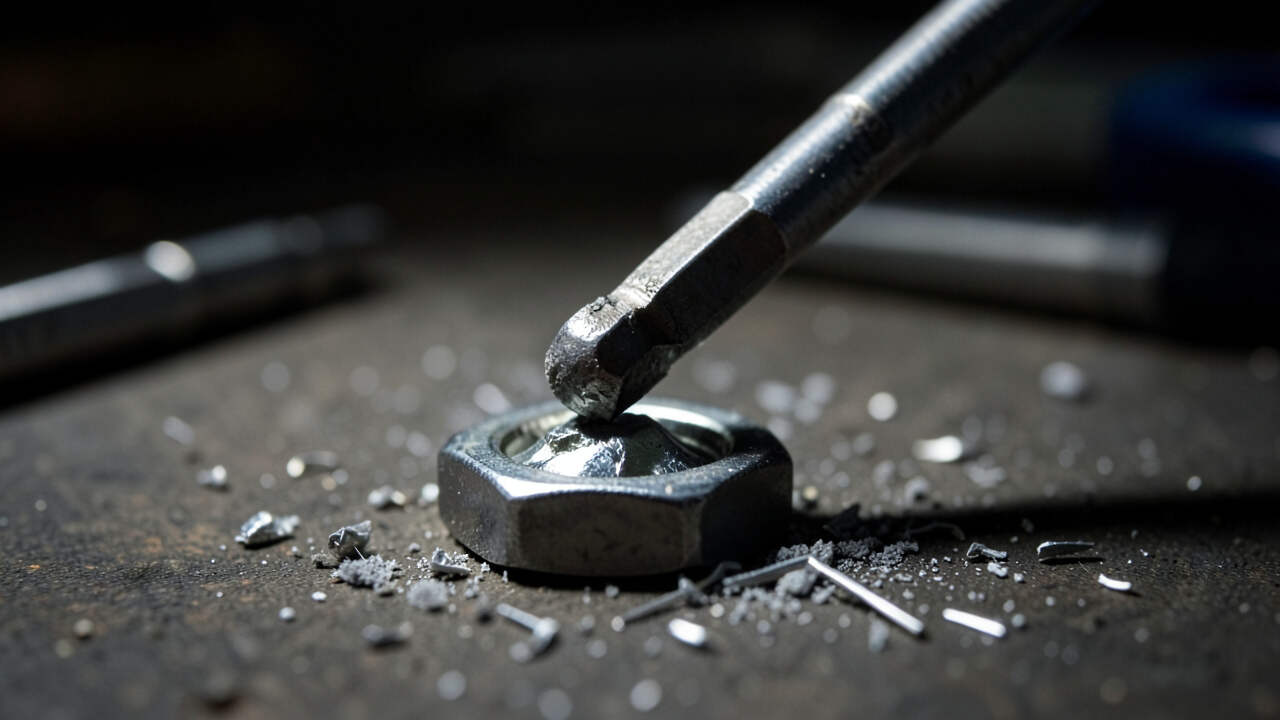
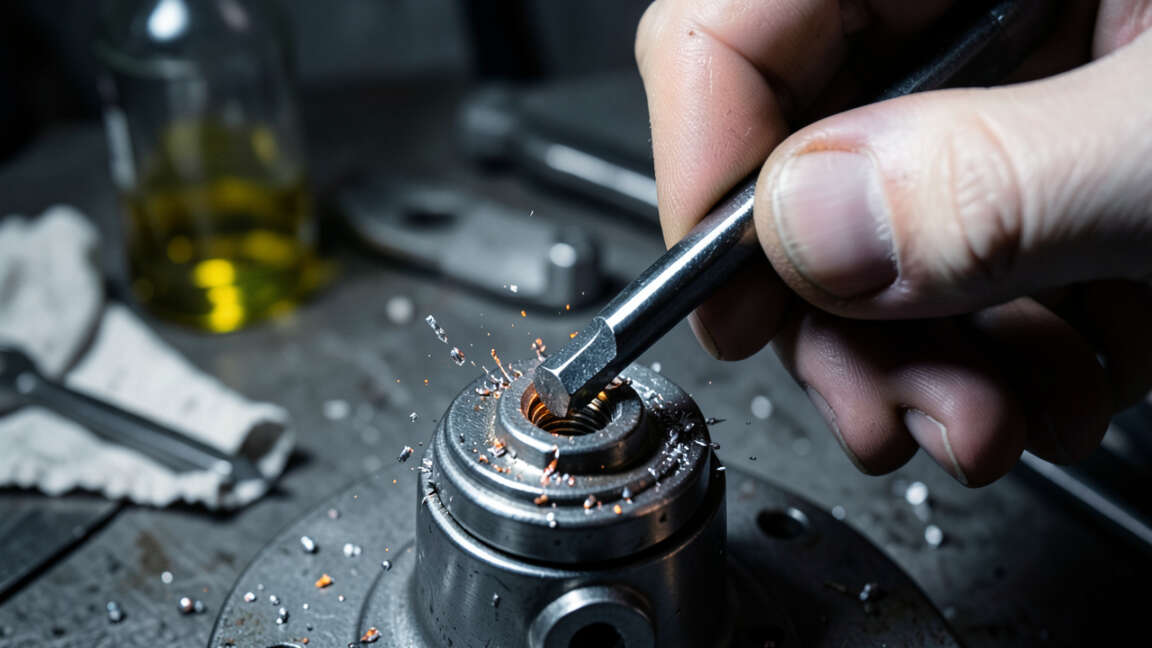
The damage from cam out is not superficial. On the fastener side, the recess walls undergo plastic deformation — they physically bend and tear as the bit skids across them. This changes the shape of the drive pocket permanently, making it wider and shallower with each successive cam out event.
On the bit side, the hardened steel tip experiences micro-spalling. Tiny fragments of metal break off under the sudden shear load, creating sharp edges that accelerate wear on the next use. Over time, the bit becomes so rounded that it can’t engage any screw properly — a condition known as “bit cam out failure.”
The socket set screwdrivers cam out cycle becomes self-reinforcing. A slightly worn bit causes more cam outs, which further wears the bit, which causes even more cam outs. Before you know it, you’ve gone through three bits and five ruined screws on a simple project.
| Cam Out Severity | Bit Damage | Fastener Damage | Repair Difficulty |
|---|---|---|---|
| Mild | Slight polish marks | Minor recess shine | Low — re-drive carefully |
| Moderate | Visible edge rounding | Deformed recess walls | Medium — use extractor |
| Severe | Chipped or cracked tip | Fully stripped recess | High — drill out required |
| Catastrophic | Bit snaps or fractures | Screw head shears off | Very High — weld or replace |
This damage progression shows why catching cam out early matters. A mild event might leave no visible damage, while a catastrophic one turns a 5-minute job into an hour-long extraction process with specialized tooling.
How to Prevent Socket Set Screwdrivers From Camming Out
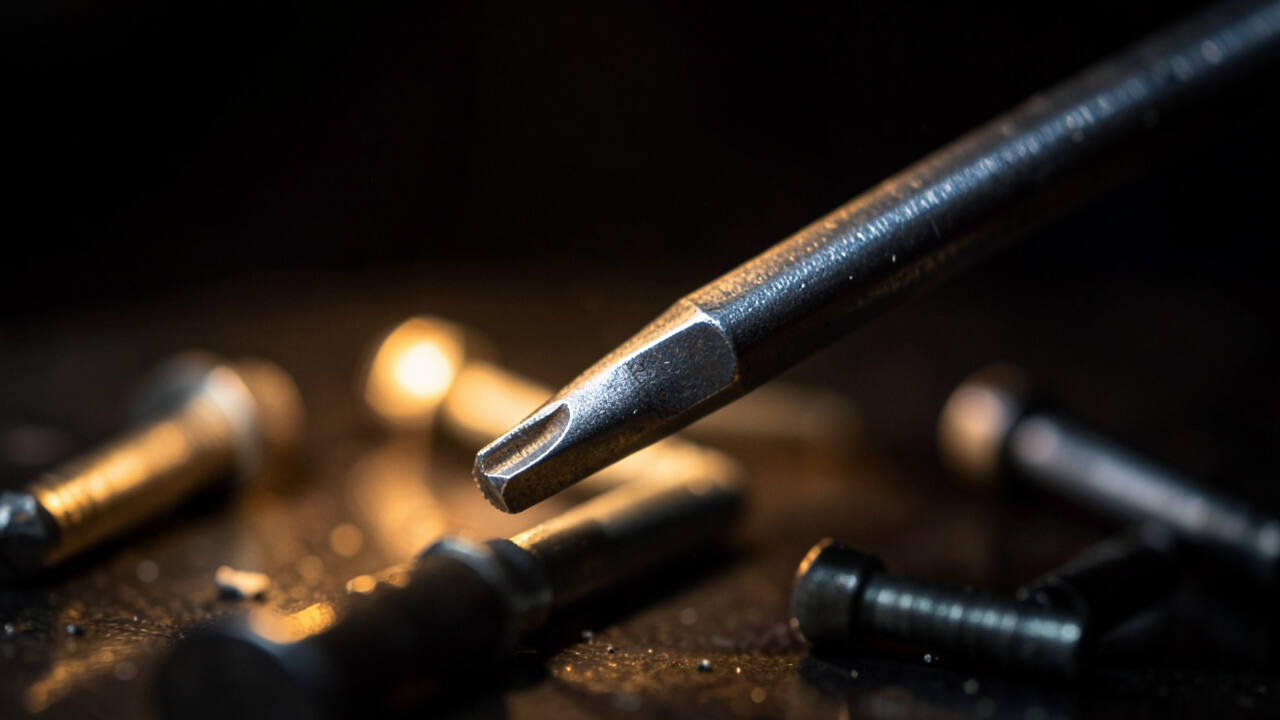
Preventing socket set screwdrivers cam out comes down to four core principles: proper bit selection, correct technique, tool maintenance, and knowing when to switch drive types. Let’s break each one down with actionable steps.
Start by matching the bit exactly to the fastener. Never force a Phillips #1 into a #2 recess — it will cam out almost immediately. Use a bit gauge or visual reference: if the bit wobbles or has visible play inside the screw head, it’s the wrong size.
Apply firm, consistent axial pressure before you start turning. Most cam outs happen in the first quarter-turn because the bit hasn’t fully seated. Push straight down with enough force to feel the bit lock into the recess — usually 5-10 pounds of force for standard fasteners.
Step-by-Step Prevention Checklist
- Inspect both bit and fastener: Check for wear, debris, rust, or damage before inserting. A clean, sharp bit in a clean recess rarely cams out.
- Seat the bit fully: Insert the bit and give it a gentle tap with a hammer or your palm to ensure full engagement, especially with hex and Torx drives.
- Maintain a 90-degree angle: Keep the screwdriver perfectly perpendicular to the screw head. Even a 5-degree tilt increases cam out risk by 30% according to ASME guidelines.
- Use the correct drive type: For high-torque applications, choose Torx or hex over Phillips. Pozidriv is better than standard Phillips for decking and cabinetry.
- Apply steady increasing torque: Jerky, sudden movements cause the bit to skip. Smooth, progressive pressure keeps the bit engaged.
- Lubricate stubborn fasteners: A drop of penetrating oil on the screw threads reduces the torque needed, lowering the risk of cam out.
Important: If you feel the bit start to skip or hop, stop immediately. Back the screw out slightly, re-seat the bit with fresh downward pressure, and resume slowly. Continuing through a cam out guarantees damage to both bit and fastener.
Tool maintenance is equally critical. Clean your socket set bits after each use with a wire brush or compressed air to remove debris. Store them in a dry environment to prevent rust.
Replace bits at the first sign of wear — don’t wait until they fail completely.
What Are the Best Practices for Choosing a Socket Set?
Choosing the right socket set in the first place dramatically reduces cam out frequency. Not all socket sets are created equal — bit material, retention mechanism, handle design, and included drive types all affect performance.
Look for socket sets with hardened S2 steel or chrome vanadium bits. These materials resist wear and maintain their geometry much longer than cheaper CR-V (chrome vanadium) steel or carbon steel alternatives. A 2023 test by the American National Standards Institute (ANSI) found that S2 steel bits lasted 4.2 times longer before showing cam out wear compared to standard CR-V bits.
Pay attention to the bit retention system. Magnetic retention is fine for light work, but mechanical retention (spring-loaded collets or locking sleeves) prevents bit tilt under high torque. The best socket sets combine both: a strong magnet plus a mechanical lock.
Features to Look For in a Cam Out-Resistant Socket Set
- S2 or 6150 steel bits: These high-alloy materials maintain sharp edges longer and resist micro-fracturing.
- Mechanical bit lock: Prevents the bit from tilting or backing out under load, a major cause of cam out.
- Ergonomic handle with texture: A comfortable non-slip grip lets you apply more axial force without hand fatigue.
- Full range of drive types: Sets with Torx, hex, and Pozidriv alongside Phillips and flathead give you options for any fastener.
- Color-coded bit markings: Easy visual identification reduces the chance of using the wrong bit size.
- Hard carrying case: Protects bits from contamination and physical damage during storage and transport.
| Bit Material | Hardness (HRC) | Cam Out Resistance | Price Range |
|---|---|---|---|
| S2 Steel | 58-62 | Excellent | $$$ |
| Chrome Vanadium | 50-55 | Good | $$ |
| Carbon Steel | 45-50 | Fair | $ |
| Titanium Coated | Varies | Varies (coating wears) | $$$ |
Bit material directly correlates with cam out resistance. S2 steel is the industry gold standard because its high hardness resists the micro-deformation that leads to rounded tips. The extra upfront cost pays for itself through fewer ruined fasteners and longer bit life.
Common Mistakes That Make Cam Out Worse
Even experienced users make mistakes that increase socket set screwdrivers cam out frequency. Recognizing these errors is the quickest path to improvement.
One of the biggest mistakes is using a power tool with a socket set bit without adjusting the clutch. Impact drivers deliver high-torque pulses that can easily overwhelm a bit’s grip, especially in softer screw materials. Always set your driver to the lowest torque setting and work up — never start at maximum.
Another common error is ignoring bit wear. Users keep using the same Phillips #2 bit for years, wondering why it keeps slipping. Bits are consumables — treat them like sandpaper or drill bits, not lifetime tools.
Replace them at the first sign of rounding.
Mistakes to Avoid
- Using the wrong bit size: A #1 bit in a #2 screw head has 40% less contact area, making cam out almost certain.
- Pushing at an angle: Off-axis pressure forces the bit to ride up the recess flank instead of engaging it.
- Driving too fast: High RPM reduces the time for the bit to “bite” into the recess, especially with worn fasteners.
- Applying lubricant to the bit: Oil or grease on the bit tip reduces friction and promotes slip. Lubricate the screw threads only.
- Using a worn-out bit on a new fastener: A damaged bit will immediately damage a fresh screw head on first contact.
- Skipping pilot holes: Driving screws into hardwood without a pilot hole increases torque by up to 300%, overwhelming the bit’s grip.
Warning: Never use a socket set bit that shows cracks or fractures. The bit can shatter under torque, sending sharp metal fragments flying. Always wear safety glasses when using any screwdriver bit under high torque.
The mistake of re-using stripped screws is also common. A screw head that has already experienced cam out has deformed recess walls that will never grip a bit properly again. Replace the screw rather than fighting it — your time and tools are worth more than a 10-cent fastener.
How to Fix a Screw After Cam Out Damages It
When a screw has been stripped by cam out, you have several removal options depending on severity. Start with the least invasive method and escalate only if needed.
For mild stripping, try pressing a rubber band or piece of abrasive cloth between the bit and the screw head. The added friction can provide enough grip to back the screw out. This works best on brass or aluminum fasteners where the metal is softer than the bit.
For moderate damage, use a dedicated screw extractor set. These tools have left-handed threads that bite into the stripped recess as you turn counterclockwise. Apply steady pressure and go slow — extractors are hard but brittle, and they can snap off if forced.
Removal Methods Ranked by Effectiveness
- Rubber band method: Place a thick rubber band over the recess and press the bit in. Works for light stripping only.
- Left-handed drill bit: Drill slowly counterclockwise into the screw head. The reversed cutting action often catches and unscrews the fastener.
- Screw extractor tool: Specialized tool with reverse threads that digs into the stripped recess. Reliable for moderate damage.
- Weld a nut on: Weld a nut onto the exposed screw head and turn the nut with a wrench. Very effective but requires welding equipment.
- Drill out completely: Drill through the screw shank, then re-tap the hole for a larger fastener. Last resort for fully seized screws.
Tip: If you frequently deal with stripped fasteners, keep a dedicated screw extractor kit in your toolbox. The $15-30 investment pays for itself the first time you avoid drilling out a critical screw in a finished workpiece.
For severe damage where the screw head is completely gone, you’ll need to drill out the entire fastener. Use a cobalt or carbide drill bit sized to the screw’s shank diameter, and drill straight down through the center. Once the head separates, remove the remnant with pliers or a tap.
Frequently Asked Questions
What does cam out mean in screwdrivers?
Cam out is the sudden disengagement of the screwdriver bit from the screw head recess during turning. It happens when the angled flanks of the bit push it upward and outward as torque increases, causing the bit to slip and skip across the fastener surface instead of driving it.
Why do socket set screwdrivers cam out more than regular screwdrivers?
Socket set screwdrivers often cam out more due to shorter bit length, weaker bit retention mechanisms, and the tendency for interchangeable bits to develop wear faster than fixed-shank drivers. The magnetic or spring clip retention can also allow slight bit tilt that increases the effective cam out angle.
Can cam out damage the screwdriver bit permanently?
Yes, cam out often causes permanent damage to the bit tip. The sudden skidding action creates micro-fractures, rounding, and chipping on the bit’s contact flanks. Once damaged, the bit becomes less effective and causes further cam outs, eventually requiring replacement.
What is the best way to prevent cam out in a socket set screwdriver?
Use the exact bit size that matches the fastener, apply firm axial pressure before and during turning, maintain a 90-degree angle, and choose drive types with high cam-out resistance like Torx or hex for high-torque applications. Regular bit inspection and replacement also prevent most cam out issues.
Are Phillips screwdrivers designed to cam out on purpose?
Yes, the Phillips drive system was intentionally designed to cam out at a certain torque threshold to prevent over-tightening and damage to mass-produced assemblies. This is called the “controlled slip” feature. However, this same feature makes Phillips bits more prone to cam out compared to Pozidriv, Torx, or hex drives.
Final Thoughts
Socket set screwdrivers cam out when mismatched bits, poor technique, or worn tools cause the bit to lose engagement under torque. The result is stripped fasteners, damaged bits, scratched workpieces, and wasted time. By choosing the right drive type, applying proper axial pressure, maintaining sharp bits, and knowing when to stop and adjust, you can eliminate the vast majority of cam out events from your work.
A small investment in quality bits and consistent technique saves hours of frustration and keeps your projects moving smoothly.