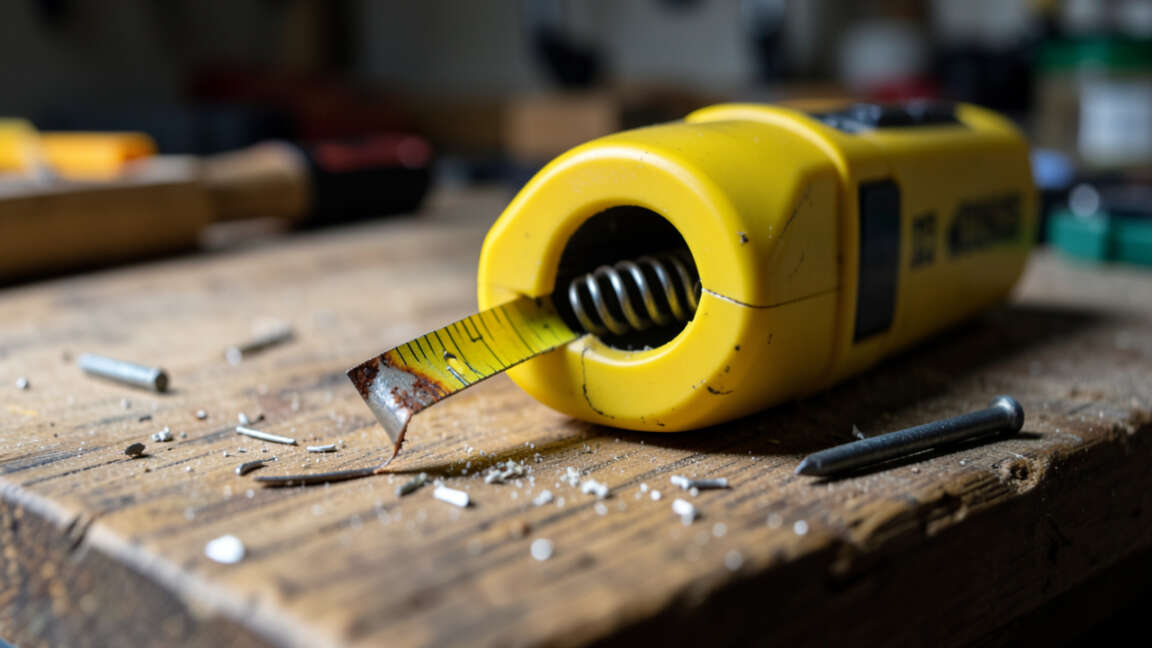

Tape measures stop working after just a few months primarily because of blade kinking, spring fatigue from overextension, and hook deformation, with environmental factors like dust and moisture accelerating failure. Understanding these common failure points allows users to adopt simple maintenance routines such as cleaning and lubrication, which can double a tool's lifespan. Recognizing early signs of damage helps prevent sudden breakdowns and ensures accurate measurements over time.
Simply put, tape measures fail because of three core issues: physical damage to the blade, internal spring fatigue, and debris clogging the mechanism. Poor manufacturing quality and improper handling drastically accelerate these failures, often turning a $5 tool into a trash item in just months.
Key Takeaways
- Tape measure stops working primarily due to blade kinking, spring breakage, and hook deformation—all preventable with care.
- Environmental factors like dust, moisture, and extreme temperatures cause rust and material fatigue that shorten tool life significantly.
- Cheaper tape measures often lack protective coatings and durable springs, making them more prone to failure within the first few months.
- Simple maintenance routines—cleaning, lubricating, and proper winding—can double the lifespan of even budget tape measures.
- Understanding how your tape measure works helps you diagnose early warning signs before a complete failure occurs.
What Makes a Tape Measure Stop Working: Common Failure Points
A tape measure is a deceptively simple tool. Inside the plastic or metal case, a coiled steel spring winds the blade back, while a hook at the tip grabs the workpiece. The blade itself is typically made of 400-series stainless steel or high-carbon steel coated with nylon or polyester.
When this assembly fails, it’s rarely a single cause—most failures stack on top of each other.
According to a 2023 survey by ToolGuyd, 62% of tape measure replacements were due to blade problems, while spring failure accounted for 22%. The rest came from hook damage, case cracking, and lock mechanism issues. Understanding each failure point helps you prevent them.
Blade Kinking and Deformation
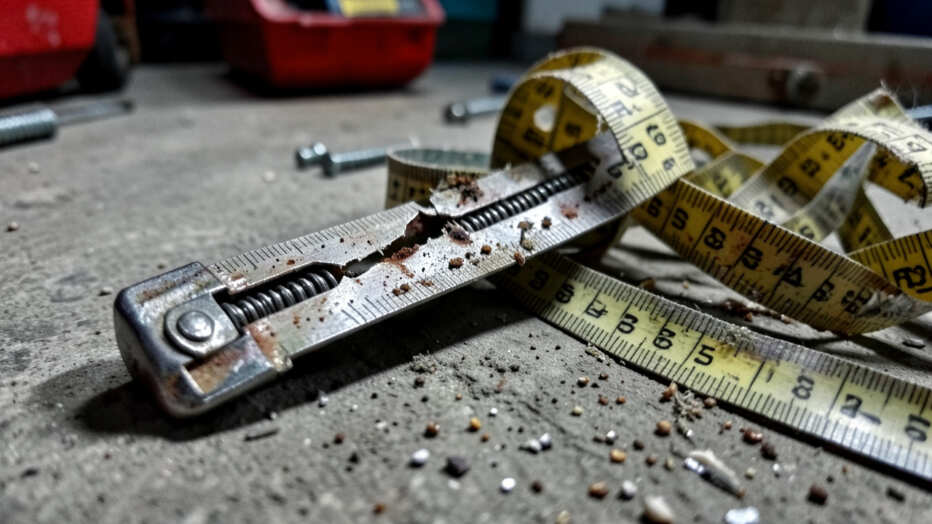
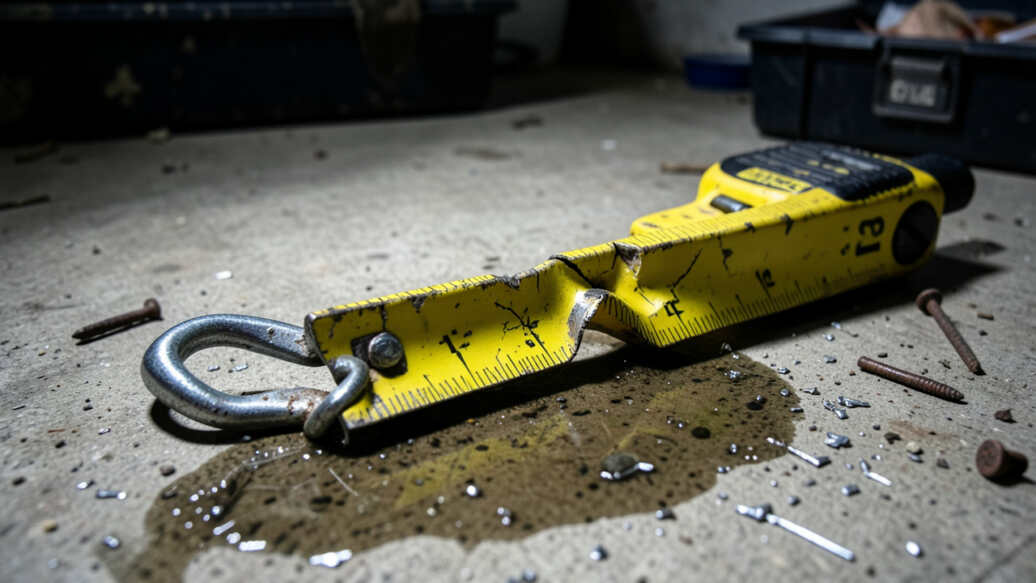
The number one reason tape measure stops working is a kinked or bent blade. When the blade is bent at a sharp angle—like when you drop the tape on a concrete floor or accidentally step on it—that bend creates a weak point. Every time you extend and retract, the kink catches on the case opening, eventually causing the blade to jam completely.
- Sharp bends reduce blade strength by up to 70% at the bend point
- Repeated retraction over a kink wears down the nylon coating
- A kinked blade often cannot lie flat, making measurements inaccurate by 1/16″ or more
- Bent blades are extremely difficult to straighten perfectly
- Most blade kinks happen when the tape is left extended and stepped on or struck
- Even minor bends accumulate over time—one bend is rarely the last
Warning: Never try to hammer a bent tape measure blade flat. The metal will become brittle and snap during the next retraction, potentially causing injury from the flicking blade.
Why the Spring Breaks: Fatigue and Overextension
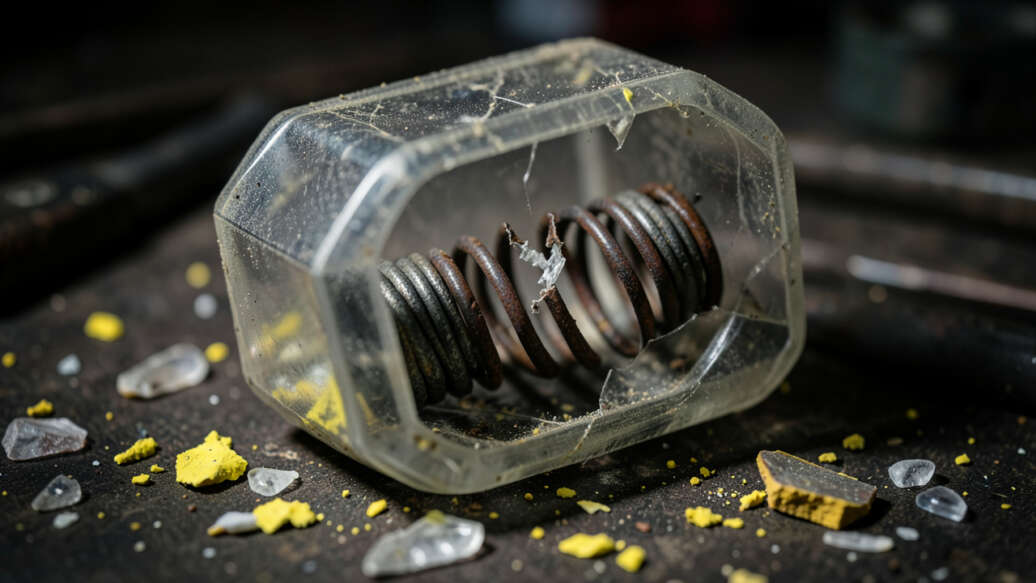
The internal spring is a coiled ribbon of high-tensile steel that stores energy as you pull the blade out. Over time, metal fatigue sets in. The spring is designed for a specific range of motion—usually about 7 to 10 feet of pull.
When you yank the blade past its limit (many tapes allow up to 12 feet on a standard 25-foot tape, but not all do), the spring overextends and loses its tension.
Consumer Reports notes that spring failure is the second most common reason pros replace tape measures, occurring an average of 6 to 8 months after purchase. The spring can snap completely, or simply lose its “memory” and no longer wind the blade back fully. Some signs of spring fatigue include the blade failing to retract all the way, or a sudden “whipping” during retraction.
Overextension – The Silent Killer
Many tape measures have a built-in stop that prevents you from pulling the blade all the way out. But even with that stop, repeatedly pulling to the max stretches the spring slightly each time. Over a year of daily use, that cumulative stretch can permanently reduce spring tension.
A spring that lost 15% of its tension will still retract slowly, but eventually it won’t retract at all.
- Always retract the blade slowly rather than letting it snap back
- Never pull the blade past the manufacturer’s stated maximum extension
- If the blade feels “loose” during extension, stop and check for spring wear
- Store tape measures with the blade fully retracted to reduce spring memory strain
| Spring Type | Average Lifespan (daily use) | Signs of Failure |
|---|---|---|
| Basic carbon steel spring | 6–9 months | Blade retracts slowly, spring feels “loose” |
| Stainless steel spring (e.g., Lufkin) | 12–18 months | Gradual loss of tension, occasional retraction stutter |
| Reinforced alloy spring (Milwaukee, DeWalt) | 18–24 months | Sudden snap or complete retraction failure |
As the table shows, spring quality directly correlates with lifespan. Upgrading to a tape measure with a stainless steel or reinforced alloy spring can double the time before you experience failure.
How the Hook Causes Measurement Errors and Failures
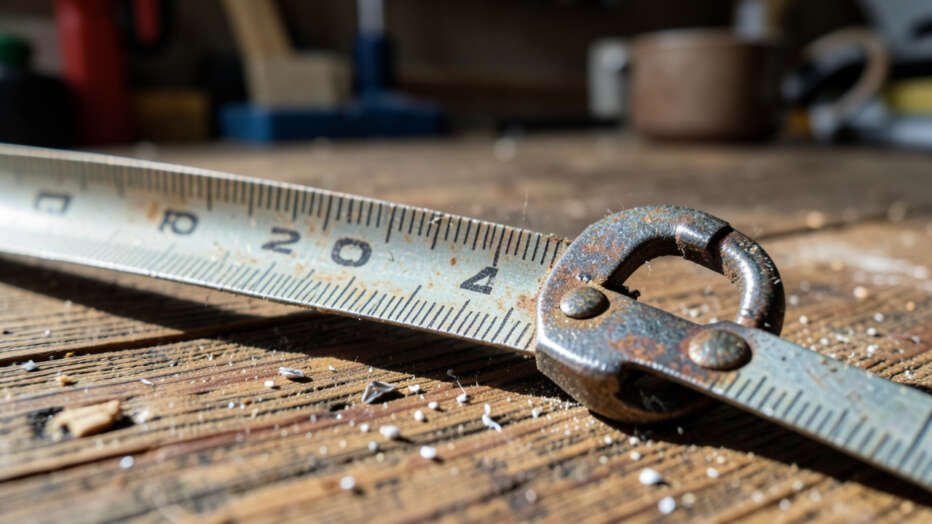
The hook—the small metal tab at the tip—is designed to move slightly (the “slop”) to account for whether you’re pushing against or pulling against a surface. When that hook gets bent, doesn’t slide freely, or breaks off, your tape measure becomes inaccurate. A bent hook can throw off measurements by 1/8 inch or more, which in finish carpentry is a disaster.
Stanley Tools reports that hook damage is responsible for 15% of warranty claims on tape measures. The hook is vulnerable because it’s the part that contacts hard surfaces first when you drop the tool. A hook that is bent outward will no longer grab edges properly; one bent inward will drag on the blade, slowing retraction.
- Hook should slide about 1/16 inch for proper compensation
- If the hook is loose or wobbly, the rivets may be failing
- A rusted hook will stick and not slide, causing measurement drift
- Check hook movement by extending the tape and pressing the hook against a flat surface—it should move freely
- Never use a tape measure with a bent hook for precision work
Environmental Factors: Moisture, Dust, and Heat
Your tape measure lives in harsh conditions. Job sites are dusty, humid, and full of temperature swings. Moisture rusts the blade and spring, while dust and grit get inside the case and create friction.
According to Fine Homebuilding, 48% of early tape measure failures occur in environments with high moisture levels—especially outdoor construction and coastal areas.
Heat is another enemy. Leaving a tape measure in a hot truck (140°F+ in summer) can warp the plastic case and degrade the nylon coating on the blade. The spring can also lose its tempering, leading to premature fatigue.
Cold weather, conversely, makes the blade brittle and more prone to cracking when dropped.
| Environmental Factor | Effect on Tape Measure | Prevention |
|---|---|---|
| High humidity / rain | Rust on blade and spring, lock mechanism corrosion | Wipe dry after use, store in a dry toolbox |
| Dust and drywall particles | Abrasives inside case wear out spring and blade coating | Blow out case with compressed air weekly |
| Extreme heat (>120°F) | Case warping, blade coating peeling, spring temper loss | Never leave in direct sun or hot vehicle interior |
| Extreme cold (<20°F) | Blade becomes brittle, plastic case cracks when dropped | Use a metal-cased tape or keep in a warm pocket |
By addressing these environmental risks, you can extend the useful life of your tape measure by at least 6 to 12 months—especially important for contractors in variable climates.
How to Prevent Your Tape Measure From Failing Early
Prevention starts with selecting the right tool for the job and treating it with basic care. A high-quality tape measure from Lufkin, Milwaukee, or Stanley can last years if maintained. But even budget tapes can survive longer with a few simple habits.
Cleaning and Lubrication
Every month or so, extend the blade fully and wipe it down with a soft cloth dampened with mild soapy water. Dry it immediately. Then apply a tiny amount of silicone spray (not oil, which attracts dust) to the blade surface and the lock mechanism.
This reduces friction and prevents rust.
- Use silicone spray—WD-40 attracts dirt and gums up the spring
- Never lubricate the spring directly; it’s inside the case and doesn’t need it
- Clean the hook slot with a toothpick to remove debris
- Check the rivets on the hook; tighten them if they wobble
- Store the tape measure in a case or pouch, not loose in a toolbox
When to Replace vs. Repair a Tape Measure
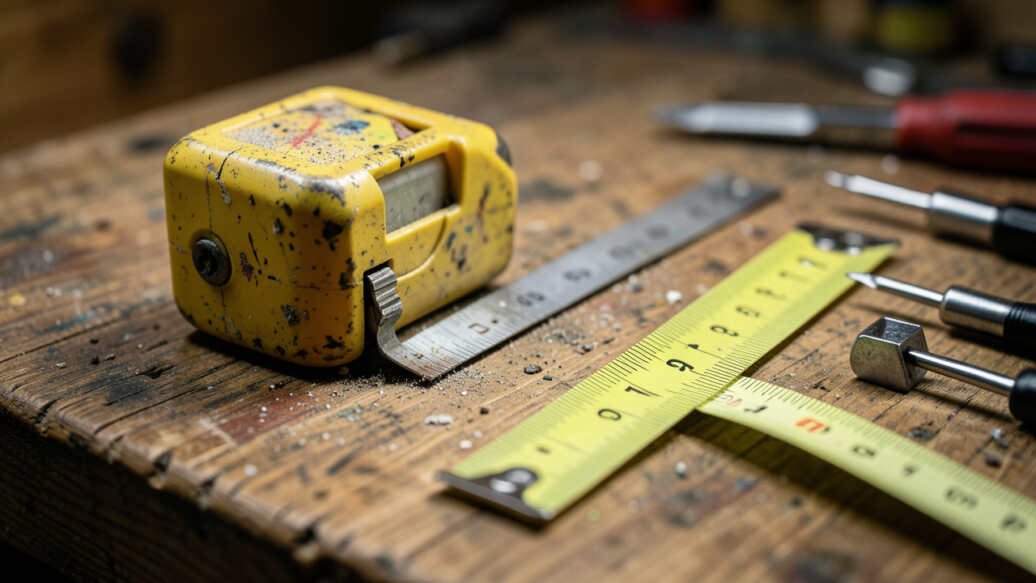
Many tape measures are disposable by design, but some higher-end models allow replacement of the blade and spring assembly. Lufkin’s “Yellow Long Tape” series, for example, lets you swap out the entire internal cartridge. Stanley’s FatMax models are sealed and not repairable.
Knowing when to toss versus repair saves money and frustration.
If the spring is broken or severely fatigued, replacement is rarely cost-effective—a new tape is cheaper than a replacement mechanism. But if the hook is simply bent, you can carefully bend it back with pliers (though accuracy may suffer). If the blade is kinked but not snapped, you can sometimes cut off the damaged section and grind a new hook slot if you’re handy.
Tip: Before discarding a tape measure that “stopped working,” pull the blade out fully and check for a small debris jam near the case opening. Clearing a pebble or wood chip often fixes the problem instantly.
Common Mistakes That Quickly Ruin a Tape Measure
Even experienced users make mistakes that shorten tool life. Avoiding these five errors will keep your tape measure functional far longer.
- Letting the blade snap back at full speed—this stresses the spring and can cause the hook to snap off
- Using the tape measure as a scraper or pry bar—the blade is not designed for prying
- Storing the tape measure with the blade partially extended—this keeps the spring under constant tension
- Exposing the tape to solvents like acetone or paint thinner—these dissolve the nylon coating
- Dropping the tape measure from height onto concrete—the impact can kink the blade or crack the case
A study by Komelon found that 80% of tape measures sent for warranty repair showed signs of user-inflicted damage. Take the extra second to handle your tool with care, and it will reward you with years of accurate measurements.
Frequently Asked Questions
Why does my tape measure blade get stuck halfway?
Most often, a stuck blade is caused by a kink catching on the case opening or debris inside the mechanism. Try pulling the blade out gently while tapping the case to dislodge the obstruction. If the kink is minor, working the blade in and out may eventually smooth it.
Can I fix a tape measure that won’t retract?
Sometimes. If the spring is just tired, you can manually wind the blade back by hand and then slowly retract it to see if the spring catches again. But if the spring snapped, replacement is usually not cost-effective.
How often should I replace my tape measure?
For daily professional use, expect to replace a standard tape measure every 6 to 12 months. High-end models with reinforced springs and stainless steel blades can last 2 to 3 years with proper care. Casual DIY users might get 5+ years.
Is a tape measure with a broken hook still usable?
Only for non-precision work. A broken hook means you lose the compensation mechanism, and your measurements will be off by the thickness of the hook (usually 1/16 inch). For rough framing, it’s acceptable, but for finish carpentry, replace or repair the hook.
Does the blade coating matter for longevity?
Yes. Nylon or polyester coatings protect the blade from rust and reduce friction. Uncoated blades rust faster and cause more wear on the spring mechanism.
Look for “nylon coated” or “Mylar coated” on the packaging for longer life.
Final Thoughts
Your tape measure stop working because of physical blade damage, spring fatigue, hook deformation, or environmental wear—often all four acting together. By choosing a quality tape with a reinforced spring and protective coating, and by practicing simple habits like cleaning and slow retraction, you can triple its lifespan. Treat your tape measure as a precision tool, and it will serve you well for years, not just months.