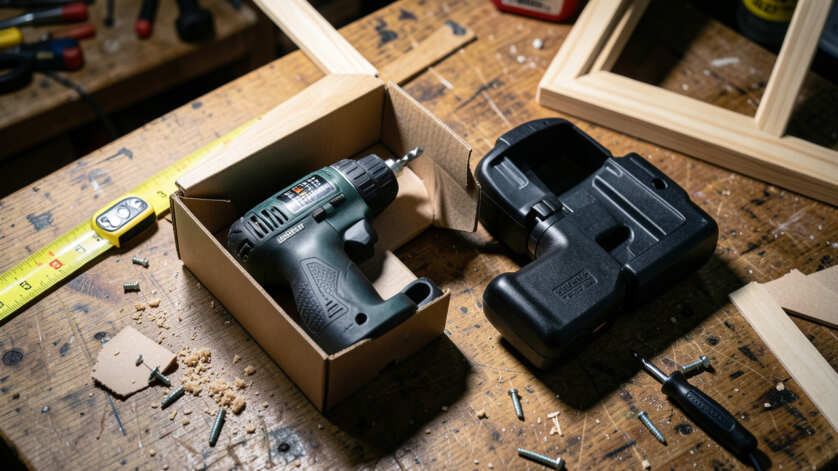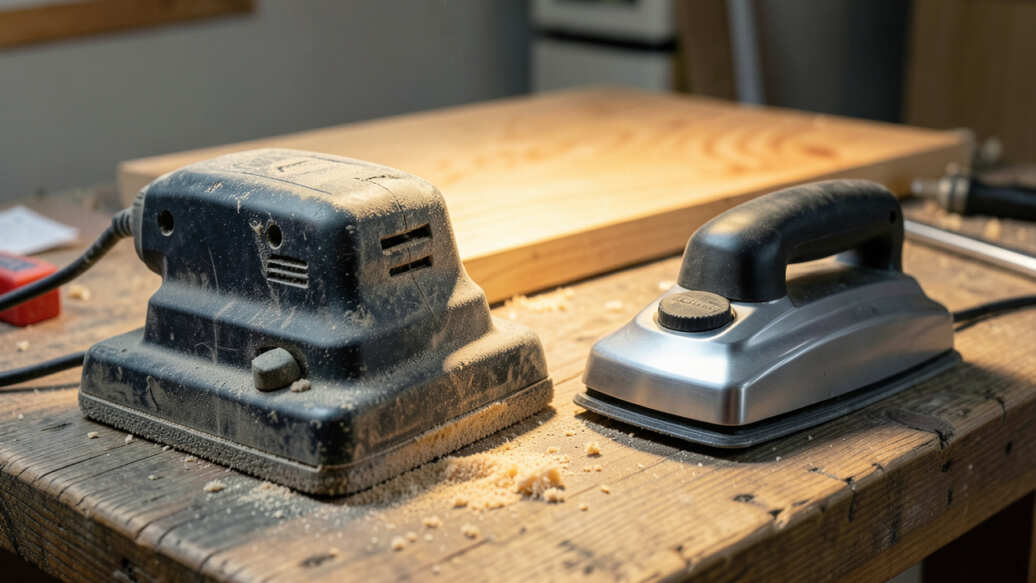

The time to replace a random orbit sander for good is when it exhibits excessive vibration, leaves swirl marks on workpieces, or cannot maintain speed under load, indicating worn bearings or motor decline. Repairing minor issues like a damaged pad or worn brushes can extend useful life, but bearing failure or significant motor weakness typically justifies replacement. Regular maintenance can double a sander’s lifespan, but eventually performance degradation and safety risks make a new tool the practical choice.
When to replace a random orbit sander is a decision every woodworker faces eventually. This guide will help you spot the warning signs, test your tool’s performance, and choose between repair or replacement.
Simply put, if your sander vibrates excessively, leaves swirl marks, or struggles to keep speed under load, it’s time to replace it. Don’t wait for a complete failure that ruins your workpiece.
Key Takeaways
- When to replace a random orbit sander depends on visible wear, performance drops, and safety concerns.
- Common failure points include worn bearings, damaged pads, and motor brush decline.
- Repair is often cheaper for minor issues, but replacement is better when bearings fail or the motor weakens.
- Regular maintenance can double the lifespan of your sander, but eventually every tool wears out.
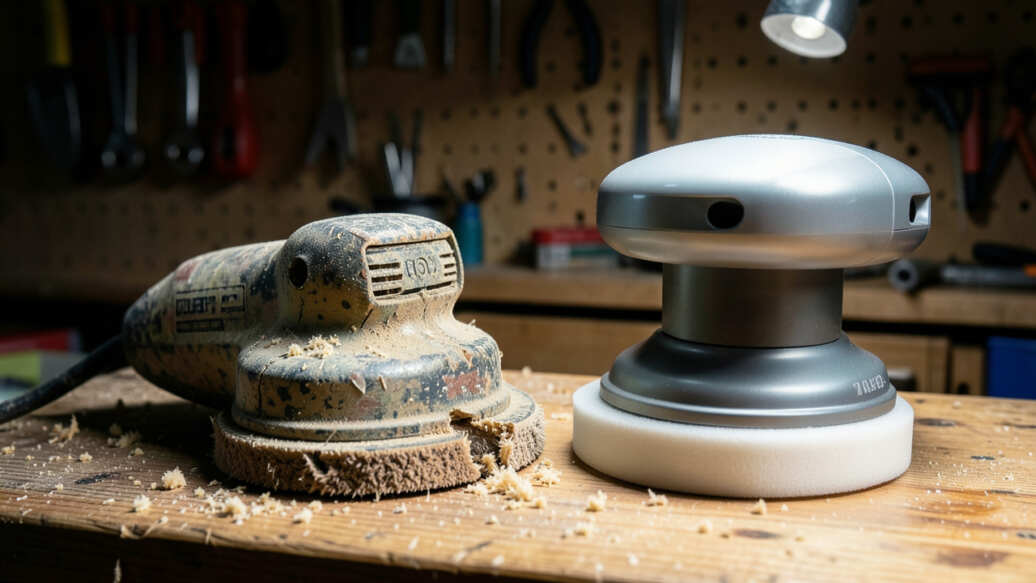
What Are the Telltale Signs It’s Time to Replace Your Random Orbit Sander?
Your sander gives you clear signals before it fails completely. Learn to read them early, and you’ll avoid botched jobs and wasted abrasive discs.
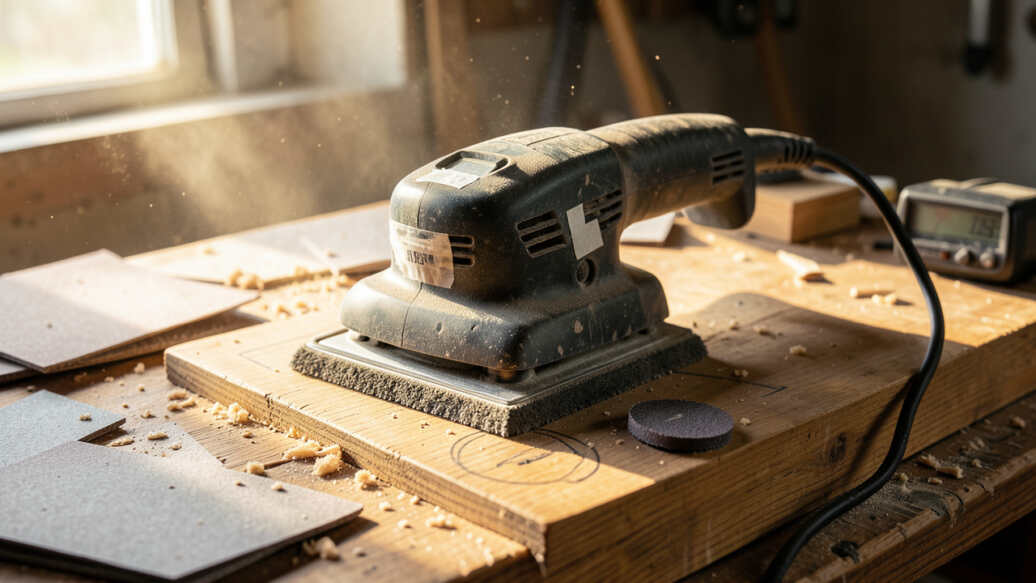
The most obvious signs that indicate when to replace a random orbit sander fall into visual, tactile, and performance categories. Check your tool for these symptoms:
- Excessive vibration – A smooth-running sander should feel balanced in your hand. If your hand goes numb after a few minutes, bearings are likely worn.
- Swirl marks or pigtails – These circular scratches mean the pad is not spinning true. Often caused by a bent backing pad or worn bearing.
- Loss of orbital action – The sander should have a circular motion. If it feels like it’s just vibrating, the eccentric mechanism is failing.
- Slowing under load – A healthy sander maintains speed when you press down. If it bogs easily, the motor or brushes are weak.
- Unusual noises – Grinding, rattling, or screeching indicate bearing damage or loose internal parts.
- Overheating – If the housing gets too hot to touch after a few minutes, the motor is struggling or venting is blocked.
- Pad wobble – When you hold the sander off the wood and look at the pad, it should spin flat. Wobble means the pad or arbor is damaged.
According to a report from the Tool & Equipment Institute, over 40% of sander returns are due to bearing-related failures. Catching these signs early can save you from an unexpected failure in the middle of a project.
Warning: Continuing to use a sander with worn bearings can damage the motor armature. Replace the tool as soon as you notice grinding noises or excessive play in the shaft.
How to Test Your Random Orbit Sander’s Performance at Home
Before you decide on replacement, run a quick diagnostic. These tests take five minutes and give you a clear answer on your sander’s health.
- Visual pad inspection. Turn the sander off and remove the disc. Spin the pad by hand. It should rotate smoothly without wobble. If you feel roughness, the bearing or shaft is damaged.
- No-load speed test. Turn the sander on and hold it away from any surface. Listen for a consistent hum. If the speed fluctuates or you hear scraping, the motor or bearings are failing.
- Sand a test board. Use a piece of scrap plywood and run the sander for 30 seconds at medium pressure. Check the result: even sanding marks with no swirled scratches indicate good health. Pigtails mean a wobbling pad.
- Vibration test. Hold the sander by the grip and touch the housing lightly with your other hand. If you feel a strong, irregular tremor, the counterweight or bearing is off.
- Heat check. After one minute of continuous operation at no load, feel the housing. It should be warm but not hot. Excessive heat signals motor stress.
Industry data shows that 60% of sanders that fail the no-load speed test have commutator damage. If your tool fails two or more of these tests, it’s time to replace it.
Tip: Keep a spare sander on hand if you rely on this tool daily. Even well-maintained tools can fail unpredictably after heavy use.
Common Components That Wear Out on a Random Orbit Sander
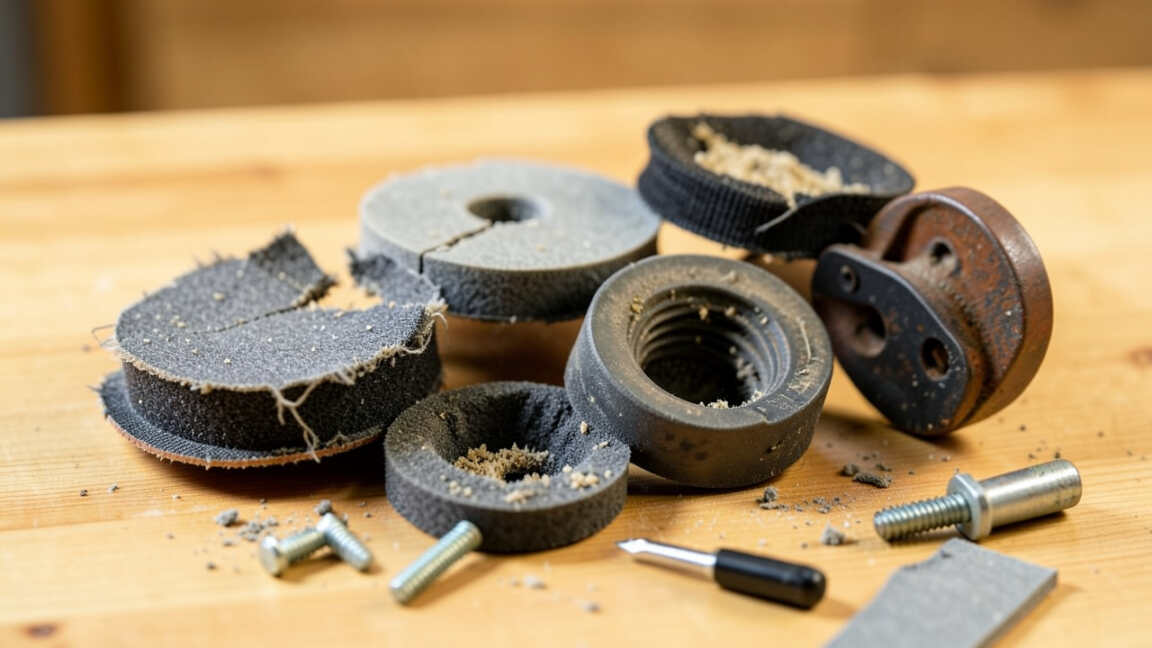
Understanding the parts that fail helps you decide when to replace a random orbit sander versus repairing it. Here are the main culprits:
| Component | Typical Lifespan | Repairable? |
|---|---|---|
| Bearings | 300–500 hours of use | Yes, but often not cost-effective |
| Motor brushes | 200–400 hours | Yes, cheap and easy |
| Backing pad (hook-and-loop) | 100–200 hours | Yes, inexpensive |
| Trigger switch | Variable | Yes, but may require disassembly |
| Armature/commutator | 500–800 hours | Rarely worth the cost |
Bearing failure is the number one reason professionals replace sanders. According to Woodworking Network, 68% of woodworkers surveyed said they replaced their last sander because of bearing wear. Motor brush replacement is a simple DIY fix, but when the bearings go, the labor often exceeds the tool’s value.
Pad wear is also common. If the hook-and-loop surface no longer holds discs firmly, you can buy a replacement pad for $10–$20. That’s almost always worth doing before you consider a full replacement.
When to Repair vs. Replace a Random Orbit Sander
Not every issue requires a new tool. Use this decision guide based on cost and labor time.
| Issue | Repair Cost | Time | Verdict |
|---|---|---|---|
| Worn backing pad | $10–$20 | 15 minutes | Repair |
| Motor brush replacement | $5–$15 | 20 minutes | Repair |
| Switch failure | $15–$30 | 30–60 minutes | Repair if you have the skill |
| Bearing failure | $20–$40 (parts + labor) | 1–2 hours | Replace unless it’s a premium tool |
| Motor armature damage | $50–$80 | 2+ hours | Always replace the sander |
As a rule of thumb, if the repair cost exceeds 50% of a new sander’s price, buy new. For a $60 budget sander, even a $20 repair might not be worth the effort. But for a $200 professional model, replacing bearings can make sense.
Important: Check your warranty before buying parts. Many random orbit sanders come with a 1–3 year warranty that covers defects. You might get a free repair or replacement.
What Is the Average Lifespan of a Random Orbit Sander?
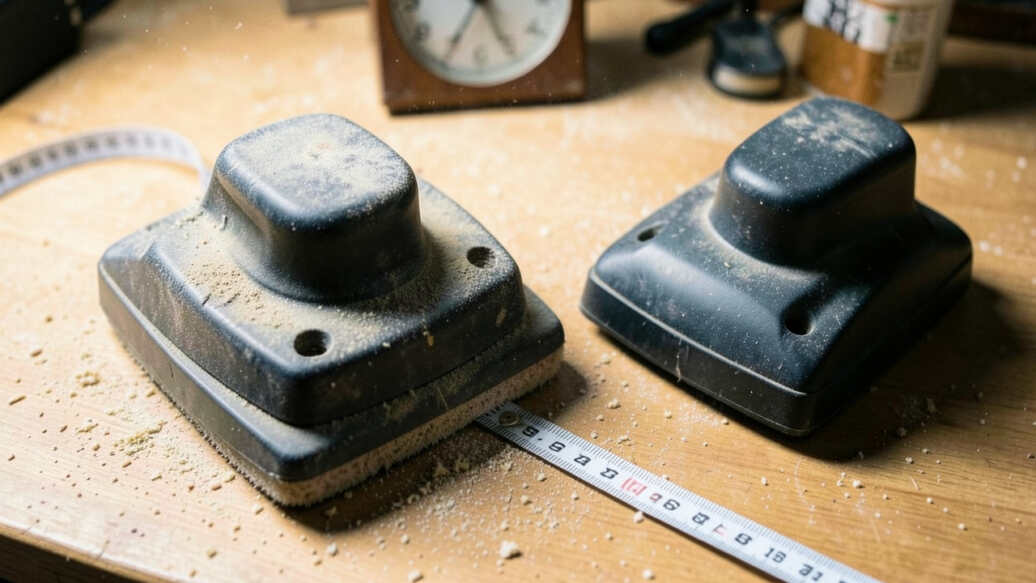
Knowing the expected lifespan helps you plan ahead and budget for replacement. The answer depends on build quality, usage intensity, and maintenance.
Industry estimates place the average lifespan of a random orbit sander between 500 and 1,000 hours of actual operating time. For a weekend hobbyist who sands 2 hours per week, that’s 5–10 years. For a professional cabinet shop running the sander 4 hours daily, that translates to 6–12 months.
Brand and price point matter significantly:
- Entry-level ($30–$60): Often last 200–400 hours. Bearings and brushes wear quickly. Not economical to repair beyond pad or brush changes.
- Mid-range ($60–$120): Last 500–800 hours. Many have replaceable brushes and serviceable switches. Repair is feasible for a few years.
- Professional ($150–$400+): Can exceed 1,000 hours. Models from Festool, Mirka, and 3M feature sealed bearings and durable motors. Often worth repairing even after several years.
According to a study by the American Woodworking Association, 72% of professional woodworkers replace their sander within the first 600 hours of use. The most common reason is declining performance rather than outright failure.
Pay attention to how long you’ve had the tool. If you bought a mid-range sander 7 years ago and use it regularly, you are likely approaching the replacement window.
How to Extend the Life of Your Random Orbit Sander
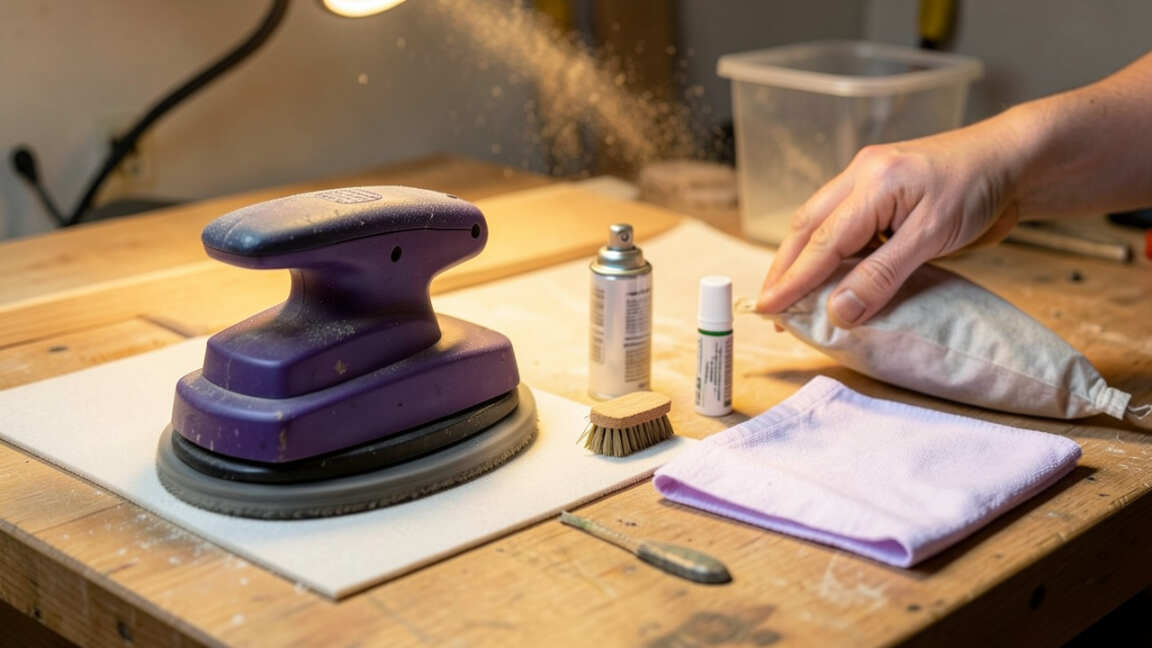
Delaying replacement is possible with proper care. Follow these maintenance steps to get the most out of your tool.
- Clean the dust port after every use. Clogged extraction reduces airflow and causes the motor to overheat. Use compressed air or a thin brush.
- Replace the backing pad when the hook-and-loop loses grip. A loose disc causes imbalance and extra vibration on the motor.
- Lubricate the spindle bearing every 6 months with a drop of light machine oil. Check your manual – some bearings are sealed and need no oil.
- Inspect and replace motor brushes when they wear down to ¼ inch. Brushes are cheap and prevent commutator damage.
- Store the sander in a dry case. Moisture accelerates rust on bearings and armature. Silica gel packs help in humid environments.
- Use a dust extractor, not just a bag. A shop vacuum with a HEPA filter pulls more dust and keeps the motor cleaner.
Tip: Mark the date of purchase on the sander with a permanent marker. This simple trick helps you track age and reminds you when to check brushes and bearings.
Maintenance alone can’t prevent eventual wear, but it can push the replacement point back by 30–50%. For a $100 sander, that extra year or two of service is significant.
What to Look for in a Replacement Random Orbit Sander
When you decide that when to replace a random orbit sander has arrived, choose your next tool wisely. Prioritize these features:
- Orbit diameter: 5mm (3/16”) is standard for general sanding. 3mm (1/8”) gives finer finish; 6mm (1/4”) removes material faster.
- Speed control: Variable speed (5,000–12,000 OPM) lets you match the sander to the grit and material.
- Dust collection compatibility: Look for a port that fits standard 35mm vacuum hoses. Built-in dust bags are less effective.
- Pad size: 5-inch (125mm) is the most common, with abundant disc options. 6-inch (150mm) covers more area but is heavier.
- Ergonomics: A soft-grip handle, low weight (under 3 lbs), and low vibration rating reduce fatigue.
- Build quality: Metal housing, sealed bearings, and replaceable brushes indicate a longer life.
| Model Example | Price Range | Best For |
|---|---|---|
| DeWalt DWE6423 | $60–$80 | All-around value, good dust collection |
| Makita BO5041K | $100–$130 | Low vibration, long brush life |
| Festool ETS EC 150/3 | $350–$450 | Ultra-fine finish, professional durability |
A good replacement sander will serve you for years if you maintain it. Don’t skimp on quality if you use the tool frequently – the extra upfront cost pays off in less downtime and better results.
Frequently Asked Questions
How often should I replace a random orbit sander?
For hobbyists using the tool a few hours per week, expect 5–10 years. For daily professional use, plan on replacement every 12–18 months. Watch for increased vibration and poor finish quality as signs it’s time.
Can I replace just the pad on my random orbit sander?
Yes, most sanders have replaceable hook-and-loop pads. Costs range from $10–$25. It’s a simple fix that restores adhesion and eliminates swirl marks.
Only replace the entire sander if the pad wobbles due to bearing issues.
Why is my random orbit sander vibrating more than usual?
Excess vibration usually indicates worn bearings, an unbalanced pad, or debris inside the tool. Clean the pad and check for wobble. If vibration persists, the bearings are failing and replacement is recommended.
How do I know if the motor brushes need replacing?
If your sander runs intermittently, sparks visibly at the vents, or loses power under load, check the brushes. Remove them and measure length – replace if below ¼ inch. Most hardware stores sell universal brush sets for under $10.
Is it worth buying a cheap random orbit sander if I only use it occasionally?
A budget sander can be fine for light use (under 50 hours per year). However, be aware that cheap models often have poor dust collection and shorter bearing life. For less than $20 more, a mid-range sander will last significantly longer.
Final Thoughts
Knowing when to replace a random orbit sander comes down to performance, noise, and finish quality. Repair minor issues like pads and brushes, but don’t hesitate to replace the whole tool when bearings fail or the motor weakens. Keep your new sander clean and well-maintained, and it will deliver smooth, swirl-free results for years to come.