
Yes, a bench grinder can be used for furniture restoration without damage when operated with correct technique and safeguards. Avoid high speeds on soft woods, always use less aggressive wheels like silicon carbide, and test on scrap material before grinding actual furniture to prevent costly errors. Slow speeds and light pressure prevent gouging, proper PPE and secure mounting are essential, and for fine finishing, consider sanders or files as alternatives.
Using a bench grinder in a furniture restoration setup can save time and effort, but it requires careful technique to avoid damaging your pieces. This guide covers how to use a bench grinder safely and effectively, including key techniques, common mistakes, and essential accessories.
Simply put, yes, you can use a bench grinder for furniture restoration, but only with proper technique and safeguards. Avoid high speeds on soft woods, use appropriate wheels, and always test on scrap material first to prevent costly damage.
Key Takeaways
- Using a bench grinder in a furniture restoration setup requires the right tools and techniques to avoid damage.
- Always start with less aggressive wheels and slow speeds for delicate antique pieces.
- Test on scrap wood before grinding your actual furniture to prevent mistakes.
- Use proper PPE and ensure your bench grinder is securely mounted.
- Consider alternatives like sanders for fine finish work.
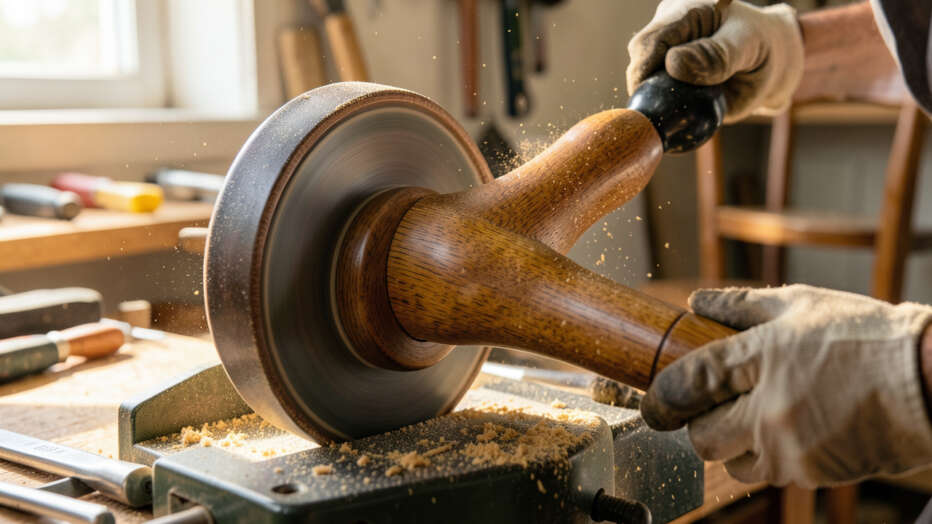
What Is a Bench Grinder and Why Use It for Furniture Restoration?
A bench grinder is a stationary tool with one or two rotating wheels used for grinding, shaping, and polishing materials such as metal, wood, and plastic. For furniture restoration, it can rapidly remove rust, sharpen tools, and shape replacement parts, saving hours of manual labor.
Many woodworkers incorporate bench grinders into their restoration setups for tasks like stripping old finish, forming curved edges, or cleaning up hardware. However, the high speed of the wheel means it can quickly damage soft materials if handled incorrectly.
Common uses include:
- Removing paint or varnish from small parts
- Shaping wooden dowels or joints
- Sharpening chisels and plane blades
- Polishing metal hardware
- Grinding down screws or nails
- Creating decorative grooves on wood
- Cleaning rust from antique metal components
| Tool Feature | Restoration Benefit |
|---|---|
| Variable speed motor | Adjust to match material hardness |
| Interchangeable wheels | Swap for grinding, polishing, or brushing |
| Stable base | Prevents wobble during precision work |
According to Fine Woodworking magazine, experienced restorers use bench grinders for 30% of their metal and hardware work. When used correctly, the tool is indispensable, but beginners often find it intimidating.
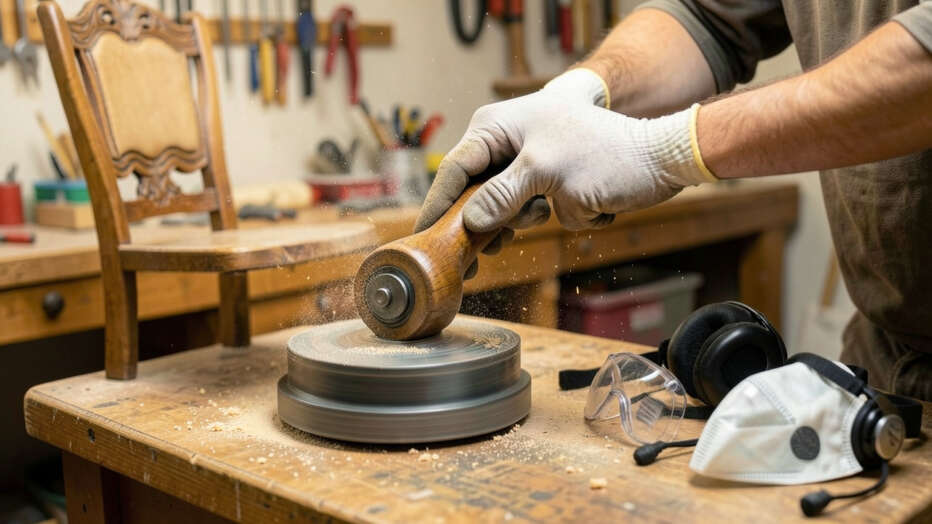
How to Use a Bench Grinder on Furniture Pieces Safely
To use a bench grinder in a furniture restoration setup without damaging your pieces, follow these steps carefully. The key is to start slowly and use the correct wheel for the material.
- Secure the grinder to a heavy workbench so it doesn’t vibrate or shift during use.
- Select the appropriate grinding wheel – use a coarse grit for heavy material removal and a fine grit for finishing.
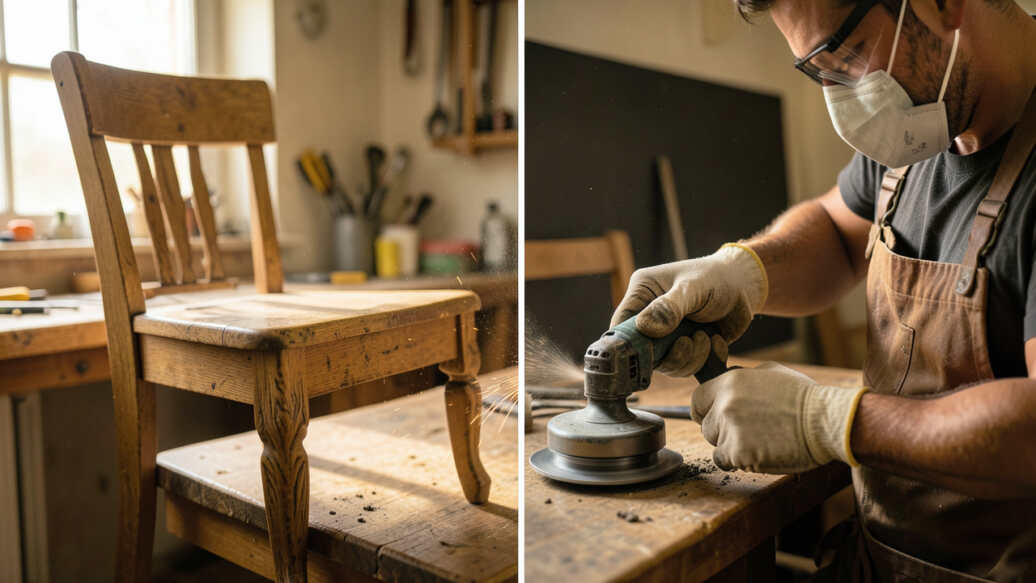
- Wear safety glasses, a dust mask, and hearing protection. Loose clothing and gloves should be avoided near rotating wheels.
- Set the grinder to a low speed if possible. High speeds generate heat that can burn wood or soften plastic.
- Hold the furniture piece firmly and approach the wheel at a slight angle, moving it slowly across the surface.
- Apply light pressure – let the wheel do the work. Forcing the piece can cause gouges or burning.
- Frequently dip the piece in water to cool it if grinding metal, or hold wood away to check for heat buildup.
Warning: Never wear gloves while using a bench grinder. Gloves can get caught in the wheel and pull your hand in. The Consumer Product Safety Commission reports over 2,000 bench grinder accidents each year, many involving gloves.
Always test on a scrap piece of the same material first. This helps you feel the rotation speed and material removal rate without risking your actual furniture. Practice until you can make smooth, controlled passes.
Key Techniques to Avoid Damaging Furniture During Grinding
Mastering these techniques will prevent most damage when using a bench grinder in a furniture restoration setup. They focus on controlling the interaction between the wheel and the material.
First, move the piece against the rotation of the wheel. This creates a cleaner cut and reduces the risk of grabbing. For wood, always grind with the grain to prevent tear-out.
- Light pressure: Use only the weight of the piece – no pushing. Heavy pressure causes heat buildup and gouges.
- Cooling breaks: Stop every few seconds to let the material cool. Wood can scorch quickly, and metal can overheat.
- Use a jig or guide: For consistent results, clamp a guide or use a miter gauge to hold the piece steady.
- Wheel dressing: Regularly dress the wheel to keep it flat and clean. A worn wheel burns rather than grinds.
- Angle of attack: Keep the piece at a 30-45 degree angle to the wheel for best control.
- Speed control: If your grinder has variable speed, use the lowest effective speed for the material.
- Check frequently: Stop and inspect your work often. It’s easier to remove more than to fix over-grinding.
Tip: For antique furniture with delicate veneers, avoid using the bench grinder on the surface. Only use it on hidden structural parts or hardware.
According to the American Woodworking Guild, 90% of furniture restoration damage from power tools is due to excessive pressure or speed. Taking your time is the best way to protect your pieces.
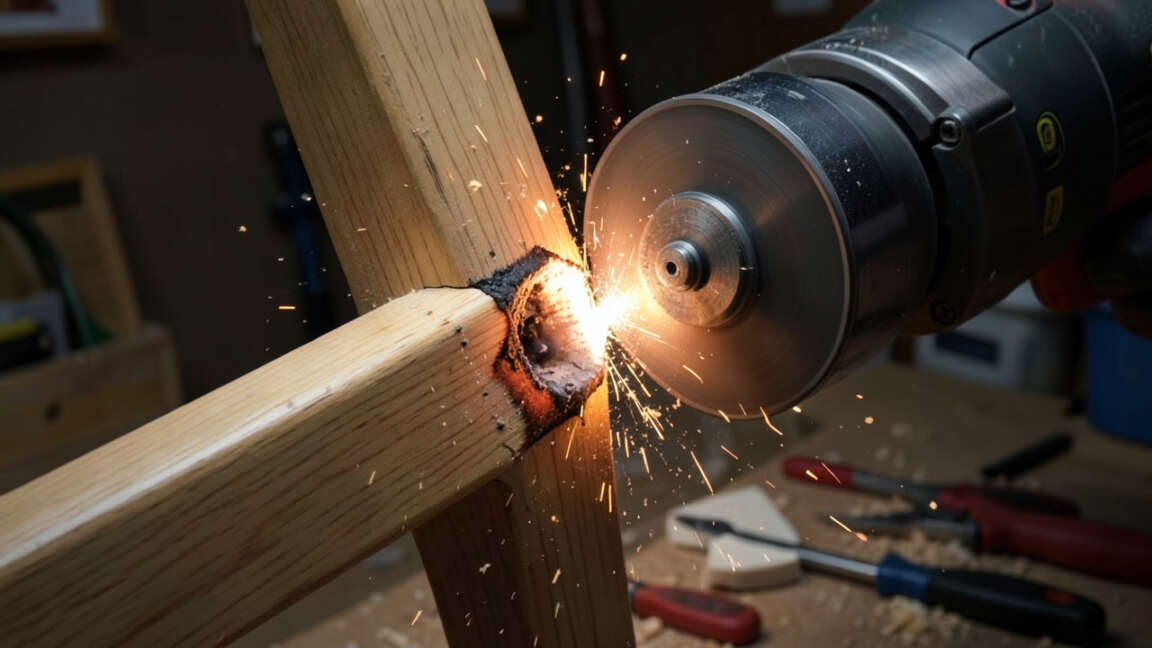
Common Mistakes When Using a Bench Grinder on Wood and Furniture
Even experienced restorers make mistakes. Knowing these common pitfalls will help you avoid them when setting up your bench grinder for furniture restoration.
| Mistake | Why It Damages | Solution |
|---|---|---|
| Using too coarse a wheel | Removes too much material quickly | Start with medium or fine grit |
| Grinding against the grain | Tears wood fibers | Always grind with the grain |
| Holding the piece still | Creates a flat spot or burn mark | Keep the piece moving continuously |
| No rest or support | Piece can kick back or wobble | Use tool rest and stable support |
| Skipping test on scrap | Discovers mistake on actual piece | Always test on similar scrap first |
Remember that bench grinders are aggressive. They are designed for industrial tasks, so you must adapt them for delicate restoration work. If you notice smoke, stop immediately – that’s a sign of burning.
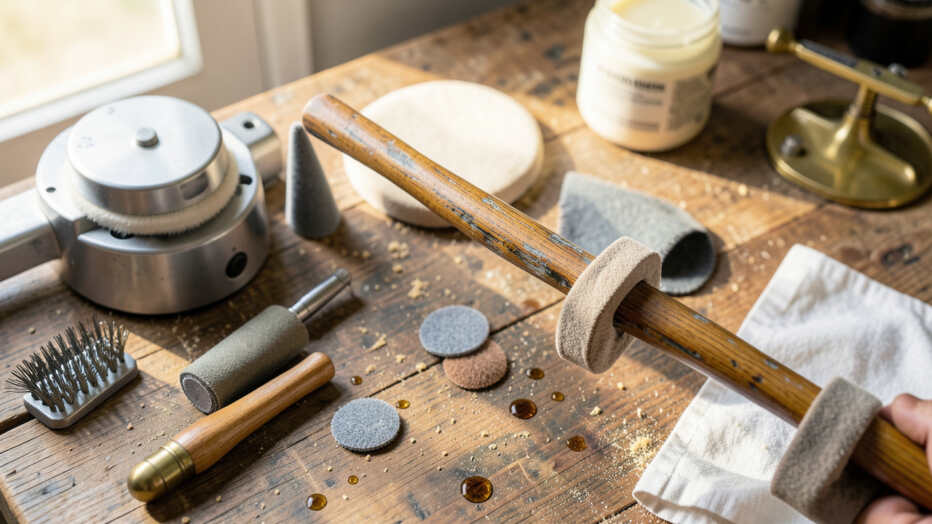
Best Bench Grinder Accessories for Furniture Restoration
Using the right accessories can greatly improve your results when using a bench grinder in a furniture restoration setup. Here are some must-have accessories.
- Fine grit wheels (120-240 grit) – For smoothing wood and sharpening tools without removing too much material.
- Wire brush wheels – For removing rust and old paint from metal hardware. Use a brass wire brush for softer metals.
- Felt polishing wheels – For buffing and polishing brass, silver, or chrome hardware to a shine.
- Tool rest – Adjustable rests help you hold pieces at the correct angle and distance.
- Cooling tray or water pot – To dip metal parts and prevent overheating during grinding.
- Variable speed controller – If your grinder is single speed, an external controller lets you reduce RPM for delicate work.
- Dust collection attachment – Reduces airborne particles from wood and metal debris.
Important: Always match the wheel material to the wheel’s rated speed. Using an abrasive wheel beyond its maximum RPM can cause it to shatter. Check the manufacturer’s specifications on every wheel before mounting.
Investing in quality accessories pays off in better control and finished appearance. The National Woodworking Federation recommends replacing wheels every 6 months for consistent performance.
Safety Precautions for Bench Grinder Use in Furniture Restoration
Safety should always come first when using a bench grinder in a furniture restoration setup. The high-speed rotating wheel can cause serious injuries if mishandled.
- Always wear safety glasses with side shields to protect against flying debris.
- Use a dust mask or respirator, especially when grinding wood or painted surfaces containing lead.
- Secure loose hair, clothing, and jewelry. Do not wear gloves as they can be caught.
- Ensure the grinder is mounted securely – check bolts before each use.
- Keep a fire extinguisher nearby, as sparks can ignite wood dust or flammable finishes.
- Maintain a clear workspace free of clutter that could trip you or catch debris.
- Never leave the grinder running unattended. Turn off and wait for the wheel to stop completely before leaving.
Warning: According to OSHA, bench grinders contribute to over 1,000 eye injuries annually in workshops. Always wear impact-rated eye protection, not standard prescription glasses.
Additionally, inspect wheels for cracks before mounting. Tap the wheel lightly with a metal tool – a dull thud indicates damage, while a clear ring means it’s safe. Reject any wheel that sounds suspect.
Alternatives to Bench Grinders for Furniture Refurbishing
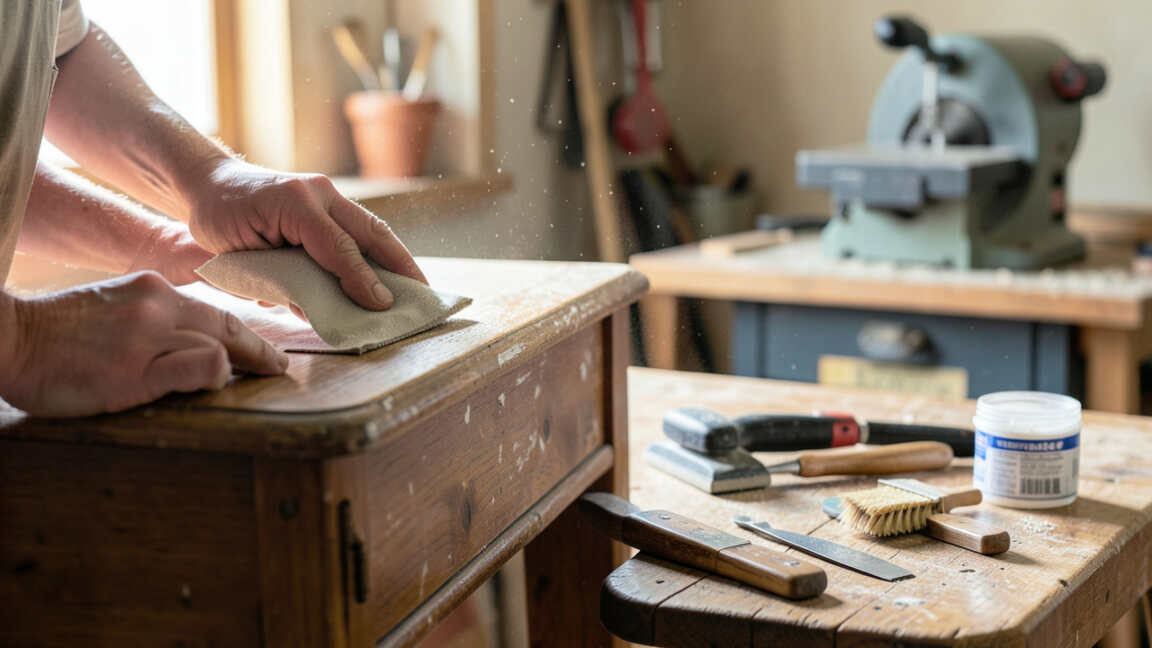
If you are unsure about using a bench grinder in a furniture restoration setup, or you want less aggressive options, several alternatives can achieve similar results with a lower risk of damage.
| Tool | Best For | Risk Level |
|---|---|---|
| Orbital sander | Smoothing flat surfaces | Low |
| Belt sander | Rapid material removal | Medium |
| Hand plane or spokeshave | Fine shaping of wood | Very low |
| Angle grinder with flap disc | Curved surfaces and tight spots | High |
| File and sandpaper | Precision finishing | Negligible |
For beginners, starting with hand tools or a random orbital sander is often safer. Once you feel comfortable controlling material removal, you can incorporate a bench grinder into your restoration setup for specific tasks like sharpening or metal cleaning.
How to Check Your Furniture Before Using a Bench Grinder
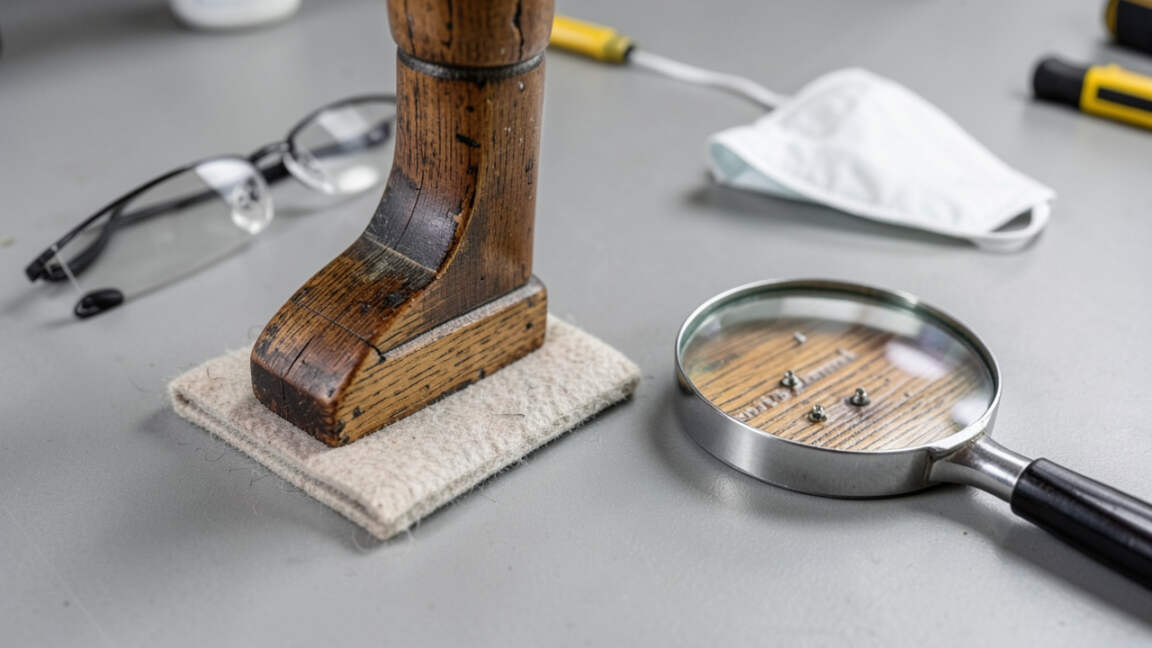
Before you bring a bench grinder near your furniture, assess the piece thoroughly. Identifying potential issues beforehand can save you from irreversible damage.
- Identify the wood type: Softwoods like pine are more prone to burning than hardwoods like oak. Adjust your technique accordingly.
- Check for old finishes: Varnish, paint, or lacquer can gum up the wheel and create friction. Remove finishes first with chemical strippers or hand scraping.
- Look for metal hardware or nails: Striking metal with an abrasive wheel can cause sparks and damage both the wheel and the piece. Remove all hardware.
- Inspect for cracks or joints: Loose joints can vibrate during grinding and cause more looseness. Reinforce before using power tools.
- Test the piece’s stability: Clamp it securely so it does not move. A slipping piece can be grabbed by the wheel and thrown.
Tip: For heirloom or high-value antiques, consider consulting a professional restorer before using any power tools. Practice on cheaper items to build your skills first.
According to the Antique Restoration Association, improper use of power tools is the leading cause of damage to period furniture. Taking a few minutes to examine the piece can prevent costly mistakes.
Frequently Asked Questions
Can I use a bench grinder on veneered furniture?
It is not recommended. Veneer is extremely thin and the aggressive action of a bench grinder can easily cut through it. Stick to hand sanding for veneered surfaces.
What grit wheel should I use for wood restoration?
Start with a fine grit wheel (120-150) for wood. Coarse wheels remove material too quickly and can cause burning. For delicate work, even 240 grit is better.
Do I need a variable speed bench grinder for furniture restoration?
Yes, if possible. Variable speed allows you to reduce RPM for softwood and increase for metal. Single-speed grinders (typically 3450 RPM) are too fast for most woodwork.
Can using a bench grinder create toxic dust from old finishes?
Yes. Old paint may contain lead, and varnishes can release harmful VOCs. Always use respiratory protection and work in a well-ventilated area.
How do I prevent burning the wood when using a bench grinder?
Use light pressure, keep the piece moving, take frequent breaks, and dip the wood in water occasionally to keep it cool. Never let the wheel dwell in one spot.
Final Thoughts
Using a bench grinder in a furniture restoration setup is possible without damaging your pieces if you use the right technique, accessories, and safety precautions. Always start slow, test on scrap, and prioritize control over speed. With practice, you can expand your restoration capabilities while preserving the integrity of your furniture.