
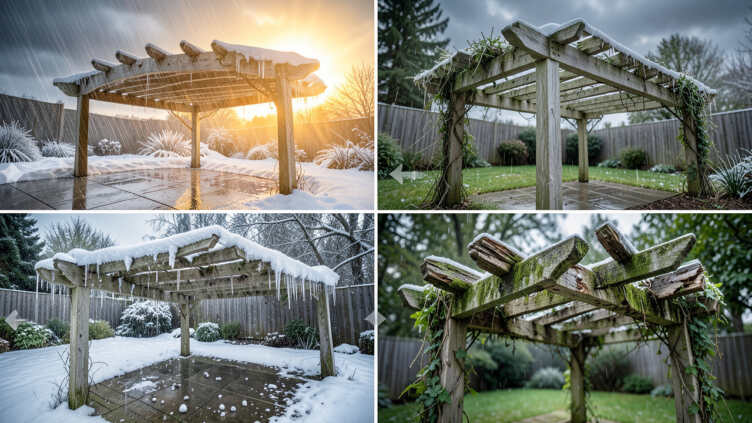
Pergola structures face seven primary weather effects: sun exposure causing wood cracking or vinyl fading, rain and moisture leading to rot, wind threatening stability, freezing temperatures and ice causing expansion damage, humidity encouraging mold, snow adding heavy weight, and UV rays degrading materials. Each effect requires specific preventative measures such as sealing wood, anchoring for wind, and using UV-resistant coatings. Understanding these weather impacts is essential for maintaining pergola durability and appearance over time.
Building a pergola can be a fun project. But, thinking about how weather can affect it might seem tricky at first. That’s why knowing about the 7 Weather Effects on Pergola Structures is super helpful.
Don’t worry, we’ll break it down super simply, step-by-step. Get ready to see how to keep your pergola looking great, no matter what the sky throws at it.
Key Takeaways
- You will learn about the main weather challenges pergolas face.
- We will explain how sun and heat impact pergola materials.
- Rain and moisture effects on pergolas will be covered.
- Wind’s force on pergola stability will be discussed.
- Extreme temperatures and their role in pergola wear will be shown.
- Ideas for protecting your pergola from weather will be shared.
Understanding the Elements: 7 Weather Effects on Pergola Structures
The Sun’s Warm Embrace (And What It Does)
Sunlight feels nice, but it can be tough on your pergola over time. Direct sun, especially on hot days, can dry out wooden pergolas. This can make the wood crack or warp.
For pergolas made of vinyl or metal, constant sun exposure can cause colors to fade. It can also make some materials brittle, making them more likely to break.
Rain, Rain, Go Away (But It Often Stays)
Rain is good for plants, but it can be a problem for pergolas. Water can seep into wood, leading to rot and mold. If water pools on surfaces, it can stain them.
Metal pergolas can rust if their protective coating wears off. Even vinyl can get mold and mildew spots from constant dampness. Proper drainage is key to avoid these issues.
Wind: A Gusty Guest
Wind can be a gentle breeze or a strong force. Strong winds can shake your pergola, testing its sturdiness. Loose connections or weak posts are especially at risk.
If a pergola isn’t built well, strong gusts can even lift or damage it. Trees near your pergola can also drop branches in the wind, causing damage.
Freezing Temperatures and Ice
When it gets cold, water can turn into ice. If water gets into small cracks in wood or paint, it can expand when it freezes. This can make the cracks bigger over time.
For pergolas in high-wind areas, use galvanized steel brackets and concrete footings to anchor posts securely, as loose anchoring is a common failure point.
Apply a UV-resistant sealant to wooden pergolas annually to prevent cracking and fading from direct sunlight.
Ice can also add extra weight to your pergola, especially if it builds up on the roof or any coverings. This added weight can stress the structure.
Humidity’s Slow Dance
Humidity, the amount of water vapor in the air, plays a part too. High humidity means more moisture is in the air. This can speed up the process of wood rot and mold growth, even without direct rain.
It can also make some finishes on pergolas feel sticky or peel away over time.
Snow: A Heavy Blanket
Snow is pretty, but it can be heavy. A lot of snow accumulating on your pergola can put a lot of weight on it. This is especially true for pergolas with solid roofs.
The weight can bend beams or even cause parts to collapse if the structure isn’t strong enough to hold it. You might need to clear snow off.
UV Rays: The Unseen Damage
We talked about the sun’s heat, but UV rays are a different kind of damage. These rays from the sun break down materials over time. For wood, they can fade the color and weaken the fibers.
For plastics and metals, UV rays can make them less flexible and more prone to cracking or chalking. This happens even on cloudy days.
Protecting Your Pergola: Simple Steps
Choosing the Right Materials
When you build or buy a pergola, pick materials that can handle the weather in your area. Treated lumber is great for resisting rot and bugs. Cedar and redwood are naturally good against decay.
Metal pergolas often come with protective coatings. Vinyl is easy to clean and doesn’t rot, but can be damaged by strong impacts.
Good Design Matters
A well-designed pergola helps shed water and resist wind. Sloping the roof slightly helps rain run off. Making sure posts are firmly anchored is important for wind resistance.
Avoid designs that trap water or leaves. Consider the size and shape of your pergola in relation to typical wind patterns.
Regular Cleaning and Upkeep
Keeping your pergola clean is one of the best ways to protect it. Wash off dirt, leaves, and debris regularly. This stops mold and rot from starting.
For wood pergolas, clean them and then apply a water-repellent sealant or stain every few years. This shields the wood from sun and moisture.
Sealing and Painting
Sealing or painting wood pergolas adds a protective layer. Sealants soak into the wood, offering deep protection. Paint forms a barrier on the surface.
Both help block water and UV rays. For metal, touch up any chips in the paint or coating to prevent rust. For vinyl, a good wash is usually enough.
Drainage Solutions
Make sure water can drain away from your pergola. If it sits around the base of the posts, it can cause rot. Ensure the ground slopes away from the structure.
For pergolas with roofs, check that gutters or downspouts are clear.
Considering Covers or Shields
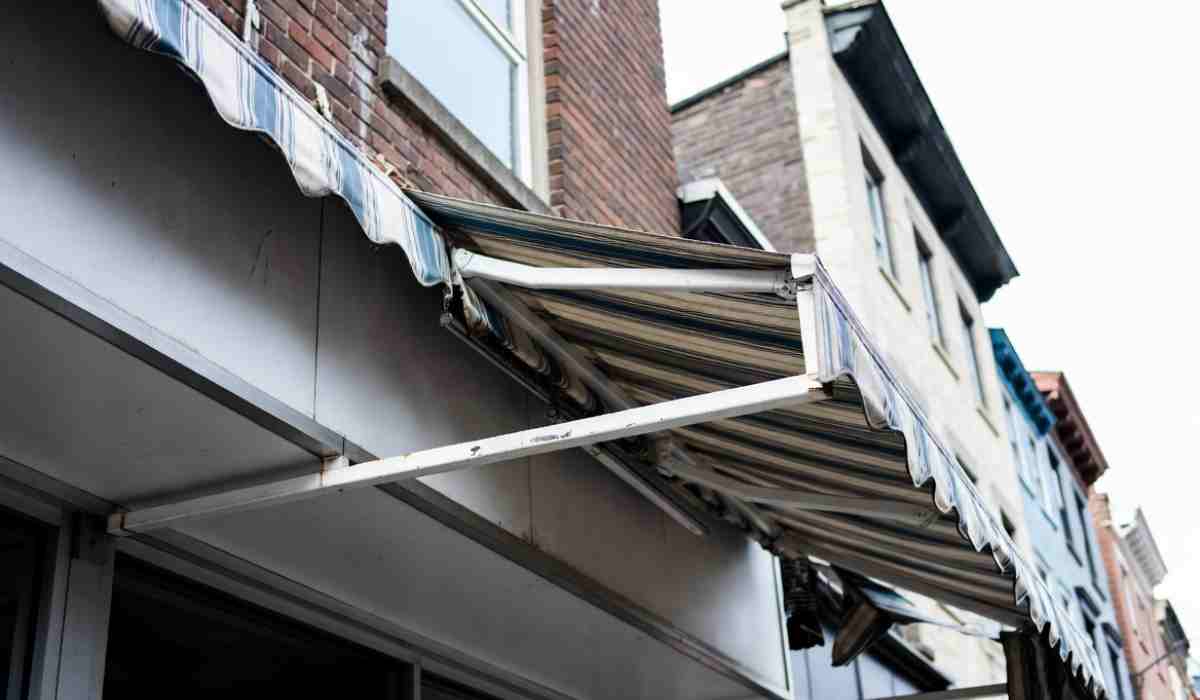
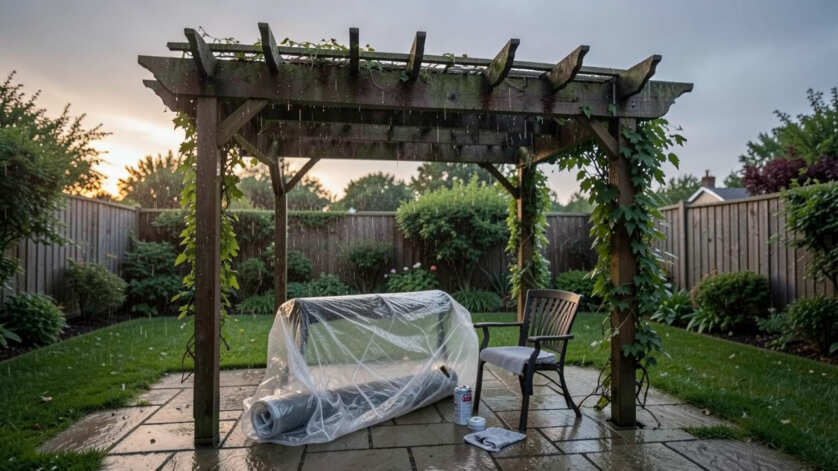
In areas with heavy snow or intense sun, you might consider temporary covers. These can be fabric or plastic and can be put on during harsh weather. Some people add retractable awnings that can be pulled out when needed and stored away.
This adds a layer of protection without being permanent.
Checking for Loose Parts
Periodically walk around and under your pergola. Check all bolts, screws, and connections. Tighten anything that has loosened over time.
This is especially important after strong winds or a heavy snow season. A little tightening can prevent bigger problems.
Frequently Asked Questions
Question: How does the sun damage a wooden pergola?
Answer: The sun’s heat can dry out wooden pergolas, causing them to crack and warp. UV rays also break down the wood fibers, leading to fading and weakening.
Question: What is the best material for a pergola in a windy area?
Answer: For windy areas, sturdy metal pergolas with strong anchoring are a good choice. Well-built wooden pergolas with solid posts and secure connections can also hold up well.
Question: Can rain cause rust on metal pergolas?
Answer: Yes, if the protective coating on a metal pergola is chipped or worn, rain can reach the metal and cause it to rust.
Question: How often should I seal a wooden pergola?
Answer: It’s usually recommended to reseal a wooden pergola every 2-3 years, or more often if it’s in a very exposed location with a lot of sun and rain.
Question: Does humidity affect pergolas made of vinyl?
Answer: High humidity can encourage mold and mildew growth on vinyl pergolas, which can cause staining. While vinyl doesn’t rot, keeping it clean helps prevent these issues.
Final Thoughts
Keeping your pergola looking great means thinking about the weather. The sun can fade and dry out materials. Rain and humidity can lead to rot and mold.
Wind can test the strength of the structure. Cold temperatures and ice can cause cracks. Even the unseen UV rays break things down over time.
Snow adds heavy weight. By picking the right materials, designing it well, and doing regular cleaning and sealing, you help your pergola stand up to the elements. Simple upkeep makes a big difference in how long your pergola lasts and how nice it looks.
Enjoy your outdoor space!