
Pressure washing can damage nine common home surfaces, including old wood, asphalt shingles, car paint, window screens, brick mortar, electrical boxes, and certain insulation types, because the high-pressure spray strips protective finishes, loosens mortar, forces water into vulnerable areas, and destroys softer materials. Avoiding these surfaces prevents costly repairs like rotted wood, roof leaks, shattered windows, or electrical hazards. For safe cleaning, use low-pressure rinsing, soft brushes, or specialized cleaning solutions instead.
Pressure washing can make your home look amazing, but you have to be careful. Some things can get damaged if the water is too strong. You might be wondering about 9 Surfaces You Should Never Pressure Wash.
Don’t worry! It sounds tricky, but we’ll show you exactly what to avoid. Let’s get started so you can clean smarter, not harder.
Key Takeaways
- You will learn which common household surfaces can be harmed by pressure washing.
- This guide will explain why pressure washing is bad for these specific surfaces.
- You will discover safe alternatives to pressure washing for cleaning these items.
- We will provide clear reasons to avoid pressure washing certain materials to prevent damage.
- This information will help you protect your home and belongings from harm.
Why Some Surfaces Need Gentle Cleaning
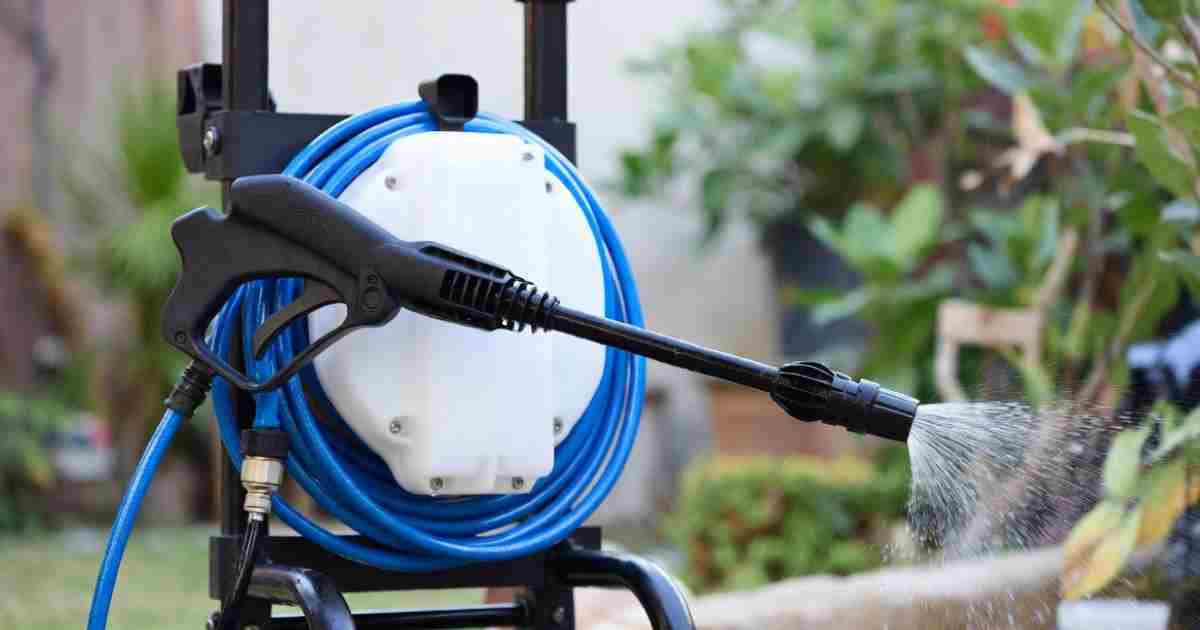
Pressure washers use a lot of force to blast away dirt and grime. This is great for tough jobs like cleaning concrete driveways or stubborn stains on siding. But, this strong spray can actually break down or damage softer materials.
For delicate surfaces, always start with a garden hose on a low setting before considering any pressure washer.
Think of it like using a fire hose to water a delicate flower; it just isn’t the right tool for the job. When you use too much pressure on the wrong surface, you can cause cracks, holes, or even strip away protective coatings. This can lead to costly repairs down the road.
Knowing what not to pressure wash is just as important as knowing how to use the machine safely.
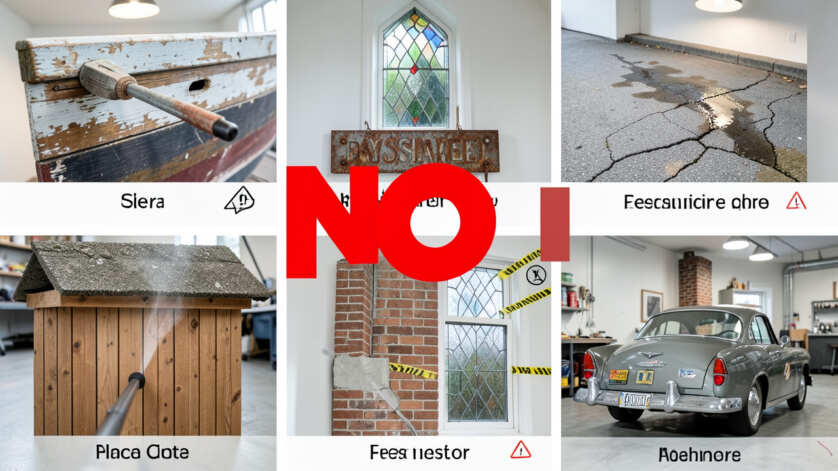
The 9 Surfaces You Should Never Pressure Wash
1. Old or Damaged Wood
Older wood, especially if it’s already showing signs of rot or has loose grains, is very sensitive to high pressure. The water can easily splinter the wood, widening cracks and making it even weaker. It can also force water deep into the wood, speeding up decay.
For old wood, a gentle scrub with a soft brush and a mild cleaning solution is a much safer bet. You can also consider using a garden hose on a low setting.
2. Asphalt Shingles on Your Roof
Roof shingles, particularly asphalt ones, have protective granules that keep them waterproof and durable. Pressure washing can blast these granules right off. Without them, the shingles become exposed to the sun and rain, which can shorten their lifespan significantly and lead to leaks.
Cleaning your roof is best left to professionals who use specialized, low-pressure techniques or soft washing methods.
3. Electrical Boxes and Outlets
This is a big safety hazard. Water and electricity do not mix! Spraying water into electrical boxes, outlets, or any exposed wiring can cause short circuits, damage the components, and create a serious risk of electric shock.
Always keep electrical components dry. If you need to clean around them, use a damp cloth and ensure everything is unplugged and turned off.
4. Car or Motorcycle Paint
While it might seem like a quick way to wash your car, pressure washing can damage the paint job. The high-pressure spray can chip away at the clear coat, lift decals, and even force water into seals around windows and doors. This can lead to rust or water damage inside your vehicle.
For your car, a good old-fashioned sponge bath with car wash soap and a garden hose is the way to go.
5. Screens (Window and Door)
Window and door screens are typically made of thin mesh material, often fiberglass or aluminum. High-pressure water can easily tear these delicate screens, creating holes that let bugs and debris through. They might look sturdy, but they’re quite fragile.
Pressure washing can completely strip old or failing paint and stain, leaving you with a patchy, uneven surface that requires refinishing.
The best way to clean screens is to gently brush them or use a soft cloth with soapy water, rinsing with a gentle stream from a garden hose.
6. Brick Mortar
The mortar between bricks is often softer than the bricks themselves. Pressure washing can erode or blast away this mortar, weakening the structure of your brickwork. Once the mortar is gone, water can get behind the bricks, leading to more damage.
For cleaning bricks, use a soft brush and a mild cleaner, or hire a professional for brick repointing if needed.
7. Certain types of Insulation
Some types of insulation, especially older or loose-fill varieties, can become compressed or waterlogged when pressure washed. This makes them less effective at insulating and can lead to mold growth and structural damage. Always check the type of insulation you have before attempting any cleaning near it.
Usually, insulation doesn’t need direct cleaning like an exterior wall.
8. Stained or Painted Surfaces (if the stain/paint is old or failing)
Similar to old wood, if the stain or paint on a surface is old, peeling, or not well-adhered, pressure washing can strip it away completely. You might end up with an uneven finish or damage the underlying material. For these surfaces, it’s better to test a small, inconspicuous area first or opt for a gentler cleaning method.
If you’re looking to remove old paint or stain, a specific stripper and scraper is usually more effective and less damaging than pressure washing.
9. Very Delicate Outdoor Furniture
While some sturdy patio furniture can handle a light rinse, many types are not built for high-pressure sprays. Wicker, rattan, some plastics, and fabric cushions can be easily damaged. The pressure can crack or splinter natural materials, tear fabrics, or even force water into cushions, leading to mold and mildew.
Check the manufacturer’s recommendations for your furniture. Often, a damp cloth, mild soap, and a gentle rinse are best.
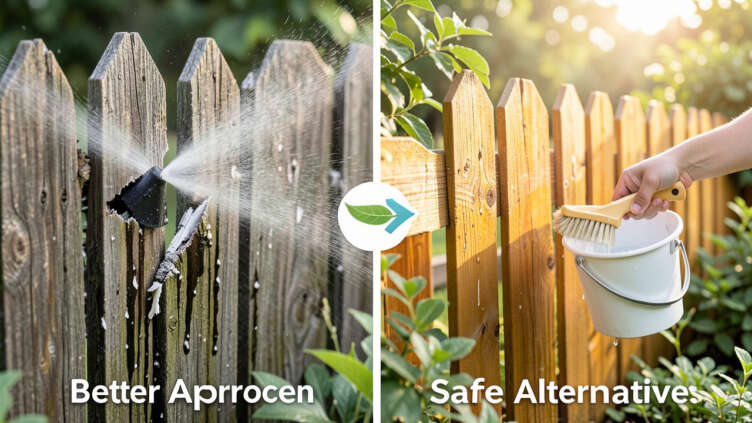
Safe Alternatives for Sensitive Surfaces
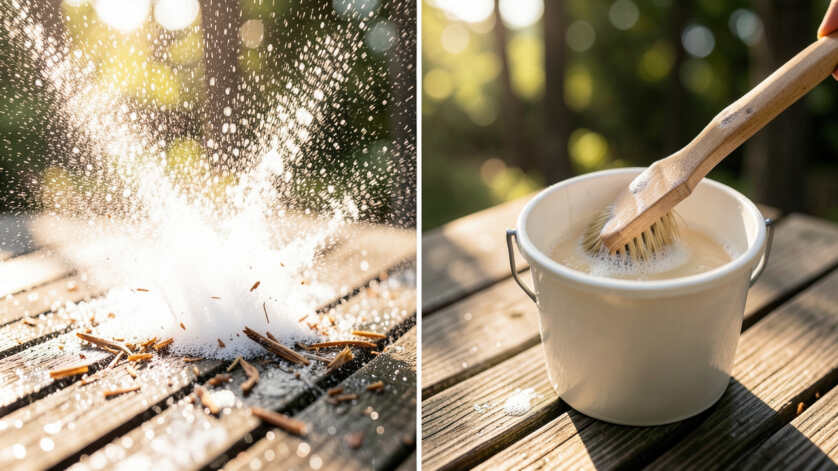
Now that you know what to avoid, let’s talk about what you can do. For most of the surfaces we’ve discussed, a simple approach is best. This usually involves a bucket of warm water mixed with a mild detergent like dish soap or a specialized cleaner for that material.
You’ll also need a soft brush or a sponge.
Start by applying the cleaning solution with your brush or sponge. Let it sit for a few minutes to loosen dirt. Then, gently scrub the surface.
The gentlest and most effective cleaner for sensitive surfaces is often just warm water, a mild detergent, and a soft brush.
Rinse thoroughly with a regular garden hose on a low-pressure setting. For areas that are hard to reach or need a bit more power, you can try a nozzle on your garden hose that creates a more concentrated spray, but always keep the distance between the nozzle and the surface.
For roofs, consider hiring a professional service that offers soft washing. Soft washing uses special cleaning solutions and very low water pressure to kill algae, mold, and mildew without damaging your shingles. For cars, stick to car wash soap and a soft mitt.
Remember, patience and the right tools are key to cleaning without causing damage.
Frequently Asked Questions
Question: Can I pressure wash my vinyl siding?
Answer: Yes, you can pressure wash vinyl siding, but you must use a low-pressure setting and keep the nozzle at least two feet away. Too much pressure can force water behind the siding and damage it.
Question: What should I do if I accidentally pressure washed a surface I shouldn’t have?
Answer: Inspect the surface carefully for any signs of damage. If you see cracks, splintering, or missing material, stop immediately. You may need to repair the damage or use a gentler cleaning method to fix any issues.
Question: Is it safe to pressure wash my patio furniture?
Answer: It depends on the material. Metal and some sturdy plastic furniture can often be cleaned with low pressure. However, wicker, rattan, and furniture with fabric cushions should be cleaned gently with soap and water and a soft brush.
Question: How can I clean my dirty deck without damaging the wood?
Answer: For wooden decks, use a specialized deck cleaner and a stiff brush. Rinse with a garden hose on a low-pressure setting. Avoid using high pressure, which can splinter the wood.
Question: What is the safest way to clean a concrete driveway?
Answer: Concrete driveways are generally durable enough for pressure washing. Use a moderate pressure setting and a wide-angle nozzle. Be sure to test a small area first, especially if the concrete is old or has sealants applied.
Final Thoughts
Knowing which surfaces to avoid pressure washing is really important for keeping your home in good shape. By sticking to gentle cleaning methods for things like old wood, roof shingles, and screens, you prevent costly damage. Always choose the right tool for the job.
A simple scrub brush and some mild soap will often do the trick. Protect your property by cleaning smart!