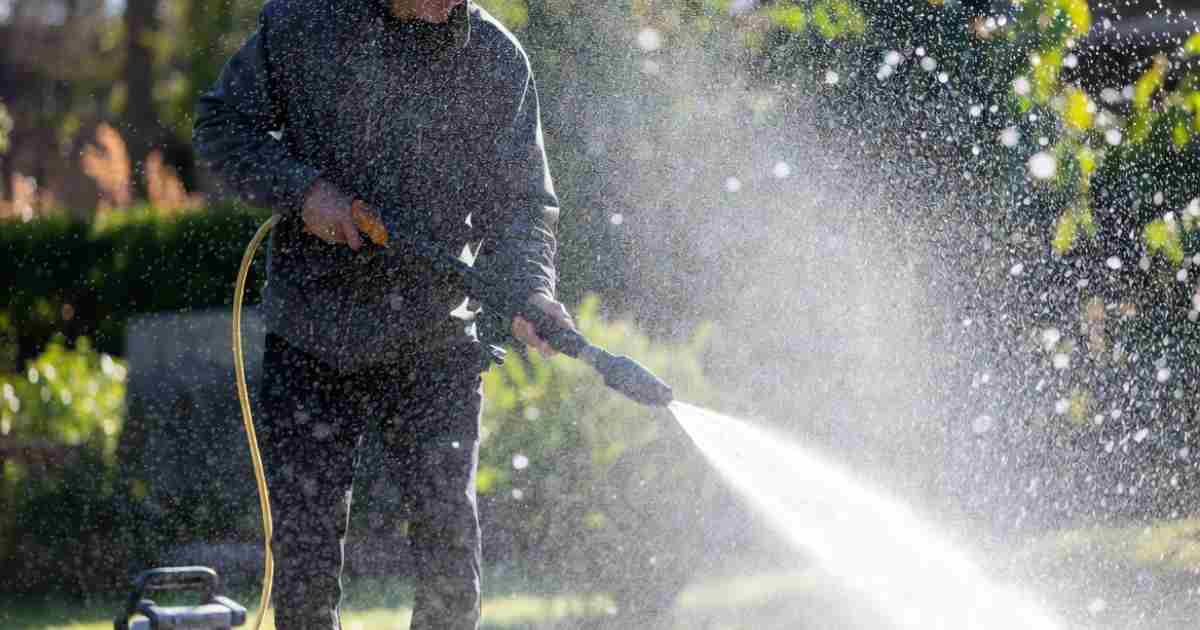

Pressure washers are commonly damaged by running them without water, using the wrong fuel, and failing to winterize them properly before cold weather. Other frequent issues include storing the unit dirty, using the wrong detergent, and letting it freeze, which can crack pumps and seals. Knowing these ten damaging practices allows owners to avoid costly repairs and extend the life of their pressure washer.
It’s easy to think of pressure washers as tough tools that can handle anything. But like any machine, they have their limits. Beginners often run into trouble because they don’t know the common mistakes that can break their pressure washer.
This guide will show you the 10 Things That Damage Pressure Washers so you can keep yours running smoothly. We’ll break it all down step-by-step, making it super simple to follow.
Key Takeaways
- You’ll learn what can hurt your pressure washer, like using the wrong fuel or not cleaning it.
- Discover why running it dry or using the wrong soap can cause big problems.
- Understand how storing it incorrectly can lead to damage over time.
- Find out how to protect your pressure washer from freezing.
- Learn simple ways to keep your machine in good shape for years.
What Can Harm Your Pressure Washer?
1. Running it Without Water
This is a big one. A pressure washer needs water to work. The water cools the pump and keeps things from overheating.
If you turn it on with no water, the pump can get very hot, very fast. This can cause seals to melt and internal parts to get damaged. Always make sure water is flowing through the pump before you start the engine or motor.
Check your garden hose is fully open and connected properly.
2. Using the Wrong Fuel
If your pressure washer has a gas engine, using the wrong kind of fuel is a fast way to cause trouble. Gas engines need clean gasoline. Don’t use old gas that has been sitting around for months, as it can go bad.
Also, never mix oil with gas unless your engine specifically calls for it (like a 2-stroke engine, though most pressure washers are 4-stroke and don’t need this). Using the wrong fuel can clog up the engine’s fuel system and cause it to run poorly or not at all.
3. Not Winterizing It Properly
When it gets cold, your pressure washer can get damaged by freezing water. Water expands when it freezes, and this expansion can crack the pump, hoses, or other parts. If you live in a place where it freezes, you must get all the water out of the machine before storing it for winter.
There are special products, called pump protectants or antifreeze, that you can run through the pump to prevent freezing.
4. Storing it Dirty
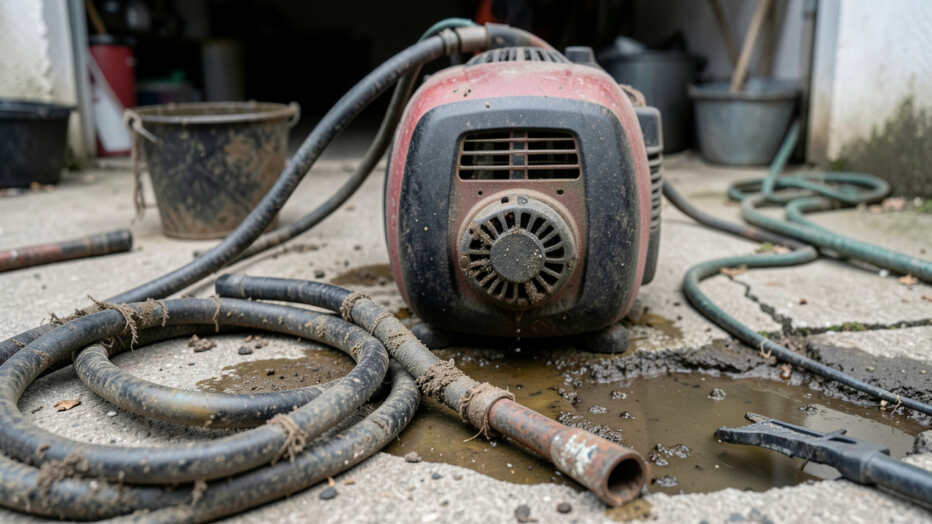
After you use your pressure washer, it’s important to clean it. If you leave dirt, mud, or debris on the machine, it can cause corrosion or block important parts. Wipe down the exterior.
Make sure the filter on the water inlet is clean. If you’ve been using it with soap, rinse the soap tank and the soap nozzle. A clean machine is a happy machine that lasts longer.
5. Using the Wrong Detergent
Pressure washers often have a way to use special cleaning solutions. However, you can’t just use any cleaner. You need to use detergents made for pressure washers.
Always clean your pressure washer thoroughly after each use and store it in a dry location to prevent debris buildup and corrosion that can shorten its lifespan.
Some cleaners are too harsh and can damage the pump, seals, or even the surface you are cleaning. Always check the label to make sure it’s safe for pressure washers and the material you’re cleaning.
6. Clogged Filters
Most pressure washers have filters to keep dirt and debris from getting into the pump. The main filter is usually on the water inlet. If this filter gets clogged, it can stop water from flowing properly.
This can cause the pump to work harder and overheat. Regularly check and clean this filter. Some machines also have a filter for the detergent line; keep that clean too.
7. Using the Wrong Nozzle
Pressure washer nozzles control the spray pattern and pressure. Using a nozzle that’s too small for the machine can create too much pressure. This can overload the pump and engine, leading to damage.
On the other hand, a nozzle that’s too wide might not clean effectively and could lead you to try and force more pressure than needed. Always check your pressure washer’s manual for recommended nozzle sizes for your machine’s power.
8. Letting it Freeze
We talked about winterizing, but it’s worth repeating. Even if you don’t store it for winter, if the temperature drops below freezing while the machine has water in it, you risk damage. If you think there’s a chance of freezing temperatures, drain the water from the pump and hoses.
This simple step can save you from costly repairs.
9. Kinking the High-Pressure Hose
The high-pressure hose is built to withstand a lot, but it can still be damaged. If you bend or kink the hose sharply, especially when the machine is running, you can damage the internal layers. This can cause the hose to weaken and eventually burst.
Always unroll the hose fully and avoid sharp bends when using or storing it.
10. Ignoring Maintenance
Like any tool, pressure washers need regular care. This includes checking the oil level in gas engines, cleaning filters, and inspecting hoses and connections. Skipping these simple maintenance tasks can lead to small problems becoming big ones.
Following the manufacturer’s maintenance schedule in the manual is key to a long-lasting machine.
Frequently Asked Questions
Question: What is the most common way beginners damage their pressure washer?
Answer: Running the pressure washer without any water flowing through it is a very common mistake that can quickly damage the pump.
Question: Can I use regular soap to clean with my pressure washer?
Answer: No, you should only use cleaning solutions specifically made for pressure washers, as other soaps can be too harsh and damage the pump or seals.
Question: How do I stop my pressure washer from freezing in the winter?
Answer: You need to drain all the water out of the pump and hoses. Using a pump protectant or antifreeze designed for pressure washers is also highly recommended before storing it.
Question: What happens if I use the wrong nozzle?
Answer: Using a nozzle that’s too small can create excessive pressure, which can strain and damage the pump and engine. A nozzle that’s too wide might not clean well, leading you to try and force the machine.
Question: Is it okay to leave my pressure washer outside in the rain?
Answer: It’s best to store your pressure washer in a dry place like a shed or garage. Leaving it out in the rain can lead to rust and damage, especially to the engine components if it’s a gas model.
Final Thoughts
Keeping your pressure washer in good shape is all about simple habits. You’ve learned about the 10 Things That Damage Pressure Washers, from running it dry to freezing it. Following these tips means your machine will last much longer.
Take care of your pressure washer, and it will take care of your cleaning jobs for a long time. It’s that straightforward.