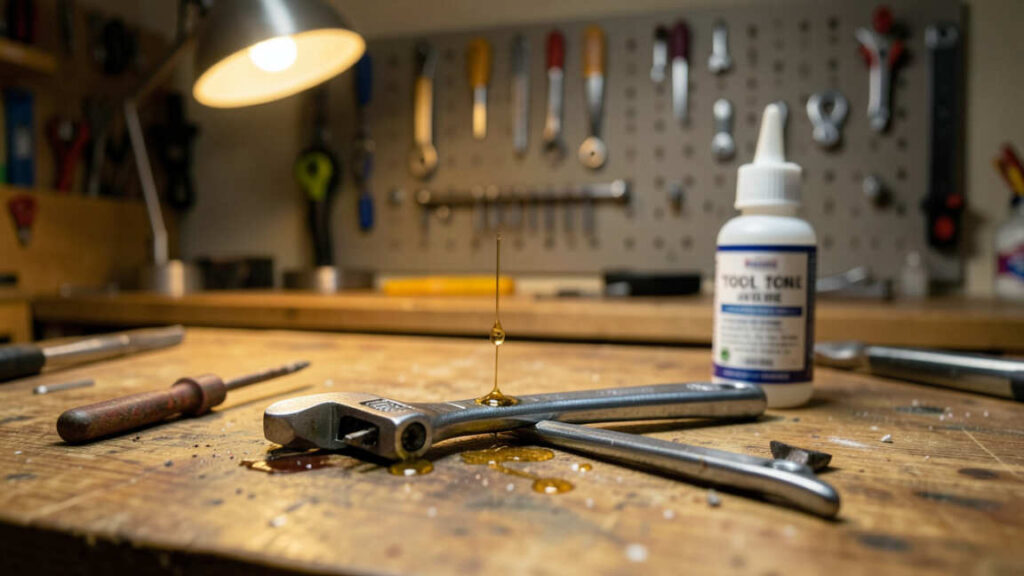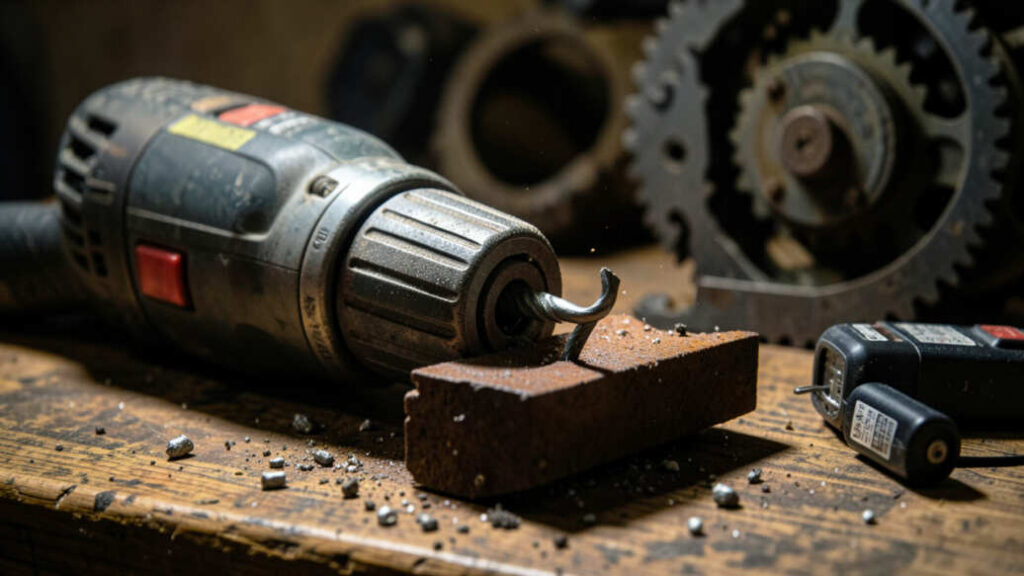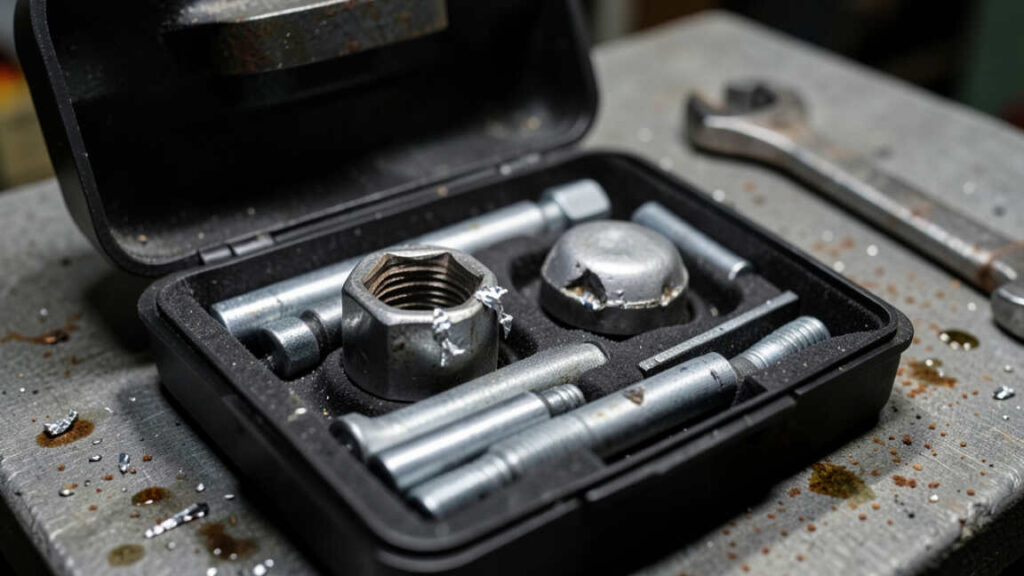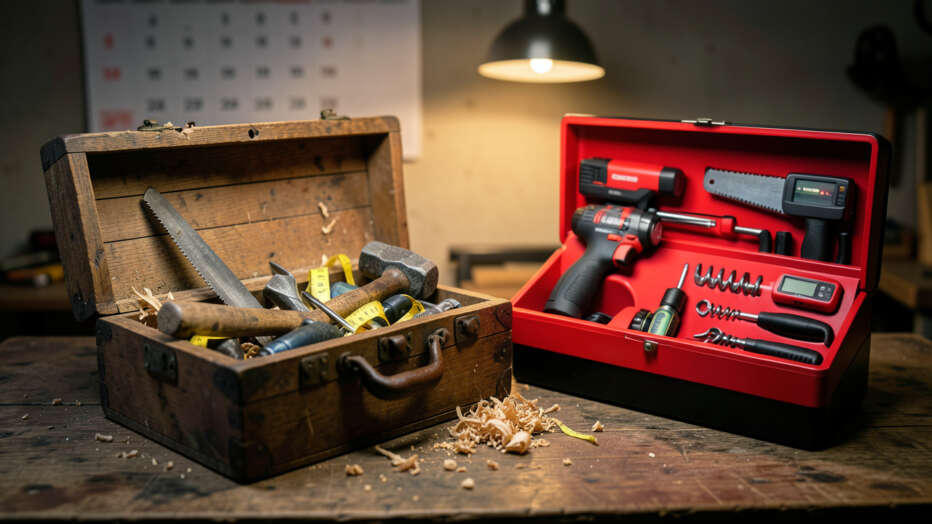

It is time to replace your tool box when you notice rust and corrosion, broken latches and hinges, a warped or cracked frame, or excessive wear that makes repair costlier than replacement. Other signs include portability problems, disorganized interior, and outdated locking mechanisms that compromise safety and efficiency. Upgrading at these signs prevents tool damage, improves security, and restores productivity by ensuring a sturdy, organized, and portable storage solution.
Replacing your tool box at the right time prevents accidents and keeps your tools organized and secure. This guide covers seven unmistakable signs that your current tool box needs to be replaced for good.
Simply put, if your tool box has visible rust, broken latches, structural cracks, or is simply too heavy to carry, it’s time for a replacement. Upgrading now improves safety, organization, and productivity.
Key Takeaways
- Replacing your tool box when rust or cracks appear prevents tool damage and safety hazards.
- Broken latches and hinges compromise security and can lead to lost or damaged tools.
- A disorganized or oversized tool box reduces efficiency and makes your work harder than it needs to be.
- Tool box replacement is often more cost-effective than repairing an old, worn-out unit.
1. Rust and Corrosion – When Your Tool Box Looks Worse for Wear
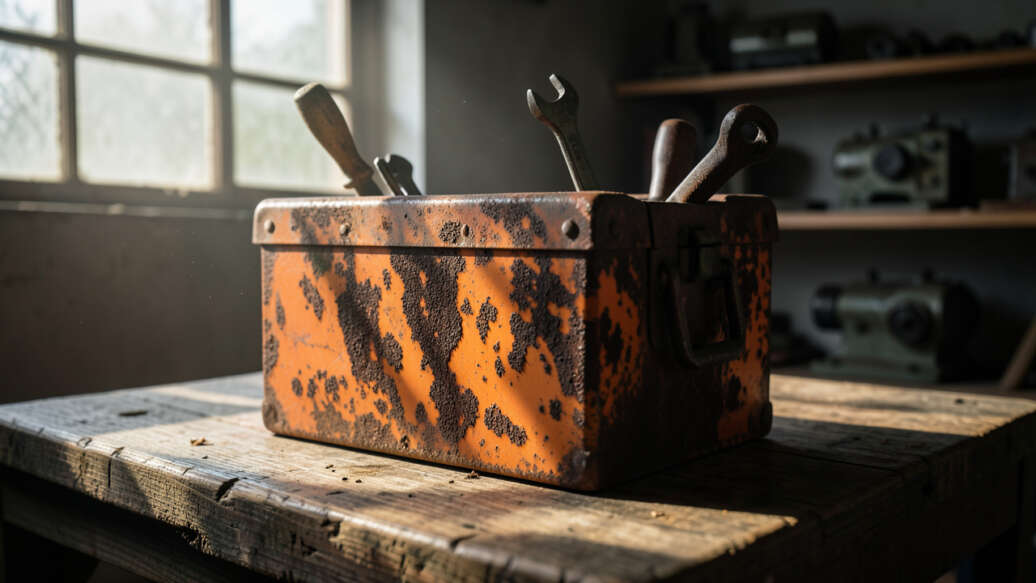
Rust and corrosion are among the most obvious signs that your tool box has seen better days. When moisture seeps into the metal or plastic components, it breaks down the material from the inside out. Over time, this weakens the structural integrity of the entire unit.
Surface rust might seem like a cosmetic issue, but it often points to deeper problems. Rust can transfer to your tools, causing them to corrode as well. This is especially damaging for precision tools like wrenches, screwdrivers, and measuring equipment.
- Visible rust spots on the exterior or interior surfaces of the box
- Corroded hinges and latches that become stiff or difficult to operate
- Rust transfer from the box to your tools, causing damage over time
- Weak spots where rust has eaten through the material
- Discoloration and flaking paint that exposes bare metal to air and moisture
- Interior rust that damages tool organizers and dividers
- Structural weakening that makes the box unsafe to carry or stack
A study by the American Society of Mechanical Engineers reports that corrosion costs the U.S. economy over $276 billion annually, with a significant portion attributed to storage equipment failure. That translates to real costs for professionals and DIYers alike.
| Type of Rust | Severity | Action Needed |
|---|---|---|
| Surface rust | Mild | Clean and apply rust inhibitor |
| Penetrating rust | Moderate | Replace affected components or the entire box |
| Structural corrosion | Severe | Immediate replacement required |
If you notice rust on more than 30% of your tool box surfaces, or if the rust has created holes or weak spots, it’s time to replace the unit entirely. Trying to repair extensive corrosion is rarely worth the effort or expense.
Warning: Never use a rusted tool box to store electrical tools or equipment. Rust can create conductive pathways that increase the risk of short circuits or electric shock.
2. Broken Latches and Hinges – A Security Risk You Can’t Ignore
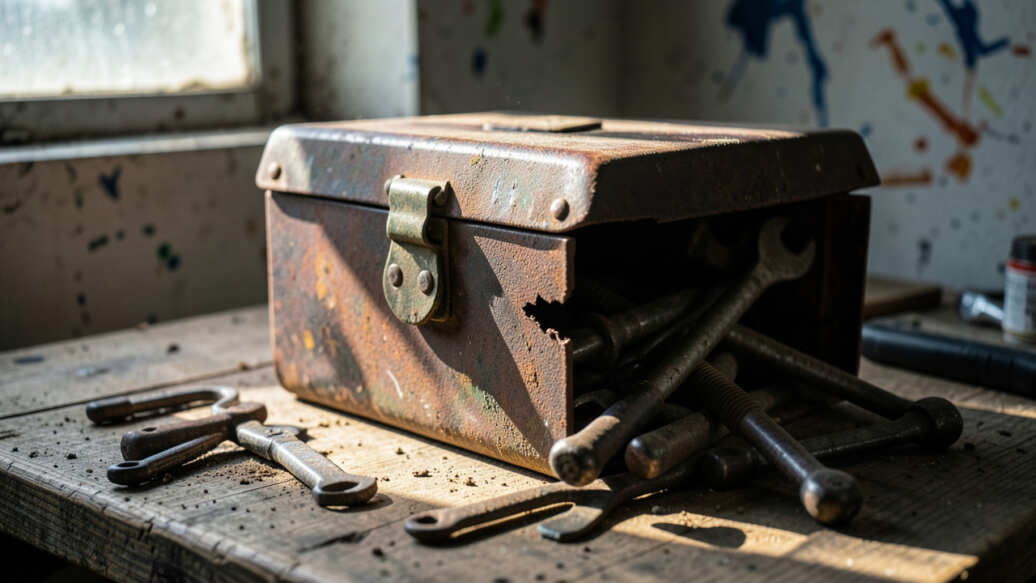
Latches and hinges are the most heavily used parts of any tool box. They take the most abuse and are often the first components to fail. When a latch breaks, your tools are no longer secure.
When a hinge fails, the lid or drawer can fall off entirely.
A broken latch means your box might pop open unexpectedly, spilling tools onto the floor or onto your feet. This is not just an inconvenience, it’s a safety hazard. Heavy tools dropping from height can cause serious injuries.
- Latch failure – the lid no longer stays closed during transport
- Hinge damage – the lid wobbles or doesn’t align properly
- Stuck mechanisms – latches that are hard to open or close
- Missing hardware – screws, pins, or springs that have fallen out
- Uneven closure – the lid sits crooked, leaving gaps for dust and moisture
- Drawer issues – slides that stick or fail to stay shut
Replacing individual latches or hinges is sometimes possible, but it’s often not worth the effort. Most tool boxes use proprietary hardware that is difficult to source. Even if you find replacements, the surrounding material may be worn or weakened.
- Check each latch for cracks or deformation in the plastic or metal.
- Test the hinge pins for looseness or rust that prevents smooth motion.
- Inspect the mounting points where screws attach to the box body.
According to the National Safety Council, approximately 12,000 tool-related injuries occur annually in home workshops alone, with a notable percentage linked to failing storage equipment. A broken latch is a clear signal that your box no longer meets basic safety standards.
3. Warped or Cracked Frame – Structural Damage That Compromises Safety
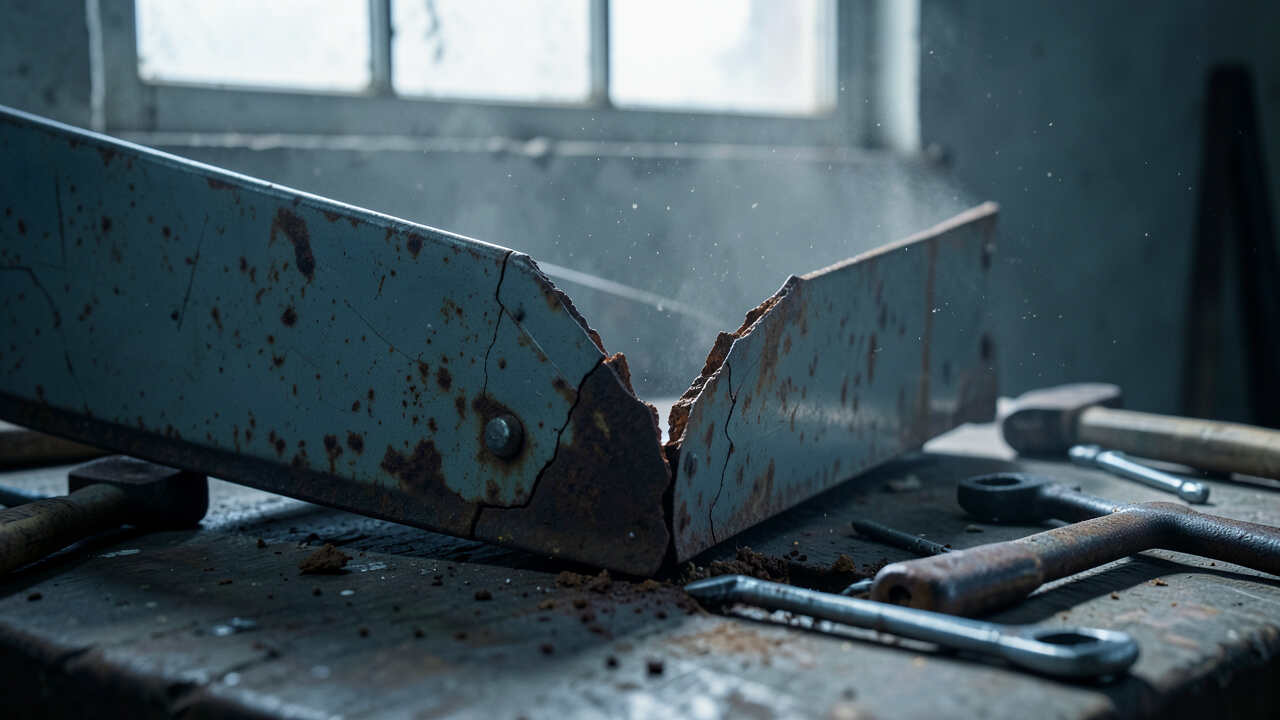
A warped or cracked frame is a clear sign that your tool box has reached the end of its lifespan. Plastic boxes can warp from exposure to heat or heavy loads. Metal boxes can crack from impact or metal fatigue over years of use.
Structural damage makes the box unstable when stacked or carried. This creates a risk of collapse, which can damage expensive tools and cause injuries. A box with a cracked frame is no longer reliable for daily use.
- Visual inspection – Check all corners, edges, and load-bearing points for cracks or distortion.
- Load test – Fill the box with your heaviest tools and check for sagging or bending.
- Stack test – If you stack multiple boxes, check if they sit level and stable.
- Handle test – Lift the box by the handle and check if the frame flexes or twists.
- Warpage check – Place the box on a flat surface and see if it rocks or wobbles.
The Occupational Safety and Health Administration (OSHA) reports that improper storage equipment contributes to roughly 15% of workplace injuries related to tool handling. A cracked tool box is a liability you don’t need, whether at a job site or in your garage.
Important: Never attempt to repair a cracked plastic frame with glue or tape. These fixes fail under stress and can give way when the box is fully loaded, causing tools to spill and break.
4. Portability Problems – When Your Tool Box Is Too Heavy or Bulky
A tool box should make your work easier, not harder. If your box is so heavy that you struggle to carry it, or so bulky that it doesn’t fit in your workspace, it’s time to reconsider. Portability is a key factor in tool box usability.
Modern tool boxes are designed with ergonomics in mind. They feature comfortable grips, balanced weight distribution, and wheels for easy transport. If your current box lacks these features, you’re working harder than necessary.
- Excessive weight – the empty box itself weighs too much to carry comfortably
- Poor handle design – handles that dig into your hands or are awkward to grip
- No wheels – lack of rolling capability for heavy loads
- Wrong size – too large for your storage space or too small for your tools
- Balance issues – the box tips or shifts awkwardly when carried
- Difficult access – you have to bend or stretch uncomfortably to reach tools
| Feature | Old Box | Modern Replacement |
|---|---|---|
| Handle | Basic plastic or metal | Ergonomic, padded, telescoping |
| Mobility | Carry only | Rolling wheels plus carry option |
| Weight distribution | Uneven, tippy | Balanced, stable |
A recent survey by the National Association of Home Builders found that 73% of tradespeople cite portability as their top priority when selecting a new tool box. If your current box doesn’t travel well, you’re wasting time and energy on every job.
Tip: Look for tool boxes with telescoping handles and all-terrain wheels if you frequently move between job sites. These features reduce strain and improve mobility significantly.
5. Disorganized Interior – Storage Inefficiency That Slows You Down
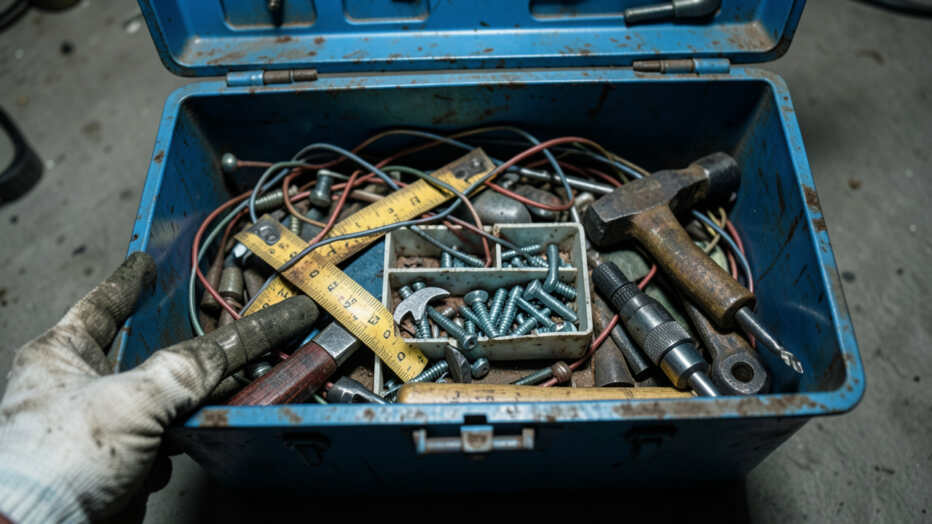
An organized tool box saves you time and frustration. If your current box has no dividers, trays, or compartments, you’re spending too much time digging for the right tool. A messy interior also increases the risk of tools banging together and getting damaged.
Modern tool boxes offer customizable storage solutions. Removable dividers, modular trays, and deep drawers allow you to organize tools by type, size, or frequency of use. If your box lacks these features, you’re not working at peak efficiency.
- No dividers – all tools pile together in one large space
- Fixed trays – you can’t reconfigure the layout for your needs
- Shallow depth – larger tools don’t fit properly
- Poor visibility – you can’t see what’s inside without emptying everything
- Wasted space – awkward shapes that don’t use the full volume
- Outdated design – no slots for modern tools like impact drivers or oscillating tools
According to a time-motion study published in the Journal of Construction Engineering and Management, workers waste an average of 12 minutes per shift searching for misplaced tools. Over a year, that adds up to over 50 hours of lost productivity simply due to poor organization.
Important: A well-organized tool box can save you up to 30 minutes per day in search time. Over a year, that adds up to over 120 hours of lost productivity. Investing in a properly organized box pays for itself quickly.
6. Outdated Locking Mechanism – Safety Concerns for Your Tools
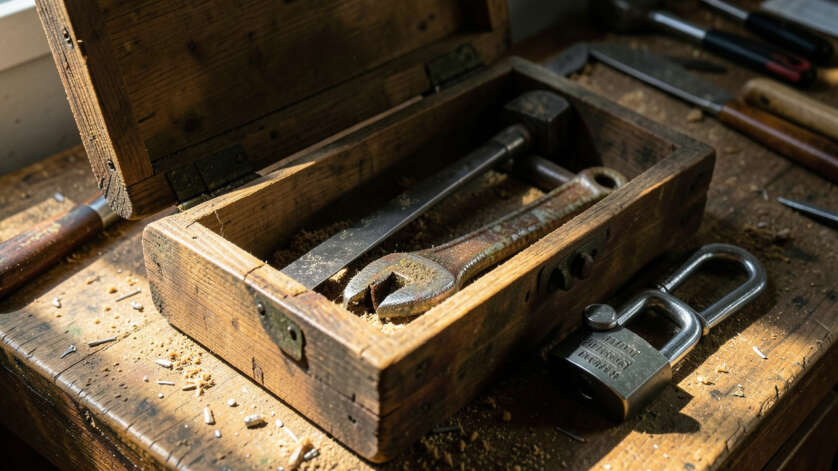
Security matters, especially if you carry expensive tools or work on job sites where theft is a concern. An outdated locking mechanism puts your tools at risk. Old-style latch systems are easy to pry open or can fail spontaneously.
Modern tool boxes offer integrated locking systems that provide real security. Some even offer keyed-alike systems so you can use one key for multiple boxes. If your current box uses a simple clip or buckle, it’s not providing adequate protection.
- Pry test – Can you open the latch with a screwdriver or pry bar?
- Spontaneous opening – Does the box pop open when you carry it by the handle?
- Key issues – Have you lost the key? Is the lock rusted or stuck?
- Wear and tear – Are the locking tabs worn down so they no longer engage fully?
- Security level – Does the lock meet your current security needs?
If you answered yes to any of these questions, your locking mechanism is no longer adequate. Upgrading to a box with a robust locking system protects your investment and gives you peace of mind.
| Lock Type | Security Level | Best For |
|---|---|---|
| Clip or buckle | Low | Light home use only |
| Key lock | Medium | Job sites and garages |
| Combination or padlock-ready | High | Professional and high-value tools |
Professional tool theft is a growing concern in the construction industry. The Equipment Theft Prevention Program reports that over $1 billion in tools and equipment are stolen from job sites each year. A sturdy lock is your first line of defense.
7. Excessive Wear and Tear – When Repair Costs Exceed Replacement
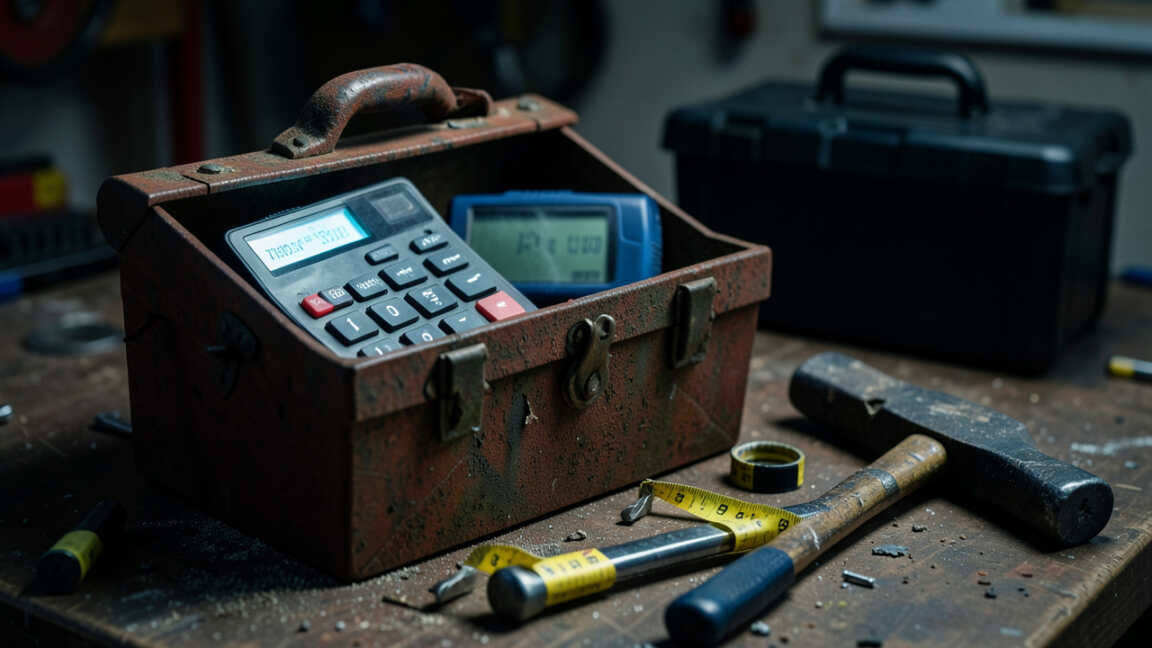
Every tool box wears out eventually. After years of use, the cumulative damage becomes too great to justify repairs. If you’re constantly fixing broken parts, patching holes, or dealing with issues, it’s more cost-effective to buy new.
A good rule of thumb: if the cost of repairs exceeds 50% of the price of a comparable new box, replace it. Also consider the time and frustration of ongoing maintenance. Your time is valuable.
- Frequent repairs – you’re fixing something on the box every month
- Patched damage – tape, glue, or makeshift fixes that don’t hold
- Missing parts – pieces that broke off and can’t be replaced
- Overall instability – the box feels flimsy or loose
- Aesthetic decline – the box looks worn, faded, or unprofessional
- Reduced functionality – features that used to work but no longer do
| Age of Box | Typical Condition | Recommendation |
|---|---|---|
| 1-3 years | Good to excellent | Keep and maintain |
| 4-7 years | Noticeable wear | Consider replacement |
| 8+ years | Significant deterioration | Replace immediately |
Tip: When you decide to replace your tool box, look for one with a manufacturer warranty of at least 3-5 years. This protects your investment and indicates higher build quality.
Frequently Asked Questions
How often should I replace my tool box?
Most tool boxes last 5 to 10 years with regular use. Plastic boxes may need replacement sooner, while heavy-duty metal boxes can last longer. Inspect your box annually for signs of rust, cracks, or broken hardware.
Is it worth repairing a broken tool box?
Minor repairs like replacing a handle or latch can be worth it if the box is otherwise in good condition. However, if the frame is cracked, rusted, or warped, replacement is more cost-effective than repair.
What is the best material for a long-lasting tool box?
Heavy-gauge steel offers the best durability and security. High-impact polypropylene is a good lightweight alternative that resists rust. Aluminum boxes are lightweight but can dent more easily under heavy loads.
How do I know if my tool box is too heavy to use safely?
If you struggle to lift the box, feel strain in your back or shoulders when carrying it, or if the handle digs into your hands, it’s too heavy. OSHA recommends that tool boxes should not exceed 50 pounds for manual carrying by a single person.
Can a disorganized tool box damage my tools?
Yes. Tools banging together can become dull, chipped, or misaligned. Moisture trapped in a cluttered box can cause rust.
Proper organization with dividers and compartments prevents tool-on-tool damage and extends the life of your equipment.
Final Thoughts
Replacing your tool box at the right time keeps your tools safe, organized, and portable. Watch for rust, broken hardware, structural damage, and excessive wear. Upgrade to a modern box with better organization and security features.
A good tool box is an investment in your productivity and safety.