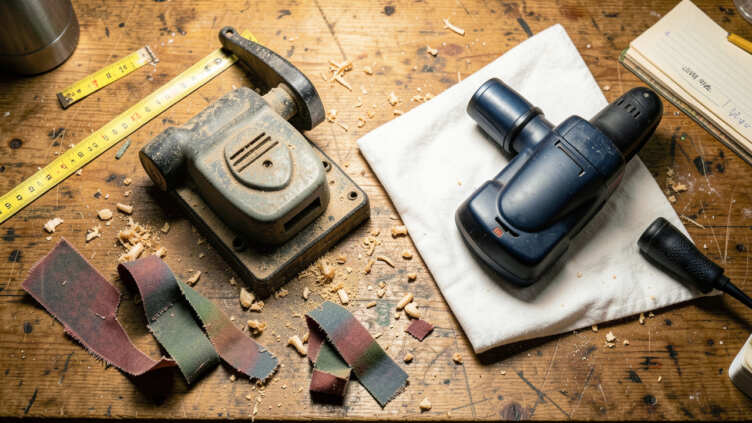

In a busy home workshop, you should replace your belt sander every 3 to 5 years, or sooner if you notice bearing noise, uneven sanding, or a loss of power. Routine cleaning and proper belt tension can extend its lifespan by one to two years, but safety and performance must take priority over delaying replacement. The practical takeaway is that waiting too long risks inefficient work and potential injury, so replacing a worn sander is almost always more cost-effective than repairing a failed motor or bearings.
Knowing when to replace your belt sander is crucial for maintaining efficiency and safety in a busy home workshop. In this guide we’ll break down the signs of wear, expected lifespan, and factors that affect longevity so you can make an informed decision.
Simply put, replace your belt sander every 3–5 years under heavy home use, or sooner if you notice bearing noise, uneven sanding, or loss of power. Routine maintenance can extend that window, but safety and performance should always come first.
Key Takeaways
- Replace your belt sander every 3–5 years in a busy home workshop; light users may get 7–10 years.
- Key signs of failure include excessive vibration, burning smells, and uneven belt tracking.
- Regular cleaning and proper belt tension can add 1–2 years to your sander’s life.
- Always consider repair costs vs. replacement – if the motor or bearings fail, a new unit is usually more cost-effective.
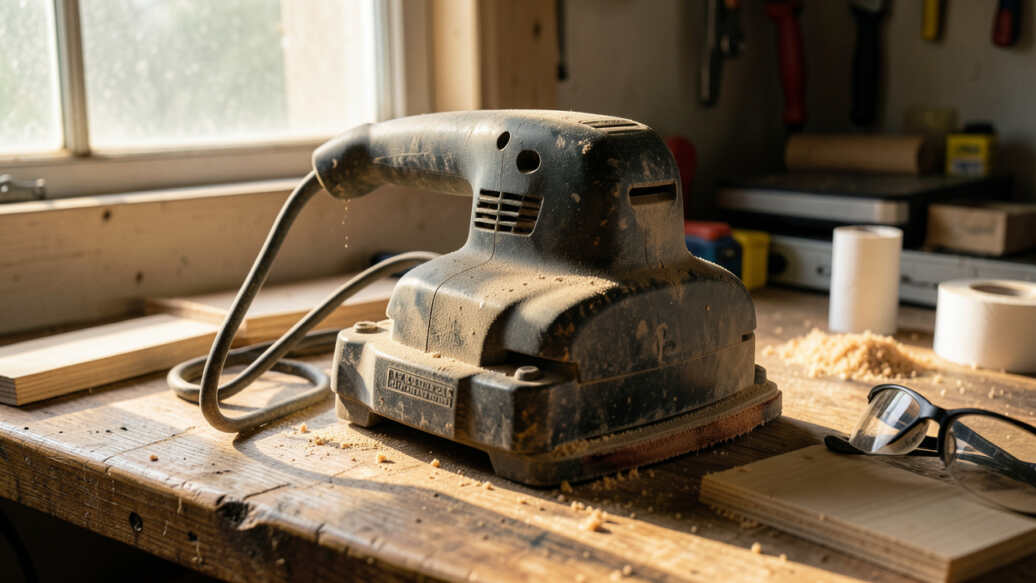
What Is the Typical Lifespan of a Belt Sander?
The average belt sander used in a busy home environment lasts between 3 and 5 years. This estimate assumes regular weekly use of 2–4 hours at a time. Light users who only sand occasional furniture or floors can expect 7–10 years from a quality brand.
Lifespan depends heavily on build quality. Consumer-grade models from brands like Black & Decker or Skil tend to wear faster than pro-sumer units from Bosch, Makita, or DeWalt. The motor, bearings, and belt tracking mechanism are the first components to degrade.
To give you a clearer picture, here’s a breakdown of estimated lifespan by usage category:
| Usage Level | Hours per Week | Typical Lifespan |
|---|---|---|
| Light home use | 1–2 | 7–10 years |
| Moderate home use | 3–5 | 4–6 years |
| Heavy / busy home workshop | 6–10 | 3–5 years |
| Commercial / daily use | 10+ | 1–3 years |
This table shows that the answer to “How often should you replace your belt sander?” is not one-size-fits-all. Track your actual run time to gauge where you fall.
How to Tell When Your Belt Sander Needs Replacement
You don’t need to wait for a specific number of years. Your belt sander will give you clear signals that it’s time to consider a new unit. Ignoring these signs can lead to poor sanding results and even safety hazards.
Here are the most common indicators that replace your belt sander is the right move:
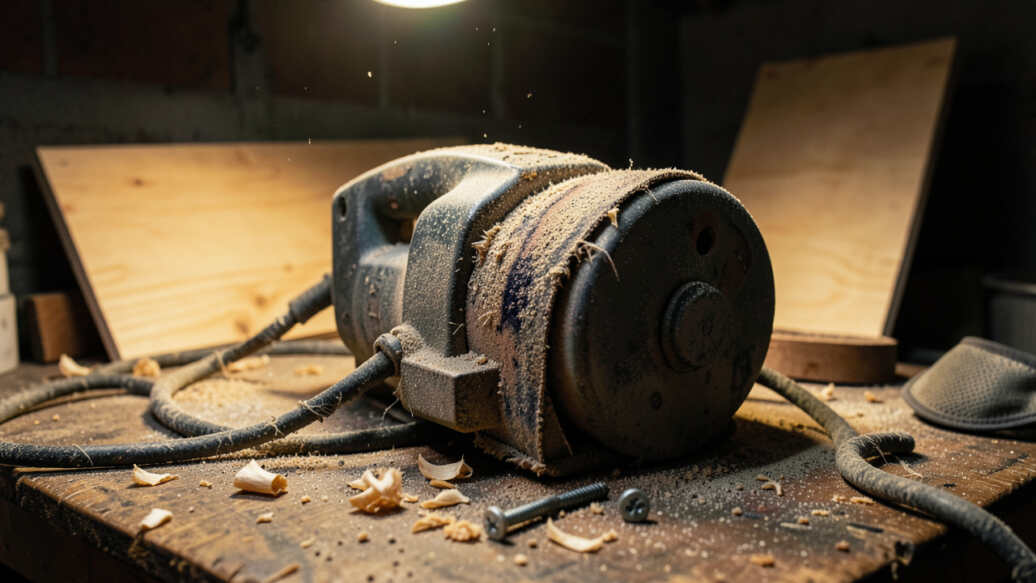
- Excessive vibration – Even with a balanced belt, the sander shakes in your hands. This often means worn bearings or an out-of-round drive roller.
- Burning smell – A constant burning odor during use, even with a fresh belt, indicates the motor brushes or windings are overheating.
- Uneven sanding – The belt drifts to one side or the platen becomes warped, causing dips and gouges in the workpiece.
- Loss of power – The motor struggles to maintain RPM under load, or starts going slower after only a few minutes.
- Loud grinding noise – Metallic scraping or grinding sounds from the gearbox or bearings signal internal damage.
- Frequent belt breakage – If belts snap prematurely even with correct tension and clean surfaces, the tracking mechanism or rollers are misaligned.
Warning: A belt sander that throws sparks or produces smoke should be unplugged immediately. Do not attempt to use it again. Replace it right away.
If you notice two or more of these symptoms at once, it’s usually more economical to buy a new sander than to repair the old one. Repair costs for a motor or bearing replacement often exceed half the price of a new unit.
What Factors Affect Belt Sander Longevity?
Understanding why belt sanders wear out helps you both predict replacement time and take steps to extend it. Several variables come into play, and some are within your control.
The three biggest factors are build quality, usage habits, and maintenance. Let’s break them down:
| Factor | Impact on Lifespan | What You Can Do |
|---|---|---|
| Motor quality | High – better copper windings and sealed bearings last longer | Choose brands like Bosch, Makita, or Festool |
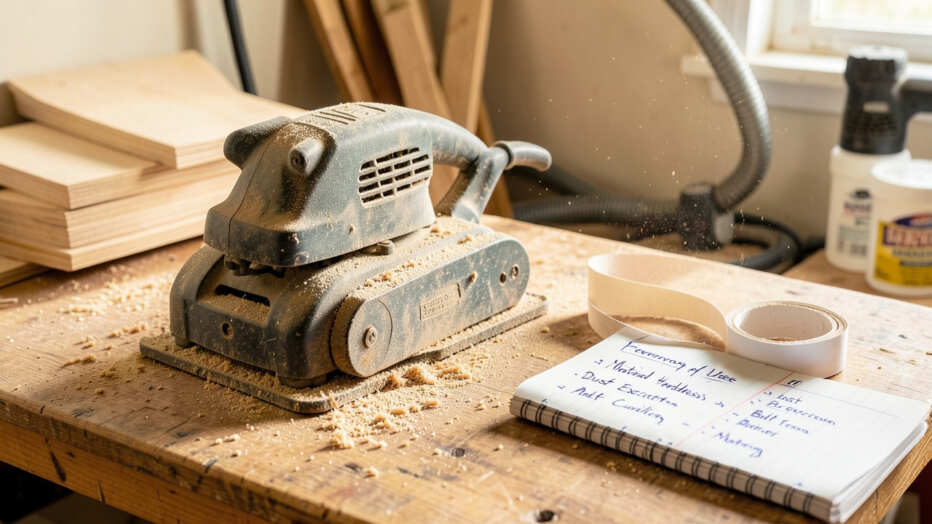
| Dust collection | Medium – dust clogs vents and wears bearings | Attach a shop vac, clean dust port after each session |
| Belt tension and tracking | High – improper tension accelerates wear on rollers | Follow manual adjustment and check tracking often |
| Storage conditions | Medium – moisture rusts components | Store in dry room, use dehumidifier if humid |
| Frequency of use | High – more hours = more wear | Take breaks to cool motor, avoid running for 30+ minutes continuously |
According to a survey by Fine Woodworking magazine, 46% of belt sander failures are due to motor burnout from overheating, while 33% are bearing-related. Proper maintenance can reduce these numbers dramatically.
Additionally, the type of material you sand matters. Sanding metal or painted surfaces creates more friction and heat than wood, shortening the life of both belts and the sander itself. If you frequently sand metal, expect to replace your belt sander sooner – around 2–3 years for heavy use.
How to Extend the Life of Your Belt Sander
You can get more years out of your belt sander without spending much money. A few disciplined habits go a long way. Below is a numbered list of actions you should take regularly:
- Clean the dust port and housing after every session – Use a compressed air can or vacuum to remove sawdust from vents and bearings. Clogged air intake causes overheating.
- Check and adjust belt tension before each use – A loose belt slips and wears the drive roller. A too-tight belt stresses bearings. Follow the manual’s tension setting (usually a click or spring-lock).
- Replace belts when they show excessive wear – A worn belt not only sands poorly but also loads the motor and can throw the tracking off. Swap belts after 30–60 minutes of heavy use.
- Lubricate bearings annually – Apply a drop of light machine oil to sealed bearing points (if accessible). Some sanders have sealed bearings that don’t need lubrication – check manual.
- Inspect the power cord and switch – Frayed cords and faulty switches cause shorts. Replace cord or switch early to prevent motor damage.
- Store in a dry case or on a shelf – Humidity rusts the platen and roller surfaces. If you live in a humid climate, consider a silica gel pack inside the storage box.
Tip: Keep a log of total run time. Many home shop users are surprised how fast hours add up. When you hit 200–300 hours, it’s time to start budgeting for a replacement.
Following these steps can add 1–2 years to the life of your sander. In a busy home, that could mean replacing every 5 years instead of 3, saving you both money and hassle.
Should You Replace or Repair a Worn Belt Sander?
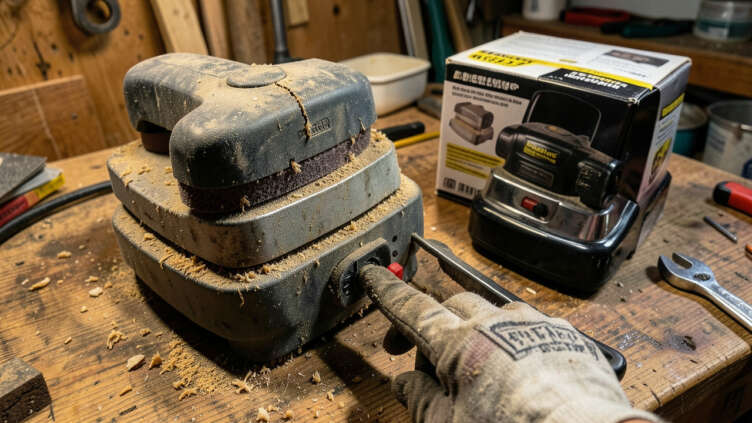
When your belt sander starts showing problems, you have a decision to make: fix it or buy new. The right choice depends on the cost of repair versus the price of a new model, and the age of your machine.
Here’s a simple rule: if the repair cost exceeds 50% of a new unit’s price, replace. For example, replacing a motor on a $120 sander might cost $70–$90 for parts and labor – that’s not worth it. But if you own a $500 Festool, a $120 bearing replacement could be justified.
Common repair costs and thresholds:
| Component | Typical Repair Cost | Worth Repairing? |
|---|---|---|
| Motor brushes (replace) | $10–$20 | Yes, simple DIY |
| Bearing replacement | $15–$30 | Yes if DIY; labor can double cost |
| Motor replacement | $50–$100 | No for budget sanders; maybe for high-end |
| Platen / tracking assembly | $30–$60 | Rarely worth it – often damage is mechanical |
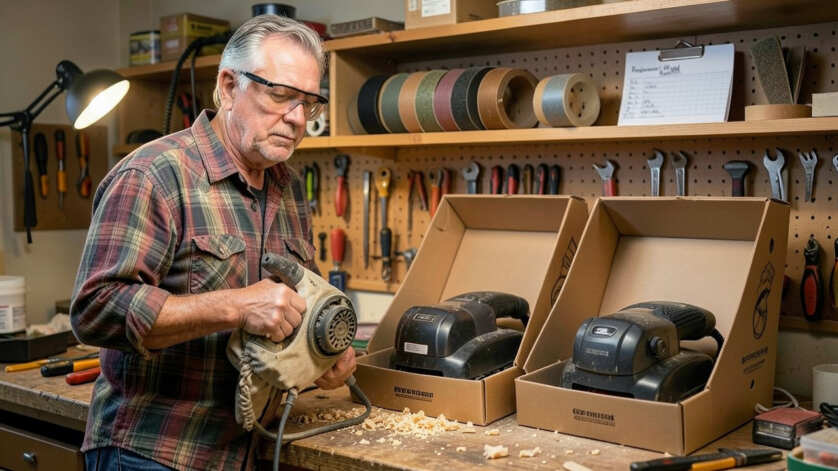
Also consider replace your belt sander if it’s more than 5 years old and has any motor or bearing issues. Newer models offer better dust collection, variable speed, and more ergonomic grips. Upgrading can improve both your work quality and comfort.
What Are the Best Belt Sanders for Busy Home Use?
When you do decide to replace, choosing the right model for heavy home use can delay the next replacement. Focus on durability, power, and ease of maintenance.
- Bosch 1274DVS – 2.5-amp motor, variable speed, very reliable bearings. Average lifespan under heavy use: 5–6 years.
- Makita 9404 – 10-amp motor, 3×21 belt, constant speed. Known for high torque and long motor life. Users report 7+ years with cleaning.
- DeWalt DW431 – 10-amp, 3×21, includes dust collection port. Good for frequent use; bearings can be replaced easily.
- Festool RTS 400 – More compact, 6-amp, excellent dust extraction. Best for fine woodworking; pricey but lasts 8–10 years.
- Porter-Cable 352VS – Budget-friendly, 8-amp, good for occasional heavy use. Expect 3–4 years in a busy home.
Important: Before buying, check that replacement belts (size and type) are readily available. The most common size for home sanders is 3×21 inches. Also consider the weight – a heavy sander will fatigue you faster in long sessions.
Investing a bit more upfront can double the time before your next replace your belt sander decision. Look for models with replaceable brushes and sealed bearings to simplify future repairs.
How Often Should You Inspect Your Belt Sander?
Regular inspections catch problems early and prevent sudden breakdowns. Set a schedule based on your usage intensity.
- Before each use – Visual check of belt condition, tracking, cord, and switch. 1 minute.
- After every 10 hours of use – Clean dust port, check belt tension, lubricate if needed. 5 minutes.
- Every 6 months – Remove belt, inspect roller and platen surface for wear. Check bearing play by spinning the roller by hand. 10 minutes.
- Annually – Deep clean inside housing, replace carbon brushes if accessible, and test motor with a load. 20 minutes.
By following this schedule, you’ll identify when it’s time to replace your belt sander long before it fails mid-project. That gives you time to research and buy a new one on your terms.
Frequently Asked Questions
How many hours does a belt sander last?
Consumer-grade belt sanders typically give 100–200 hours of run time before needing replacement. Pro-grade models can last 300–500 hours. Track your actual hours using a simple log or a usage meter.
Can I replace just the drive belt on a belt sander?
Yes, the sanding belt itself is consumable. But when we talk about replacing the sander, we mean the whole tool. The drive belt inside the sander (the rubber belt between motor and roller) can also be replaced, but it’s a more involved repair and often not worth it.
Is it cheaper to repair a belt sander or buy a new one?
For sanders under $150, buying new is almost always cheaper than repairing major components. For high-end models ($300+), repairs like replacing brushes or bearings can be cost-effective. Get a repair estimate first.
What causes a belt sander to lose power?
Loss of power typically comes from worn motor brushes, a clogged air intake, or a failing motor winding. Overheating is the most common cause of power loss – always let the sander cool down after 15–20 minutes of continuous use.
How do I know if my belt sander bearings are bad?
Bad bearings cause a rough grinding noise when the sander runs, even without a belt. You may also feel vibration when holding it. Spin the drive roller by hand – if it feels gritty or wobbles, the bearings need replacement.
Final Thoughts
Knowing how often to replace your belt sander in a busy home comes down to monitoring signs of wear and matching usage to tool quality. Aim to replace every 3–5 years for heavy use, but extend that with regular cleaning and proper belt care. When problems arise, weigh repair costs against a new model’s features.
By staying proactive, you’ll keep your projects smooth and your workshop safe.