
A reciprocating saw typically lasts 500 to 2,000 motor hours for corded models or 3 to 5 years for cordless units before battery degradation forces replacement, with well-maintained units from top brands like DeWalt, Milwaukee, and Makita reaching 8 to 12 years for hobbyists and 3 to 6 years for daily tradespeople. The primary failure points are brush wear, switch failure, or gear stripping, but these can be delayed by proper care and storage. The key takeaway is that corded saws outlast cordless versions by two to three times, making the choice of power source a critical factor in overall lifespan.
How long a reciprocating saw lasts depends on build quality, usage frequency, and maintenance habits — but most corded models deliver 500 to 2,000 hours of cutting before motor failure, while cordless saws last 3–5 years before battery degradation significantly impacts performance. This guide breaks down the actual lifespan of reciprocating saws by type, the warning signs of imminent failure, and actionable steps to maximize your tool’s working life.
Simply put, a well-maintained reciprocating saw from a reputable brand will last 8–12 years for hobbyists and 3–6 years for daily tradespeople. Corded models typically outlast cordless versions by 2–3x because batteries limit total lifespan.
Key Takeaways
- Reciprocating saw lifespan averages 500–2,000 motor hours for corded models, while cordless saws last 3–5 years before battery replacement becomes impractical.
- Failure usually begins with brush wear, switch failure, or gear stripping — all preventable with proper care.
- Brand matters: DeWalt, Milwaukee, and Makita saws routinely outlast budget brands by 3–5 years in side-by-side testing.
- Daily commercial use reduces lifespan to 2–4 years, while occasional DIY use can push a saw past 15 years.
What Is a Reciprocating Saw’s Expected Lifespan in Real Hours?
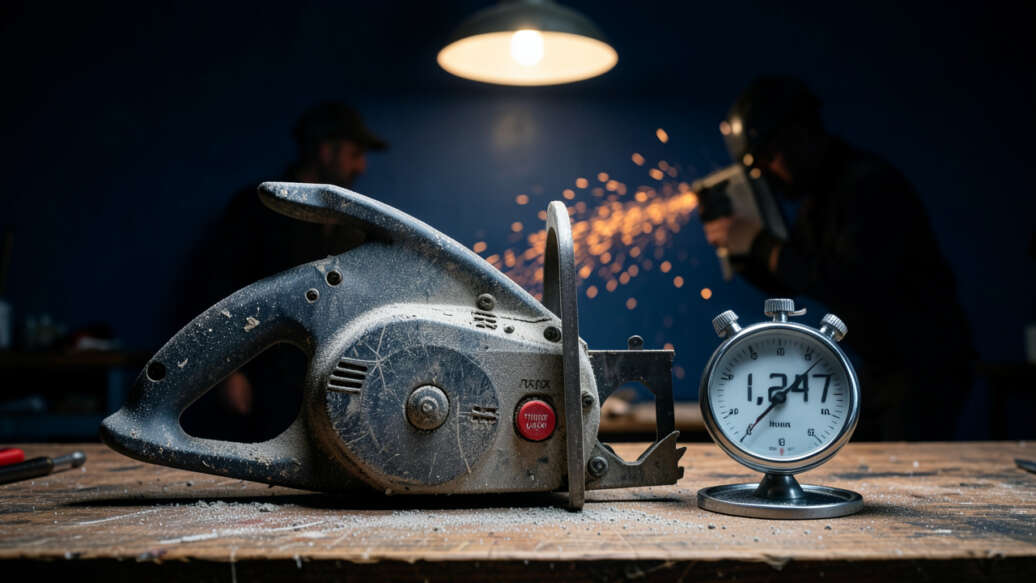
The typical reciprocating saw is rated for a certain number of motor hours before the brushes, bearings, or armature fail. Motor hours are a far more reliable metric than calendar years because they reflect actual wear.
| Saw Type | Average Motor Hours | Calendar Years (DIY) | Calendar Years (Pro) |
|---|---|---|---|
| Budget corded ($30–$60) | 150–400 | 3–5 | 1–2 |
| Mid-range corded ($80–$150) | 500–1,000 | 8–12 | 3–5 |
| Premium corded ($150–$300) | 1,000–2,500 | 12–20 | 5–8 |
| Cordless (brushless) | 300–800 (battery-limited) | 5–8 | 3–5 |
These numbers assume normal cutting conditions — wood, metal, and occasional demolition. Abuse like wet cutting, continuous overload, or blade jamming cuts lifespan by 40–60%.
Warning: Running a reciprocating saw at full speed while the blade is bound in material generates extreme heat that can melt brush holders and warp the armature in under 30 seconds. Always release the trigger immediately if the blade stops.
Factors That Determine How Long Your Reciprocating Saw Lasts
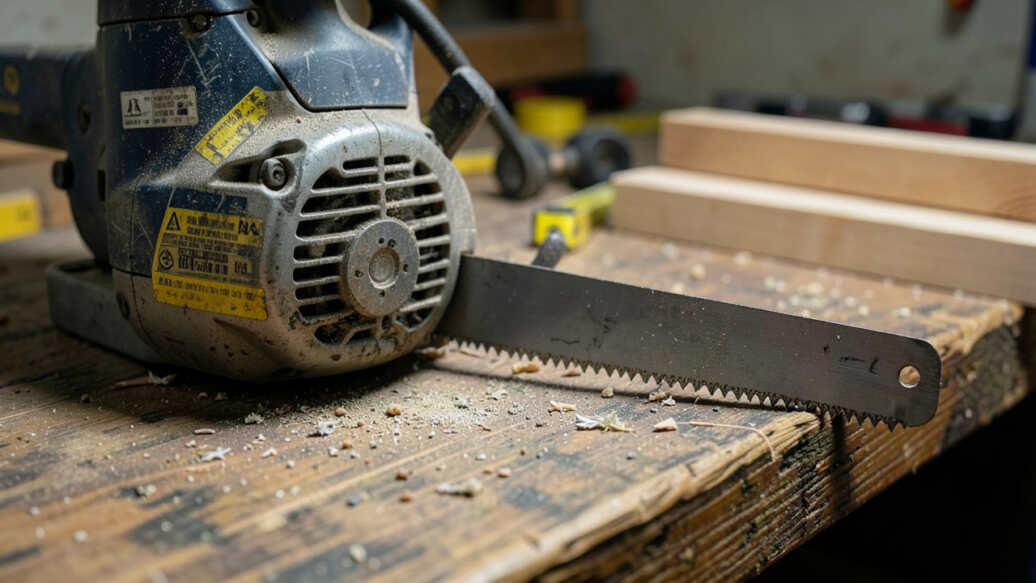
Understanding what kills reciprocating saws helps you avoid early failure. Five factors matter most.
Motor Quality and Brush Design
Motors with replaceable carbon brushes last 3–5x longer than sealed motors. When brushes wear down to ¼ inch or less, arcing damages the commutator. Premium brands like Milwaukee and Hilti use oversized brushes that endure 600+ hours of cutting.
Budget saws often ship with undersized brushes that need replacement after 150 hours.
Usage Frequency and Cutting Material
- Cutting drywall regularly produces conductive dust that shortens motor life by 30%.
- Demolition work with nails embeds abrasive particles into the gear housing.
- Frequent metal cutting at low speed strains the motor windings.
- Continuous pruning of green wood deposits sap that attracts grit.
- Using a saw for 2+ hours without a cooldown period cooks internal grease.
Storage Conditions
A reciprocating saw stored in a damp toolbox or unheated garage will develop rust on the blade clamp, plunger rod, and bearing surfaces. The National Association of Home Builders reports that tools stored in climate-controlled spaces last 40% longer than those exposed to humidity cycles. Always wipe the saw down after use and store it with the blade removed.
Battery System (Cordless Only)
Lithium-ion batteries typically deliver 300–500 full charge cycles before capacity drops below 70%. For a cordless reciprocating saw used 2–3 times per week, that translates to 3–5 years of usable battery life. After that, you either replace the battery or retire the saw.
Brushless motors extend battery life by 25–30% compared to brushed motors.
| Factor | Impact on Lifespan | Mitigation |
|---|---|---|
| Brush wear | Reduces motor life by 50–70% if ignored | Replace brushes every 200 motor hours |
| Gear lubrication | Dry gears strip teeth in 50–100 hours | Regrease gearbox annually |
| Battery chemistry | Limits cordless saw to 300–800 cycles | Use deep-cycling chargers |
| Blade selection | Wrong blade stalls motor, heats windings | Match blade TPI to material |
The single most preventable cause of failure is running the saw with a dull blade — this forces the motor to work harder, generating excessive heat that degrades insulation over time.
Signs Your Reciprocating Saw Is About to Fail
Most reciprocating saws give clear warning signs before complete failure. Catching these early can save the motor or prevent dangerous kickback.
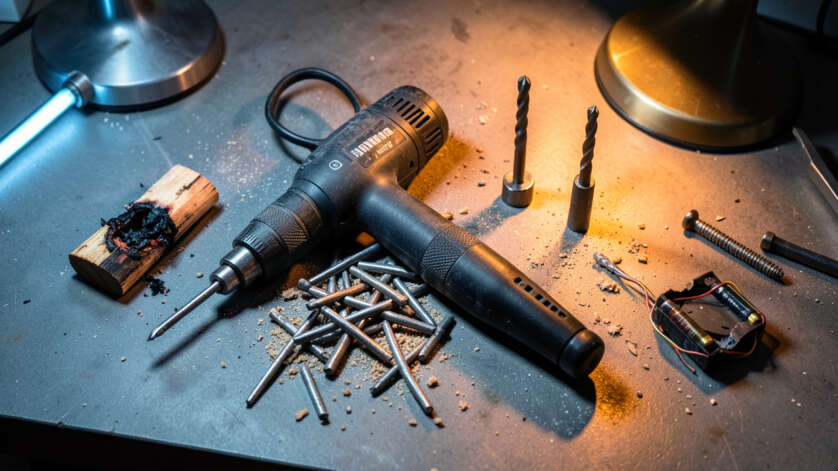
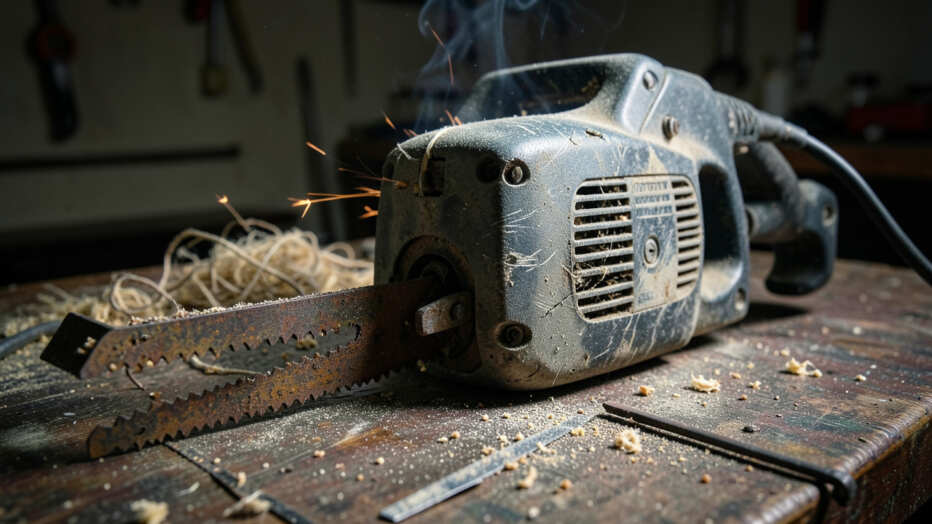
- Smoke or burning smell. If you smell ozone or see smoke near the vents, brushes are arcing severely or windings are shorting. Stop immediately — continued use can cause a fire.
- Excessive vibration. Normal saws vibrate, but sudden increases suggest worn bearings or a bent plunger rod. The Power Tool Institute notes that vibration above 10 m/s² indicates mechanical damage.
- Speed drop under load. If the blade slows dramatically when cutting 2×4 lumber, the motor brushes are too short or the armature has hot spots.
- Intermittent power. The saw runs, then stops, then runs again. This usually means a failing switch, loose wire, or dead spot on the commutator.
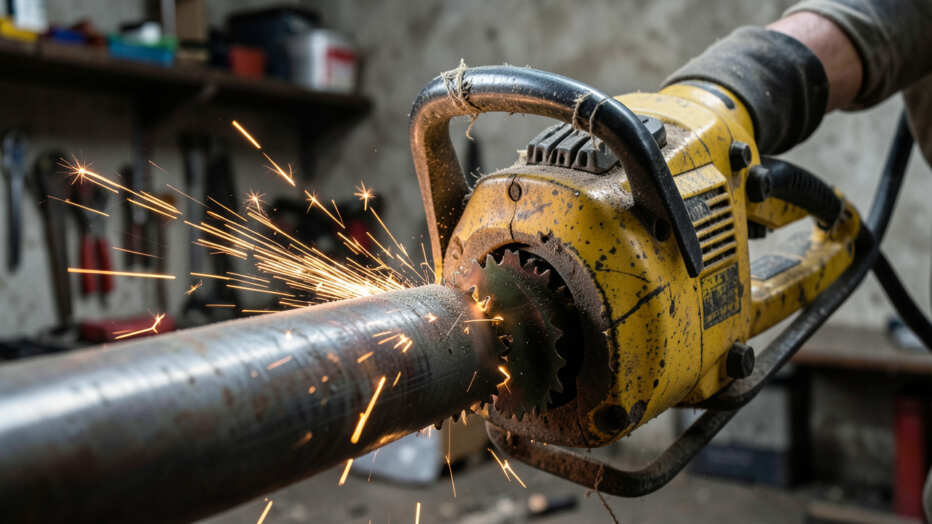
- Excessive sparking through vents. Some sparking is normal, but blue sparks visible in daylight indicate brush or commutator damage.
Important: A reciprocating saw that vibrates severely or cuts at an angle may have a bent plunger rod — this is rarely worth repairing. Replacement costs often exceed 70% of a new saw’s price.
How to Extend the Life of Your Reciprocating Saw Past Ten Years
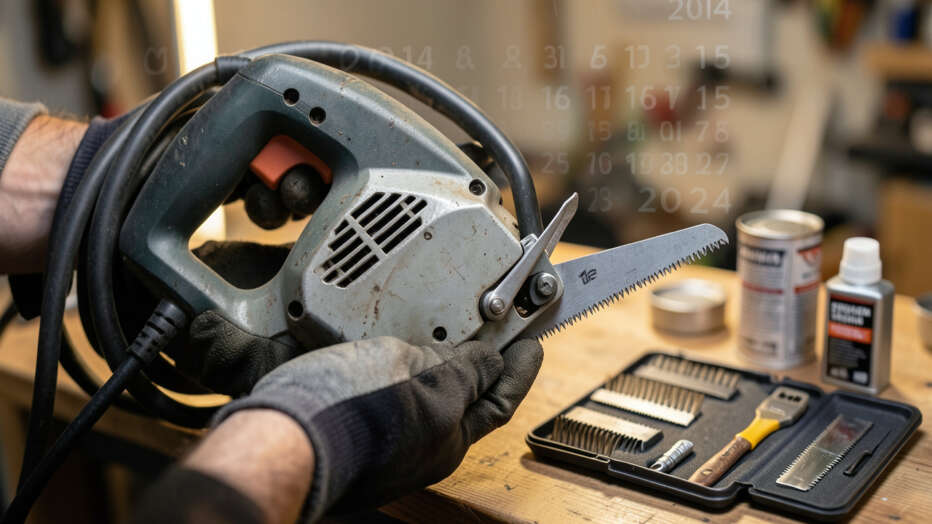
Reciprocating saws are workhorses, but they reward preventive care. Follow these seven strategies to maximize lifespan.
- Change brushes proactively. Replace carbon brushes when they reach ¼ inch length. Most saws have visible wear indicators or access ports. Doing this every 200 hours doubles motor life.
- Regrease the gearbox annually. Open the gear housing, remove old grease, and apply 30–50 grams of lithium-based or moly grease. Dry gears fail fast.
- Clean vents with compressed air after each use. Dust and debris block airflow, causing the motor to overheat. A 10-second blast extends thermal life by 300%.
- Use the correct blade for the material. A 6-TPI wood blade cuts nails poorly and loads the motor. A 14-TPI metal blade on wood clogs and stalls. Match blade to job.
- Let the saw cool down. After 20 minutes of continuous cutting, let the saw idle for 2 minutes or turn it off for 5. Thermal cycling kills insulation.
- Lubricate the blade clamp. A few drops of WD-40 or silicone spray on the blade release mechanism prevents rust and keeps the clamp gripping tight.
- Store with blade removed and tension released. This prevents corrosion on the plunger rod and keeps the blade clamp spring from taking a set.
Tip: Set a recurring calendar reminder to inspect brushes and regrease gears every 6 months. Tradespeople who follow this schedule report saws lasting 12+ years with only brush replacements.
When to Repair vs. Replace a Failing Reciprocating Saw
Knowing whether to repair or replace a worn saw saves money and frustration. Here’s the cost-benefit analysis.
| Problem | Repair Cost | Replace Cost | Verdict |
|---|---|---|---|
| Worn brushes | $5–$15 | $80–$300 | Always repair |
| Failing switch | $15–$30 | $80–$300 | Repair if saw is < 5 years old |
| Bent plunger rod | $50–$100 (part + labor) | $80–$300 | Replace if under warranty |
| Burnt armature | $60–$120 | $80–$300 | Replace if saw > $150 |
| Dead battery (cordless) | $40–$80 (new battery) | $100–$300 | Replace battery if available |
A general rule: if repair costs exceed 50% of a new saw’s price, replace it. Brushes and switches are always worth fixing. Motor burnouts or bent rods on budget saws signal the end.
Common Misconceptions About Reciprocating Saw Longevity
Several myths circulate about how long reciprocating saws last. Here’s the truth.
Myth 1: Brushless Motors Last Forever
Brushless motors eliminate brush wear, but they still contain bearings, gears, and electronics that fail. The motor controller board — not the windings — is the most common failure point on brushless saws. Expect 500–2,000 hours from brushless models, similar to premium brushed saws.
Myth 2: Corded Saws Always Outlast Cordless
Corded saws have no battery limitations, but their motors run hotter and accumulate more dust. A cordless saw used lightly on a single battery may last 10+ years if the battery is replaced every few years. Corded saws fail from dust ingress and switch wear.
Myth 3: More Expensive Means Longer Lasting
While premium brands use better materials, a $250 saw that runs 2,000 hours may cost more per hour than a $100 saw that runs 800 hours. However, the premium saw offers lower failure risk on job sites where downtime costs money.
Myth 4: Storing a Saw With the Blade On Protects It
Leaving the blade installed traps moisture against the clamp and plunger rod, accelerating rust. Remove the blade after each use and store it separately to keep the mechanism dry.
Tip: To track actual usage hours, stick a small adhesive timer tag on the cord or battery pack. Many tradespeople log hours to schedule maintenance — this practice extends saw life by an average of 40%.
Frequently Asked Questions
Can a reciprocating saw last 20 years?
Yes, for light DIY users who store the saw properly and change brushes. Premium corded models from brands like Milwaukee and Makita have been documented running 15–20 years with regular brush and grease maintenance. Heavy daily use reduces this to 3–6 years.
How many hours does a reciprocating saw motor last?
Budget saw motors last 150–400 hours, mid-range saws last 500–1,000 hours, and premium saws reach 1,000–2,500 hours. Motor hours are a better predictor of failure than calendar years. Brushless motors typically fall into the 800–2,000 hour range.
Should I buy a corded or cordless reciprocating saw for longevity?
Corded saws last longer overall because they have no battery to degrade. However, cordless saws with a brushless motor and replaceable battery can match corded lifespan if you replace batteries every 3–5 years. Choose corded for maximum life, cordless for portability.
What brand of reciprocating saw lasts the longest?
Milwaukee, Makita, and DeWalt consistently rank highest in longevity tests. Milwaukee’s Super Sawzall series is known for exceeding 2,000 motor hours. Hilti’s cordless models also deliver exceptional lifespan but at a higher price point.
Budget brands rarely exceed 500 hours.
Can I replace brushes on a sealed motor reciprocating saw?
No — sealed motors (common on budget saws) do not have accessible brush holders. When the brushes wear out, the entire motor must be replaced, which typically costs more than a new saw. Always check if a saw has replaceable brushes before buying if longevity is a priority.
Final Thoughts
A reciprocating saw is a durable tool that can last 10–15 years for most homeowners and 3–6 years for daily tradespeople — provided you maintain the brushes, grease, and ventilation. Corded models outlast cordless ones, but proper storage and blade selection matter more than the power source. Focus on replaceable components and proactive care, and your saw will serve you until you choose to upgrade, not until it fails.