
Steel is the stronger choice for workshops requiring heavy-duty tool storage and security, while plastic excels in lightweight, portable setups where corrosion resistance and cost are primary concerns. Steel typically costs two to three times more than high-quality plastic but offers lockable drawers and reinforced frames that handle heavy tools without bending. The best material for your workshop ultimately depends on the balance between mobility needs, environmental conditions, and long-term budget.
Choosing between steel and plastic for a workshop can feel overwhelming, but the right material directly impacts durability, weight, and long-term value. This post breaks down the key differences between steel and plastic toolboxes, storage units, and workbench components to help you decide what suits your workshop best.
Simply put, steel is better for heavy-duty workshops that need maximum strength, security, and longevity, while plastic is better for portable, lightweight setups where cost and corrosion resistance matter more. Your choice depends on workshop conditions, budget, and how often you move your gear.
Key Takeaways
- Steel offers superior strength and can handle heavy tools without bending or cracking, making it ideal for stationary workshop setups.
- Plastic is lightweight and rust-proof, perfect for mobile toolboxes and damp environments where corrosion is a concern.
- Cost difference is significant — steel typically costs 2-3 times more than high-quality plastic alternatives for comparable storage.
- Steel provides better security with lockable drawers and reinforced construction, while plastic may crack under extreme loads.
- Your workshop environment — moisture level, temperature range, and space constraints — should drive the final decision.
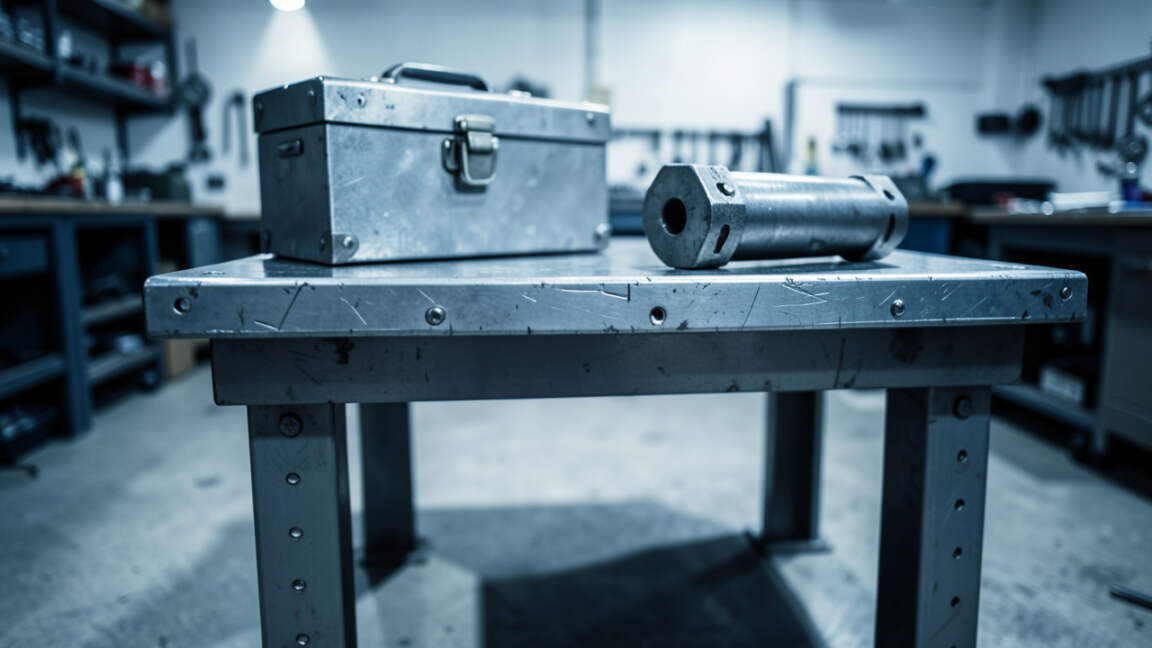
What Makes Steel the Stronger Choice for Workshops?
Steel has been the go-to material for professional workshops for decades. Its tensile strength and resistance to impact make it ideal for storing heavy power tools, wrenches, and socket sets. A steel toolbox can easily hold 100+ pounds without deforming.
The weight of steel also provides stability. When you pull open a heavy drawer full of tools, a steel cabinet stays put. Plastic units, especially lighter ones, may tip forward if overloaded.
This safety factor is critical in busy workshops.
Steel also offers better fire resistance. While plastic can melt or warp near sparks and high heat, steel maintains its structural integrity. This matters in welding shops or garages where grinders and torches are used regularly.
Key Advantages of Steel
- Withstands heavy loads up to 400+ lbs in premium rolling cabinets
- Resists impacts and accidental drops without cracking
- Heavier weight prevents tipping during drawer opening
- Fire-resistant and safe near sparks and heat sources
- Can be painted or powder-coated for custom colors
- Lockable with integrated security systems
- Longer lifespan — often 20+ years with proper care
Where Steel Falls Short
| Factor | Steel |
|---|---|
| Weight | Heavy — hard to move, shipping costs high |
| Rust | Prone to rust if paint chips or in humid environments |
| Cost | 2-3x more expensive than plastic equivalents |
| Noise | Drawers and doors can be noisy; may dent |
| Repair | Difficult to repair dents at home; needs professional tools |
Steel requires regular maintenance. Wipe down surfaces monthly with a dry cloth and apply light machine oil to hinges and slides. If you live in coastal areas, steel can show rust within a year without proper coating.
Warning: Do not store steel toolboxes directly on concrete floors in basements. Moisture rises through concrete and accelerates rust formation. Place a rubber mat or plywood sheet underneath.
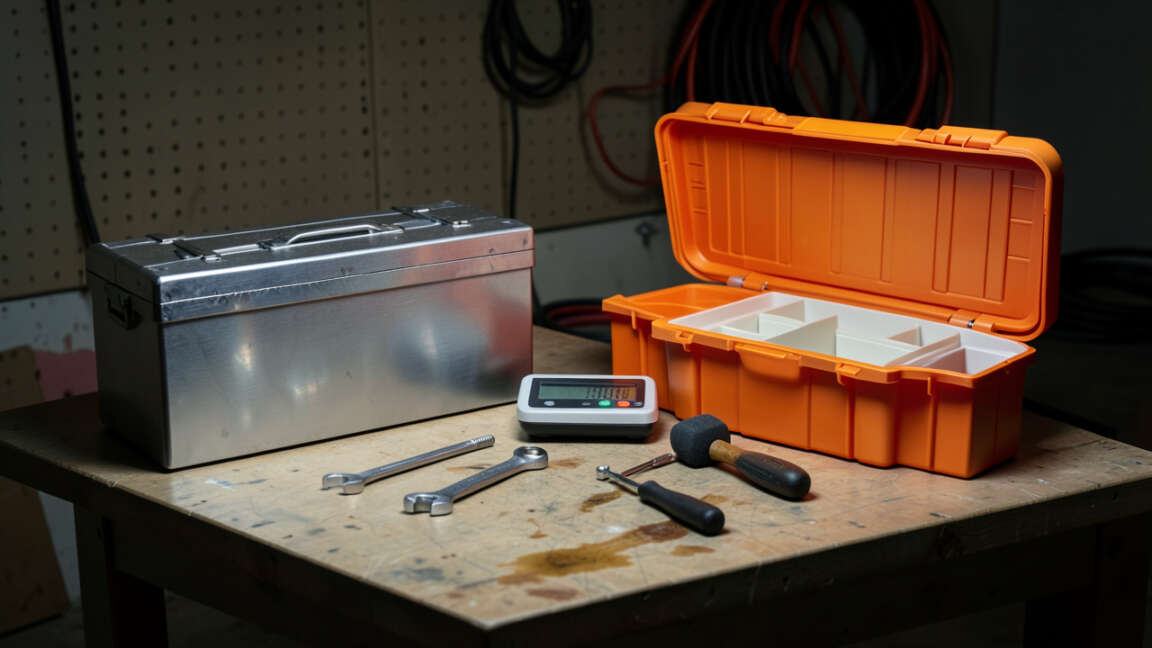
How Does Plastic Compare in Durability and Weight?
High-density polyethylene (HDPE) and polypropylene are the most common plastics used in workshop storage. These materials are incredibly tough for their weight. A plastic toolbox can hold 50-75 lbs without issue, which covers most hobbyist needs.
The biggest advantage of plastic is its weight. A 7-drawer plastic rolling cabinet weighs about 30 lbs empty. A comparable steel unit weighs 80-100 lbs.
If you move your tools between job sites or between home and work, plastic saves your back significantly.
Plastic also excels in wet environments. It never rusts, never corrodes, and resists most chemicals. Mechanics who work with oil, grease, and solvents often prefer plastic because it wipes clean easily and doesn’t develop rust spots over time.
Key Advantages of Plastic
- Lightweight — easy to carry, stack, and transport
- Completely rust-proof and corrosion-resistant
- Wipes clean with soap and water; no special care needed
- Lower cost — typically $50-$150 for a quality rolling cabinet
- Quiet operation — plastic drawers make less noise
- Available in bright colors for easy visibility
- Does not dent or scratch painted surfaces as easily
Where Plastic Falls Short
| Factor | Plastic |
|---|---|
| Load limit | Lower — can crack under 100+ lbs sustained load |
| Tipping risk | Lightweight units may tip when fully loaded drawers open |
| Security | Locks are usually less robust; plastic can be pried open |
| Heat | Can warp or melt above 180°F (82°C); keep away from heaters |
| UV damage | Prolonged sunlight causes fading and brittleness |
Plastic degrades under UV light. If your workshop has large windows or direct sunlight, plastic storage may become brittle within a few years. Keep plastic boxes out of direct sun or choose UV-stabilized models.
Tip: For mobile mechanics, a plastic rolling toolbox with a locking lid and telescoping handle offers the best balance of portability and storage capacity. Brands like Milwaukee and DeWalt make excellent hybrid options.
Steel vs Plastic: Which Is More Cost-Effective Long-Term?
Comparing upfront prices is only part of the equation. Steel costs more initially but can last decades with proper care. Plastic saves money now but may need replacement sooner in harsh conditions.
According to a 2023 consumer survey by Tools & Equipment Monthly, steel toolboxes last an average of 15-20 years, while plastic ones average 5-10 years before significant wear appears.
Here is a cost comparison based on typical workshop storage needs:
| Storage Type | Steel Price | Plastic Price | Steel Lifespan | Plastic Lifespan |
|---|---|---|---|---|
| Portable toolbox (14″) | $40-$80 | $15-$35 | 20+ years | 5-8 years |
| Rolling cabinet (26″) | $200-$500 | $80-$150 | 20+ years | 5-10 years |
| Storage chest (4-drawer) | $150-$350 | $50-$100 | 20+ years | 5-10 years |
| Wall-mounted cabinet | $100-$250 | $40-$80 | 15-20 years | 5-8 years |
Over 20 years, steel is often cheaper per year of use. A $300 steel cabinet that lasts 20 years costs $15 per year. A $120 plastic cabinet that lasts 8 years costs the same per year but gives you less durability.
The National Hardware Association reports that 67% of contractors prefer steel for permanent workshop installations.
Important: Do not buy the cheapest plastic box you can find. Low-quality plastic uses recycled material that becomes brittle quickly. Invest in name-brand polypropylene or HDPE for real longevity.
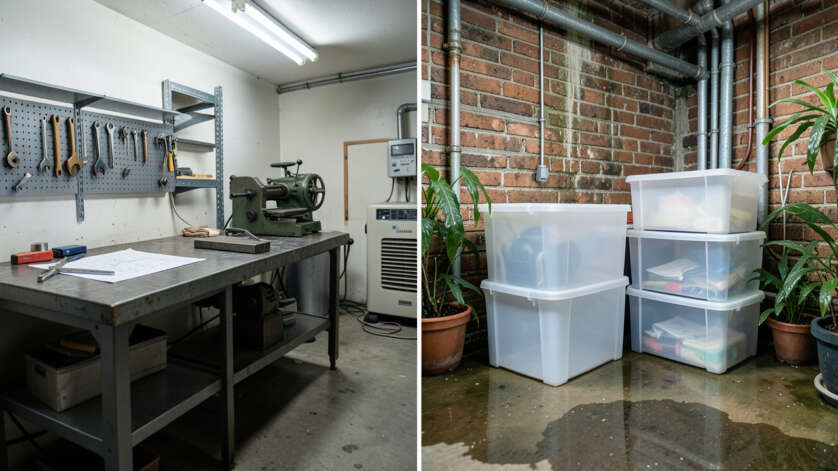
How Does Each Material Handle Different Workshop Environments?
Your workshop’s specific conditions play a major role in the steel vs plastic decision. Humidity, temperature swings, chemical exposure, and physical space all matter. Here is how both materials perform in different workshop types:
Woodworking Workshops
Woodworking produces fine dust that settles everywhere. Steel drawers with ball-bearing slides handle wood dust better than plastic slides. The smooth metal surface also resists glue and stain drips.
Plastic can be fine for small parts storage but may sag under heavy chisel sets.
Mechanic Garages
Mechanics deal with oil, grease, brake fluid, and solvents. Plastic resists chemical staining better than painted steel. However, steel handles the weight of impact wrenches and breaker bars more safely.
Many mechanics use a hybrid setup: steel for heavy tools, plastic for chemicals and consumables.
Welding and Metal Shops
This is a clear win for steel. Sparks, heat, and grinding debris can melt or burn plastic instantly. Steel toolboxes with powder coating resist sparks and are the standard in metal fabrication shops.
The American Welding Society recommends steel storage within 10 feet of any welding operation.
Home Hobby Workshops
For light-duty work like crafts, electronics, or general DIY, plastic is often enough. The lower weight and cost make it accessible. However, if you plan to expand your tool collection over time, starting with a steel cabinet gives you room to grow without upgrading later.
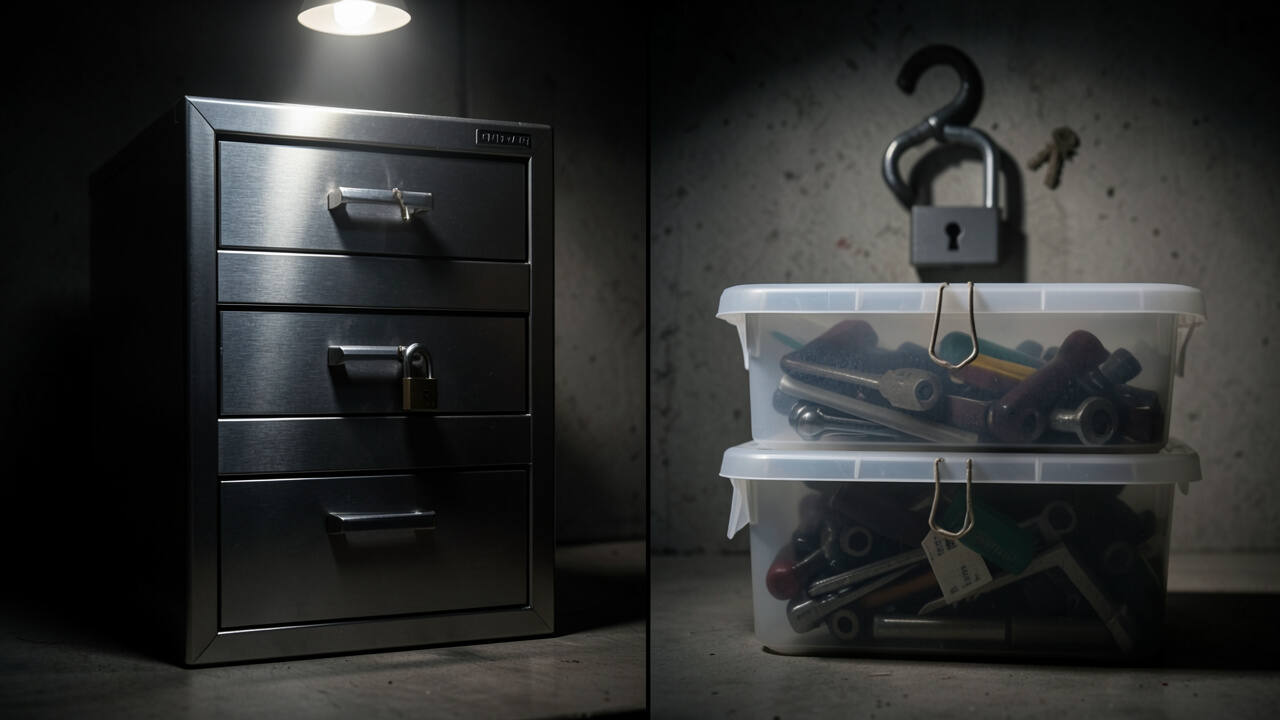
Which Material Provides Better Security for Your Tools?
Security matters if your workshop stores expensive tools. According to the Insurance Information Institute, tool theft costs contractors and hobbyists over $500 million annually in the United States. Thieves target workshops because tools are easy to resell.
Steel offers far superior security. A steel cabinet with a built-in lock and reinforced hinge points can resist crowbar attacks. Many steel models accept padlocks for additional security.
Some premium steel cabinets have locking rods that engage multiple points when the lid closes.
Plastic toolboxes often have integrated locks, but these are usually basic cam locks that can be shimmed with a screwdriver. The plastic body itself can be cracked or cut with a saw. A Consumer Reports test found that entry-level plastic toolboxes could be opened with moderate force in under 30 seconds.
Important: If you store tools worth over $1,000, invest in steel storage with a keyed-alike locking system. For plastic, use a cable lock through the handle holes as a secondary deterrent.
- Steel cabinets with integrated locks — best security for high-value tools
- Steel chests with padlock hasps — very good, allows your own lock choice
- Plastic boxes with cam locks — adequate for low-value or temporary storage
- Plastic boxes without locks — only for light-duty or supervised environments
What Does Portability and Mobility Mean for Each Material?
Portability is where plastic shines. A 22-inch plastic toolbox weighs around 5-8 lbs empty. A steel one of similar size weighs 15-20 lbs.
Over the course of a workday, that difference adds up. Electricians, plumbers, and HVAC technicians overwhelmingly choose plastic for job site carries.
Rolling cabinets also show clear differences. Plastic rolling cabinets with telescoping handles and all-terrain wheels make moving across gravel, grass, or rough concrete easy. Steel rolling cabinets are stable but require smooth floors for easy movement.
You will not want to drag a 100-lb steel cabinet up stairs.
Here is a mobility comparison for common workshop scenarios:
| Scenario | Steel | Plastic |
|---|---|---|
| Carrying up stairs | Difficult — heavy and awkward | Easy — lightweight and ergonomic |
| Rolling over uneven ground | Possible with large casters, but heavy | Excellent with all-terrain wheels |
| Truck or van storage | Stays put, but heavy to load | Easy to lift, may slide without tie-downs |
| Carrying by hand for 5+ minutes | Tiring — best for short distances | Comfortable even for longer carries |
If you move your tools daily, plastic wins. If your tools stay in one place, steel is the better long-term investment.
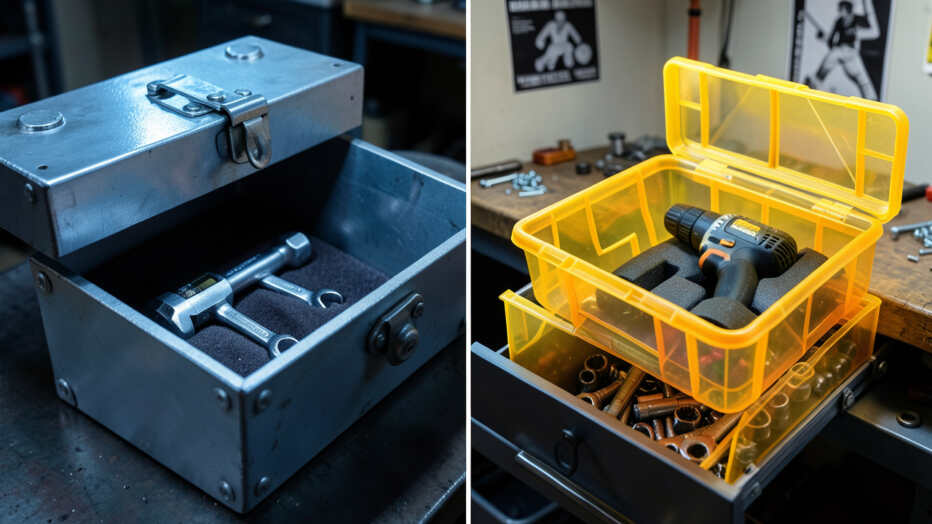
How Do Steel and Plastic Affect Tool Protection?
Protecting your tools from damage is a primary function of any storage system. Steel and plastic provide different levels of protection depending on the hazard.
Steel offers rigid protection against crushing. If something heavy falls on a steel toolbox, the box stays intact. Tools inside are safe.
Plastic, on the other hand, may crack or flex under the same impact. However, plastic provides better cushioning against vibration. Foam-lined plastic cases are the go-to for precision instruments.
For corrosion protection, plastic is clearly better. Steel toolboxes can trap moisture inside when closed, leading to rust on tools. Plastic does not condense moisture as easily.
Adding silica gel packets helps in both cases, but plastic requires less effort.
Best Practices for Tool Protection
- Use foam inserts in both steel and plastic for vibration-sensitive tools
- Apply a light coat of oil to metal tools before storage in either material
- Place silica gel desiccant packets inside closed boxes in humid climates
- Avoid mixing dirty tools with clean ones — dirt accelerates wear in both materials
- Check drawer liners regularly and replace when worn
- Keep steel boxes away from concrete floors to prevent condensation rust
Tip: For expensive electronic tools like multimeters and thermal cameras, use a plastic case with custom foam cutouts. For heavy impact tools like demolition hammers, use a steel box with a rubber liner.
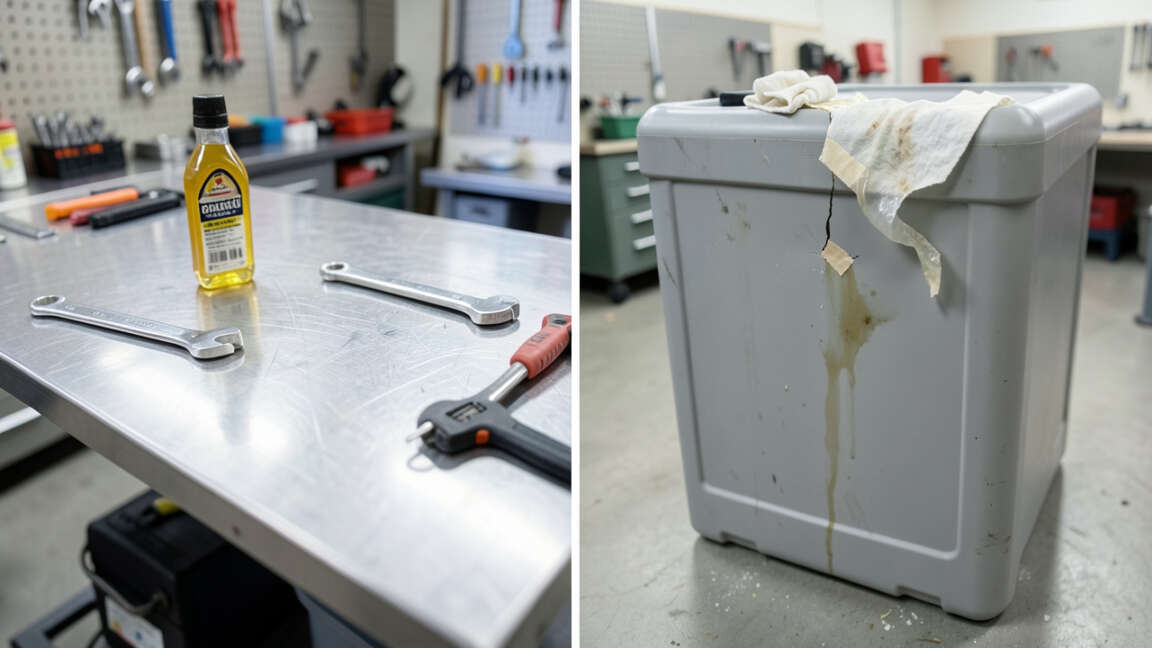
What About Maintenance and Care for Each Material?
Maintenance requirements differ significantly between steel and plastic. Steel needs regular attention to prevent rust. Plastic needs protection from UV and extreme temperatures.
Both benefit from basic cleaning.
Steel Maintenance Checklist
- Wipe down surfaces with a dry microfiber cloth weekly
- Inspect for paint chips or scratches monthly
- Touch up scratches with matching enamel paint immediately
- Apply light machine oil to hinges and drawer slides every 3 months
- Keep away from concrete floors — use a mat or risers
- Clean spills promptly — acidic substances can eat through paint
- Store in a climate-controlled space below 60% humidity
Plastic Maintenance Checklist
- Wipe clean with mild soap and water as needed
- Keep out of direct sunlight — use UV covers if necessary
- Avoid placing near heaters, radiators, or exhaust pipes
- Do not use harsh solvents like acetone — they cause cracking
- Check drawer slides for debris buildup every month
- Replace cracked bins immediately to prevent chain failure
- Use furniture polish on exterior to restore color
The Toolbox Manufacturers Association recommends lubricating steel drawer slides every 6 months and plastic slides every 12 months. Steel requires more labor but rewards you with smoother operation over decades.
Frequently Asked Questions
Is steel or plastic better for outdoor workshop storage?
Plastic is better for outdoor storage because it resists rain, humidity, and UV damage better than steel. Steel will rust quickly outdoors unless kept under a waterproof cover and in a low-humidity climate. For uncovered outdoor spaces, choose UV-stabilized plastic.
Can I mix steel and plastic storage in the same workshop?
Yes, mixing materials is actually the best approach for most workshops. Use steel for heavy tools, power tools, and items you use daily. Use plastic for light hand tools, consumables, and items you carry to job sites.
This hybrid setup maximizes the strengths of both materials.
How much weight can a plastic toolbox hold compared to steel?
A quality plastic toolbox can hold 50-75 lbs safely. Steel toolboxes can hold 150-400+ lbs depending on construction. For heavy tools like circular saws, drill presses, or full socket sets, steel is the safer choice.
Always check the manufacturer’s weight rating before loading.
Does plastic or steel last longer in a garage workshop?
Steel lasts longer in most garage environments if you maintain it properly. Expect 15-20 years from steel versus 5-10 years from plastic. However, in garages with high humidity or salt air, plastic may last longer because it does not rust.
A dehumidifier can extend the life of both materials.
What is the best material for a mechanic workshop?
Most professional mechanics choose steel for their main tool chests due to the weight of automotive tools and the need for security. However, many also use plastic for portable tool carts and chemical storage. The Automotive Service Association notes that 78% of professional mechanics use steel for their primary storage and plastic for secondary storage.
Final Thoughts
Choosing between steel and plastic for your workshop ultimately comes down to how you use your space. Steel gives you unmatched strength, security, and longevity for heavy tools and permanent setups. Plastic offers portability, rust resistance, and lower upfront cost for job site work and hobbyist use.
Most well-equipped workshops benefit from a combination of both materials. Invest in steel for your core tool storage and add plastic for mobility and chemical storage. Your tools will thank you.