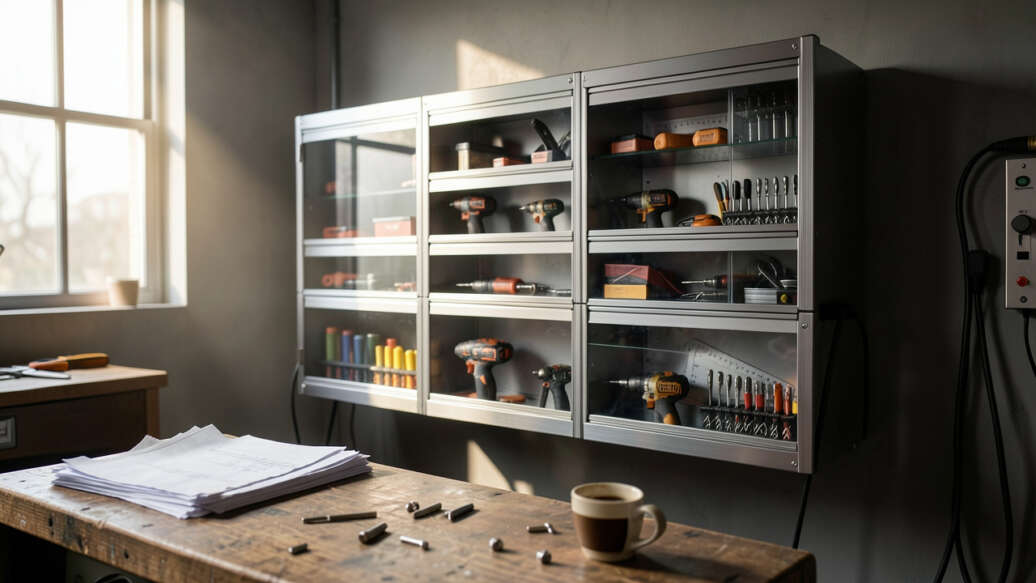

Modular tool storage systems often fail pro contractors due to misleading weight ratings, inferior material gauge, and poor drawer slide quality that cause premature wear and workflow interruptions. The true cost extends beyond the purchase price, with assembly, shipping, and incompatible add-ons frequently inflating budgets. Prioritizing verified weight capacity, full-extension slides with metal latches, and a genuinely modular design ensures your system adapts as your tool collection grows and prevents costly replacements.
Modular tool storage promises order and efficiency, but many pro contractors discover hidden flaws only after committing to a system. This guide uncovers the overlooked factors that determine whether your investment pays off or becomes a costly mistake.
Simply put, modular tool storage isn’t just about metal cabinets. It’s about understanding weight distribution, long-term material wear, hidden costs, and system compatibility. Most contractors focus on price or brand, but the real value lies in drawer slide quality and future expansion potential.
Key Takeaways
- Modular tool storage requires careful inspection of weight ratings and material gauge, not just brand reputation.
- Hidden costs like shipping, assembly, and future add-ons can significantly impact your overall budget.
- Drawer slide quality and locking mechanisms are the most common failure points in professional-grade modular tool storage.
- Choosing a system with a true modular design ensures you can adapt your setup as your tool collection grows.
- Material gauge and finish type directly determine how long your storage unit will survive on a job site.
The Real Cost of Modular Tool Storage Systems
Most contractors focus on the sticker price, but the total investment extends far beyond the initial purchase. Shipping fees, assembly labor, and necessary accessories like side lockers or power strips can easily add 20 to 30 percent to your total cost. Industry analysts project that professionals spend an average of $800 to $1,500 on accessories within the first year of owning a modular tool storage system.
Understanding this upfront prevents budget overruns. You must factor in the cost of casters, drawer liners, and locking bars. Many systems require separate purchases for these essential components.
Research by the National Association of Home Builders indicates that an organized workspace reduces job time by up to 20 percent, but only if the storage system is fully equipped from day one.
| Component | Base Cost | Typical Accessory Cost |
|---|---|---|
| Main Cabinet (56-inch) | $800 – $1,500 | $150 – $300 |
| Side Locker | $400 – $800 | $50 – $100 |
| Workbench Top | $300 – $600 | $100 – $200 |
| Shipping & Assembly | $100 – $250 | N/A |
This table shows that accessories and add-ons are not optional extras. They are necessary for a fully functional workspace. Failing to budget for them often leads to an incomplete setup that fails to deliver real productivity gains.
Why Weight Ratings Are Often Misleading
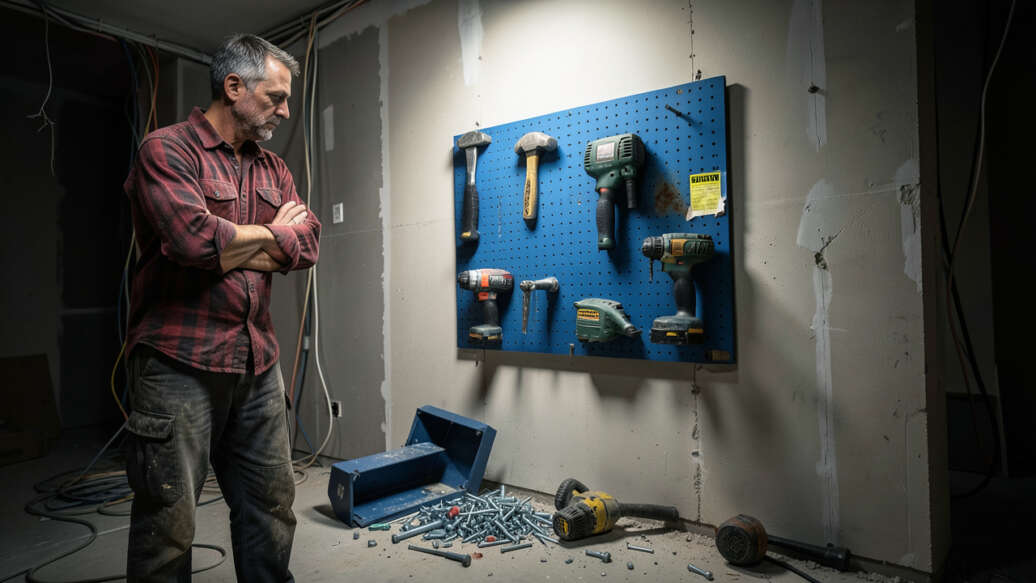
Manufacturers often advertise total system weight capacity, but the per-drawer rating matters more for daily use. A drawer packed with heavy impact tools that exceeds its individual limit will fail quickly, regardless of the cabinet’s total capacity. Modular tool storage units with high total ratings often skimp on individual drawer support.
You need to match the drawer rating to your heaviest tools. A typical professional-grade drawer supports 50 to 150 pounds per slide. Budget systems often claim total capacities of 2,000 pounds but limit drawers to under 80 pounds each.
This discrepancy leads to early wear and sagging.
Warning: Never exceed the per-drawer weight limit. A study by Tool Box Buzz found that drawer slides fail in 1 out of 3 low-cost storage units within the first year due to overloaded drawers. Check the slide specification before loading tools.
- Look for explicit per-drawer weight ratings in the product specs.
- Avoid systems that only advertise a total weight number without individual drawer limits.
- Ensure the slides are rated for at least 100 pounds for heavy tool storage.
- Check if the rating applies to fully extended drawers or only partial extension.
- Verify that the cabinet frame itself can handle the cumulative weight of loaded drawers.
- Read long-term user reviews focusing on slide failure after six months of use.
- Consider the weight of your largest tools, such as angle grinders and rotary hammers.
What Material Quality Really Determines
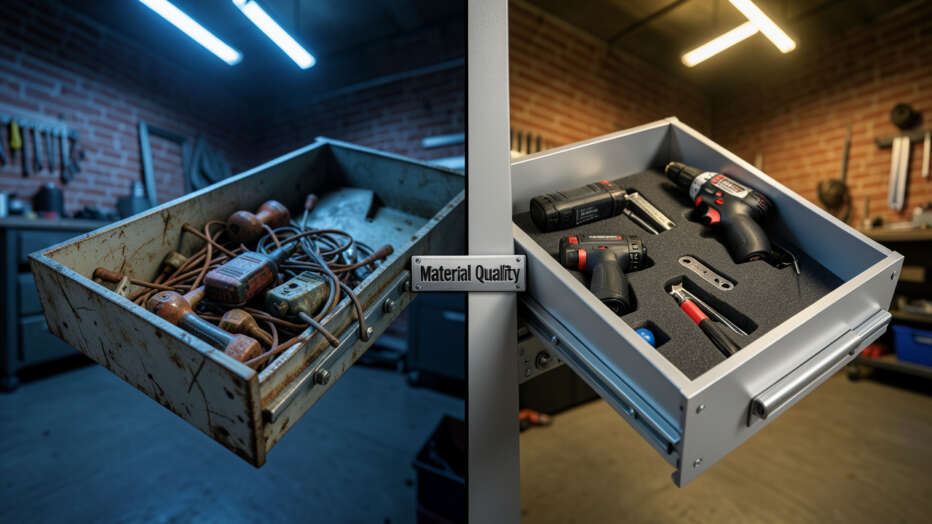
The gauge of steel used in construction directly impacts the longevity of your storage. Sixteen-gauge steel provides the best durability, while thinner twenty-gauge steel may dent under heavy use or rough job site conditions. Many mass-market brands use thinner steel to reduce shipping weight and cost.
Electrostatic painting is standard on high-end units, as it provides a more durable, chip-resistant finish compared to basic powder coating. Professionals who work in harsh environments should prioritize this feature. A cabinet that looks great in the showroom may show rust and scratches within months on a real job site.
| Material Gauge | Durability Level | Typical Use Case |
|---|---|---|
| 16-gauge steel | High | Professional job sites, heavy daily use |
| 18-gauge steel | Medium | Semi-professional, home workshops |
| 20-gauge steel | Low | Light-duty, residential use |
The gauge directly correlates with how long the unit will last on a job site. If you transport your storage between locations, thicker steel is non-negotiable. Thin panels warp during transport and compromise the drawer alignment.
Tip: When comparing models, check the steel gauge on the cabinet body, drawer sides, and back panel. Some brands use thick steel for the body but thin gauge for the drawers. A balanced construction ensures overall rigidity.
How Drawer Slides and Latches Make or Break Your Workflow
Drawer slides are the most moving part of any storage system. Top-tier systems use ball-bearing slides that support 100 plus pounds per drawer, while budget systems rely on friction slides that wear out quickly. Modular tool storage units with full-extension slides allow you to access tools at the back of the drawer without digging.
The lock mechanism is another common failure point. Pro contractors often overlook the quality of the locking bar and latch system until a drawer pops open during transport. A central locking system is standard on professional units, but the thickness of the locking bar varies widely.
Key Features to Test Before Buying
- Slide Extension: Ensure the drawer extends at least 90 percent of its depth. Full extension is ideal for deep drawers holding large tools.
- Soft-Close Function: Check if the slides have a dampened close mechanism. This prevents tools from shifting and reduces noise.
- Slide Lubrication: Sealed ball-bearing slides resist dust and debris better than open slides.
- Lock Bar Thickness: A quarter-inch thick locking bar is more secure than thinner alternatives.
- Latch Alignment: Test the latch engagement on every drawer. Misaligned latches cause drawers to open unexpectedly.
- Caster Quality: Locking casters with a foot pedal are easier to engage and more reliable than manual locks.
Modular Tool Storage vs. Traditional Tool Chests
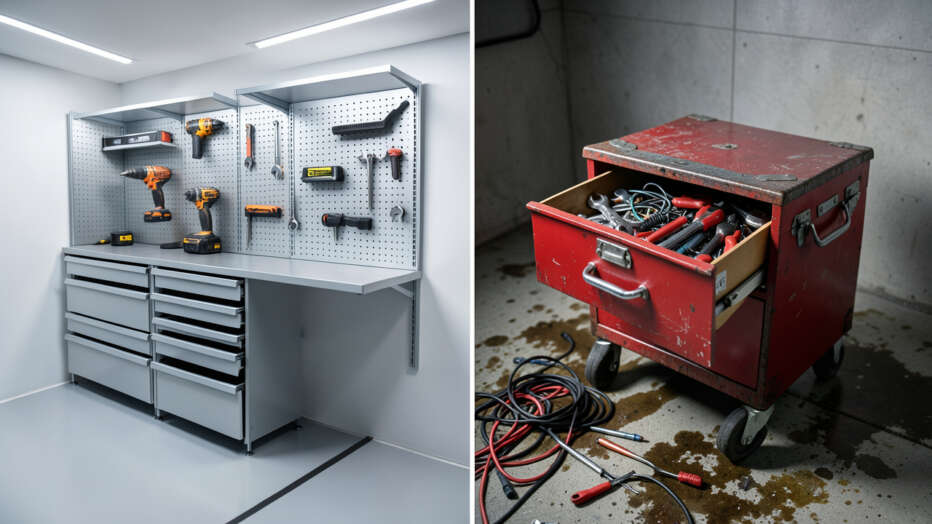
Choosing between a modular system and a traditional chest depends on your workflow and growth plans. Modular systems offer flexibility, allowing you to reconfigure your workspace as your tool collection changes. Traditional chests often provide more locked storage in a single footprint but lack the ability to expand laterally.
Professionals who frequently reconfigure their workspace benefit most from modular setups. You can add a workbench, side locker, or overhead cabinet without replacing the entire system. Traditional chests require you to sell and rebuy when your needs change.
| Feature | Modular Tool Storage | Traditional Tool Chest |
|---|---|---|
| Expandability | High (add cabinets, lockers, tops) | Low (limited to stackable top chest) |
| Workspace Integration | Excellent (built-in workbench options) | Limited (requires separate workbench) |
| Mobility | Moderate (sectional, can be moved in parts) | High (single unit on casters) |
| Customization | High (mix and match components) | Low (fixed configuration) |
If you plan to stay in the same trade for years and want a setup that grows with you, modular is the better long-term investment. Traditional chests are ideal for contractors who need a mobile, self-contained unit that moves between sites.
Planning for Future Expansion with Modular Systems
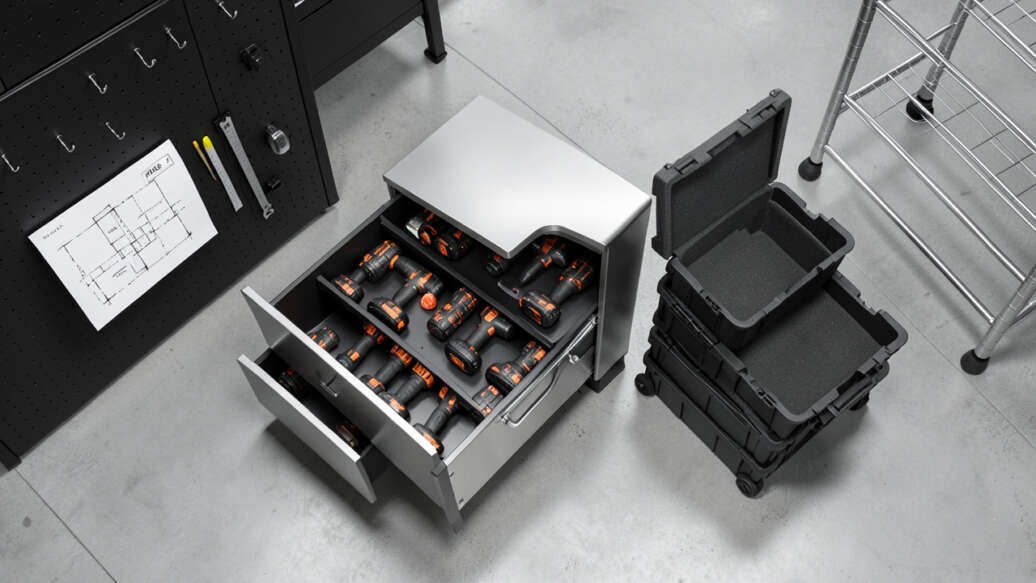
A true modular system allows you to add cabinets, lockers, and workbenches over time. Verify that the system you choose offers compatible add-ons and that the design language matches your future needs. Many brands lock you into proprietary systems, limiting your options later.
Look for interlocking mechanisms that allow secure stacking and side-by-side connections. Some systems require additional brackets or adapter plates to connect different components. These hidden requirements can add unexpected costs down the line.
- Check if the side panels have pre-drilled holes for connecting adjacent cabinets.
- Verify that the brand offers a full range of components, including lockers and wall cabinets.
- Ask about disassembly and reconfiguration if you move your shop.
- Read reviews from users who expanded their system after two to three years.
- Consider the color and design continuity if adding components later.
Important: Measure your available floor space carefully before planning expansion. A modular system that grows horizontally needs a dedicated wall length. Vertical expansion is more space-efficient but requires high ceilings and sturdy base cabinets.
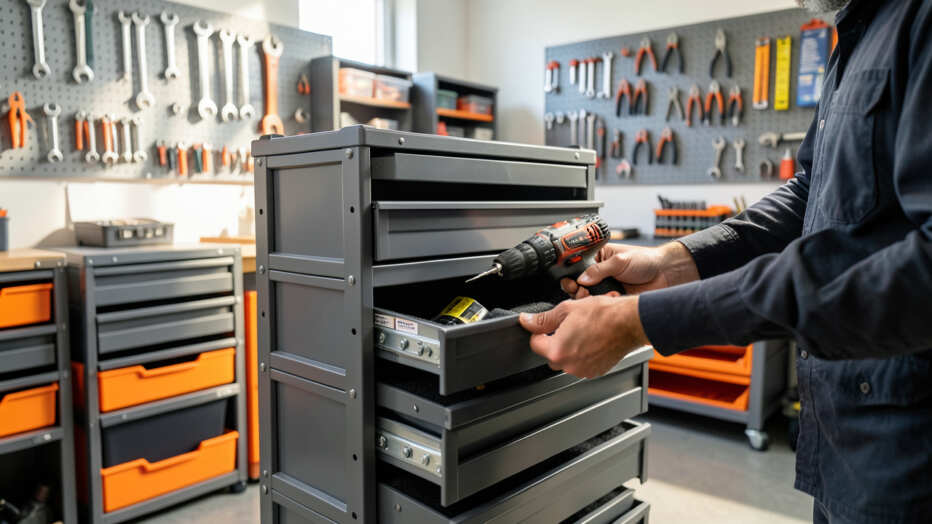
Tips for Choosing the Right Modular Tool Storage System
Making the right choice requires hands-on research. Visit showrooms, test drawer slides, and read long-term reviews from other pros before buying. An informed purchase saves money and frustration in the long run.
Start by listing your current tool inventory and estimating your storage needs for the next five years. This helps you choose the right combination of drawer depths, cabinet sizes, and workbench space. Avoid buying a system that barely fits your current tools.
Step-by-Step Selection Process
- Assess Your Tools: Categorize tools by weight and size. Heavy tools need deeper drawers with high slide ratings.
- Set a Realistic Budget: Include 20 percent for accessories like liners, power strips, and lighting.
- Measure Your Space: Account for door swing, walkways, and future expansion.
- Test Drawer Slides: Visit a showroom and test the slides with your own heavy tool sample.
- Check Reviews: Focus on reviews from professionals who use the system daily for over one year.
- Compare Warranties: Look for warranties that cover slides and locks, not just the cabinet body.
- Consider Delivery: Modular systems ship in multiple boxes. Ensure access for delivery and assembly.
Tip: If possible, buy from a local dealer who offers assembly and setup. Many online retailers ship flat-packed units that require hours of assembly. A professional install ensures alignment and proper locking function from day one.
Frequently Asked Questions
What is the best gauge steel for modular tool storage?
Generally, 16 to 18-gauge steel offers the best balance of strength and weight for professional use. Thinner steel may reduce cost but can lead to warping over time, especially in mobile setups.
Can I mix different brands of modular tool storage?
While some brands offer limited cross-compatibility, most systems are proprietary. Always check specifications and user reviews before attempting to stack or connect different brands. Adapter plates are sometimes available but may not provide a secure fit.
How much weight can a modular tool storage cabinet hold?
This varies widely. Standard professional-grade cabinets support 1,500 to 3,000 pounds total, but individual drawers have lower limits around 50 to 150 pounds per drawer. Always check the per-drawer spec for heavy tools.
Is modular tool storage worth the investment for a home garage?
For serious DIY enthusiasts and home mechanics, modular storage is a worthwhile investment. It provides better organization, protects tools from moisture and dust, and increases workspace efficiency. The cost is justified by the longevity and flexibility it offers.
What is the typical lifespan of a modular tool storage unit?
With proper care and high-quality construction, a modular system can last 20 to 30 years or more. The key components to watch are the slides, casters, and lock mechanism. Replacing these parts can extend the lifespan significantly.
Final Thoughts
Choosing modular tool storage is a significant decision that impacts your daily workflow and tool longevity. Focus on material quality, realistic weight capacity, and long-term expansion plans rather than just the upfront cost. A well-chosen system will serve you for decades, making it one of the most valuable investments in your workshop.