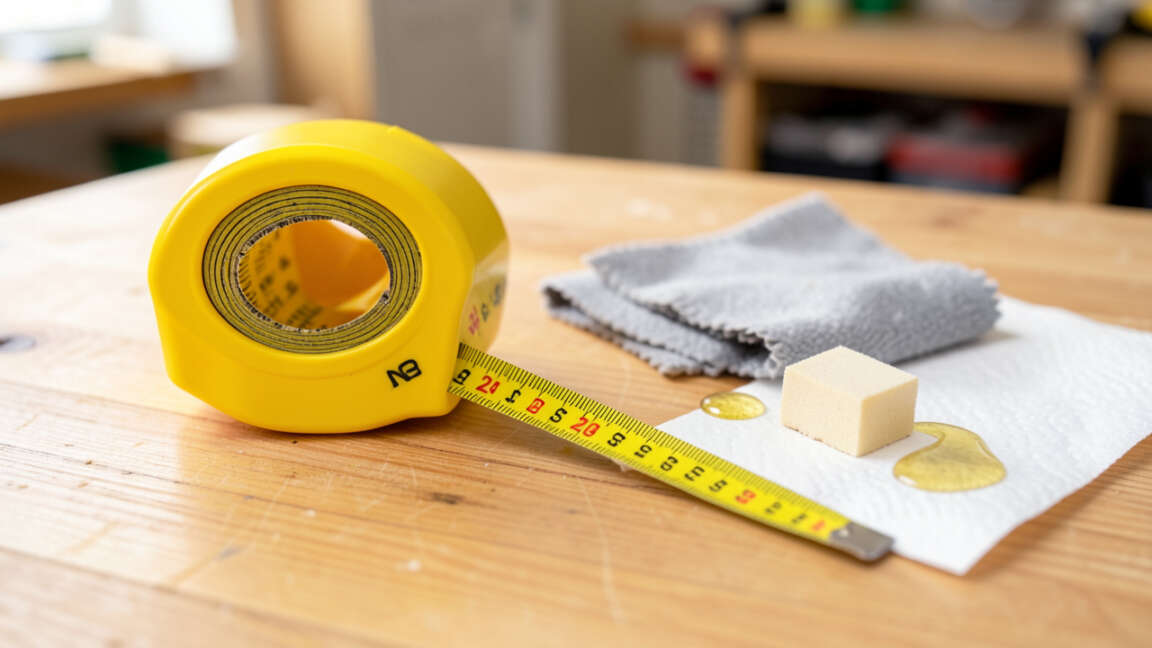

A tape measure used in home improvement stays undamaged when you retract the blade slowly, protect the hook from bending, and store it clean and dry. Over-extending the blade or letting it snap back uncontrolled causes kinks, rust, and measurement errors that lead to wasted materials and rework. Consistent care—keeping the blade clean and the hook intact—ensures accurate readings and extends the tool’s lifespan for years.
Using a tape measure without damaging it is crucial for anyone tackling home improvement projects. A damaged tape measure leads to inaccurate measurements, wasted materials, and frustrating rework. This guide covers proper techniques, maintenance tips, and common mistakes to keep your tape measure accurate and long-lasting.
In short, yes you can use a tape measure for home improvement without damaging it – as long as you handle it correctly. Avoid over‑extending the blade, protect the hook from bending, never let the tape snap back uncontrolled, and store it in a clean, dry place. With simple care, your tape measure will last for years.
Key Takeaways
- Using a tape measure without damaging it starts with proper handling: always retract it slowly.
- Keep the blade clean and dry to prevent rust and kinks that cause measurement errors.
- Protect the hook end – it’s the most vulnerable part and critical for accuracy.
- Store your tape measure in a case or drawer to avoid crushing and impact damage.
1. Why Tape Measures Get Damaged During Home Improvement
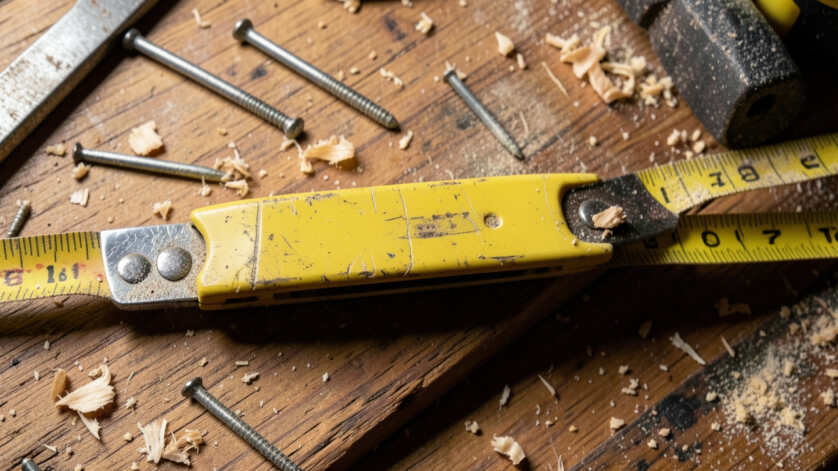
A tape measure is a simple tool, yet many homeowners unintentionally shorten its life. The most common causes of damage come from casual handling and lack of awareness. When you drop the tape measure, the blade can kink or the hook can bend.
If you let the tape snap back at high speed, the internal spring or the blade tip can crack.
According to a tool‑safety survey by Stanley Tools, nearly 70% of tape measure failures are due to user error, not manufacturing defects. The hook end, especially the slot that grips nail heads, is the first part to wear out. Dirt and grit also grind down the blade markings over time.
- Blade kinks – caused by twisting or folding the tape.
- Hooks loosening – the rivet loosens after repeated snapping back.
- Spring breakage – the internal spring snaps when the blade is forced past its limit.
- Rust and corrosion – moisture from concrete, paint, or weather.
- Measuring under tension – pulling too hard stretches the blade.
Understanding these failure points helps you adopt habits that prevent them. The average tape measure can last 5–10 years with proper care, but many fail within 1–2 years because of rough handling.
2. How to Handle a Tape Measure Correctly
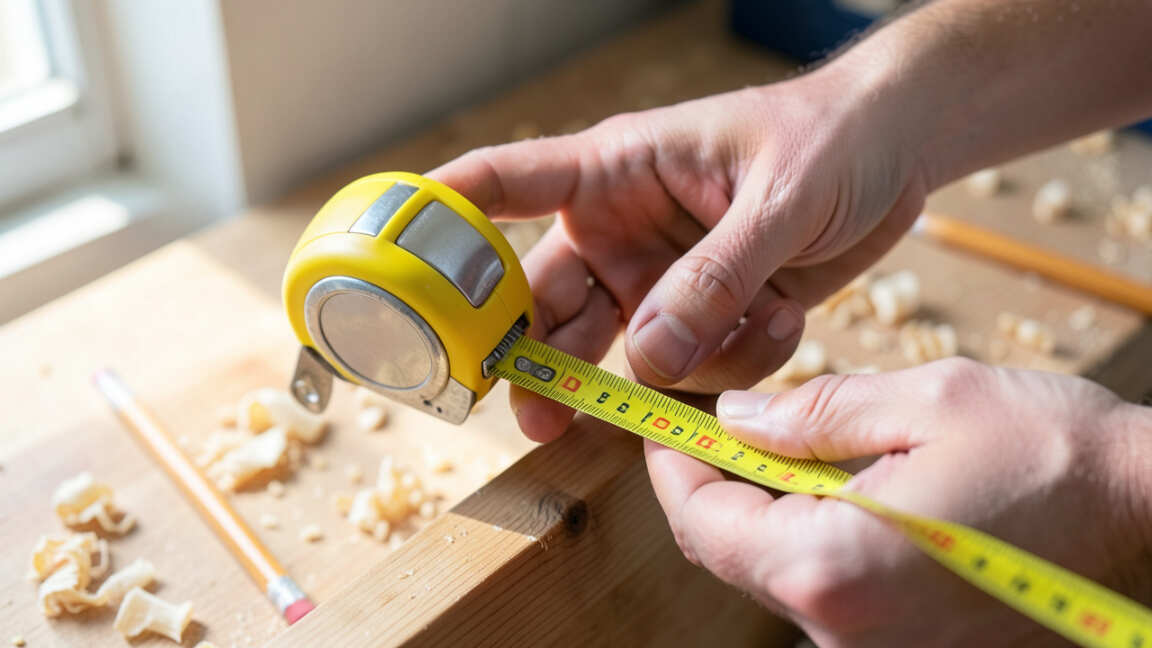
The way you hold and extend the blade makes a big difference. Always support the blade with your thumb when pulling it out for long lengths. Letting it bend under its own weight creates permanent creases.
For measurements over 6 feet, use a second person or a magnetic hook to avoid tension.
When locking the blade, engage the lock button only after the blade is fully extended. Never force the blade past its natural stop – this can wreck the internal spring. Use the hook properly: for outside measurements, hook it over the edge; for inside measurements, push the butt of the case against the wall and add the case length.
Tip: Mark the case size (typically 3 inches) on the side of your tape measure with a permanent marker. This prevents mental errors when measuring inside dimensions.
| Action | Do This | Avoid This |
|---|---|---|
| Extending the blade | Pull straight out, supporting with thumb | Let it flop or bend |
| Locking | Slide lock gently after extension | Jam lock while blade is moving |
| Retracting | Slowly guide the blade back with your hand | Press the button and let it snap |
These three actions – extending, locking, and retracting – account for 80% of tape measure damage. By practicing controlled movements, you can triple the life of your tool.
3. How to Protect the Tape Measure Hook from Bending
The hook (also called the tang) is the small L‑shaped metal end that catches on edges. It has a slight looseness built in – usually about 1/16 inch – to compensate for its thickness. If you bend it, you lose that precision.
Home improvement tasks like pulling nails, prying, or scraping paint often misuse the hook.
To protect it, never use the hook as a pry bar or nail puller. Keep the rivet tight – if it becomes loose, use a small punch or hammer to snug it. Some tape measures have replaceable hooks; others require professional repair.
According to Milwaukee Tool, bent hooks cause over 25% of tape measure accuracy complaints.
- Always hook over the edge, not beside it.
- Check the hook’s accuracy by measuring a 2×4 and comparing to a known standard.
- Clean the slot with a toothpick to remove debris.
- Avoid hitting the hook against concrete or metal surfaces.
Important: A hook that is bent even 1/32 of an inch can throw off measurements by up to 1/8 inch over 10 feet. Check your tape regularly.
4. Common Mistakes That Damage Your Tape Measure
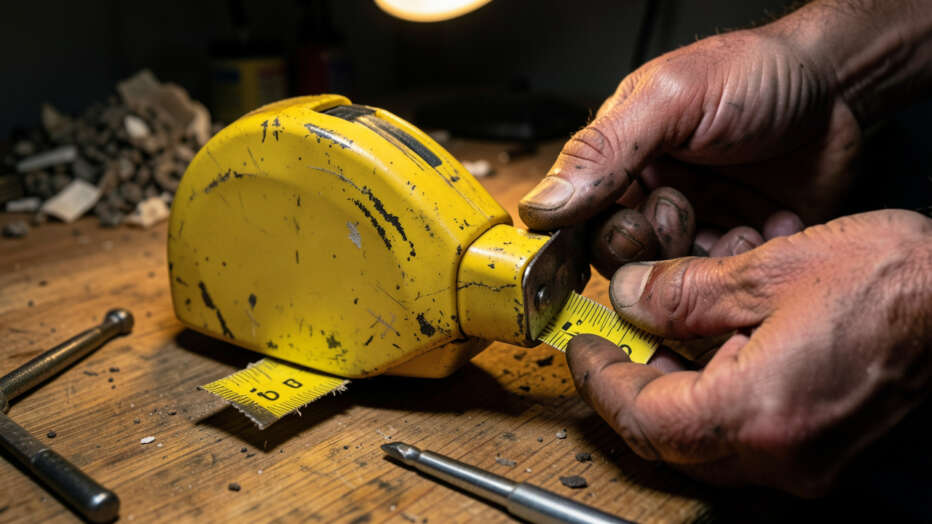
Even experienced DIYers make errors that shorten their tape measure’s life. One of the biggest is allowing the blade to retract uncontrolled – the classic “snap back.” This not only hurts the hook but can also cause the blade to kink near the tip. Another mistake is measuring wet surfaces.
Moisture seeps into the case and rusts the spring.
Here are the top five mistakes that lead to tape measure damage, based on feedback from DeWalt and Stanley support teams:
- Snap retraction – always slow the blade with your hand.
- Over‑extension – pulling the blade past its limit stresses the spring.
- Measuring in rain or wet concrete – moisture is the #1 cause of rust.
- Storing with debris on the blade – grit scratches the coating and markings.
- Dropping the tape measure – impact can crack the case or bend the blade.
By avoiding these five habits, you can keep your tape measure in top shape. A simple habit like wiping the blade with a dry cloth after each use prevents rust that could start within hours.
5. What Are the Best Practices for Retracting the Blade Safely?
Retracting the blade is where most damage occurs. Many people instinctively press the lock button and let the tape fly back. Manufacturers design the spring to handle controlled retraction, but snap‑back creates a sharp impact at the end.
This repeated shock loosens the hook rivet and can crack the plastic case.
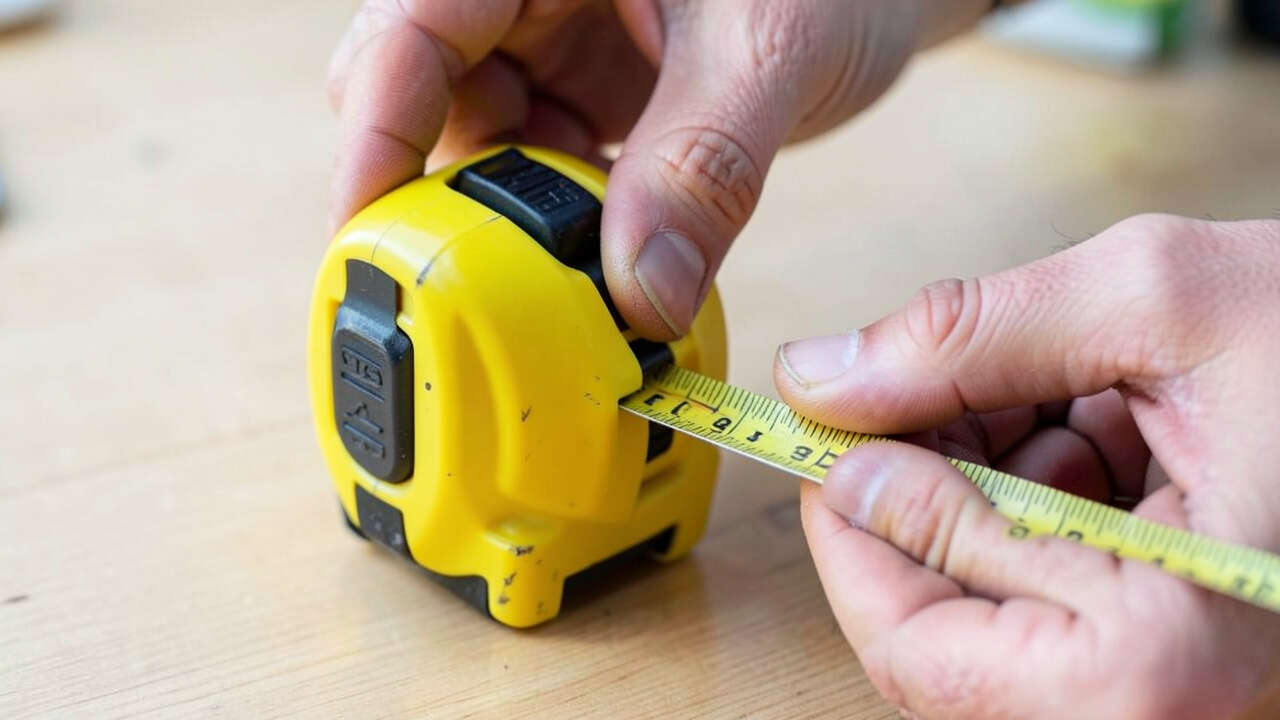
Best practice: always guide the blade back with your hand. Press the lock button slightly to release tension, then slow the blade’s movement with your palm. For long tapes (25 feet or more), walk toward the object while retracting to keep the blade straight.
Never let the blade slide across rough surfaces during retraction – lift it clear.
Warning: A tape blade snapping back at speed can cut your fingers or spring the hook off completely. Always use two hands when retracting tapes longer than 12 feet.
If you notice that the blade no longer retracts smoothly, check for dirt or kinks. Apply a light silicone lubricant to the blade (not the spring) and wipe excess. Never use oil – it attracts dust and clogs the mechanism.
6. How to Maintain and Store a Tape Measure for Longevity
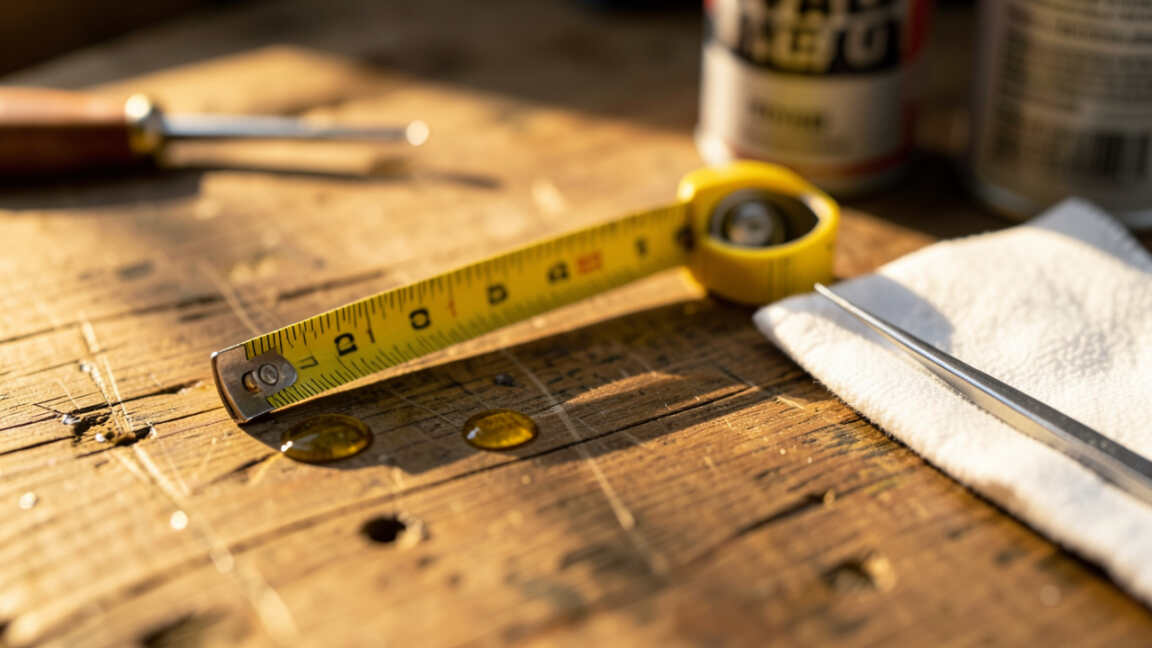
Maintenance is simple but often overlooked. After each home improvement session, wipe down the blade with a clean rag. If you’ve been measuring on painted surfaces, the blade may have paint chips or adhesive residue.
Remove these with rubbing alcohol (not acetone, which can damage the coating).
Storage is equally important. Keep your tape measure in a dry indoor environment. Avoid leaving it in a hot garage or direct sunlight – heat degrades the plastic case and can warp the blade.
Many quality tape measures come with a belt clip or case; use them. Storing loose in a tool bag invites crushing, scratching, and moisture.
| Storage Condition | Effect on Tape Measure |
|---|---|
| Dry room (60–70°F) | Ideal – no damage |
| Hot car trunk (summer) | Case warping, blade expansion |
| Damp basement | Rust and spring corrosion |
| Loose in tool bag | Scratches, dents, hook damage |
Storing your tape measure properly can extend its life by 2–3 times according to Klein Tools research. A dedicated pocket or pouch is a small investment that pays off quickly.
7. What to Do If Your Tape Measure Gets Damaged
Even with the best care, accidents happen. If your tape measure suffers a kinked blade, a bent hook, or a broken spring, don’t throw it away automatically. Many issues are repairable.
A bent hook can be straightened with pliers – but you must re‑check calibration afterward. A kinked blade can sometimes be flattened by rolling it backward over a smooth edge.
If the spring breaks or the lock button fails, check if the manufacturer offers a warranty. Brands like Stanley and Milwaukee often replace damaged tape measures for free within the warranty period (typically 1–3 years). For non‑warranty cases, replacement is usually more cost‑effective than professional repair.
A new quality tape measure costs $10–$25.
- Bent hook: Straighten with pliers, then test against a known length.
- Kinked blade: Gently hammer on a flat steel surface to flatten.
- Rust spots: Remove with fine steel wool and apply light oil.
- Broken spring: Not repairable – replace the tape measure.
- Cracked case: Superglue can work temporarily; replace for safety.
Tip: Always test your tape measure’s accuracy after any repair. Measure a standard 2×4 (actual width 3.5 inches) and compare.
8. How to Choose a Durable Tape Measure for Home Improvement
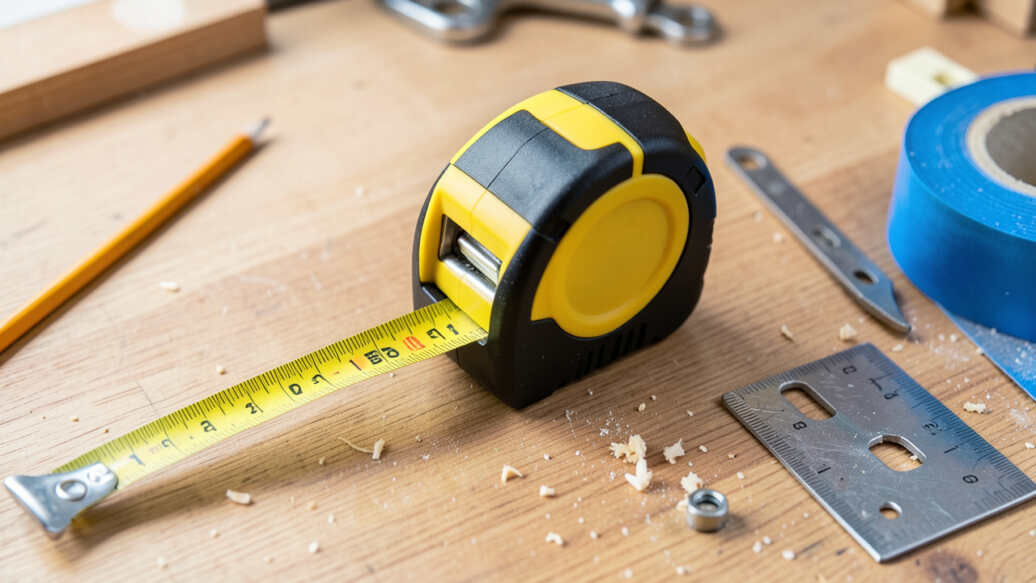
Prevention starts with the right tool. Not all tape measures are built the same. For home improvement, look for one with a thick blade coating (nylon or polyester) that resists wear.
A 25‑foot model is the most versatile. A standout feature is a “self‑locking” mechanism that holds the blade automatically, reducing damage from accidental retraction.
Consider the case material: rubber‑over molded cases absorb drops better than bare plastic. A magnetic hook is helpful for metal framing but adds weight. For electrical work, a non‑conductive composite case is safer.
According to Consumer Reports, high‑end tape measures last 3 times longer than budget ones when used daily.
| Feature | Why It Matters |
|---|---|
| Nylon blade coating | Reduces scratches and rust |
| Rubber grip case | Shock‑absorbing for drops |
| Reinforced hook | Double rivet – stays accurate |
| Self‑lock mechanism | Prevents snapping back |
Spending a few extra dollars upfront buys you durability and easier handling. A $15 tape measure from a known brand will outperform a $5 no‑name in both accuracy and lifespan.
Frequently Asked Questions
Can I use a tape measure on wet surfaces?
You can, but you should wipe the blade dry immediately afterward. Moisture left on the metal will cause rust within hours, especially if the coating is worn. If you work in damp conditions often, choose a stainless steel blade or one with a waterproof coating.
How often should I replace my tape measure?
Replace it when the hook becomes loose beyond adjustment, when the blade has kinks that won’t flatten, or when markings wear off. For occasional home use, a tape measure can last 5–7 years. For professional daily use, replacement every 1–2 years is common.
Are magnetic tape measures more durable?
Not necessarily. The magnet adds weight and can attract metal filings that scratch the blade. However, the hook is often stronger on magnetic models.
Their main advantage is hands‑free measuring on metal studs or beams.
Why does my tape measure wobble at the hook?
The hook is intentionally loose – usually 1/16 inch – to compensate for its own thickness. This allows accurate inside and outside measurements. If the wobble increases beyond that, the rivet may be worn.
Tighten it lightly with a hammer and punch.
Can I fix a tape measure that won’t retract?
Yes, often. First, check for a kink near the end – straighten it gently. Next, clean the blade and the case interior.
If the spring is broken, you can’t repair it; replace the tape measure. Some brands offer replacement blades, but it’s usually easier to buy a new one.
Final Thoughts
Using a tape measure without damaging it comes down to mindful habits – retract it slowly, protect the hook, keep it dry, and store it properly. These simple actions prevent the most common causes of failure and keep your measurements accurate. With a little care, your tape measure will serve you reliably for many home improvement projects to come.