
Avoiding the ten common pergola maintenance mistakes—such as neglecting regular cleaning, ignoring wood rot, skipping sealing or staining, and using harsh chemicals—prevents long-term structural damage. Regular inspections for loose fasteners and proper drainage are critical to extending the life of any wooden or vinyl pergola. Maintaining shade cloth and addressing insect damage immediately preserves both functionality and appearance.
Many folks want a nice pergola but find keeping it in good shape a bit tricky. You might worry about doing it wrong, especially when you’re new to this. It’s totally okay if you’re not sure where to start!
This guide breaks down the 10 Pergola Maintenance Mistakes you can easily avoid. We’ll show you simple steps to keep your pergola looking great for years to come. Ready to learn how to care for your outdoor space the right way?
Key Takeaways
- You’ll learn the most common mistakes people make when caring for their pergolas.
- We explain why ignoring small issues can lead to big problems.
- You’ll discover simple ways to clean and protect your pergola’s wood or vinyl.
- Tips on checking for and fixing loose parts will be shared.
- Understand the importance of regular inspections for early problem detection.
- Learn how to protect your pergola from weather damage.
Understanding Pergola Maintenance
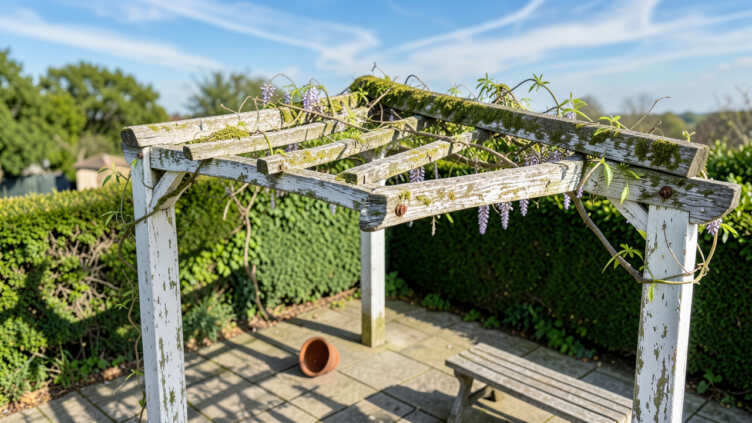
Pergolas add charm and shade to any yard. They are lovely structures that can really make an outdoor space feel special. But, like anything outside, they need a little care to stay looking their best.
Some people think it’s hard work, but it’s really about knowing what to do and when.
Ensure proper drainage around your pergola's roof or attachment points to avoid water damage and structural issues.
Regularly inspect your pergola for debris and moisture buildup to prevent long-term damage and costly repairs.
When you first get a pergola, it’s exciting! You imagine relaxing under it all summer. However, over time, weather and use can take a toll.
Not taking care of it can lead to problems that are harder and more expensive to fix later. This is where knowing the common pitfalls comes in handy.
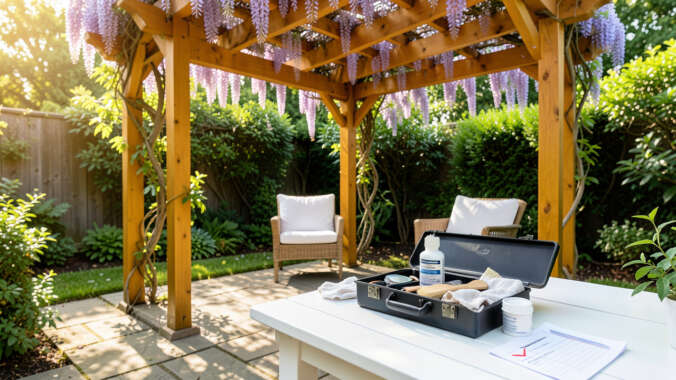
The 10 Common Pergola Maintenance Mistakes
Let’s talk about the most frequent slip-ups that can affect your pergola. Avoiding these will help your pergola last much longer and look better.
1. Not Cleaning Your Pergola Regularly
One of the biggest mistakes is letting dirt, leaves, and grime build up. This stuff isn’t just ugly; it can actually damage the material of your pergola.
For wooden pergolas, trapped moisture from dirt and leaves can lead to rot and mold. For vinyl or metal, it can look dull and might even lead to rust or discoloration over time.
A simple wash-down once or twice a year can make a huge difference. Use mild soap and water. For tougher spots, a gentle scrub brush works well.
2. Ignoring Wood Rot or Insect Damage
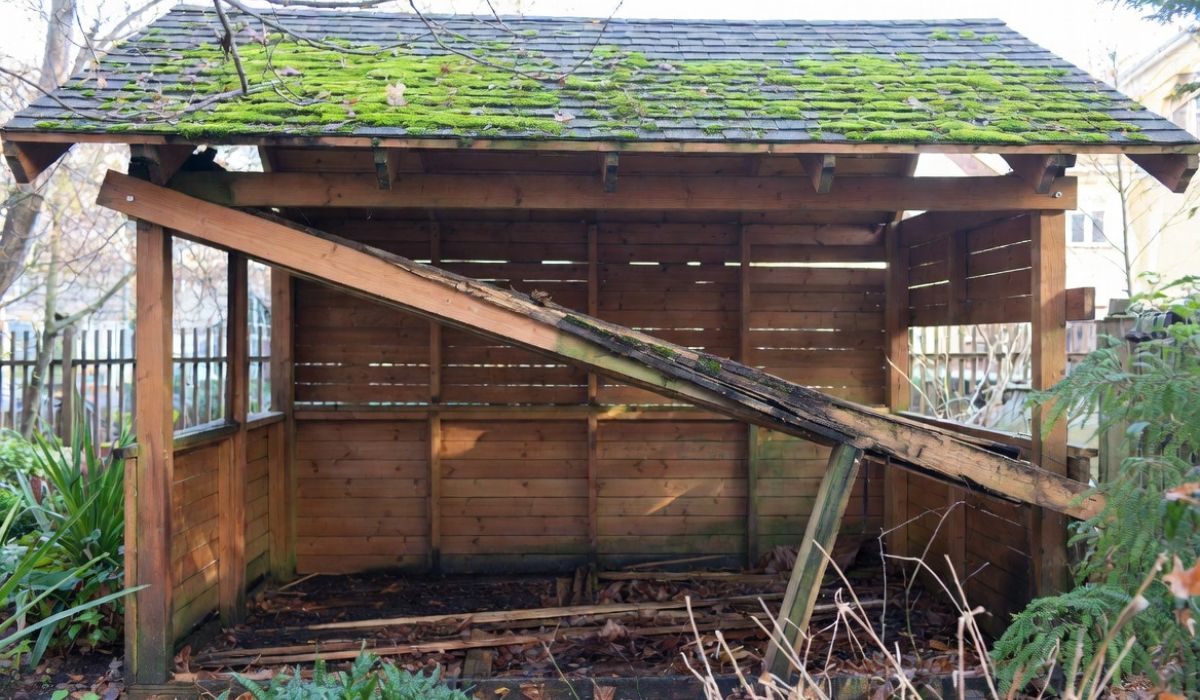
Wood is a natural material, and it can rot if it gets too wet or is attacked by insects. If you see soft spots, discoloration, or small holes, that’s a red flag.
Small areas of rot or insect damage can spread quickly if not treated. It’s much easier to fix a small problem than a large one.
Inspect your wooden pergola carefully, especially where the wood touches the ground or posts connect. Use a screwdriver to gently poke at suspicious spots to check for softness.
3. Skipping Sealing or Staining for Wooden Pergolas
Wood needs protection from the sun and rain. If you have a wooden pergola, it needs to be sealed or stained regularly. This acts like sunscreen and a raincoat for the wood.
When wood dries out, it can crack. When it stays wet, it can rot or grow mold. Sealing and staining help keep the moisture balance right.
The exact timing depends on the product you use and your local weather. Usually, every 1–3 years is a good rule of thumb. A quick water test can help: if water soaks into the wood instead of beading up, it’s time to reseal.
4. Not Checking for Loose Fasteners
Over time, screws, bolts, and nails can loosen up. This is especially true with wood expanding and contracting with temperature changes.
Loose fasteners can make your pergola wobbly. This is not only unsafe but can also cause more stress on other parts of the structure, leading to bigger issues.
Take a walk around your pergola and check all the connections. Tighten any loose screws or bolts. If you see a nail that has popped out, tap it back in or replace it.
5. Forgetting About Drainage
If your pergola has a solid roof or is attached to your house, good drainage is important. Water pooling on the roof or around the base can cause problems.
Water damage is a major enemy of pergolas. It can lead to rot, mold, and even structural weakness.
Make sure any roofing material is sloped correctly so water runs off. Check that the ground around the base of the posts allows water to drain away from the wood.
6. Overlooking the Importance of Shade Cloth or Fabric Covers
If your pergola has a shade cloth or fabric cover, it needs care too. These can get dirty, ripped, or faded.
A damaged shade cloth doesn’t provide good sun protection and can look bad. It can also let water through, which might not be what you want.
Clean your shade cloths according to the manufacturer’s instructions. Inspect them for tears or weak spots. Repair or replace them as needed to keep your shaded area comfortable.
7. Using Harsh Cleaning Chemicals
When cleaning, it’s easy to grab the strongest cleaner under the sink. But harsh chemicals can actually damage your pergola’s material.
Strong chemicals can strip finishes from wood, fade paint, or even weaken certain types of plastic or metal.
Always opt for mild soaps, water, and gentle scrubbing. If you need something stronger for a specific stain, test it in an inconspicuous spot first.
8. Waiting Too Long to Address Mildew or Algae Growth
In damp or shaded areas, you might see green or black patches of mildew or algae. These can grow on wood, vinyl, or metal.
While not always an immediate structural threat, mildew and algae can stain your pergola and make it look old and unkempt. Left unchecked, they can sometimes contribute to material breakdown.
A solution of water and a little bleach (around 1 part bleach to 10 parts water) can often help remove mildew. Always rinse thoroughly afterward. Wear gloves and eye protection when using bleach.
9. Not Protecting from Extreme Weather
Your pergola is exposed to the elements all year. Strong winds, heavy snow, or intense sun can all cause damage if the pergola isn’t strong or protected.
During heavy storms, high winds can lift or damage parts of the pergola. Heavy snow can put a lot of weight on the roof or crossbeams.
Before severe weather hits, inspect your pergola for any weak points. In areas with heavy snow, you might need to clear snow from the top. If you live in a very windy area, ensure your pergola is securely anchored.
10. Ignoring the Surroundings
Sometimes, problems with a pergola start with what’s around it. Overgrown plants, poor drainage near the base, or debris accumulating can cause issues.
Plants growing too close can rub against the wood, causing wear. They can also trap moisture. Debris can hide problems or create damp spots.
Keep the area around your pergola clean and tidy. Trim back any plants that are touching the structure. Ensure that water flows away from the pergola’s base.
Frequently Asked Questions
Question: How often should I clean my pergola?
Answer: It’s a good idea to give your pergola a good cleaning at least once or twice a year. More often if it seems to get particularly dirty or has lots of leaves falling on it.
Question: What’s the best way to clean mold or mildew off my pergola?
Answer: For mold and mildew, a gentle solution of one part bleach to ten parts water usually works well. Scrub gently with a soft brush and then rinse thoroughly with plain water. Always test in a small area first and wear protective gear.
Question: My wooden pergola looks dry and faded. What should I do?
Answer: If your wooden pergola looks dry and faded, it’s likely time to reseal or restain it. This will protect the wood from further drying, cracking, and moisture damage.
Question: Can I use a pressure washer on my pergola?
Answer: It’s generally best to avoid pressure washers, especially on wooden pergolas. The high pressure can damage the wood fibers, strip finishes, and even cause splintering. A regular hose and gentle brush are safer.
Question: What if I notice my pergola is a bit wobbly?
Answer: If your pergola feels wobbly, you should check all the main connections and fasteners. Tighten any loose bolts or screws. If the wobbling persists or seems significant, it might be a good idea to have a professional take a look to ensure it’s safe.
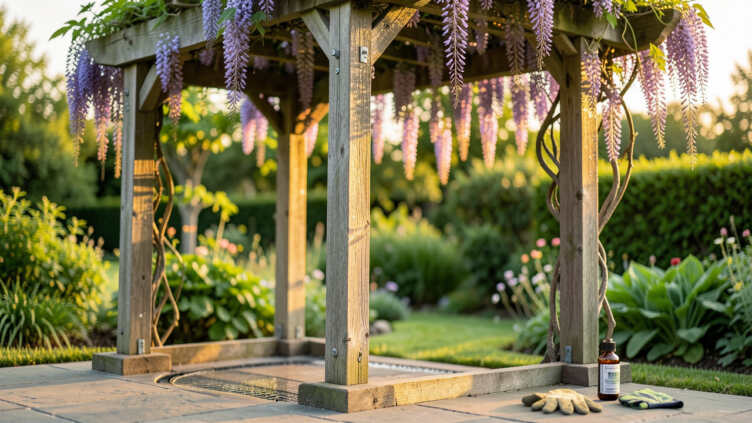
Final Thoughts
Taking care of your pergola doesn’t have to be hard. By avoiding these 10 common maintenance mistakes, you can keep your pergola looking great. Simple cleaning, checking for loose parts, and protecting the material will help it last.
Pay attention to small signs of wear. A little regular care means more enjoyment for years.