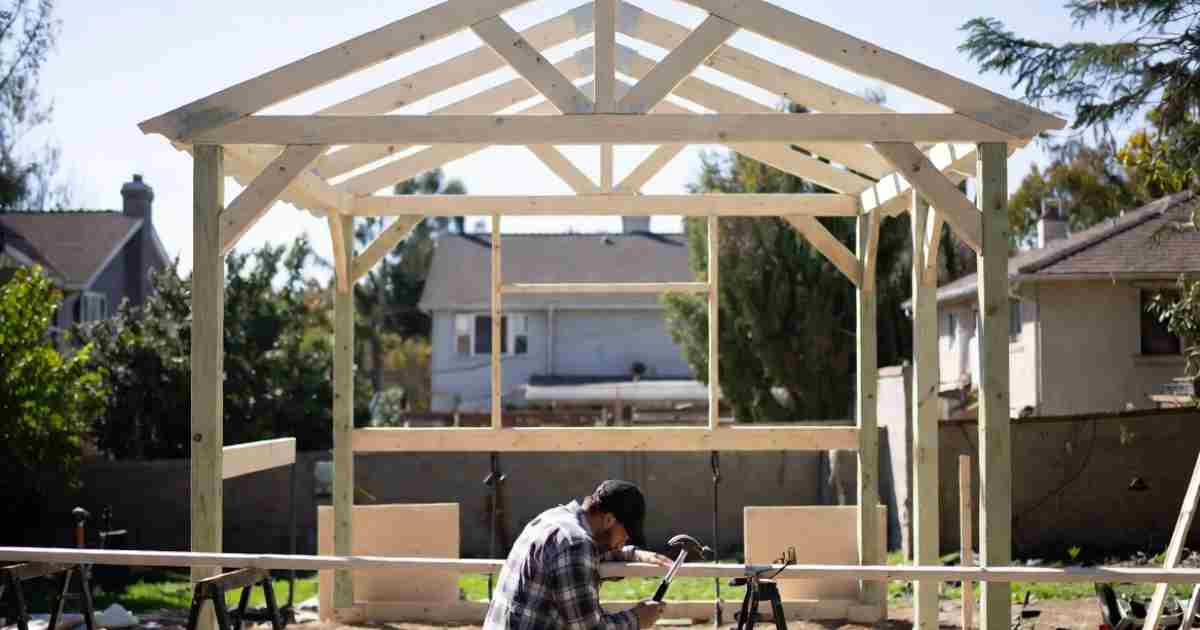

Setting up a pergola involves several common mistakes that can compromise its stability and longevity, including choosing the wrong location, ignoring local building codes, using improper materials, and neglecting structural considerations like foundation, drainage, and wind loads. Proper planning for site placement, permits, and material suitability ensures the pergola functions safely and lasts for years. The key takeaway is that attention to location, foundation, and compliance with local regulations prevents costly errors and structural failures.
Setting up a pergola can make your backyard look amazing, but it’s easy to run into a few snags if you’re not careful. Many people find that figuring out the best way to build one can be a bit tricky, leading to common issues. Don’t worry!
We’ll walk you through the 10 Mistakes People Make When Setting Up Pergolas so yours turns out just right. We’ll show you the simple steps to avoid these problems.
Key Takeaways
- You’ll learn about picking the right spot for your pergola.
- Discover why proper foundation work is super important.
- Understand the common issues with assembly and how to fix them.
- Find out how to choose materials that last.
- Learn about planning for local rules and permits.
- See why thinking about drainage is key.
Common Pitfalls When Building a Pergola
Choosing the Wrong Location
One of the biggest slip-ups is not picking the best place for your pergola. You want to think about sunshine, shade, and how it fits with your house and yard. Putting it where it’s always in the hot sun can make it uncomfortable.
Or maybe it blocks a nice view. Taking time to survey your yard is a big help.
Ignoring Local Building Codes and Permits
Many people forget that they might need a permit to build a pergola. Different towns and cities have different rules about structures. If you don’t check, you might have to take it down.
It’s always a good idea to call your local building department first. They can tell you what you need to do.
Poor Foundation or Anchoring
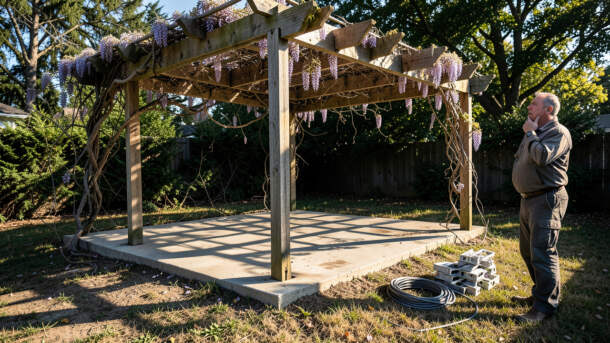
A pergola needs a strong base to stand tall and stay safe. Not digging deep enough for posts or not using the right concrete can cause problems. If your pergola isn’t built on a solid foundation, it could lean or even fall over in strong winds.
This is a really important step for safety.
Using the Wrong Materials
The type of wood or other materials you use matters a lot. Some woods rot easily or get eaten by bugs. Using treated lumber or strong, weather-resistant materials will make your pergola last much longer.
Don’t go for the cheapest option if it means it won’t stand up to the weather.
Incorrect Post Spacing and Support
Posts need to be spaced just right to hold up the roof beams. If they are too far apart, the roof could sag. Too close, and it might look crowded.
Before finalizing the pergola location, test the sun’s path throughout the day to ensure the area stays comfortable and doesn’t block any desirable views.
Make sure you follow a good plan for how to place your posts and how to attach the beams securely.
Not Planning for Drainage
When it rains, water needs somewhere to go. If your pergola design causes water to pool around the posts, it can lead to rot and damage over time. Thinking about how water will flow away from your pergola is a smart move for its long-term health.
Overlooking Structural Integrity
Building a pergola isn’t just about making it look pretty; it has to be strong. This means using the right screws, bolts, and brackets. Cutting corners here can lead to a wobbly structure that’s unsafe.
Always use hardware that’s designed for outdoor use and rated for the weight it needs to hold.
Ignoring Wind Loads
Wind can put a lot of stress on a pergola. If it’s not built to handle wind, it could be damaged or even blown over. Your location’s typical wind speed should be a factor in how you design and build your pergola.
Stronger bracing and deeper posts help a lot.
Failing to Account for Weight Capacity
Think about what you might hang from your pergola, like plants or lights. If you plan to add a shade sail or other heavy items, you need to build it strong enough to support that extra weight. Don’t assume it can hold more than it’s designed for.
Poor Assembly Techniques
Even with the best materials and plans, poor assembly can ruin a pergola. This includes not measuring correctly, not making cuts straight, or not tightening fasteners properly. Take your time and follow the instructions carefully.
A little extra care during assembly saves headaches later.
Frequently Asked Questions
Question: How do I know if I need a permit for my pergola?
Answer: You should always check with your local city or county building department. Rules vary by location, but many places require permits for structures over a certain size or height.
Question: What is the best type of wood for a pergola?
Answer: Cedar and redwood are great choices because they naturally resist rot and insects. Pressure-treated pine is also a good, more affordable option, but make sure it’s rated for ground contact if posts will be in the ground.
Question: How deep should pergola posts be set in the ground?
Answer: A common rule of thumb is to bury posts at least one-third of their total length, or below the frost line in your area. This ensures stability against wind and frost heave.
Question: Can I build a pergola on a concrete patio?
Answer: Yes, you can build a pergola on a concrete patio. You’ll typically use post anchors that are bolted to the concrete surface to secure the posts.
Question: How much weight can a standard pergola support?
Answer: This depends on the design, materials, and construction. A well-built standard pergola can support plants and lights, but it’s best to consult a builder or engineer if you plan to hang heavier items like swings or large shade sails.
Final Thoughts
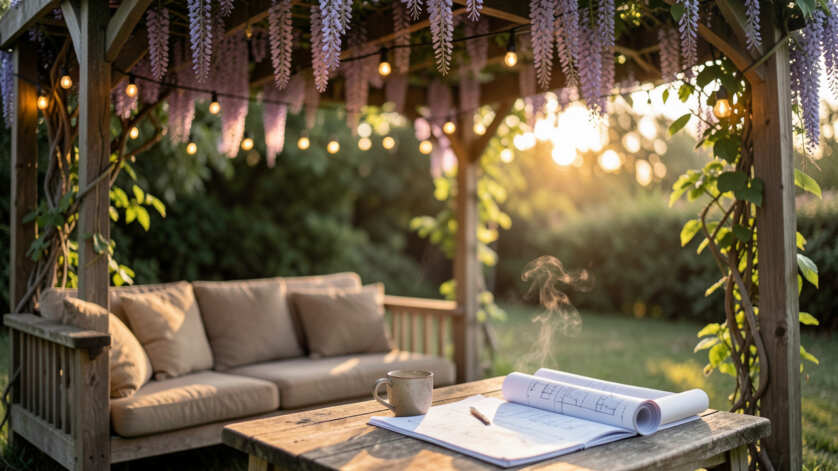
Building a pergola can be a rewarding project. By watching out for common issues, you can make sure yours is sturdy, safe, and looks great for years. Think about where it will go, check local rules, and build a strong base.
Using good materials and paying attention to details during assembly will lead to a pergola you can enjoy for a long time. Follow these tips, and your backyard project will be a success.