
Using a socket set in a car toolkit enables faster, more torque-efficient loosening and tightening of nuts and bolts compared to wrenches or pliers. The socket’s precise fit reduces the risk of rounding off fastener heads, making roadside repairs and routine maintenance more reliable. This upgrade transforms a basic roadside kit into a capable repair arsenal that handles the majority of fasteners found on modern vehicles.
Using a socket set in a car toolkit instantly upgrades your ability to handle roadside emergencies and routine vehicle maintenance with less effort and better results. This post explains exactly what changes when you add a socket set to your car toolkit and why it becomes an indispensable companion for any driver.
Simply put, adding a socket set to your car toolkit means you can loosen and tighten nuts and bolts faster, with more torque, and with less risk of stripping fasteners. It transforms your roadside kit from a basic setup into a genuine repair arsenal that handles most common car issues.
Key Takeaways
- Using a socket set in a car toolkit provides faster and more secure fastening compared to wrenches or pliers.
- Socket sets offer better torque transfer and reduce the risk of rounding off bolt heads during repairs.
- A socket set in a car toolkit covers the majority of fasteners found on modern vehicles, from engine components to suspension parts.
- Choosing the right drive size and socket types ensures you are prepared for both light maintenance and emergency roadside fixes.
What Is a Socket Set and Why Belongs in Your Car Toolkit?
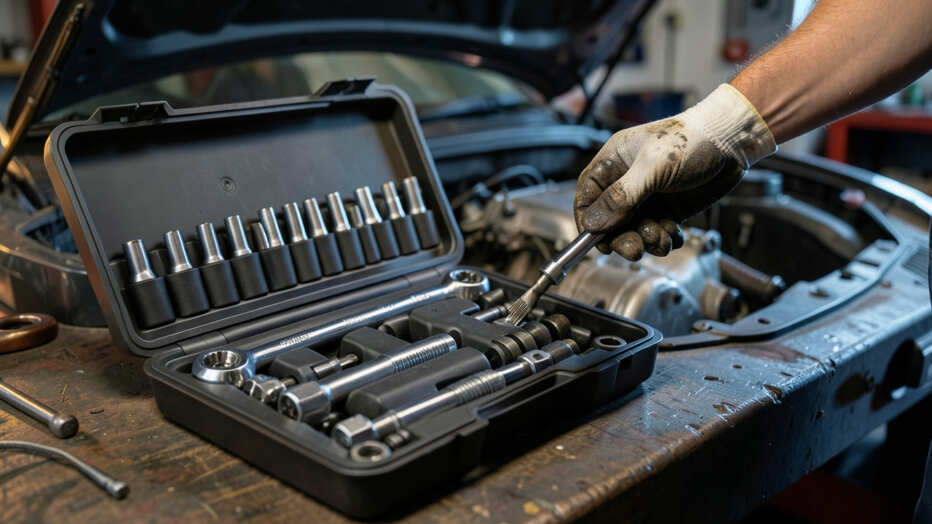
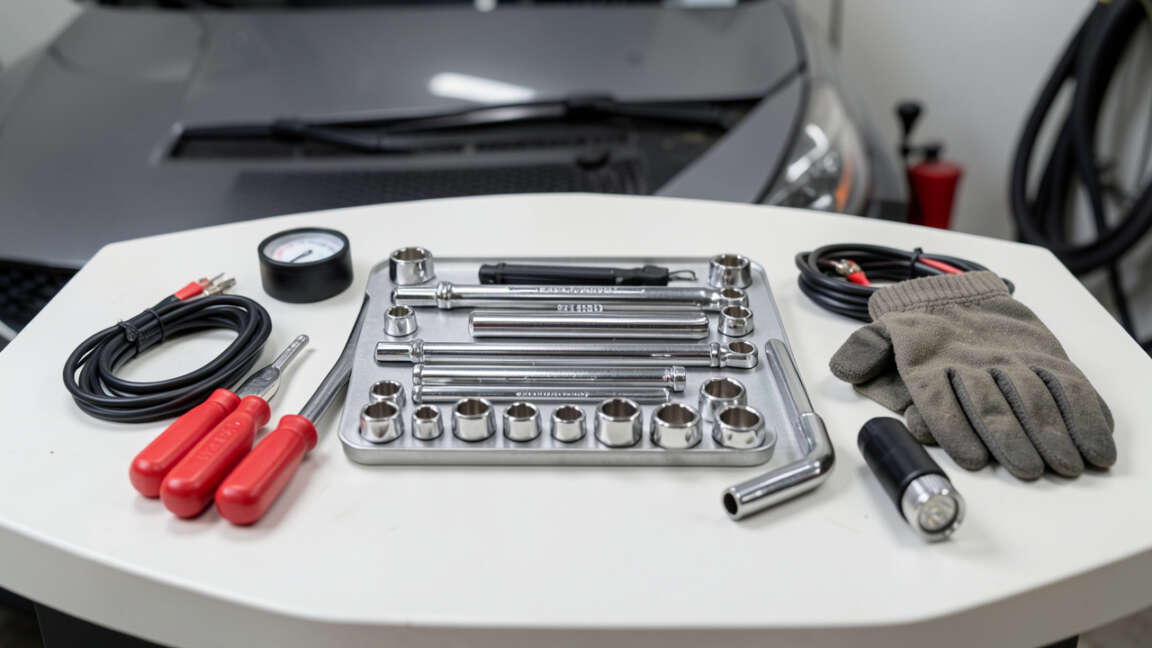
A socket set is a collection of sockets and driving tools designed to tighten or loosen nuts and bolts. The core components include a ratchet handle, various sockets in different sizes, and often extension bars and universal joints. When you place a socket set in your car toolkit, you gain a system that applies torque efficiently and securely to fasteners.
Sockets fit snugly over bolt heads and nuts, distributing force evenly around the entire fastener. This prevents the slipping and damage that commonly occurs with open-end wrenches or adjustable pliers. The ratchet mechanism allows you to turn the fastener without repositioning the tool after each movement, making the work significantly faster.
Modern vehicles contain hundreds of bolted connections. From alternator brackets to brake calipers, suspension links to engine mounts, almost every system relies on nuts and bolts. A socket set in a car toolkit ensures you can address the most common fastener sizes found under the hood and underneath the vehicle.
- Standard 3/8-inch drive socket set covers most engine bay and interior fasteners
- 1/2-inch drive set handles larger suspension and chassis bolts
- Metric sizes (10mm, 12mm, 14mm, 17mm, 19mm) fit the vast majority of modern cars
- SAE sizes remain essential for older American and some classic vehicles
- Deep sockets reach recessed bolts that shallow sockets cannot access
- Extension bars allow access to fasteners hidden behind components
- Universal joints enable work at awkward angles around the engine bay
| Drive Size | Common Socket Sizes | Best For |
|---|---|---|
| 1/4-inch | 4mm to 14mm | Interior trim, small bolts, electronics |
| 3/8-inch | 8mm to 19mm | Engine bay, brakes, suspension components |
| 1/2-inch | 10mm to 24mm | Wheel lugs, large suspension bolts, axle nuts |
Selecting the right drive size matters because it affects how much torque you can apply and which fasteners you can reach. Most drivers find that a 3/8-inch drive socket set provides the best balance of versatility and portability for a car toolkit.
How Using a Socket Set in a Car Toolkit Saves Time and Effort
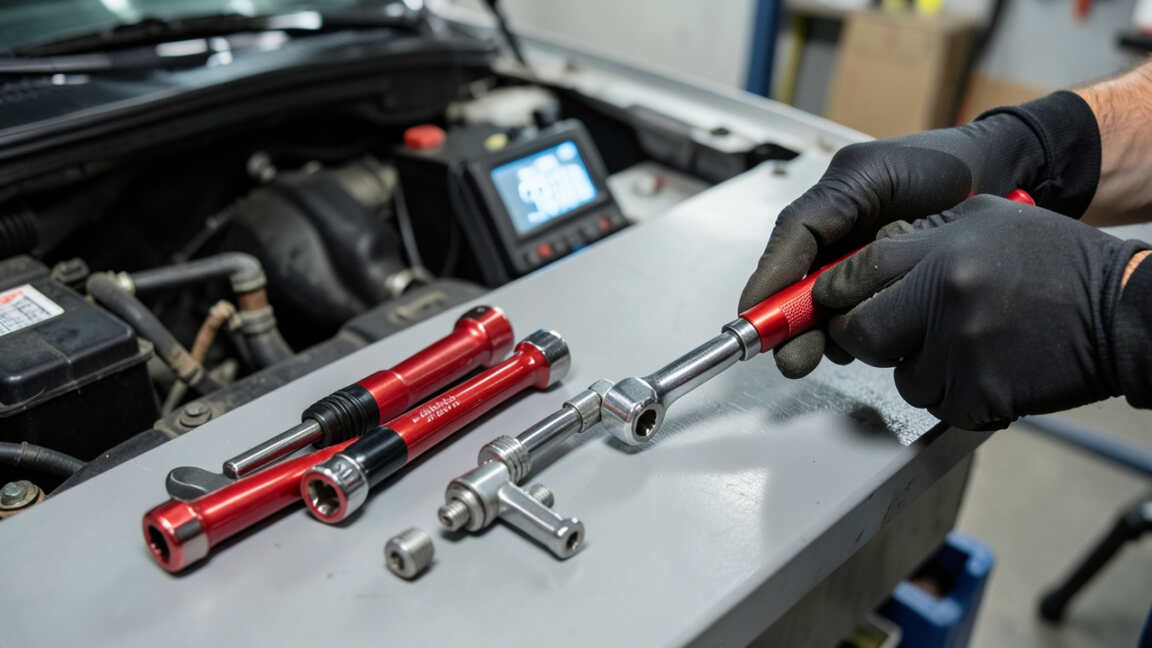
Using a socket set in a car toolkit dramatically reduces the time needed to complete common roadside repairs. The ratchet mechanism allows continuous rotation without lifting the tool off the fastener, which cuts work time by roughly half compared to using a standard wrench. In emergency situations, this speed can mean the difference between a quick fix and being stranded.
The secure fit of a socket over a bolt head also reduces physical effort. You apply less force to achieve the same result because the socket grips the fastener evenly. There is no need to hold the tool at an angle or readjust your grip after each turn.
This is especially valuable in tight spaces under the hood or when working in low-light roadside conditions.
According to the National Institute for Automotive Service Excellence, using proper socket tools reduces repair time by up to 60 percent compared to using adjustable wrenches or pliers. For a driver changing a flat tire or tightening a loose battery terminal, that time savings is substantial.
- Battery terminal replacement: A 10mm socket tightens the clamp in seconds compared to fumbling with a wrench.
- Air filter housing: Remove four to six 8mm or 10mm bolts in under a minute with a ratchet and socket.
- Alternator belt tensioner: Access the tensioner bolt with a deep socket and extension bar quickly.
- Wheel lug nuts: A 1/2-inch drive socket set loosens and tightens lugs faster than the factory wrench.
- Sensor replacement: Oxygen sensors and camshaft position sensors use specific socket sizes that a kit covers.
Tip: Keep a small socket set with a 3/8-inch ratchet and the five most common metric sockets (10mm, 12mm, 14mm, 17mm, 19mm) in your glove box. This minimalist kit handles 80 percent of roadside repairs without taking up much space.
The efficiency gain from a socket set also reduces fatigue during longer repair sessions. When you are working on the side of the road in less-than-ideal conditions, every minute saved and every ounce of effort preserved matters. A socket set in your car toolkit directly contributes to a safer and quicker roadside experience.
What Types of Sockets Work Best in a Vehicle Toolkit?
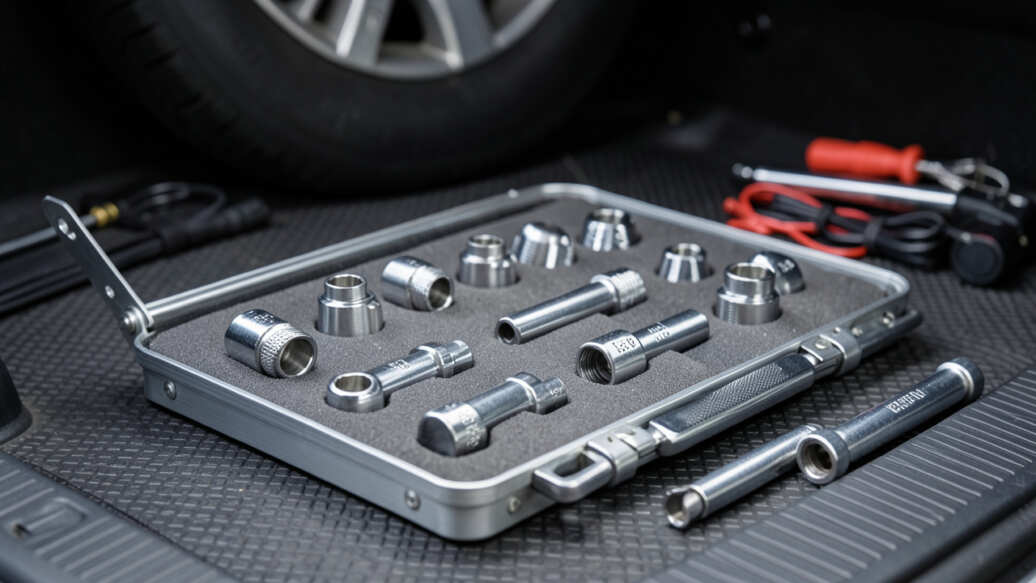
Not all sockets are created equal, and choosing the right types for your car toolkit affects how well the set performs in real-world situations. The two primary distinctions are between shallow and deep sockets and between 6-point and 12-point designs. Each serves a specific purpose in automotive work.
Shallow sockets work well for exposed fasteners where you have clear access. Deep sockets are essential for reaching bolts that are recessed into components or for fasteners with long threads, such as spark plugs. A socket set in a car toolkit should include both shallow and deep options in the most common sizes.
The point design matters significantly. A 6-point socket grips the flat sides of a bolt head and distributes force evenly across six contact points. A 12-point socket offers twice as many engagement positions but applies force to the corners, which increases the risk of rounding off worn or rusted bolts.
For automotive use, 6-point sockets are the safer choice.
| Socket Type | Advantages | Best Automotive Uses |
|---|---|---|
| 6-Point Shallow | Maximum grip, low rounding risk | Engine bolts, brackets, mounts |
| 6-Point Deep | Reaches recessed fasteners | Spark plugs, intake manifold bolts |
| 12-Point Shallow | Easier to position in tight spots | Interior trim, low-torque fasteners |
| Impact Sockets | Harder material, withstands power tools | Lug nuts, suspension bolts (with impact wrench) |
Impact sockets are made from tougher chrome molybdenum steel and are designed to withstand the repeated hammering of impact wrenches. If you plan to use power tools on the road, impact sockets are a worthwhile addition. For manual ratchet use, standard chrome vanadium sockets are sufficient and more compact.
- Metric sockets from 8mm to 19mm cover most modern vehicle fasteners
- Deep sockets in 10mm, 12mm, 14mm, and 17mm are the most commonly needed
- A 6-point design is strongly recommended for all automotive socket sets
- Chrome vanadium material offers good durability at a reasonable weight
- Cr-Mo (chrome molybdenum) sockets are heavier but more impact-resistant
- Magnetic socket trays keep sizes organized and prevent loss during roadside work
Important: Always use the correct socket size for each fastener. Forcing an oversized socket onto a bolt head will strip the corners and make removal extremely difficult. If a socket feels loose, stop and find the right size.
Key Benefits of Having a Socket Set in Your Car
A socket set in your car toolkit delivers benefits that go beyond simple convenience. The ability to properly tighten and loosen fasteners affects your safety, your vehicle reliability, and your peace of mind during travel. Understanding these benefits helps you appreciate why a socket set is more than just another tool.
One of the most significant advantages is torque accuracy. When you tighten a bolt to specification, you ensure that components remain properly secured. Under-tightened bolts can vibrate loose over time, while over-tightened bolts can strip threads or damage components.
A socket and ratchet give you better control than a wrench or pliers.
The Automotive Aftermarket Industry Association reports that 70 percent of car owners perform at least some of their own maintenance. For these drivers, a socket set in the car toolkit means they can handle tasks like battery replacement, air filter changes, and belt adjustments without relying on a service center.
- Versatility: One socket set replaces multiple wrenches and screwdrivers for most fastening tasks.
- Torque control: Ratchets provide mechanical advantage and allow precise tightening force.
- Space efficiency: A compact socket set occupies less space than a full wrench set.
- Safety: Properly tightened bolts reduce the risk of component failure while driving.
- Cost savings: Perform minor repairs yourself instead of paying shop labor rates.
- Emergency readiness: Handle common failures like loose alternator brackets or exhaust hangers.
- Confidence: Knowing you have the right tool for the job reduces roadside anxiety.
Statistics from AAA indicate that 40 percent of drivers have experienced a roadside issue requiring tools in the past year. Having a socket set in the trunk means you can address many of these issues immediately rather than waiting for a tow truck. This self-sufficiency is the most practical benefit of all.
Warning: Do not use sockets that are cracked, rusted, or deformed. Damaged sockets can slip under load and cause injury. Inspect your socket set regularly and replace any worn or compromised pieces immediately.
Potential Drawbacks of Using a Socket Set in a Car Toolkit
While the advantages are substantial, there are some drawbacks to consider when adding a socket set to your car toolkit. Being aware of these limitations helps you make an informed decision about what to include and how to prepare for specific situations.
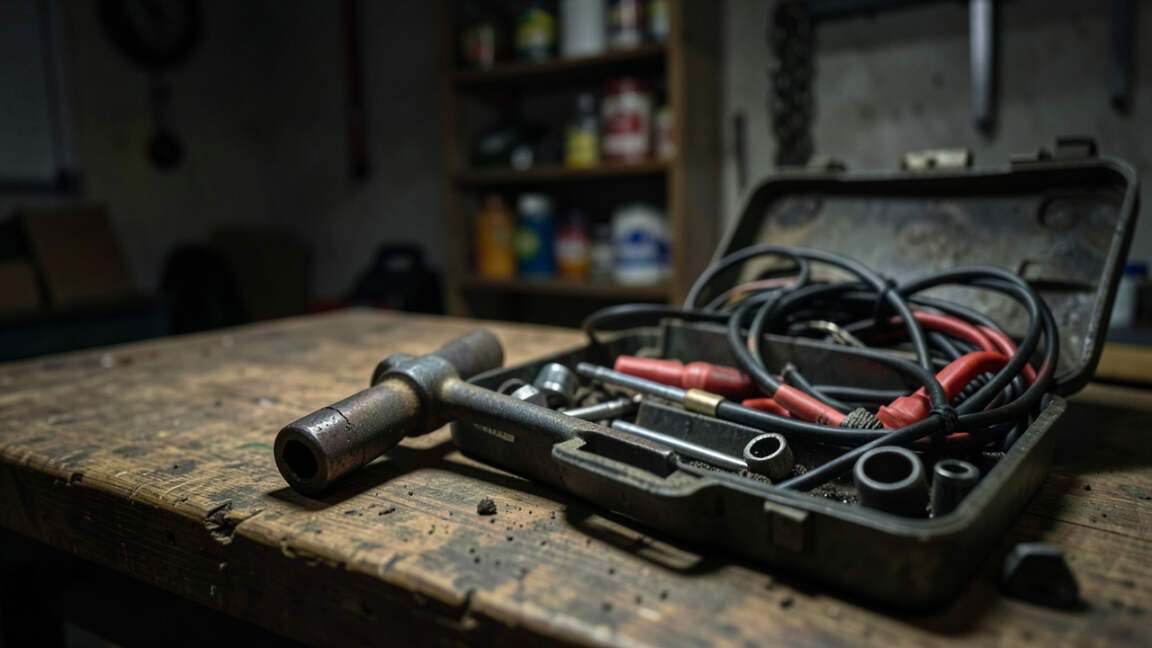
The main drawback is weight and space. A full socket set with multiple drive sizes, deep and shallow options, extensions, and accessories can become bulky. In a compact car with limited trunk space, you may need to choose a smaller set or prioritize the most essential sizes.
A 38-piece set weighs around 3 to 5 pounds, which adds to your overall emergency kit weight.
Quality variation is another concern. Budget socket sets sold at discount stores may use softer steel that rounds off bolts or cracks under high torque. Investing in a mid-range set from a reputable brand like Craftsman, Stanley, or DeWalt ensures that using a socket set in a car toolkit delivers reliable performance when you need it most.
- Full socket sets can be bulky and heavy for small vehicles
- Low-quality sockets may strip bolt heads or break under load
- Metric-only sets will not fit older SAE fasteners (and vice versa)
- Sockets can roll away on sloped surfaces and get lost
- Improper storage leads to rust and corrosion over time
- Without a proper case, sockets become disorganized and hard to find
Another potential issue is the learning curve. Some drivers may not be familiar with ratchet direction switches or socket attachment methods. If you are new to using sockets, practice at home before relying on them during a roadside emergency.
Knowing how to switch between tightening and loosening modes and how to quickly change sockets makes a significant difference in real-world use.
Tip: Store your socket set in a padded case or roll-up organizer inside a larger emergency kit. This prevents rattling, keeps sockets organized, and protects them from moisture and dirt that can cause rust.
How to Choose the Right Socket Set for Automotive Repairs
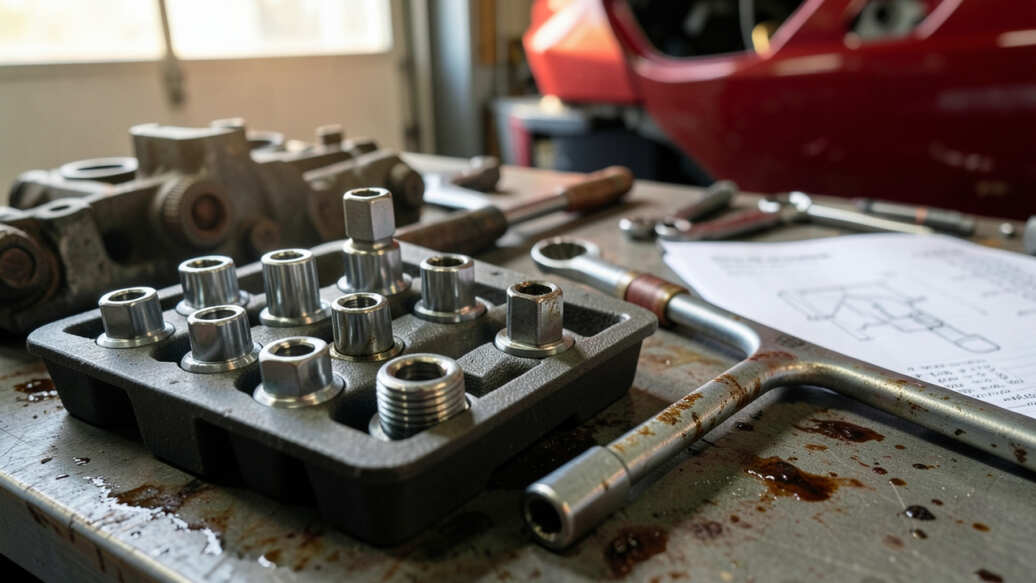
Selecting the appropriate socket set for your car toolkit requires matching the toolset to your vehicle type and your expected repair needs. A one-size-fits-all approach rarely works because different cars use different fastener sizes and configurations. Taking a few minutes to evaluate your specific requirements ensures you buy a set that serves you well.
The first consideration is drive size. A 3/8-inch drive set is the most versatile choice for general automotive work. It offers enough torque for engine bay and suspension tasks while remaining compact enough for tight spaces.
If you drive a truck or SUV with larger components, adding a 1/2-inch drive set gives you the torque needed for lug nuts and heavy suspension bolts.
The second consideration is socket range. Modern vehicles use metric fasteners almost exclusively, but some older models and certain American vehicles still use SAE sizes. Check your owner manual or visually inspect a few key bolts under the hood to determine which system your car uses.
A combined metric and SAE set offers maximum coverage.
| Vehicle Type | Recommended Drive Size | Socket Range |
|---|---|---|
| Compact car | 3/8-inch | 8mm to 19mm metric |
| Sedan | 3/8-inch + 1/2-inch | 8mm to 22mm metric |
| SUV / Truck | 3/8-inch + 1/2-inch | 10mm to 24mm metric, plus SAE sizes |
| Classic car | 3/8-inch | SAE sizes: 3/8 to 3/4 inch |
- Opt for a set with both shallow and deep sockets in the most common sizes
- Choose 6-point sockets over 12-point for automotive use to reduce rounding risk
- Look for sets that include a ratchet with a quick-release button for fast socket changes
- Extension bars in 3-inch and 6-inch lengths provide necessary reach
- A universal joint allows work at angles around obstacles in the engine bay
- Consider a set with a sturdy blow-molded case for organized storage
- Read reviews specifically mentioning automotive use to confirm durability
Important: A 72-tooth ratchet is ideal for car toolkits because the smaller swing arc allows you to turn fasteners in tight spaces where a standard 36-tooth ratchet would get stuck. This feature alone can save you from frustration in cramped engine bays.
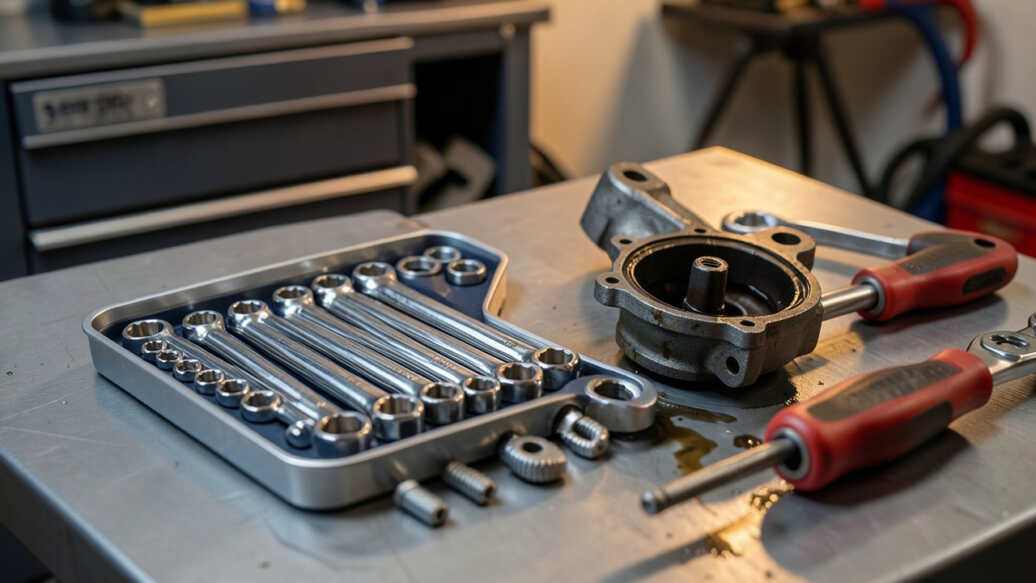
Essential Maintenance Tips for Your Car Toolkit Socket Set
Proper maintenance of your socket set ensures it remains ready for use when emergencies arise. Sockets and ratchets that are rusted, dirty, or poorly lubricated will not perform correctly and could fail at a critical moment. A few simple habits keep your tools in top condition year after year.
Clean your sockets and ratchet after each use, especially if you worked in dirty or wet conditions. Roadside repairs often involve mud, grease, and moisture that accelerate corrosion. Wipe each socket with a clean rag and apply a light coat of oil to the ratchet mechanism periodically.
Inspect your socket set regularly for signs of wear. A socket that has cracked or deformed should be replaced immediately. Ratchets that skip or slip under load need servicing or replacement.
The cost of replacing a single socket is far less than the cost of being stranded with a broken tool.
- Wipe down after use: Remove grease, dirt, and moisture from all sockets and the ratchet.
- Lubricate the ratchet: Apply a drop of light machine oil to the ratchet mechanism every few months.
- Check for rust: Inspect sockets for surface rust and remove with fine steel wool or a rust eraser.
- Organize by size: Keep sockets in their designated slots in the case to prevent loss and speed access.
- Test the ratchet: Ensure the direction switch works smoothly and the pawl engages firmly.
Warning: Never use WD-40 as a lubricant for ratchet mechanisms. WD-40 is a solvent and water displacer, not a lubricant. It will wash away the factory grease and cause the ratchet to wear prematurely. Use a proper light machine oil or lithium grease instead.
Store your socket set in a dry location inside the vehicle. If you live in a humid climate, consider adding a small silica gel desiccant pack to the tool case to absorb moisture. Keeping the set inside a sealed plastic container or waterproof bag provides additional protection against humidity and accidental spills.
Frequently Asked Questions
Can I use a socket set instead of a wrench for car repairs?
Yes, a socket set is generally better than a wrench for most car repairs because sockets provide a more secure grip and a ratchet allows faster operation. Wrenches are still useful for tight spaces where a socket and ratchet cannot fit, but sockets handle the majority of automotive fasteners more efficiently.
What size socket set do I need for a standard car toolkit?
A 3/8-inch drive set with metric sockets from 8mm to 19mm covers most common fasteners on modern vehicles. Adding a few deep sockets in 10mm, 12mm, 14mm, and 17mm gives you full coverage for engine bay and suspension work. This combination fits easily in most car trunks.
Will using a socket set damage my car bolts?
Using a properly sized 6-point socket will not damage bolts if you apply steady force and avoid over-tightening. Using the wrong size or a 12-point socket on a worn bolt can cause rounding. Always select the correct socket size and inspect bolt heads before applying torque.
How often should I replace the sockets in my car toolkit?
Sockets made from chrome vanadium or chrome molybdenum steel can last for many years with proper care. Replace any socket that shows cracks, deformation, or significant rust. If a socket no longer fits snugly on a bolt head, it should be replaced to prevent damage to both the tool and the fastener.
Can I use an impact socket with a hand ratchet?
Yes, impact sockets work perfectly with hand ratchets and offer the advantage of greater strength. The downside is that impact sockets are heavier and slightly bulkier than standard chrome sockets. For a car toolkit, impact sockets are a good choice if you also carry a battery-powered impact wrench.
Final Thoughts
Adding a socket set to your car toolkit transforms your ability to handle roadside repairs and routine maintenance with speed and precision. Using a socket set in a car toolkit gives you faster fastening, better torque control, and greater versatility than standard wrenches or pliers. Choose a quality set with the right drive size and socket types for your vehicle, maintain it properly, and you will have a reliable companion for years of trouble-free driving.
A small investment in the right tools pays off the first time you fix a problem on your own.