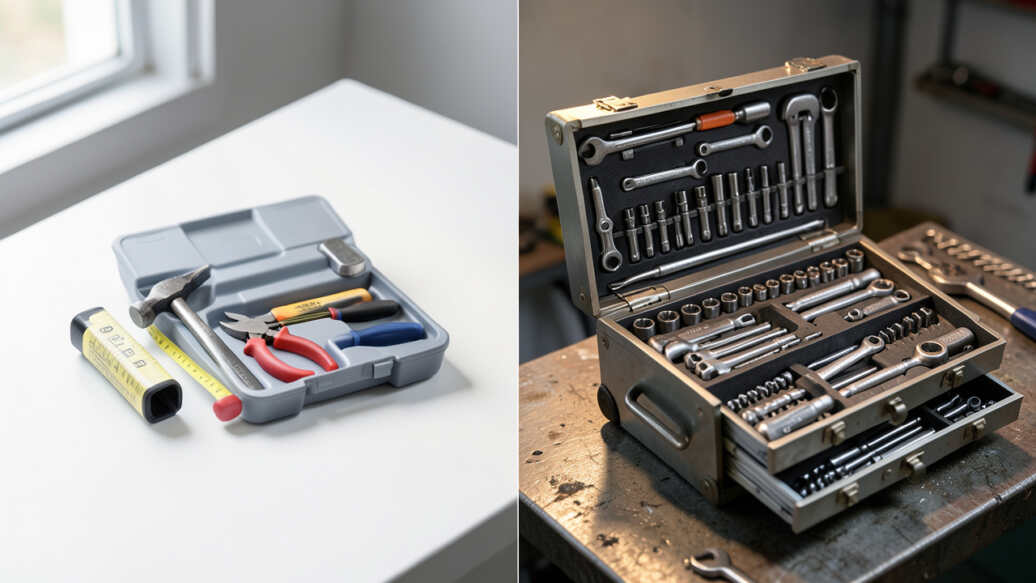

A basic tool kit is designed for light household tasks with lower-cost, general-purpose tools, while a mechanic tool kit offers professional-grade durability with materials like chrome vanadium steel and specialized components such as ratchet mechanisms and precision sockets. Mechanic kits include a higher tool count with multiple sizes of wrenches and screwdrivers, and often come with lifetime warranties, whereas basic kits prioritize affordability and versatility for everyday minor repairs. The choice between them depends on the frequency and complexity of your projects, with mechanic kits suited for automotive and demanding work and basic kits adequate for occasional home use.
Understanding the differences between a basic kit and mechanic kit basic tool kit is essential for selecting the right set of tools for your projects. This comparison will help you evaluate features, quality, and use cases to make an informed purchase.
Simply put, a basic tool kit covers light household tasks with affordable tools, while a mechanic tool kit offers heavy-duty, precision tools for automotive and professional repairs. The mechanic kit includes more specialized items, better materials, and greater durability for demanding jobs.
Key Takeaways
- Basic kits are designed for general home use, with lower cost and fewer tools.
- Mechanic kits feature professional-grade materials like chrome vanadium steel and ratcheting mechanisms.
- Tool count and specialization vary widely; mechanic kits typically include sockets, wrenches, and screwdrivers in multiple sizes.
- Durability and warranty differ, with mechanic kits often backed by lifetime guarantees.
- Your choice depends on project frequency, budget, and the types of repairs you perform.
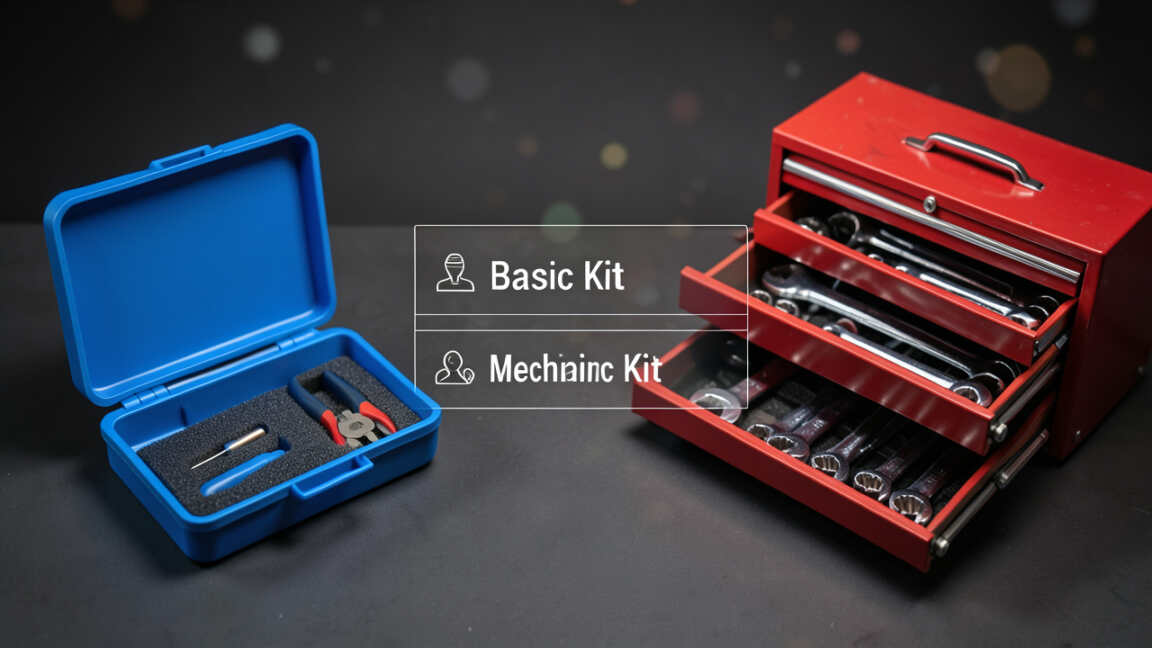
Quick Comparison Table: Basic Kit vs Mechanic Tool Kit
This table highlights the main differences to help you decide at a glance.
| Feature | Basic Tool Kit | Mechanic Tool Kit |
|---|---|---|
| Typical Tool Count | 10–30 pieces | 50–200+ pieces |
| Materials | Carbon steel, plastic handles | Chrome vanadium steel, impact-rated |
| Typical Use Cases | Hanging pictures, assembling furniture | Auto repairs, HVAC, plumbing |
| Warranty | Limited, often 1 year | Lifetime or no-hassle |
| Price Range | $10–$40 | $50–$300+ |
A basic kit is budget-friendly for occasional tasks, while a mechanic kit is an investment for frequent heavy-duty work. The choice hinges on how often you use tools and the complexity of your projects.
What Is a Basic Tool Kit?
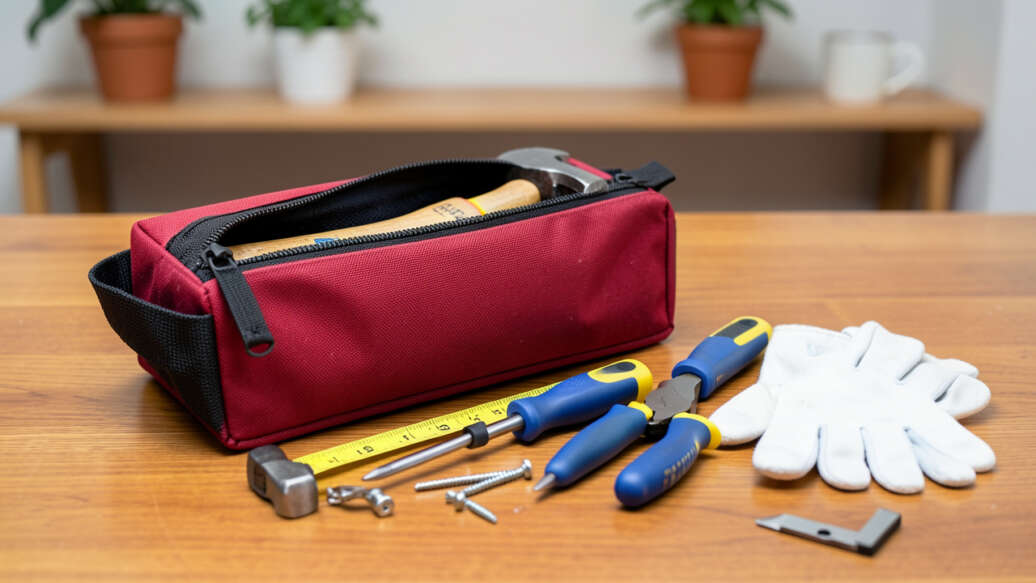
A basic tool kit is a compact set of essential hand tools designed for everyday household tasks. These kits typically include a hammer, screwdrivers, pliers, a measuring tape, and sometimes a small level or adjustable wrench. They are sold at most hardware stores and online retailers, often in a plastic or soft case.
The primary appeal of a basic kit is affordability and convenience. You get everything needed for simple repairs without buying tools individually. According to a Statista survey, nearly 65% of homeowners own at least one basic tool kit for tasks like hanging shelves or tightening loose screws.
However, basic kits have limitations. The tools are usually made from lower-grade materials like carbon steel, which can dull or bend under heavy use. The screwdriver tips may wear out quickly, and the pliers might lack proper gripping surfaces.
These kits are not intended for automotive or professional work.
Common Tools in a Basic Kit
- Claw hammer (8–16 oz)
- Flathead and Phillips screwdrivers (#1 and #2)
- Slip-joint pliers
- 25-foot measuring tape
- Utility knife
- Adjustable wrench (6-inch)
- Small level (6–9 inch)
Some basic kits include additional items like a wire cutter or a set of Allen keys. But the tool count typically remains under 30 pieces. The storage case is often flimsy, so expect the tools to shift around or fall out during transport.
Warning: Avoid using a basic kit for tasks that require high torque, such as loosening rusted bolts. The tools may break and cause injury.
What Is a Mechanic Tool Kit?
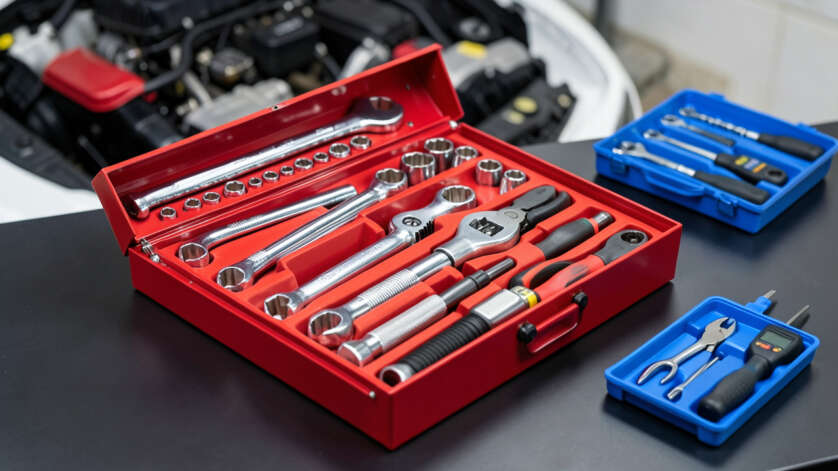
A mechanic tool kit is a comprehensive set of professional-grade tools aimed at automotive, mechanical, and construction work. These kits contain numerous sockets, wrenches, screwdrivers, and specialty tools, often organized in a heavy-duty case or a tool chest. Brands like Craftsman, Dewalt, and Stanley produce mechanic kits that meet ANSI and ASME standards for durability.
Unlike basic kits, mechanic tool kits use materials such as chrome vanadium steel or impact-resistant alloys. The tools undergo heat treatment to resist bending and corrosion. Many kits feature ratcheting mechanisms, extending handles, and ergonomic grips for comfort during prolonged use.
The American National Standards Institute (ANSI) sets benchmarks for hand tools, and most mechanic kits exceed these requirements. According to industry reports, professional mechanics replace tools less frequently when using sets rated at least 60 HRC (Rockwell hardness). This significantly reduces long-term costs.
Components of a Typical Mechanic Kit
- Deep and shallow sockets (1/4″, 3/8″, and 1/2″ drive)
- Combination wrenches (metric and SAE sizes)
- Socket ratchets (reversible, with quick-release)
- Hex and Torx keys
- Screwdrivers with impact-rated tips
- Pliers: needle-nose, locking, diagonal cut
- Spark plug socket, oil filter wrench, breaker bar
Mechanic kits often include a carrying case with foam inserts that hold each tool in place. This prevents loss and makes it easier to spot missing items. Some premium sets come with a chest featuring drawers, perfect for a garage or workshop.
Important: Check the drive sizes when buying a mechanic kit. A set that includes 1/4″, 3/8″, and 1/2″ drives offers the most versatility for different tasks.
Key Differences Between Basic and Mechanic Tool Kits
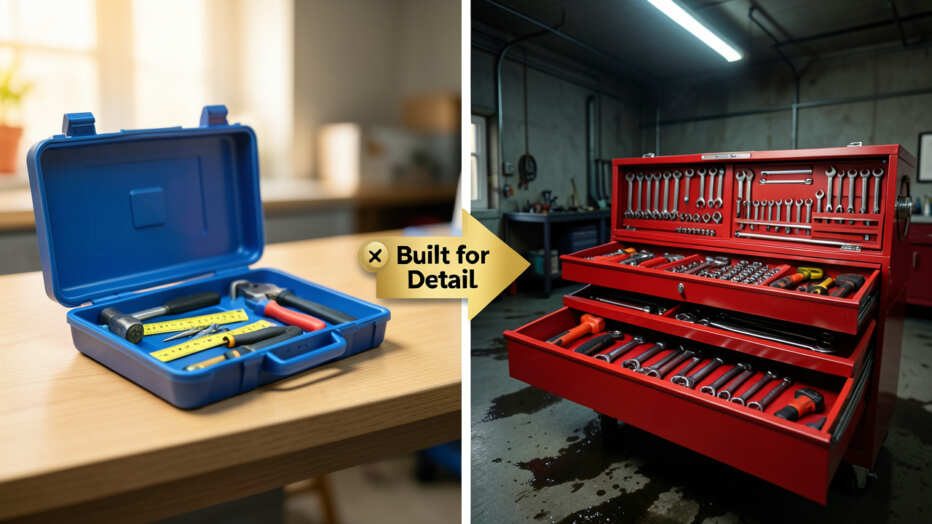
The distinctions go beyond tool count and price. Here are the core areas where these two kits differ.
Material Quality and Durability
Basic kits use carbon steel with a finish that can rust quickly. Mechanic kits use chrome vanadium steel with a nickel-chrome coating that resists corrosion. The Rockwell hardness of mechanic tools is usually 48–60 HRC, compared to 40–45 HRC for basic tools.
This means mechanic tools are less likely to strip screws or break under stress.
Precision and Fit
Mechanic kit sockets and wrenches are machined to tighter tolerances, ensuring a snug fit on fasteners without slipping. Basic kit tools often have slightly off-size openings that can round off bolt heads. For critical automotive or electrical work, precision is non-negotiable.
Versatility and Specialization
Basic kits cover general tasks but lack specialized tools like spark plug sockets, torque wrenches, or bit sets. Mechanic kits include these additions, plus extension bars, universal joints, and adapters for hard-to-reach areas. You can disassemble an engine or repair a brake system with a mechanic kit.
Use this numbered list to compare priority features:
- Tool Count: Basic kits 10–30 vs. mechanic kits 50–200+.
- Warranty: Basic kits limited (1 year) vs. mechanic kits lifetime.
- Storage: Basic kits plastic case vs. mechanic kits metal chest or foam organizer.
- Cost per Tool: Basic kits ~$1–$2 per tool vs. mechanic kits ~$2–$5 per tool, but higher value per use.
- Safety: Mechanic kits include non-slip grips, impact-rated sockets, and fewer failure modes.
Tip: When using a mechanic kit on an engine, always wear gloves and eye protection. The tools are strong, but fasteners can snap under high torque.
How to Choose the Right Tool Kit for Your Needs
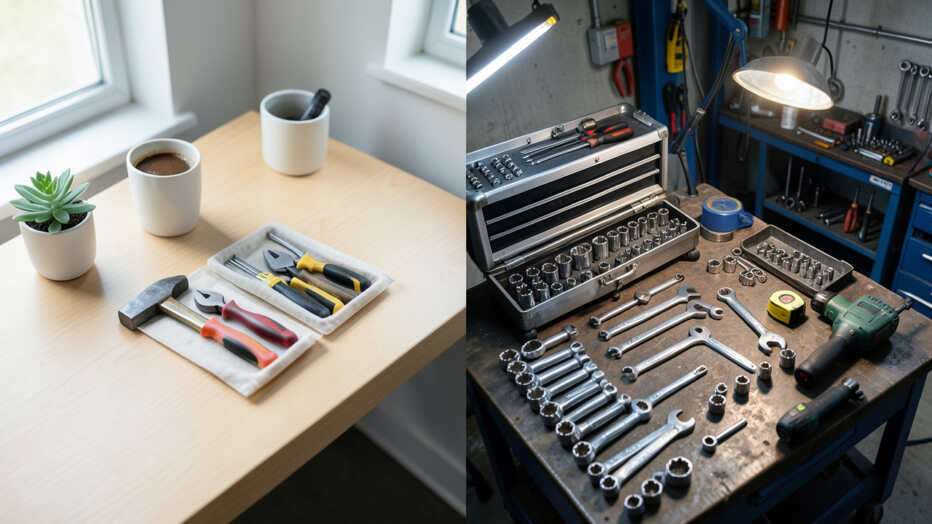
Selecting between a basic tool kit and a mechanic tool kit depends on your specific needs. Assess your typical tasks, frequency of use, and budget before buying.
For occasional household jobs like hanging a picture or tightening a loose screw, a basic kit is sufficient. If you repair furniture, assemble IKEA products, or do light gardening, a basic set will save you money. You can also add individual tools later.
For automotive work, plumbing, electrical repairs, or any professional trade, a mechanic kit is necessary. The quality ensures safety and reliability. A mechanic kit also saves time because you won’t need to search for missing tools or replace broken ones frequently.
Here is a table to match your situation with the right kit:
| User Scenario | Recommended Kit | Reason |
|---|---|---|
| Renter performing light repairs | Basic tool kit | Low cost, covers common tasks |
| DIY homeowner with occasional car work | Mechanic kit (50–100 pc) | Versatile for home and car |
| Professional mechanic | Mechanic kit (150+ pc) | Durability and specialization |
| Student or hobbyist | Basic kit + add-ons | Budget-friendly, upgradeable |
Consider buying a basic kit first if you are new to tool ownership. You can upgrade to a mechanic kit later when you take on bigger projects. Many users report that a 100-piece mechanic kit from a reputable brand lasts over a decade with proper care.
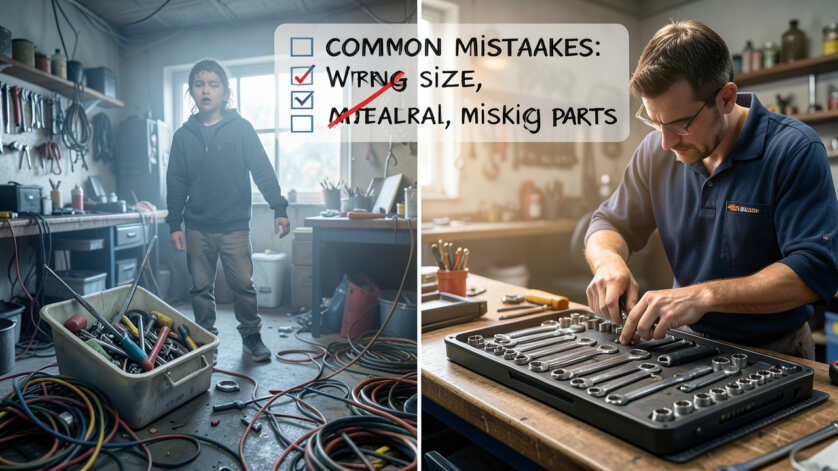
Common Mistakes When Buying Tool Kits
Many shoppers make errors that cost them time and money. Knowing these pitfalls helps you avoid a poor purchase.
- Ignoring tool ratings. Some basic kits claim to be for mechanics but use weak alloys. Check the product specifications for material and hardness ratings.
- Buying based on piece count alone. A high piece count often includes many duplicate or low-useful items. For example, a 150-piece kit may have 50 bits you never use.
- Skipping warranty verification. Mechanic kits should offer lifetime warranties. Basic kits rarely do, so factor in replacement costs.
- Overlooking storage quality. A cheap plastic case may crack, especially in humid or cold environments. Look for ABS cases or metal boxes.
- Not matching drive sizes. A kit with only 1/4″ drive sockets limits bolt access. A set with three drive sizes is more flexible.
Tip: If you buy a basic kit, invest in a separate ratcheting screwdriver. It will save time on repetitive tasks and reduce hand fatigue.
Frequently Asked Questions
Can I use a basic tool kit for car repairs?
It is not recommended. Basic tool kits lack torque strength and proper socket sizes. You may strip bolts or damage components.
A mechanic tool kit is designed for automotive work.
How many pieces should a mechanic tool kit have?
For home use, a 50–100 piece kit covers most tasks. Professionals often prefer 150–200 pieces. Focus on the variety of sockets, wrenches, and drive sizes rather than just the number.
Are mechanic tool kits worth the extra cost?
Yes, because they last longer with materials like chrome vanadium steel and offer better precision. According to a Consumer Reports analysis, higher-end mechanic kits have a 30% lower failure rate over five years.
What tools are most frequently used in a mechanic kit?
Socket sets, combination wrenches, and ratchets are the top three. Screwdrivers and pliers also see heavy use. Specialty tools like spark plug sockets are used less often but are invaluable when needed.
Do basic tool kits include a warranty?
Some do, but it is usually limited to one year. Most mechanic kits from reputable brands offer a lifetime warranty on defects. Always check the warranty terms before buying.
Final Thoughts
Choosing between a basic kit and a mechanic tool kit comes down to your project needs and budget. A basic kit is perfect for light household tasks, while a mechanic kit delivers durability and precision for demanding repairs. Evaluate your typical use, invest in quality if you work frequently, and always consider warranty coverage.
The right set saves frustration and helps you get the job done safely.