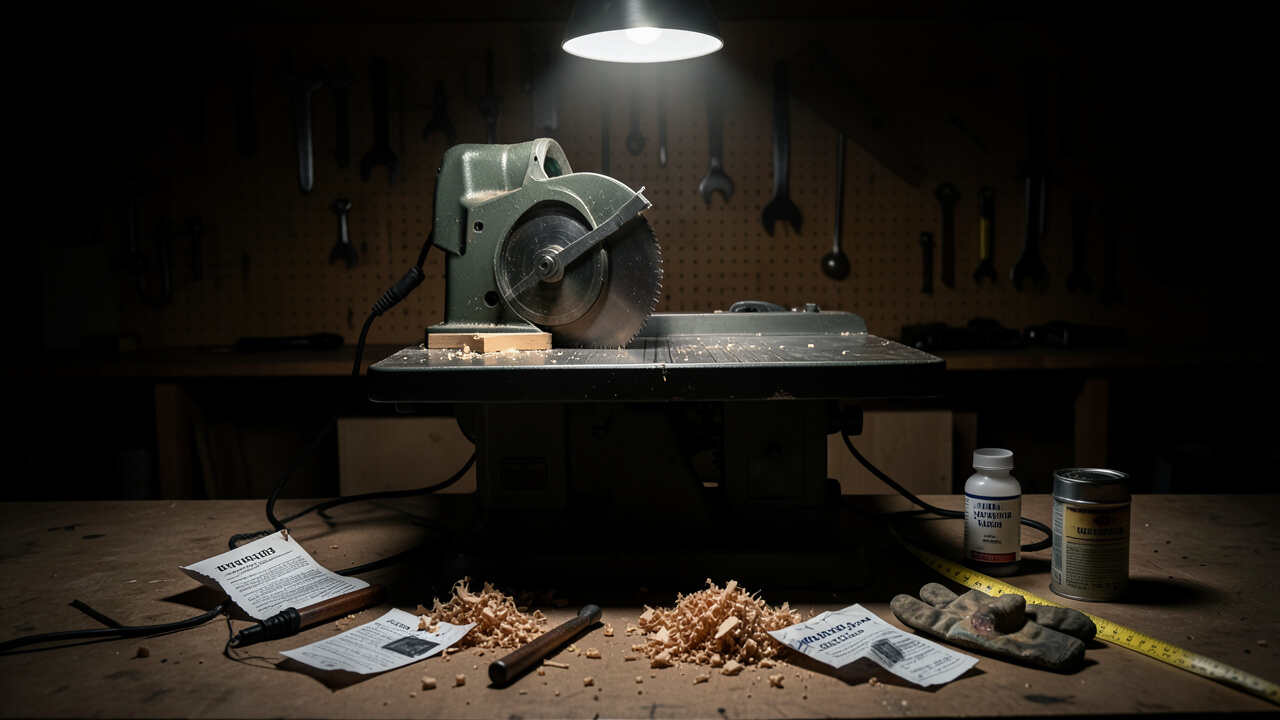

Owning a table saw involves nine hidden costs beyond the purchase price, most notably frequent blade replacements, mandatory dust collection systems, safety gear investments, workshop space upgrades, and ongoing maintenance. These expenses can double the initial investment, with specialty blades and effective dust collectors often costing several hundred dollars each. Understanding and budgeting for these costs upfront prevents financial surprises and ensures a safer, more efficient workshop.
Many new woodworkers buy a table saw without thinking about the extra costs. The 9 Hidden Costs of Owning a Table Saw Nobody Talks About can surprise you. These expenses add up fast.
But don’t worry. This guide breaks down each hidden cost in simple steps. You will learn exactly what to expect and how to plan your budget.
Keep reading to find out what most people miss.
Key Takeaways
- Blade costs can be higher than expected due to frequent replacements and specialty types.
- Dust collection systems are essential for health but add significant expense.
- Safety gear like push sticks and glasses needs regular replacement, adding annual costs.
- Space requirements may force workshop upgrades like outfeed tables or mobile bases.
- Accessories such as precision fences and miter gauges improve accuracy but cost extra.
- Maintenance and repairs, including belt changes and motor fixes, occur over time.
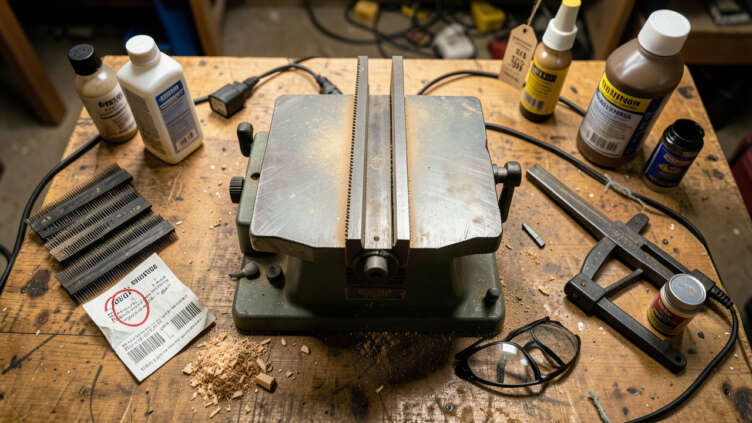
The 9 Hidden Costs of Owning a Table Saw Nobody Talks About
Owning a table saw seems straightforward. You buy the saw and start cutting. But there are many extra expenses that beginners often miss.
These hidden costs include blades, dust control, and safety gear. They also cover space needs and maintenance. Understanding these costs helps you plan better.
This section lists the nine most common hidden costs. Each one is explained in detail. You will see why they matter and how to handle them.
For example, blade replacements can cost hundreds per year. Dust collection systems might add several hundred dollars to your setup. Safety gear like push sticks and glasses need regular replacement.
Space upgrades might require a new workshop table. Let’s start with the first hidden cost.
1. Blade Replacement Costs
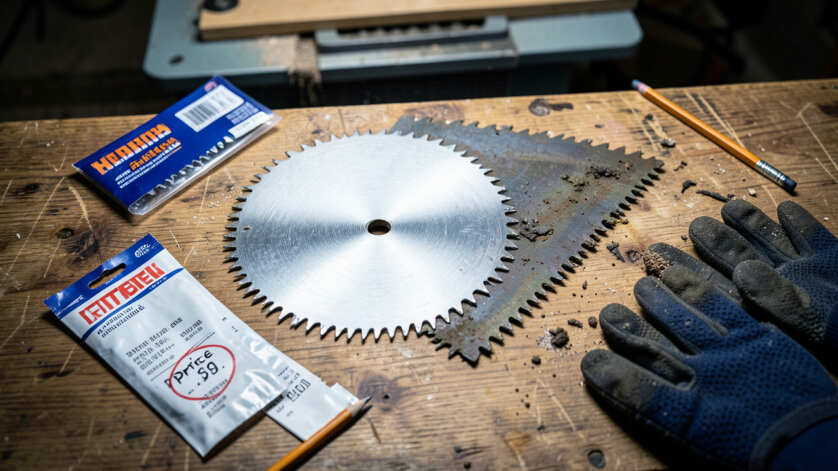
Table saw blades wear out over time. A good blade costs between $50 and $150. You might need different blades for different cuts.
For example, a rip blade cuts with the grain. A crosscut blade cuts across the grain. Beginners often buy just one blade.
But they soon learn they need more. This adds up fast.
How often should you replace blades?
Most woodworkers replace blades every six months to a year. This depends on how much you use the saw. If you cut hardwoods often, blades dull quicker.
A dull blade can cause burns on the wood. It also makes the saw work harder. This can damage the motor over time.
- Combination blades cost around $80 but do multiple jobs.
- Specialty blades like dado sets cost $100 or more.
- Sharpening services can cost $20 per blade but reduce replacement frequency.
Real case: John, a hobbyist woodworker, spent $300 on blades in his first year. He thought one blade would last. But he soon bought a rip blade, a crosscut blade, and a dado set.
This was a surprise cost.
Sample scenario: You buy a table saw for $500. You also get one blade for $60. After three months, you need a crosscut blade for $70.
Then you try dados and buy a set for $120. Your total blade cost is $250 in the first year.
Statistics: According to Fine Woodworking, the average woodworker spends $200 per year on blades. This includes replacements and new types.
2. Dust Collection System
Table saws create a lot of dust. This dust is bad for your health. It can also make your workshop messy.
A basic dust bag collects some dust. But it is not enough. You need a dust collection system.
This can cost between $100 and $500.
Types of dust collectors
There are two main types. A shop vac with a dust separator is cheap and works well. It costs around $150.
A dedicated dust collector costs $300 or more. It connects directly to the saw. This system is more powerful.
| Type | Cost | Effectiveness |
|---|---|---|
| Shop Vac + Separator | $150 | Good for small shops |
| Dust Collector | $300-$600 | Excellent for large setups |
- Shop vac setup: $100 for the vac, $50 for the separator.
- Dust collector: $300 to $600 for a good model.
- Hoses and fittings: $50 to $100 extra.
Example: Sarah, a beginner, bought a table saw for $400. She did not buy a dust collector. After a month, her workshop was full of dust.
She spent $200 on a shop vac and separator. This was an unplanned expense.
Statistics: The American Lung Association says wood dust can cause respiratory issues. A good dust collector reduces dust by 90%.
Sample scenario: You budget $600 for a table saw. You find one for $500. You think you saved $100.
But then you spend $200 on dust collection. Your total is $700, which is over budget.
3. Safety Gear Investment
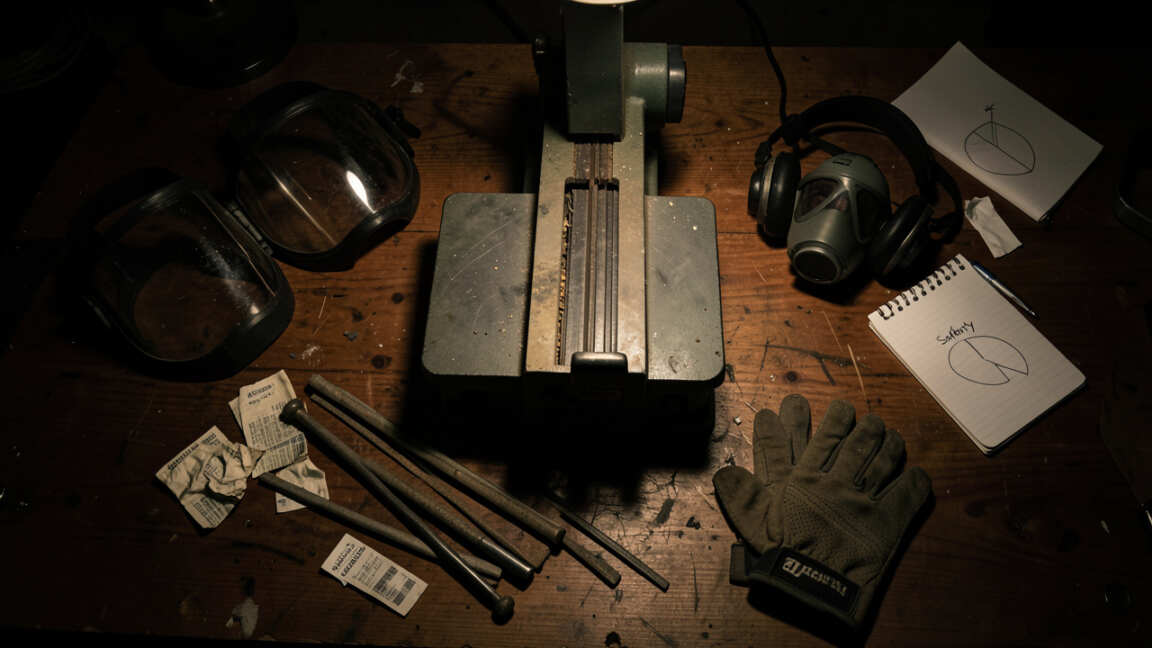
Safety gear is essential. You need eye protection, earplugs, and push sticks. These items cost money.
They also need replacement. Safety glasses can scratch. Earplugs wear out.
Push sticks break. Over a year, these costs add up.
What safety gear do you need?
- Safety glasses: $10 to $30 per pair. Replace every six months.
- Ear protection: $15 to $50 for muffs. Earplugs cost less but are disposable.
- Push sticks: $10 to $20 each. They break or get lost.
- Featherboards: $20 to $40. They help keep fingers safe.
Real case: Mark ignored safety gear. He spent $50 on basic items. Then he had a close call.
He bought better gear for $100. This includes a push block and guard.
Sample scenario: You buy a table saw for $450. You need safety gear. You spend $80 on glasses, ear muffs, and push sticks.
Your total cost is $530.
Statistics: The US Consumer Product Safety Commission reports 67,000 table saw injuries per year. Good safety gear reduces this risk.
4. Workshop Space Upgrades
Table saws need space. You need room for the saw and for cutting large boards. A small workshop might not work.
You may need to reorganize or expand. This costs time and money.
Space requirements
You need at least 4 feet behind the saw for outfeed. You need 6 feet on each side for long cuts. This may force you to move tools around.
Some woodworkers build a mobile base. This costs $50 to $100.
- Mobile base: $50 to $150 for a sturdy one.
- Outfeed table: $100 to $300 for materials.
- Workshop reorganization: free but time-consuming.
Example: Tom had a small garage. He bought a contractor saw. He realized he needed more space.
He built an outfeed table for $150. He also bought a mobile base for $80. This was not in his initial budget.
Sample scenario: You budget $700 for a table saw and accessories. You find a saw for $500. But you need $200 for space upgrades.
Your total is $700, but you have no money for blades or dust control.
5. Necessary Accessories
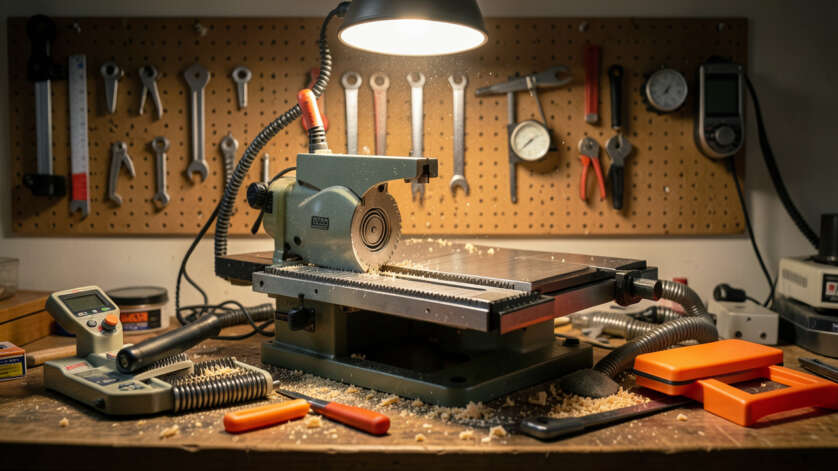
A table saw comes with basic parts. But you need accessories for better results. These include a good fence, miter gauge, and measuring tools.
Stock fences are often inaccurate. Upgrades cost money.
Common accessories
- Aftermarket fence: $100 to $300 for a precision fence.
- Miter gauge: $50 to $200 for an accurate one.
- Measuring tools: $30 to $100 for digital calipers and squares.
- Push blocks and sleds: $20 to $50 each.
Real case: Lisa bought a cheap table saw. The fence was not square. She spent $150 on a replacement fence.
This improved her cuts but added cost.
Sample scenario: You buy a $400 table saw. You soon realize the miter gauge is poor. You buy a new one for $100.
Then you need a sled for crosscuts. That is another $50. Accessories add $150 to your total.
Statistics: Popular Woodworking states that 70% of table saw users upgrade their fence within the first year.
6. Maintenance and Repairs
Table saws need maintenance. This includes cleaning, lubricating, and adjusting parts. Repairs may be needed if something breaks.
Motors can fail. Belts can wear out. These costs are often overlooked.
Common maintenance tasks
- Clean the saw regularly: $0 for your time, but takes effort.
- Lubricate moving parts: $10 for a bottle of oil.
- Replace belts: $20 to $50 for a new belt.
- Motor repair: $100 to $300 if it burns out.
Example: Bob used his saw heavily. After two years, the motor started smoking. He had to replace it for $200.
This was a sudden expense.
Sample scenario: You use your saw every weekend. After six months, the belt stretches. You replace it for $30.
Then the blade elevation mechanism jams. You pay $50 for repair. Maintenance costs add up to $80 per year.
Statistics: According to Fine Woodworking, table saw repairs average $50 per year for basic maintenance.
7. Electrical Requirements
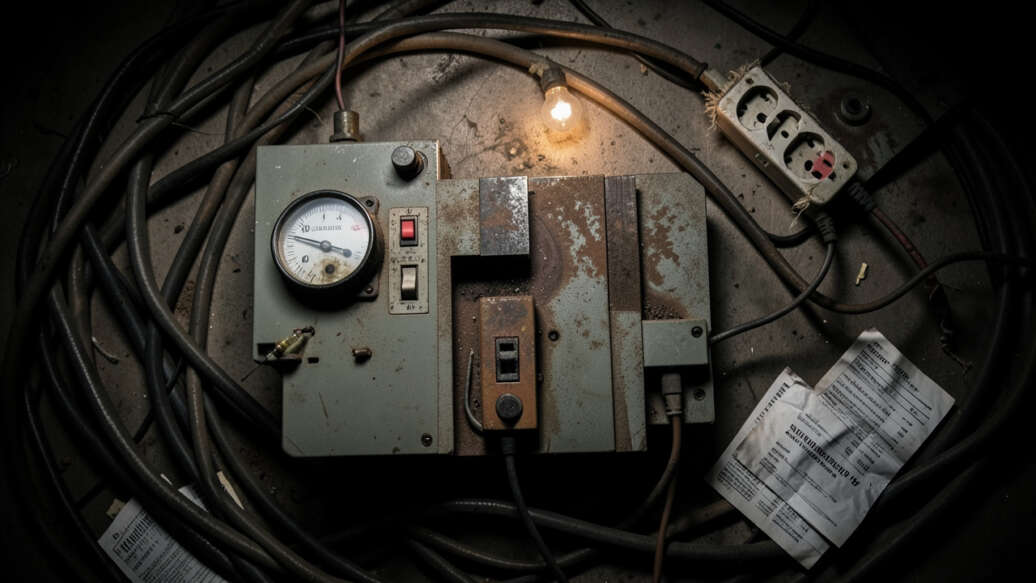
Many table saws need a dedicated circuit. This is especially true for larger saws. Most home workshops have 15-amp circuits.
A table saw can trip the breaker. You may need to upgrade your electrical system.
Electrical upgrades
- Dedicated circuit: $150 to $300 for installation by an electrician.
- Extension cord: $30 to $80 for a heavy-duty cord.
- Voltage converter: $100 to $200 if you have a 220V saw in a 110V shop.
Real case: Greg bought a 3-horsepower saw. He plugged it into his garage circuit. The breaker tripped every time.
He hired an electrician to install a new circuit for $250.
Sample scenario: You buy a $600 table saw. You think you are ready to go. But your circuit is weak.
You spend $200 on electrical work. This was a hidden cost.
Statistics: The National Electrical Code recommends dedicated circuits for power tools. About 40% of home workshops need electrical upgrades.
8. Material Waste and Test Cuts
Learning to use a table saw causes waste. Beginners make mistakes. They cut boards wrong.
They test setups on expensive wood. This waste costs money. Good wood is not cheap.
How to reduce waste
- Use cheap wood for practice: $20 for a bundle of pine.
- Plan cuts before starting: saves time and wood.
- Use a sacrificial fence: makes cleaner cuts and uses scrap.
Example: Emily learned to use a table saw. She wasted three boards of oak. That cost $60.
She then bought pine for practice for $30.
Sample scenario: You buy a $50 board of walnut. You set up the saw wrong. You cut the board too narrow.
You cannot use it. That is $50 wasted. Over a year, waste can total $100.
Statistics: Wood Magazine reports that beginners waste about 15% of their wood in the first year.

9. Time and Learning Costs
Time is valuable. Learning to use a table saw takes hours. You need to practice techniques.
You might take a class. This costs money. It also takes time away from other projects.
Learning options
- Online videos: free but takes time to find good ones.
- Books and guides: $20 to $50 for a good book.
- Classes at a makerspace: $50 to $200 per session.
Example: Jack spent 10 hours learning to make clean cuts. He could have used that time for other things. He also paid $100 for a class at a local woodshop.
Sample scenario: You buy a table saw for $400. You spend 20 hours learning to use it. That time is worth money.
If your rate is $20 per hour, that is $400 in lost time.
Statistics: The average beginner spends 30 hours learning basic table saw skills. This can delay other projects.
Frequently Asked Questions
Answer: Many people are surprised by the cost of dust collection. They think the saw bag is enough, but it is not. A good dust system can cost $200 or more.
Question: How much should I budget for table saw accessories?
Answer: You should budget around $100 to $300 for accessories. This includes a good fence, miter gauge, and push sticks. These help you work safely and accurately.
Question: Do I need to replace table saw blades often?
Answer: Yes, you should replace blades every six months to a year. The cost is about $50 to $150 per blade. Different cuts need different blades.
Question: Can I use my table saw without safety gear?
Answer: It is not safe to use a table saw without safety gear. You need glasses, ear protection, and push sticks. Injuries can happen quickly.
Safety gear is worth the cost.
Question: What is the learning curve for a table saw?
Answer: The learning curve takes about 20 to 30 hours. You need to practice cuts, setups, and safety. This time is a hidden cost because you could be working on other projects.
Final Thoughts
The 9 Hidden Costs of Owning a Table Saw Nobody Talks About can take you by surprise. But now you know what to expect. Plan your budget for blades, dust control, safety gear, and more.
Each cost is manageable if you prepare. Take your time to learn and buy quality tools. This way, your table saw will be a joy to use without breaking the bank.